
Unleashing Power: Exploring Strength and Plyometric Training Methodologies
Comprehensive Guide to Enhancing Athletic Performance Through Targeted Training Approaches
Key Highlights of Strength and Plyometric Training Methodologies
- Strength Training: Focuses on increasing muscle mass and strength through various methods like repetition, overload, and circuit training.
- Plyometric Training: Enhances explosive power and speed by utilizing the stretch-shortening cycle, improving muscle's ability to generate force quickly.
- Integrated Approach: Combining strength and plyometric training optimizes neuromuscular coordination, leading to improved athletic performance and reduced injury risk.
Understanding Strength Training Methodologies
Strength training is a cornerstone of athletic development, focusing on enhancing muscular strength, power, and endurance. Various methodologies exist to achieve these goals, each with unique approaches to sets, repetitions, and intensity.
Fundamental Strength Training Methods
Several core methods form the foundation of strength training programs:
- Repetition Method: Involves performing a specific number of repetitions with a given weight to build muscular endurance and hypertrophy.
- Overload Method: Gradually increasing the weight, frequency, or number of repetitions to challenge the muscles and promote strength gains.
- Circuit Training: Performing a series of exercises in a circuit with minimal rest to improve overall fitness and muscular endurance.
Advanced Strength Training Techniques
To further optimize strength gains, advanced techniques can be incorporated:
- Contrast Training: Alternating between high-intensity and low-intensity exercises to activate the nervous system and improve neuromuscular coordination.
- Eccentric Training: Emphasizing the eccentric (lowering) phase of an exercise to increase strength and muscle hypertrophy.
Designing Your Strength Training Program
A well-structured strength training program should consider the following factors:
- Exercise Selection: Choosing exercises that target major muscle groups and align with your specific goals.
- Sets and Repetitions: Adjusting the number of sets and repetitions based on your desired outcome (e.g., strength, hypertrophy, endurance).
- Rest Intervals: Allowing adequate rest between sets to ensure proper recovery and performance.
- Progressive Overload: Gradually increasing the challenge over time to stimulate continuous adaptation and improvement.
Delving into Plyometric Training
Plyometric training, also known as jump training, is a method designed to enhance explosive power and reactivity. It centers around the stretch-shortening cycle (SSC), which involves a rapid eccentric contraction (muscle lengthening) followed immediately by a concentric contraction (muscle shortening).
The Science Behind Plyometrics
The effectiveness of plyometrics lies in its ability to:
- Enhance Muscle Force: By pre-stretching the muscle, plyometrics increases the force generated during the subsequent contraction.
- Improve Neuromuscular Coordination: Plyometric exercises improve the communication between the nervous system and muscles, leading to more efficient and powerful movements.
- Increase Rate of Force Development (RFD): Plyometrics trains the muscles to generate force quickly, which is crucial for explosive activities.
Types of Plyometric Exercises
Plyometric exercises encompass a wide range of movements, including:
- Jumps: Including variations like squat jumps, box jumps, and lunge jumps.
- Hops: Single-leg exercises that focus on developing unilateral power.
- Bounds: Explosive movements that cover distance, such as bounding and skipping.
- Throws: Using medicine balls or other weighted objects to develop upper body power.
Implementing Plyometrics Safely
Due to the high-impact nature of plyometrics, it's crucial to implement it safely:
- Proper Warm-up: Prepare the muscles and joints with a thorough warm-up.
- Correct Technique: Focus on proper form to minimize the risk of injury.
- Progressive Overload: Gradually increase the intensity and volume of training.
- Adequate Rest: Allow sufficient recovery time between sessions.
Integrating Strength and Plyometric Training for Optimal Results
Combining strength and plyometric training can lead to synergistic benefits, enhancing both strength and power output.
Benefits of Combined Training
- Enhanced Neuromuscular Efficiency: Strength training provides the foundation of strength, while plyometrics improves the rate at which that strength can be applied.
- Improved Athletic Performance: This combination is particularly effective for athletes who require both strength and explosiveness, such as sprinters, jumpers, and basketball players.
- Reduced Injury Risk: By strengthening muscles and improving joint stability, combined training can help reduce the risk of injuries.
Sample Combined Training Program
A sample program might include:
- Strength Training (2-3 days/week): Focus on compound exercises like squats, deadlifts, bench press, and rows.
- Plyometric Training (1-2 days/week): Incorporate exercises like box jumps, squat jumps, and medicine ball throws.
- Rest and Recovery: Ensure adequate rest between sessions to allow for muscle repair and adaptation.
Considerations for Program Design
When designing a combined program, consider:
-
Training Goals: Tailor the program to your specific goals, whether it's improving strength, power, or overall athletic performance.
-
Training Experience: Adjust the intensity and volume of training based on your experience level.
-
Individual Needs: Consider any individual limitations or injuries.
Detailed Comparison of Strength and Plyometric Training
Here's a table summarizing the key differences and benefits of strength and plyometric training methodologies:
| Feature | Strength Training | Plyometric Training |
|---|---|---|
| Primary Goal | Increase muscle mass and strength | Enhance explosive power and reactivity |
| Mechanism | Progressive overload and muscle hypertrophy | Stretch-shortening cycle and neuromuscular adaptation |
| Exercises | Weightlifting, resistance exercises | Jumps, hops, bounds, throws |
| Intensity | Moderate to high | High |
| Volume | Varies depending on goals | Lower than strength training |
| Benefits | Increased strength, muscle mass, and endurance | Improved power, speed, and agility |
| Safety Considerations | Proper form, progressive overload | Proper warm-up, technique, and gradual progression |
Visualizing Plyometrics: Enhancing Athletic Performance
This section provides a visual overview of various plyometric exercises, highlighting their role in improving athletic capabilities. Plyometrics leverages the stretch-shortening cycle to maximize power output, making it an essential component of training for athletes in various sports.

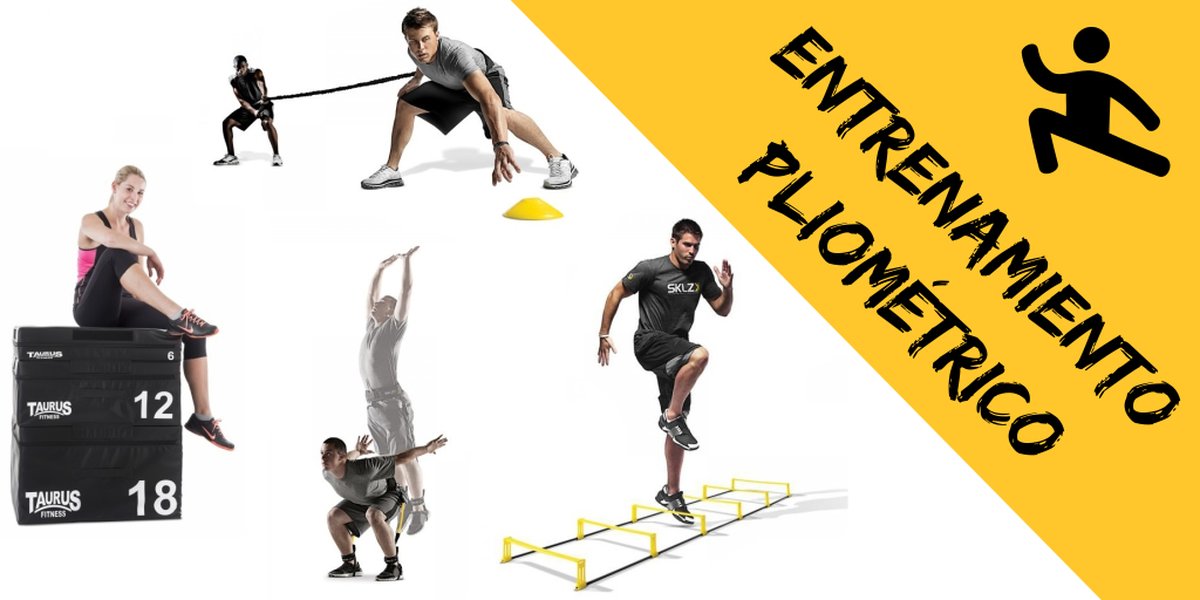
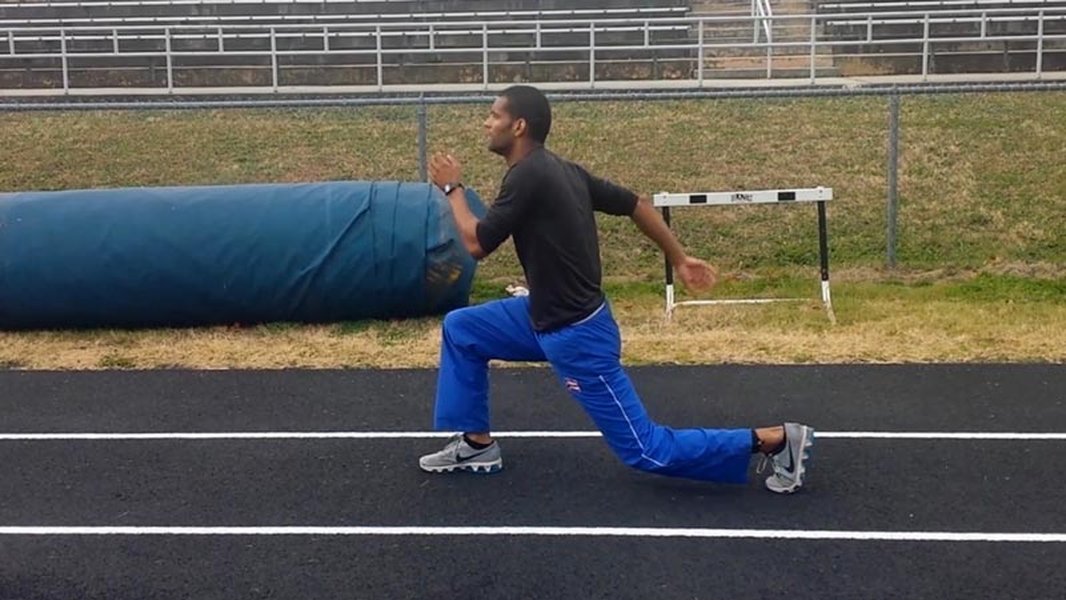
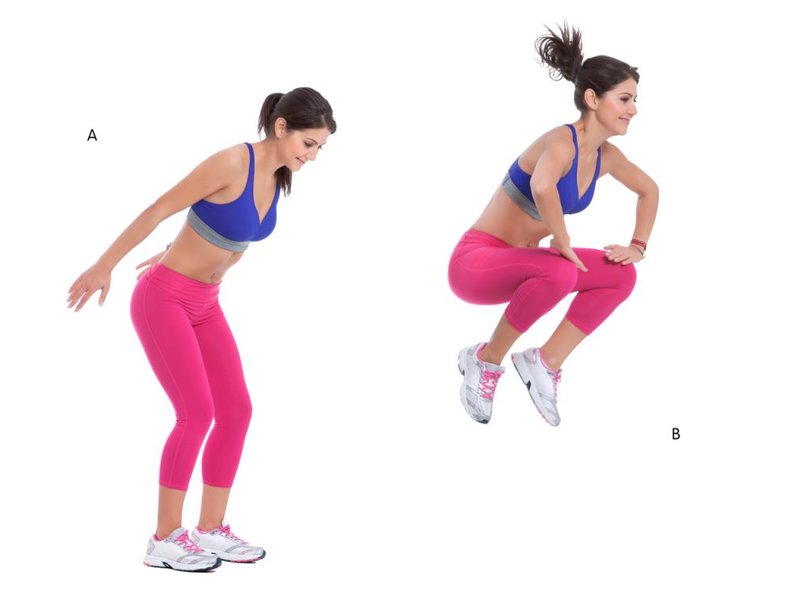
Plyometric exercises like box jumps, scissor jumps, and tuck jumps are designed to improve explosive power and agility. These movements train the muscles to exert maximal force in minimal time, enhancing overall athletic performance. Incorporating plyometrics into a training regimen can significantly boost jump height, sprint speed, and overall power output, making it a valuable tool for athletes across different disciplines.
The Role of Pliometry in Enhancing Speed and Jumps
This video explains the importance of Pliometry in the realization of jumps, with different materials for the design of a training session.
The video showcases how plyometric exercises are integral to enhancing both speed and jump performance. It highlights the use of various equipment and training modalities to optimize the stretch-shortening cycle. By focusing on rapid transitions between eccentric and concentric muscle actions, athletes can improve their explosive power and agility, leading to better performance in sports that require quick bursts of speed and high jumps. This method is particularly effective for athletes looking to maximize their reactive strength and overall athleticism.
FAQ: Frequently Asked Questions
What is the best way to start with plyometric training?
Begin with a solid foundation of strength training and bodyweight exercises. Start with low-intensity plyometric exercises, focusing on proper form and technique. Gradually increase the intensity and volume as your body adapts.
How often should I incorporate strength and plyometric training into my routine?
This depends on your training goals and experience level. A general guideline is to include strength training 2-3 times per week and plyometric training 1-2 times per week, with adequate rest in between.
Can plyometric training help with injury prevention?
Yes, when implemented correctly, plyometric training can improve joint stability, muscle strength, and neuromuscular control, which can help reduce the risk of injuries.
What are some common mistakes to avoid in strength and plyometric training?
Common mistakes include using improper form, progressing too quickly, neglecting warm-up and cool-down, and not allowing adequate rest. Always prioritize proper technique and listen to your body.
Is strength training safe for everyone?
Generally, yes. However, individuals with pre-existing health conditions should consult with a healthcare professional before starting a strength training program.
References
Last updated April 11, 2025