
Statement of the Problem for Research on Stress and Work Behavior
Analyzing Stress Impact in Accident and Emergency Healthcare Settings
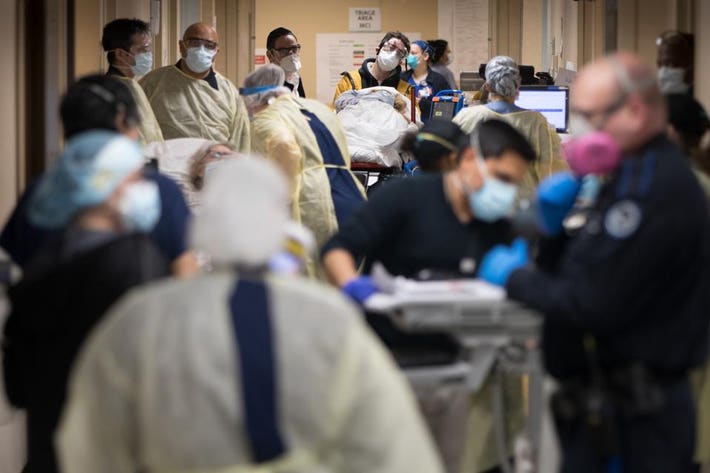
Highlights
- Identification of Stressors: A detailed breakdown of stressors like workload, long shifts, conflicts, and high pressures in emergency units.
- Impacts on Work Behavior: Exploration of how these stressors affect job performance, patient safety, decision-making, and overall workplace dynamics.
- Health and Well-being Consequences: Discussion on burnout, anxiety, depression, and other health outcomes linked to stress among emergency healthcare workers.
Introduction
In dynamic accident and emergency units, healthcare workers operate in a high-pressure environment where the stakes for patient care are monumental. This setting exposes them to a myriad of stressors arising from factors such as heavy workload, the continuous influx of high-acuity cases, prolonged working hours, and the emotional toll of dealing with life-or-death situations daily. These unique challenges not only impact their psychological and physical well-being but also have far-reaching implications for their work behavior and overall performance. The research on the influence of stress on work behavior among healthcare workers in these settings is critical to understanding and mitigating adverse outcomes both for the professionals themselves and the patients they serve.
Problem Statement Overview
The central problem addressed in this research is the significant and multidimensional influence of occupational stress on the work behavior of healthcare workers operating in accident and emergency units. Specifically, the research aims to:
- Identify the predominant stressors that affect healthcare personnel in high-intensity emergency environments.
- Examine the direct and indirect impacts of stress on their work behavior, including aspects like job performance, communication, and adherence to clinical protocols.
- Assess the psychological and physiological consequences, such as burnout, anxiety, depression, and other stress-related health issues.
- Evaluate the subsequent implications for patient safety and overall healthcare quality.
- Investigate potential coping strategies and organizational interventions designed to mitigate stress and support improved work behavior.
Detailed Analysis of the Problem
Stressors in the Accident and Emergency Unit
Healthcare professionals in emergency units regularly face a confluence of stressors that impact their performance. These include:
Workload and Time Pressure
A typical day in an accident and emergency unit is characterized by high patient volumes and rapidly changing case severities. The constant battle against time during critical periods places immense pressure on healthcare workers, leading to errors, reduced attentiveness, or compromised decision-making.
Emotional Demands and Traumatic Exposure
Regular exposure to traumatic incidents, including severe injuries and life-threatening conditions, significantly elevates stress levels. The emotional impact coupled with repeated exposure to distressing events can lead to compassion fatigue and diminished empathy over time.
Interpersonal Conflicts and Organizational Challenges
Conflicts among colleagues or with supervisors, exacerbated by communication breakdowns in high-stress situations, further contribute to workplace stress. Additionally, organizational issues such as inadequate staffing or resource limitations increase the burden on individual healthcare workers.
Impact on Work Behavior
The effects of chronic stress extend directly into the realm of work behavior, altering both individual performance and team dynamics. Key impacts include:
Job Performance and Efficiency
Under the influence of stress, healthcare workers may experience reduced concentration, impaired decision-making, and slower response times. This decline in job performance not only affects treatment outcomes but also places additional strain on team operations.
Communication and Team Collaboration
Stress can lead to breakdowns in communication. In a setting where clear and timely information exchange is crucial, any lapse may result in misdiagnosis, medication errors, or even compromise patient safety. Team dynamics often suffer when individual stress levels peak, leading to reduced collaboration.
Patient Care and Safety
When stress impairs work behavior, the quality of patient care declines. The safety of patients becomes jeopardized as stressed healthcare providers are more prone to errors and less capable of maintaining adherence to established clinical guidelines.
Consequences on Health and Well-being
The research further emphasizes that prolonged exposure to high-stress environments manifests in several health-related issues among healthcare workers:
- Increased risk of burnout, which not only diminishes individual job satisfaction but also increases turnover rates within emergency units.
- Elevated incidence of anxiety, depression, and post-traumatic stress symptoms, affecting both personal health and professional performance.
- Potential physical health deterioration, including symptoms such as chronic fatigue, headaches, and other stress-related ailments.
These psychological and physiological consequences underscore the need for comprehensive strategies in mitigating stress within these critical environments.
Presentation of the Research Problem
To illustrate the multifaceted nature of this research problem, the following table summarizes the main components and their interrelationships:
| Component | Description | Key Impact Areas |
|---|---|---|
| Stressors | High workload, emotional demands, long hours, conflicts, and resource limitations. | Job performance, communication, decision-making |
| Work Behavior | Alterations in performance, reduced efficiency, and impaired collaboration. | Patient care quality, error rates, team dynamics |
| Health Consequences | Burnout, psychological distress, and physical health issues. | Worker retention, job satisfaction, overall well-being |
| Patient Safety | Indirect effect of altered work behavior under stress. | Increased risk of medical errors and adverse patient outcomes |
This table provides a visual synthesis of the problem’s core aspects, highlighting the strong interconnectivity between environmental stressors, work behavior, and the broader implications on health and patient safety.
Research Gaps and Rationale
Although there is extensive literature on the general topic of occupational stress, there remains a significant research gap that specifically examines the influence of stress on work behavior in the niche yet critical environment of accident and emergency units. The complex interplay between heightened stressors and observable work behaviors within these units necessitates a comprehensive study aimed at:
- Providing empirical evidence of how stress adversely disrupts individual and collective tasks.
- Establishing correlations between stress triggers and compromised patient safety outcomes.
- Identifying existing organizational policies that may contribute to or alleviate the stress load in these facilities.
- Proposing tailored interventions that are capable of both reducing stress and improving work behavior, which in turn leads to better patient care standards.
The outcomes of such research would not only contribute to academic literature but could also drive meaningful changes in workplace policies and interventions, ensuring long-term benefits for both the healthcare professionals and the patients who rely on their expertise.
Intervention Strategies and Mitigation Measures
Organizational and Policy-Level Interventions
Addressing the high stress levels in accident and emergency units calls for a dual approach. At the organizational level, strategies such as increased staffing, flexible scheduling, and clearer communication channels are crucial. Implementing policies that focus on employee wellness can help mitigate stress and, by extension, its negative effects on work behavior.
Staffing and Resource Allocation
One important measure is to ensure that the staffing levels are sufficient to handle the unpredictable and high workload of emergency settings. Adequate staffing relieves pressure, promotes better teamwork, and reduces the burden on individual healthcare workers.
Structured Training and Support Programs
Regular training sessions focused on stress management and teamwork, as well as the availability of psychological support, can better equip healthcare professionals to handle high-pressure situations effectively.
Personal Coping Mechanisms
On a personal level, interventions such as mindfulness-based stress reduction, cognitive-behavioral techniques, and resilience training may empower healthcare workers to manage their stress more effectively. These techniques not only help in maintaining mental health but also positively influence work behavior, as a more balanced mindset leads to improved decision-making and effective communication.
Conclusion
In summary, the statement of the problem for researching the influence of stress on work behavior among healthcare workers in accident and emergency units emphasizes the need for a comprehensive understanding of how chronic stressors interfere with critical job functions. These stressors—ranging from overwhelming workloads and emotional upheavals to organizational and interpersonal conflicts—significantly impair the work behavior, leading to reduced performance, compromised patient care, and adverse health outcomes for the professionals themselves.
Through an examination that integrates the identification of stressors, their direct influences on communication, teamwork, and job performance, and the broader implications for both employee well-being and patient safety, this research delineates the pressing need to develop effective organizational strategies and personal coping mechanisms. The findings from such a study are expected to influence policy development and practical interventions that could substantially improve working conditions in these high-stress environments, ensuring better outcomes for healthcare workers and the patients who depend on their expertise.
Addressing this issue is imperative not only as a means to safeguard the physical and emotional welfare of these crucial professionals but also to enhance the overall efficiency and effectiveness of emergency care services. Through targeted interventions, a balance can be achieved that mitigates the detrimental effects of stress, fosters a supportive work environment, and ultimately leads to improved patient care and safety.
References
- Impact of Stress on Nurses' Work Behavior – IvyPanda
- The Influence of Stress on Work Behavior Among Nurses – Scribd
-
Stressors in Healthcare Settings – PubMed Central
- Innovative Work Behavior and Stress – MDPI
- Work-Related Stress Among Nurses – BMC Nursing
- NIOSH – Stress and Burnout in Healthcare
- Mind Research on Emergency Services Stress – Mind
- Perceived Stress in Emergency Care Workers – RBMT
Recommended Queries
Last updated February 24, 2025