
Forging the Future: Structural Engineering's Pivotal Role in Australia's 2025 Mining Landscape
An expert insight into the innovations, challenges, and critical demands shaping structural integrity in the modern Australian mining sector.
The Australian mining sector, a global heavyweight, stands on the cusp of significant transformation in 2025. As a seasoned structural engineer immersed in this dynamic industry, I've witnessed firsthand the increasing complexity and criticality of our role. From the vast iron ore mines of the Pilbara to the burgeoning critical mineral operations nationwide, structural engineering is the bedrock ensuring safety, efficiency, and sustainability. This article explores the multifaceted world of mining structural engineering services in Australia, examining the key trends, technological advancements, and the unwavering demand for expertise that defines our profession today.
Key Highlights for 2025
- Technological Integration: The rapid adoption of AI, IoT, and advanced analytics is revolutionizing mining industry structural design and assessment, leading to smarter, predictive, and more resilient infrastructure.
- Sustainability Imperative: A profound shift towards environmentally conscious design, incorporating green materials, renewable energy infrastructure, and climate-resilient structures is reshaping project requirements.
- Escalating Demand for Expertise: The quest for critical minerals and the need to maintain and upgrade aging infrastructure are fueling a strong demand for skilled structural engineers with specialized knowledge in structural assessment mining and design for extreme conditions.
The Unseen Backbone: Critical Demands on Mining Structures
Mining operations present a unique and formidable set of challenges for structural engineers. Unlike conventional construction, structures in the mining industry must endure extreme conditions: colossal dynamic loads from heavy machinery, abrasive materials, corrosive atmospheres, and often, remote and harsh geographical locations. Our designs must account for cyclonic winds, seismic activity, and the relentless stresses of 24/7 operations. The integrity of these structures is paramount not just for operational continuity but, most importantly, for the safety of the workforce.
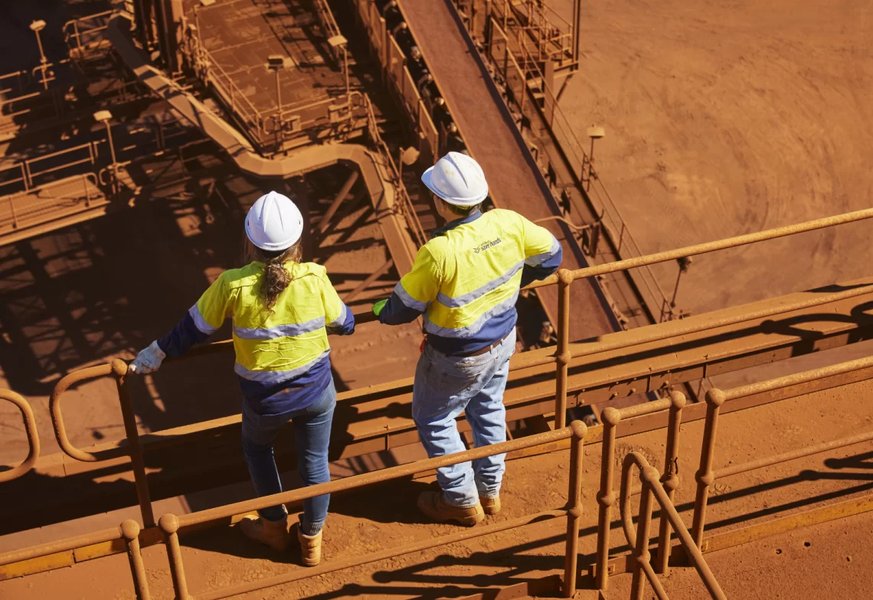
Modern mining operations often involve vast and complex engineered structures.
Core Infrastructure Engineered for Extremes
The scope of mining infrastructure structural engineering is vast, encompassing a wide array of critical assets:
- Processing Plants: Housing crushers, mills, and refineries, these complex structures are subject to significant vibrations and heavy equipment loads.
- Material Handling Systems: Conveyors, bins, hoppers, chutes, and stacker-reclaimers that must withstand high throughput and abrasive wear.
- Concrete Foundations: Concrete foundations mining Australia demands specialized design to support massive static and dynamic loads, often in challenging soil conditions and seismic zones. These are the literal bedrock of mining operations.
- Non-Process Infrastructure (NPI): Workshops, warehouses, fuel storage facilities, and administrative buildings essential for site operations.
- Access Structures: Walkways, platforms, and stairways designed for safe access and maintenance, often at significant heights.
- Heavy Lifting Infrastructure: Crane rails, monorails, and specialized lifting frames requiring certification for their Working Load Limit (WLL).
Each element requires meticulous structural design for heavy industry, adhering to stringent Australian Standards (like AS 4100 for steel and AS 3600 for concrete) and site-specific operational and environmental requirements.
The Digital Leap: Technology Transforming Structural Engineering in Mining
The year 2025 sees the Australian mining sector firmly embracing the digital revolution. "Smart Mine" concepts are no longer aspirational but operational realities, profoundly impacting how we approach mining plant structural engineering.
Advanced Analysis and Simulation
Sophisticated software tools are indispensable in modern mining structural engineering. Programs like Strand7, SolidWorks Simulation Premium, and STAAD Pro enable us to perform complex static and dynamic analyses, including Finite Element Analysis (FEA). These tools allow for:
- Simulation of extreme load cases (e.g., equipment failure, seismic events, cyclonic winds).
- Optimization of designs for material efficiency and cost-effectiveness without compromising safety.
- Fatigue analysis to predict the lifespan of components subjected to cyclical loading.
- Detailed structural assessment mining of existing infrastructure to determine fitness-for-service and plan maintenance or upgrades.
The Rise of AI, IoT, and Digital Twins
The integration of the Internet of Things (IoT) sensors allows for real-time structural health monitoring. Data collected from these sensors can feed into AI and machine learning algorithms to:
- Predict maintenance needs before failures occur, minimizing unplanned downtime.
- Optimize operational parameters to reduce stress on structures.
- Inform the development of "digital twins" – virtual replicas of physical assets – which can be used for scenario planning and lifecycle management.
Generative AI (GenAI) is also beginning to make inroads, assisting in design optimization and material selection. Furthermore, Building Information Modeling (BIM) is becoming increasingly prevalent, facilitating better collaboration, prefabrication, and data management throughout a project's lifecycle, enhancing sustainability and efficiency.
Focus Areas in Modern Mining Structural Engineering
The following chart illustrates the key focus areas for structural engineers in the Australian mining sector in 2025, reflecting the evolving priorities of the industry. These areas are interconnected and collectively contribute to the safety, efficiency, and sustainability of mining operations. The emphasis on each may vary depending on the specific project, mineral, and operational context, but all are critical considerations.
Sustainability: Engineering a Greener Mining Future
The global push for sustainability is profoundly influencing the Australian mining sector. Structural engineers are at the vanguard of this shift, tasked with designing infrastructure that minimizes environmental impact while meeting the surging demand for minerals critical to the green energy transition (like lithium, copper, nickel, and rare earth elements).
Key Sustainable Design Practices
Designing for Decarbonization
This involves incorporating structures to support renewable energy sources, such as foundations for wind turbines and support frames for solar panels on mine sites. Energy-efficient design of processing plants also contributes to reducing the overall carbon footprint.
Eco-Friendly Materials and Circular Economy
There's a growing emphasis on using sustainable and advanced construction materials, including high-strength, low-carbon steel, recycled aggregates in concrete, and innovative composites. Designs are also considering the end-of-life of structures, aiming for easier dismantling and reuse or recycling of materials.
Water Management and Tailings Structures
Engineers are designing more robust and environmentally sound water management systems and tailings storage facilities, crucial for protecting local ecosystems and ensuring long-term site stability.
Climate Resilience
Structures must be designed to withstand the increasing frequency and intensity of extreme weather events due to climate change, such as cyclones, floods, and bushfires. This requires sophisticated climate modeling and adaptive design strategies.
Navigating Complexity: Interconnected Elements in Mining Structural Engineering
The field of structural engineering in the Australian mining sector is a complex interplay of various factors. The mindmap below illustrates these interconnected elements, showing how core responsibilities, key drivers, essential infrastructure, emerging technologies, and prevailing challenges all converge to define the practice in 2025. Understanding these relationships is crucial for delivering holistic and effective engineering solutions.
Australian Mining 2025"] id1["Key Drivers"] id1a["Technological Advancement"] id1b["Sustainability & ESG"] id1c["Critical Mineral Demand"] id1d["Regulatory Compliance"] id2["Core Responsibilities"] id2a["Design & Certification"] id2b["Structural Assessment"] id2c["Integrity Management"] id2d["Retrofitting & Upgrades"] id3["Essential Infrastructure Types"] id3a["Processing Plants"] id3b["Material Handling Systems"] id3c["Concrete Foundations"] id3d["Non-Process Infrastructure (NPI)"] id3e["Tunnels & Underground Works"] id4["Emerging Technologies"] id4a["Artificial Intelligence (AI)"] id4b["Internet of Things (IoT)"] id4c["Building Information Modeling (BIM)"] id4d["Advanced Simulation (FEA)"] id4e["Drones & Robotics for Inspection"] id5["Key Challenges"] id5a["Harsh Environments"] id5b["Skills Shortages & Upskilling"] id5c["Geopolitical & Market Volatility"] id5d["Aging Infrastructure"] id5e["Remote Locations & Logistics"]
Common Structures and Engineering Considerations
To provide a clearer picture of the diverse work involved, the table below summarizes common structures encountered in mining projects, their primary functions, and key structural engineering considerations. This highlights the breadth of mining industry structural design.
| Structure Type | Primary Function | Key Design Considerations | Common Challenges |
|---|---|---|---|
| Processing Plant Structures | Support for mills, crushers, flotation cells, screens, thickeners | Dynamic loads, vibration, fatigue, heavy equipment loads, corrosion resistance | Complex load paths, space constraints, integration with mechanical equipment |
| Material Handling Conveyors | Ore and waste rock transportation | Long spans, wind loads, dynamic effects of moving material, support tower stability | Terrain variability, dust control, access for maintenance |
| Bins, Hoppers, and Silos | Storage of bulk materials | Material flow pressures (Eurocode 1 Part 4), wear from abrasive materials, seismic loads | Potential for blockages, asymmetric loading, liner wear |
| Thickener Tanks & Supports | Solid-liquid separation | Hydrostatic pressure, large diameters, foundation stability, access for rakes | Corrosion, settlement, uniform load distribution |
| Concrete Foundations Mining Australia | Support for all heavy equipment and structures | Soil-structure interaction, static & dynamic loads, uplift, settlement, durability | Variable ground conditions, remote pour logistics, shrinkage and creep |
| Workshops and Warehouses (NPI) | Maintenance, storage, and logistical support | Large clear spans, crane loads (if applicable), wind and cyclonic loads | Cost-effectiveness, functionality, adaptability for future needs |
| Access Platforms and Walkways | Safe access for operation and maintenance | Live loads, guardrail design, non-slip surfaces, emergency egress | Corrosion in harsh environments, integration with existing structures |
The Human Element: Careers and Workforce Development
The demand for skilled structural engineers in the Australian mining sector remains robust. Structural engineer mining jobs offer diverse and challenging opportunities, from site-based roles overseeing construction and integrity programs to office-based design and analysis. Companies are actively seeking individuals with expertise in advanced analytical tools, knowledge of Australian Standards, and an understanding of the unique operational demands of mining.
Continuous professional development is key. Upskilling in areas like BIM, sustainable design principles, data analytics, and AI applications is becoming increasingly important. The industry is also focused on attracting new talent and fostering a new generation of engineers equipped to handle the complexities of modern mining.
This video discusses the future of mining, touching upon themes of productivity and sustainability relevant to structural engineering challenges and innovations.
The video above, "The Future of Mining in 2025: Navigating the Shift to ...", provides broader context on how the mining sector is evolving. This evolution directly impacts structural engineers, as we must design and maintain infrastructure that supports these shifts towards greater productivity and sustainability. The balance between these two aspects often dictates design choices, material selection, and long-term asset management strategies, all falling under the purview of expert structural engineering.
Conclusion: Building a Resilient Future
Structural engineering is an indispensable pillar of the Australian mining industry. As we navigate 2025, our role extends beyond mere calculations and drawings; we are innovators, problem-solvers, and guardians of safety and sustainability. The convergence of technological advancements, the critical need for responsibly sourced minerals, and the unyielding demands of harsh operating environments ensure that mining structural engineering services will continue to be in high demand. By embracing new technologies, championing sustainable practices, and committing to lifelong learning, structural engineers are not just supporting the mining sector of today but actively building its resilient and efficient future.
Frequently Asked Questions (FAQ)
What are the primary responsibilities of a structural engineer in the Australian mining sector?
How is technology changing structural engineering in mining?
What are the key considerations for concrete foundations mining Australia?
What sustainability trends are impacting mining industry structural design?
What is the job outlook for structural engineer mining jobs in Australia for 2025?
Recommended Further Exploration
- Explore the impact of AI and IoT on structural health monitoring in Australian mines.
- Investigate advancements in sustainable construction materials suitable for heavy industrial and mining applications.
- Learn about the specific challenges and solutions for designing mining infrastructure in cyclone-prone regions of Australia.
- Discover the career pathways and evolving skill requirements for senior structural engineers in the Australian resources sector.