
Global Trends in Structured Individual Brief Interventions in Correctional Settings
Enhancing Rehabilitation through Evidence-Based, Tailored Approaches Worldwide
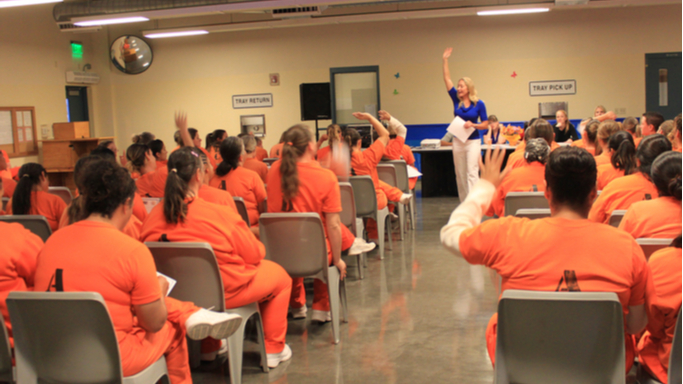
Key Takeaways
- Evidence-Based, Tailored Interventions: Emphasis on implementing scientifically validated and individualized intervention strategies to improve rehabilitation outcomes and reduce recidivism rates.
- Integration and Technological Innovations: Seamless incorporation of brief interventions into broader correctional programs, leveraging technology to enhance accessibility and effectiveness.
- Global Adoption with Regional Adaptations: Increasing worldwide adoption of structured brief interventions, with adaptations to meet regional specificities, resource availability, and population needs.
Introduction
The application of structured individual brief interventions in correctional settings has emerged as a pivotal strategy in global efforts to enhance rehabilitation and reduce recidivism. These interventions, characterized by their evidence-based foundations, targeted approaches, and adaptability, play a crucial role in addressing the multifaceted needs of incarcerated individuals. This comprehensive analysis explores the prevailing trends in the deployment of these interventions worldwide, highlighting key developments, regional variations, and future directions.
Evidence-Based Practices
Foundation of Interventions
Central to the effectiveness of brief interventions in correctional settings is the adoption of evidence-based practices. These practices are grounded in rigorous scientific research, ensuring that the interventions are both effective and efficient in achieving desired outcomes.
Key Evidence-Based Approaches
- Cognitive Behavioral Therapy (CBT): Utilized to modify maladaptive thought patterns and behaviors, CBT is a cornerstone in addressing issues such as substance abuse and criminal thinking.
- Motivational Interviewing (MI): This client-centered approach enhances motivation to change by resolving ambivalence, making it particularly effective in substance abuse interventions.
- Risk-Need-Responsivity (RNR) Model: Focuses on assessing and addressing the criminogenic needs that contribute to an individual's criminal behavior.
- Screening, Brief Intervention, and Referral to Treatment (SBIRT): A comprehensive approach that screens individuals for substance use disorders, provides brief interventions, and refers them to appropriate treatment services.
Implementation and Adaptation
The implementation of evidence-based practices involves adapting established methodologies to fit the unique environment of correctional facilities. This includes tailoring interventions to accommodate security protocols, limited resources, and the diverse needs of the inmate population.
Cost-Effectiveness and Efficiency
Economic Considerations
Correctional systems worldwide are under increasing pressure to manage limited resources effectively. Structured brief interventions offer a cost-effective solution by requiring fewer resources while still delivering significant positive outcomes.
Benefits of Cost-Effectiveness
- Resource Optimization: Short-duration interventions allow for the treatment of a larger number of inmates within constrained budgets.
- Reduced Recidivism Costs: By addressing underlying issues that contribute to re-offending, these interventions help lower long-term incarceration costs.
- Scalability: The structured nature of brief interventions facilitates their replication and scaling across various correctional facilities and jurisdictions.
Efficiency in Delivery
The structured format of brief interventions ensures that they can be delivered efficiently, often within a single session or a limited number of sessions. This efficiency is critical in environments where time and resources are at a premium.
Individualized and Tailored Approaches
Customization of Interventions
Recognizing the diversity within inmate populations, there is a significant trend towards tailoring brief interventions to meet individual needs. This customization enhances the relevance and effectiveness of the interventions.
Factors Influencing Tailoring
- Criminogenic Risks: Assessing and addressing specific risk factors that contribute to criminal behavior.
- Substance Use Patterns: Adapting interventions to the severity and type of substance use disorders present.
- Mental Health Status: Providing appropriate support for inmates with co-occurring mental health conditions.
- Cultural and Demographic Considerations: Ensuring interventions are culturally sensitive and relevant to the demographic composition of the inmate population.
Benefits of Tailored Approaches
Tailoring interventions to individual needs increases engagement, improves outcomes, and aligns with broader rehabilitative goals by addressing the specific challenges faced by each inmate.
Integration into Broad Correctional Programming
Seamless Incorporation
Structured brief interventions are increasingly being integrated into comprehensive correctional programs. This integration ensures that brief interventions complement other rehabilitative efforts, creating a cohesive and continuous care model.
Points of Integration
- Intake Processes: Incorporating brief assessments and interventions during initial intake to address immediate needs.
- Pre-Release Planning: Utilizing brief interventions to prepare inmates for reintegration, including goal setting and resource linkage.
- Institutional Transitions: Providing continuity of care during transitions within the correctional system, such as transfers between facilities.
- Post-Release Support: Ensuring ongoing support and follow-up through community-based services linked via brief interventions.
Comprehensive Continuum of Care
Integration into a broader continuum of care allows for the layering of different intervention strategies, ensuring that inmates receive multifaceted support that addresses various aspects of their rehabilitation journey.
Adoption Across Different Jurisdictions
Regional Implementations
The adoption of structured brief interventions varies across different regions, influenced by factors such as resource availability, policy frameworks, and cultural attitudes towards rehabilitation.
North America
- Widespread implementation of CBT and MI-based interventions supported by empirical studies and program evaluations.
- Integration with digital tools to facilitate remote delivery and enhance accessibility.
Europe
- Adoption of structured brief interventions coupled with technology-assisted methods.
- Emphasis on reducing recidivism through evidence-based and psychological interventions.
Developing Countries
- Growing interest in brief interventions despite resource constraints.
- Adaptation of cost-effective models to address local needs and institutional capacities.
Challenges in Diverse Settings
Implementing structured brief interventions in various jurisdictions presents unique challenges, including differing legal frameworks, resource limitations, and varying levels of institutional capacity. Overcoming these challenges requires tailored strategies that consider the specific context of each region.
Technological and Remote Innovations
Digital Delivery Methods
Advancements in technology have opened new avenues for delivering structured brief interventions in correctional settings. Digital platforms enable remote delivery, enhance accessibility, and maintain continuity of care, especially in remote or resource-constrained facilities.
Types of Technological Innovations
- Telehealth Services: Facilitating remote counseling and therapy sessions through video conferencing.
- Mobile Applications: Providing interactive tools for self-monitoring, goal setting, and receiving feedback.
- Computer-Assisted Interventions: Utilizing software programs to deliver standardized intervention modules.
- Virtual Reality (VR): Exploring immersive environments for behavioral training and skill development.
Enhancing Accessibility
Digital innovations ensure that brief interventions are accessible to a wider range of inmates, including those in remote locations or those with mobility constraints. This accessibility is crucial for maintaining consistent support and facilitating timely interventions.
Focus on Specific Populations
Targeted Interventions
Recognizing the varied needs within inmate populations, structured brief interventions are increasingly tailored to address the specific challenges faced by different subgroups. This focused approach enhances the relevance and effectiveness of interventions.
Key Populations
- Substance Use Disorders: Interventions designed to address addiction issues and support recovery.
- Mental Health Issues: Providing support for inmates with co-occurring mental health conditions.
- Individuals with Trauma Histories: Tailoring interventions to address past traumas that may influence behavior.
- Transgender Inmates: Developing inclusive policies and interventions that cater to the unique needs of transgender individuals.
Improving Engagement and Outcomes
By focusing on specific populations, interventions can be more precisely aligned with the needs of these groups, thereby improving engagement rates and overall rehabilitation outcomes.
Emphasis on Transition and Reentry
Facilitating Smooth Reintegration
Structured brief interventions play a critical role in preparing inmates for reintegration into the community. By addressing key aspects of living arrangements, employment, and social connections, these interventions lay the groundwork for successful reentry.
Strategies for Effective Transition
- Goal Setting: Helping inmates set realistic and achievable goals for life after release.
- Relapse Prevention: Developing strategies to prevent relapse into substance use or criminal behavior.
- Resource Linkage: Connecting inmates with community-based services and support systems.
- Follow-Up Care: Ensuring continuity of care through scheduled follow-ups and ongoing support.
Post-Release Support
Emphasizing the transition phase, brief interventions are utilized to establish connections between inmates and community resources, ensuring that support continues beyond incarceration. This post-release support is vital for maintaining progress and preventing reentry into the criminal justice system.
Global Implementation and Adaptation
Worldwide Adoption
The adoption of structured brief interventions in correctional settings is a global phenomenon, with various countries implementing these strategies to enhance their rehabilitation programs. The extent and manner of adoption vary based on regional factors and institutional capacities.
Implementation Across Continents
| Region | Implementation Status | Key Features |
|---|---|---|
| North America | Widespread adoption | Integration with digital tools, emphasis on CBT and MI-based interventions |
| Europe | Extensive use | Technology-assisted interventions, focus on reducing recidivism |
| Asia | Varied adoption | Emerging interest, adapting interventions to local contexts |
| Developing Countries | Growing interest | Cost-effective models, addressing substance abuse with limited resources |
Adapting to Local Contexts
Successful implementation requires adapting brief interventions to fit local cultural, social, and economic contexts. This involves modifying intervention content, delivery methods, and support structures to align with the specific needs and constraints of each region.
Challenges and Opportunities
Challenges in Implementation
Despite the promising trends, several challenges impede the widespread and effective implementation of structured brief interventions in correctional settings.
Key Challenges
- Adapting Community-Based Interventions: Translating interventions designed for community settings into the unique environment of prisons requires careful adaptation and consideration of security protocols.
- Limited Research: There is a scarcity of long-term studies evaluating the sustained impact of brief interventions within correctional populations.
- Resource Constraints: Even though brief interventions are cost-effective, limited resources can still pose significant barriers to their implementation and scaling.
- Staff Training: Effective delivery of brief interventions necessitates comprehensive training for correctional staff, which can be resource-intensive.
- Engagement and Compliance: Ensuring inmate engagement and compliance with intervention protocols remains a persistent challenge.
Opportunities for Enhancement
Addressing these challenges presents opportunities to refine and enhance the effectiveness of structured brief interventions in correctional settings.
Strategic Opportunities
- Innovative Delivery Methods: Exploring non-traditional delivery methods, such as telephone adaptive care models, can improve engagement and follow-up.
- Enhanced Training Programs: Investing in comprehensive training for correctional staff can improve the fidelity and effectiveness of intervention delivery.
- Collaborative Partnerships: Building partnerships between correctional institutions and behavioral health providers can facilitate more integrated and supportive intervention frameworks.
- Research and Evaluation: Conducting robust research to evaluate the long-term outcomes of brief interventions can provide valuable insights for continuous improvement.
Training and Collaboration
Capacity Building
Effective implementation of structured brief interventions relies heavily on the capacity of correctional staff to deliver these interventions competently. Training programs are essential to equip staff with the necessary skills and knowledge.
Components of Effective Training
- Comprehensive Curriculum: Covering theoretical foundations, practical skills, and intervention protocols.
- Ongoing Support: Providing continuous training opportunities and support to reinforce skills and address challenges.
- Interdisciplinary Collaboration: Encouraging collaboration between correctional officers, mental health professionals, and substance abuse counselors.
Collaborative Approaches
Collaboration between various stakeholders is critical for the successful implementation and sustainability of brief interventions in correctional settings.
Key Collaborative Strategies
-
Interagency Partnerships: Forming alliances between correctional facilities, healthcare providers, and community organizations to provide comprehensive support.
-
Shared Resources: Pooling resources and expertise to enhance the quality and reach of interventions.
-
Integrated Care Models: Developing care models that seamlessly integrate mental health, substance abuse, and criminal rehabilitation services.
Conclusion
The application of structured individual brief interventions in correctional settings is steadily transforming rehabilitation practices worldwide. Grounded in evidence-based methodologies, these interventions offer a cost-effective, efficient, and adaptable approach to addressing the complex needs of incarcerated individuals. As global correctional systems continue to embrace these strategies, the focus remains on tailoring interventions to individual needs, integrating them into broader programming, and leveraging technological innovations to enhance accessibility and effectiveness. Despite challenges such as resource constraints and the need for comprehensive staff training, the opportunities for improving rehabilitation outcomes and reducing recidivism through structured brief interventions are substantial. Continued research, collaborative efforts, and adaptive implementation will further solidify the role of these interventions in fostering successful reintegration and sustainable behavioral change among offenders.
References
Last updated February 8, 2025