
Global Trends in Structured Individual Brief Interventions within Correctional Settings
Enhancing Rehabilitation through Evidence-Based, Personalized Approaches
Key Takeaways
- Evidence-Based and Tailored Approaches: Correctional facilities worldwide are increasingly adopting evidence-based brief interventions tailored to individual needs.
- Integration with Comprehensive Rehabilitation: These interventions are being integrated into broader rehabilitation and case management frameworks to ensure continuity of care.
- Emphasis on Mental Health and Substance Abuse: A significant focus is placed on addressing mental health issues and substance abuse, which are prevalent within inmate populations.
Introduction
The application of structured individual brief interventions in correctional settings has emerged as a pivotal strategy in global correctional practices. These interventions, characterized by their short, focused, and personalized nature, aim to address specific behavioral and psychological needs of inmates. By doing so, they contribute significantly to the rehabilitation process, reduce recidivism rates, and support successful reintegration into society.
Evidence-Based Practices
Adoption of Proven Therapeutic Models
Correctional systems worldwide are placing a strong emphasis on evidence-based practices. Structured brief interventions, often rooted in cognitive-behavioral therapy (CBT) and motivational interviewing, are being systematically implemented due to their proven effectiveness in addressing substance abuse, mental health disorders, and other behavioral issues prevalent in inmate populations.
These interventions are designed to be time-efficient, making them suitable for environments where resources are limited. They provide targeted support that can lead to immediate behavioral changes and long-term positive outcomes for inmates.
Cognitive Behavioral Therapy (CBT)
CBT has become a cornerstone of structured brief interventions in correctional settings. By focusing on altering negative thought patterns and behaviors, CBT helps inmates develop coping strategies and problem-solving skills essential for reducing criminal behavior and preventing reoffending.
Motivational Interviewing
Motivational interviewing is employed to enhance an inmate's intrinsic motivation to change. This client-centered approach facilitates open dialogue, allowing individuals to explore and resolve ambivalence towards behavior change, thereby increasing the likelihood of successful rehabilitation.
Personalized and Tailored Interventions
Assessment and Individualization
A significant trend in correctional settings is the move towards personalized interventions. This begins with comprehensive assessments that evaluate the individual needs, risks, and strengths of each inmate. Based on these assessments, interventions are tailored to target specific areas such as substance abuse, mental health, anger management, and criminal thinking patterns.
Cultural and Linguistic Adaptations
Recognizing the diversity within correctional populations, interventions are being adapted to meet cultural and linguistic needs. This ensures that programs are relevant, respectful, and effective for individuals from various backgrounds, enhancing engagement and outcomes.
Gender-Specific Programs
Gender-specific brief interventions are gaining traction, addressing the unique challenges faced by male and female inmates. Tailoring interventions based on gender ensures that programs are better aligned with the specific behavioral and psychological needs of different genders.
Trauma-Informed Care
Integrating trauma-informed care into brief interventions is another emerging trend. Understanding that many inmates have experienced trauma, interventions are designed to provide a supportive environment that acknowledges and addresses past traumas, facilitating deeper healing and behavioral change.
Integration with Comprehensive Rehabilitation Strategies
Holistic Case Management
Structured brief interventions are increasingly being integrated into holistic case management systems. This integration ensures that interventions are part of a broader rehabilitative framework that includes risk assessments, individualized rehabilitation plans, and continuity of care services.
Continuity of Care Post-Release
Emphasizing the importance of post-release support, brief interventions often extend beyond incarceration, aiming to bridge the gap between prison and community services. This continuity of care is crucial for maintaining behavior changes and supporting successful reintegration into society.
Referral Systems
Effective referral systems are established to connect inmates with community-based services upon release. This includes access to mental health services, substance abuse treatment, vocational training, and housing support, providing a seamless transition and reducing the likelihood of recidivism.
Linkages with Community Organizations
Collaborations with community organizations play a vital role in ensuring that inmates receive the necessary support after release. These partnerships enhance the effectiveness of brief interventions by providing ongoing resources and assistance.
Focus on Mental Health and Substance Abuse
Prevalence of Mental Health Issues
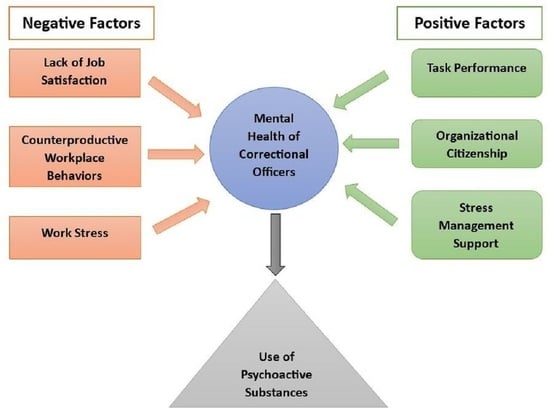
Mental health disorders and substance abuse are highly prevalent in correctional populations. Structured brief interventions prioritize these areas, providing targeted support to address these critical issues. By focusing on mental health and substance abuse, interventions aim to reduce the underlying factors that contribute to criminal behavior.
Screening, Brief Intervention, and Referral to Treatment (SBIRT)
The SBIRT approach is widely adopted in correctional settings to identify and address substance use disorders. This multi-tiered strategy involves screening inmates for substance use, providing brief interventions to those at risk, and referring individuals with more severe issues to specialized treatment programs.
Implementation of SBIRT
Implementing SBIRT in corrections involves training staff to conduct screenings and deliver brief interventions effectively. This ensures that inmates receive timely support for substance use issues, which is crucial for their rehabilitation and reducing the risk of relapse post-release.
Effectiveness of SBIRT
Studies have shown that SBIRT is effective in reducing substance abuse and related risky behaviors among inmates. By addressing substance use early, these interventions help mitigate factors that contribute to continued criminal behavior.
Integration of Technology and Telehealth
Digital Tools for Assessment and Intervention Delivery
The use of technology in delivering structured brief interventions is a growing trend. Digital tools facilitate the assessment process, track inmate progress, and deliver intervention content efficiently. This technological integration enhances the accessibility and scalability of interventions within correctional settings.
Telehealth Services
Telehealth platforms are increasingly being utilized to deliver mental health and substance abuse interventions, especially in regions with limited access to trained professionals. Telehealth ensures that inmates receive consistent and quality care, regardless of geographical and logistical constraints.
Advantages of Telehealth
Telehealth offers several advantages, including reduced wait times, increased privacy, and the ability to reach a larger number of inmates simultaneously. It also supports continuity of care by providing ongoing support even after inmates are released.
Challenges of Technology Integration
While the integration of technology presents numerous benefits, it also poses challenges such as ensuring data security, maintaining confidentiality, and providing adequate training for staff to effectively use these digital tools.
Training and Capacity Building
Staff Training Programs
Effective implementation of structured brief interventions requires ongoing training and capacity building among correctional staff. Training programs equip staff with the necessary skills and knowledge to deliver interventions effectively, ensuring high-quality care for inmates.
Continuous Professional Development
Continuous professional development programs are essential to keep staff updated on the latest intervention techniques and evidence-based practices. This commitment to ongoing education enhances the overall effectiveness of brief interventions.
Role of Non-Specialist Staff
Task-shifting models, where non-specialist staff are trained to deliver brief interventions, are emerging, particularly in resource-constrained settings. This approach expands the reach of interventions without overburdening specialized professionals.
Integration with Broader Correctional and Rehabilitation Strategies
Holistic Rehabilitation Frameworks
Structured brief interventions are not standalone programs but are integrated into comprehensive rehabilitation frameworks. These frameworks encompass various aspects of offender management, including risk assessments, individualized rehabilitation plans, and post-release support systems.
Risk Assessment and Responsivity
Incorporating risk assessment tools and responsivity principles ensures that interventions are appropriately matched to the risk levels and specific needs of each inmate. This alignment enhances the effectiveness of interventions in promoting rehabilitation and reducing recidivism.
Risk-Need-Responsivity Model
The Risk-Need-Responsivity (RNR) model is widely adopted to guide the integration of brief interventions. This model emphasizes assessing an inmate's risk of reoffending, targeting criminogenic needs, and matching intervention methods to the individual's learning style and capabilities.
Continuity of Care Programs
Continuity of care programs ensure that support services extend beyond the confines of correctional institutions. These programs are essential for maintaining the gains achieved during incarceration and facilitating a smooth transition into community life.
Challenges and Future Directions
Implementation Challenges
Despite the recognized benefits, the implementation of structured brief interventions faces several challenges. These include securing adequate funding, ensuring consistent training for staff, and overcoming resistance to change within correctional institutions.
Adaptation to Custodial Settings
Adapting community-based interventions to the unique environment of correctional settings requires careful consideration. Factors such as security protocols, inmate population diversity, and institutional culture must be addressed to ensure the effectiveness of interventions.
Evaluation and Research
There is a need for more rigorous research and evaluation of structured brief interventions within correctional settings. Systematic reviews and outcome evaluations help in understanding the impact of these interventions, informing policy decisions, and guiding best practices.
Measuring Outcomes
Developing robust metrics to assess the success of interventions is crucial. Outcomes such as reduced recidivism rates, improved mental health status, and enhanced rehabilitation progress are key indicators of effectiveness.
Securing Funding and Resources
Sustainable funding is essential for the continued implementation and expansion of structured brief interventions. Advocating for policy changes and demonstrating the cost-effectiveness of these interventions can aid in securing necessary resources.
Conclusion
The trend towards implementing structured individual brief interventions in correctional settings worldwide signifies a progressive shift towards more effective, evidence-based, and personalized rehabilitation strategies. By addressing substance abuse, mental health issues, and other criminogenic needs through tailored interventions, correctional systems are enhancing their capacity to rehabilitate offenders and reduce recidivism. The integration of these interventions into comprehensive rehabilitation frameworks, supported by ongoing training and technological advancements, underscores a commitment to fostering positive behavioral changes and facilitating successful reintegration into society. Despite the challenges in implementation and the need for further research, the global adoption of structured brief interventions represents a significant advancement in correctional practices, promoting a more humane and effective approach to offender management.
References
Last updated February 8, 2025