
Hard Interview Questions for Student Council
Comprehensive Guide to Challenging Interview Prompts and Effective Strategies
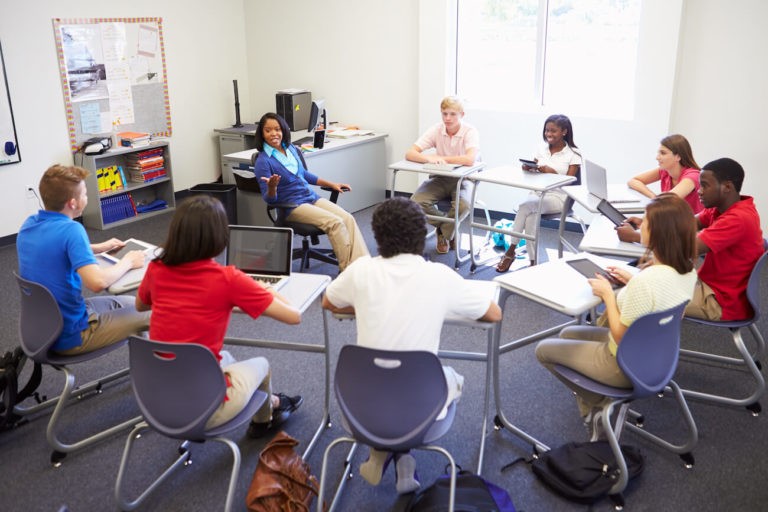
Key Highlights
- Leadership and Problem-solving: Questions that reveal a candidate’s ability to lead, resolve conflicts, and make tough decisions.
- Communication and Teamwork: Prompts that assess your interpersonal skills and teamwork, including handling disagreements and effective outreach.
- Vision and Commitment: Inquiries designed to explore your goals for the student council and your dedication to both the role and your peers.
Introduction
Preparing for an interview with the student council is an opportunity to display your leadership qualities, problem-solving skills, and your vision for improving the school community. These interviews are designed not only to evaluate past experiences but also to gauge your potential to face future challenges. The questions can be challenging, often requiring thoughtful insight into personal experiences and a solid understanding of the issues currently affecting your school.
The following guide offers an in-depth look at some of the hardest interview questions frequently posed during student council interviews. This guide covers various aspects, including leadership challenges, conflict resolution, time management, inclusivity, and personal reflection. Each section provides sample questions and strategies on how to structure your responses using specific approaches like the STAR method (Situation, Task, Action, Result), ensuring your answers are both compelling and reflective of your true potential.
Leadership and Problem-Solving
Challenging Leadership Scenarios
Interviews for student council roles often start by testing your leadership experience and your ability to navigate complex situations. You might be asked:
Example Questions
- "What is the most difficult decision you've ever had to make in a leadership position? How did you arrive at the decision, and what was the result?"
- "Describe a time when you faced a significant challenge with a group project or team. What obstacles did you face, and how did you overcome them?"
- "Tell me about a situation where you solved a problem using a unique or creative strategy. What did you learn from the experience?"
- "What is the toughest group you have ever led, and how did you manage the differences within that group?"
When addressing these questions, it is important to think about specific instances when you took initiative. Structure your answers by first setting the context (the situation), describing what needed to be done (the task), explaining the process you followed (the action), and finally detailing the outcome (the result). Emphasizing the learning outcome from each experience demonstrates not only your problem-solving skills but also your resilience and ability to learn from adversity.
Approach to Problem-Solving
Your responses should communicate that you can effectively analyze and resolve problems under pressure. Whether it is juggling multiple responsibilities or mediating conflicts, the key is to highlight your systematic approach and readiness to tackle obstacles. For example, you might discuss a time when you implemented an unconventional solution that resulted in significant improvements for your team.
Communication and Teamwork
Effective Communication Strategies
A crucial part of being an effective student council member is the ability to clearly communicate with a diverse range of individuals. Interviewers may present scenarios that test how you handle communication challenges, such as disagreements or misunderstandings with peers, teachers, or administration.
Example Questions
- "Give an example of a time when you had to successfully communicate with someone you didn’t initially see eye-to-eye with. How did you bridge that gap?"
- "How would you handle a situation in which there is a significant disagreement during a meeting?"
- "If elected, how would you encourage participation among students who feel disconnected from the school community?"
- "Describe a situation where you used your interpersonal skills to resolve a conflict or disagreement."
When responding, focus on your active listening skills, ability to articulate your thoughts clearly, and strategies for finding common ground. Explain your process of acknowledging the other person’s views, proposing compromises, and guiding the discussion towards solutions that benefit all parties. This not only shows your ability to interact with varied individuals but also your commitment to creating a harmonious school environment.
Teamwork in Action
Being part of a team means that success does not rely solely on individual achievements, but rather on collective effort. Your answers should highlight ways in which you’ve collaborated with others. This can include coordinating with peers on school projects or organizing events that require cooperative efforts from multiple groups.
Vision, Objectives, and Personal Commitment
Establishing a Clear Vision
A pivotal aspect of the interview process is demonstrating your vision for the role. Interviewers want to be assured that you’ve thought deeply about the future of your school community. Questions in this category often target your ideas for change, your understanding of present issues, and your long-term objectives as a student leader.
Example Questions
- "What issues do you foresee affecting our student body this coming year, and how do you propose to address them?"
- "How do you plan to balance your academic responsibilities while contributing meaningfully to the student council?"
- "What ideas do you have to make the student council a more inclusive space for everyone, including underrepresented groups?"
- "Can you outline some new initiatives you would introduce to improve student engagement and the overall school experience?"
In your response, be clear about your objectives and the measures you plan to introduce. For instance, you might discuss organizing regular town hall meetings, launching feedback surveys, or initiating mentorship programs. These actionable goals illustrate that you are prepared to take calculated steps toward achieving tangible improvements.
Demonstrating Personal Commitment
Lastly, the interview will also seek to uncover your genuine motivation for running and your ability to commit the necessary time and energy. Be prepared to demonstrate how your previous experiences and personal values align with the responsibilities of a student council member.
Example Questions
- "What motivates you to run for student council, and what qualities do you believe are essential for a student leader?"
- "How do you plan to manage your time effectively to meet the responsibilities of this position?"
- "What personal traits do you think have helped you succeed in previous leadership roles, and how will they benefit your performance on the council?"
Illustrate with specific examples how your determination, time management skills, and passion for your school have prepared you for the challenges ahead. Emphasizing these personal experiences reassures the interviewers that you are both capable and deeply invested in the role.
Detailed Analysis of Hard Interview Questions
Table of Challenging Interview Questions and Strategies
Below is a table that provides a comprehensive breakdown of challenging interview questions, the core competencies each question assesses, and strategies to answer them effectively.
| Interview Question | Core Competency Assessed | Suggested Response Strategy |
|---|---|---|
| "What is the most difficult decision you've ever made in a leadership position, and what was the outcome?" | Decision Making & Problem Solving | Use the STAR method to detail the situation, task, actions taken, and final result. Highlight teamwork and lessons learned. |
| "Describe a time when you faced multiple responsibilities or dealt with a challenging individual." | Time Management & Communication | Focus on your prioritization skills, delegation, and clear communication methods to manage stress and responsibilities. |
| "How do you plan to address current issues affecting our student body?" | Vision & Problem Resolution | Discuss specific school challenges, propose actionable solutions, and show that you have a clear vision for positive change. |
| "How would you encourage participation among students who feel disconnected from the school community?" | Inclusivity & Community Building | Mention strategies like organizing town hall meetings, surveys, and mentorship programs to involve all student voices. |
| "What personal qualities do you believe are essential for student leadership?" | Self-awareness & Personal Commitment | Emphasize traits such as resilience, honesty, empathy, and the ability to learn from experiences, supported by personal examples. |
| "How will you balance the responsibilities of student council with your academic workload?" | Time Management | Describe specific organizational tools and strategies, such as using planners or digital apps, to effectively manage your schedule. |
Preparation Tips and Interview Best Practices
Research and Reflect
Before your interview, conduct thorough research on current issues affecting your school along with student council roles and responsibilities. This proactive approach not only helps you answer vision-oriented questions but also positions you as well-informed and prepared. Review school announcements, past council initiatives, and gather input from fellow students to better understand the needs of the community.
Practice with the STAR Method
The STAR method provides a structured framework to answer behavioral questions effectively. Situation: Briefly describe the context and background of a scenario. Task: Explain the challenge or responsibility involved. Action: Detail the specific steps you took to resolve the issue. Result: Conclude with the outcome and what you learned from the experience. Practicing this method will ensure that your responses remain clear, concise, and structured.
Show Authenticity and Passion
Authenticity is crucial. Interviewers are not just looking for perfect answers but for a genuine candidate who is passionate about making a difference. Share personal stories that reveal your true motivations. Explain why you are interested in serving on the council and how your unique experiences have prepared you for the challenges ahead. This candid approach helps build credibility and fosters a connection with your interviewers.
Openness to Feedback and Self-Improvement
Demonstrate your willingness to learn by acknowledging experiences where you faced challenges and later improved upon them. This could be a time when a leadership decision did not go as planned but taught you valuable lessons in communication or strategy. Explaining how you used constructive feedback to become a better leader shows maturity and a commitment to growth.
Interactive Q&A and Additional Resources
Frequently Asked Questions
Q: How can I prepare for unexpected questions?
A: Prepare by practicing under timed conditions with a friend or mentor. Mock interviews help you think on your feet and refine clear, concise responses.
Q: What if I don't have direct leadership experience?
A: Focus on any experiences that exhibit leadership qualities, such as managing group projects, volunteering, or other informal roles. Highlight transferable skills like communication, teamwork, and problem resolution.
Q: How detailed should my responses be?
A: Aim for a balanced answer where you provide enough context without overloading details. Use the STAR method to keep your answers structured and focused.
Further Reading and External Resources
To further enhance your preparation, review the following resources which include sample questions, deeper insights, and tips curated by professionals in the field:
- Student Council Interview Questions - Studocu
- Interview Questions for Leaders - FSU
- Student Leadership Tips - UTM
- School Council Interview Tips - Involver
- Student Government Interview Strategies - Carreersupport
Additional Interview Preparation Tools
Recommended Preparation Strategies
Along with reviewing and practicing common interview questions, consider engaging in the following activities:
- Mock Interviews: Participate in simulated interviews with teachers, mentors, or peers to receive feedback on your communication style.
- Reflective Journaling: Keep a diary of your leadership experiences and challenges. Reflect on what you learned from each experience.
- Group Discussions: Join study groups or leadership forums where you can discuss common challenges and effective strategies.
- Time Management Workshops: Attend workshops or sessions focused on balancing responsibilities, especially if you are juggling academics with extracurricular activities.
- Self-assessment Tools: Use online quizzes and personality tests to identify your leadership strengths and areas for improvement.
Utilizing Technology
In today’s digital era, leveraging technology can greatly enhance your preparation. Tools such as digital planners, reminder apps, and even video recordings of your mock interviews can provide valuable insights into your areas of strength and opportunities for growth. This also shows interviewers that you are organized and proactive, key traits of successful student council members.
References
- Student Council Interview Questions - Studocu
- Interview Questions for Leaders - FSU
- Student Leadership Interview Tips - UTM
- School Council Interview Questions - Involver
- Student Government Interview Strategies - Carreersupport
Recommended
Last updated March 15, 2025