
Bridging Generations: Unlocking the Potential of Student Companionship in Elder Care
A comprehensive feasibility analysis of connecting college students with nursing home residents for enhanced well-being.
Key Insights into Your Intergenerational Companionship Business
- Robust Market Demand: The rapidly aging global population, coupled with increasing recognition of loneliness and social isolation among seniors, creates a significant and sustained need for dedicated companionship services, particularly in nursing homes.
- Strategic Competitive Advantage: Your direct partnership model with nursing homes, combined with leveraging a flexible college student workforce, offers a unique value proposition that differentiates you from traditional home care agencies and fragmented online platforms.
- Promising Profitability with Navigable Challenges: While startup costs are moderate, the proposed revenue model of a $20 hourly cut per $50 session presents strong profit margins. However, careful navigation of regulatory complexities, especially regarding Social Security funding, and effective operational scaling will be crucial for long-term financial success.
Understanding the Compelling Market Need for Elder Companionship
The concept of connecting college student companions with elderly individuals in nursing homes addresses a critical and expanding market need. The world is experiencing a significant demographic shift, with over 10,000 people in the U.S. alone turning 65 each day. This burgeoning senior population is driving an increasing demand for services tailored to their unique needs, making the elder care sector inherently resilient, even in economic downturns.
A major challenge within this demographic, particularly for residents in nursing homes and assisted living facilities, is social isolation and loneliness. While nursing homes provide essential medical and personal care, they often face staffing limitations that restrict the provision of consistent, personalized social interaction and emotional support. Family members may live far away or have busy schedules, leaving a considerable gap in companionship that traditional care models struggle to fill. Research consistently highlights the detrimental impact of loneliness on seniors' mental, emotional, and physical well-being, underscoring the vital role of companionship.
Your business model, focusing on non-medical companion care, directly targets this unmet need. Companion care, distinct from skilled nursing, emphasizes social interaction, engagement in hobbies, shared meals, light assistance with non-medical tasks, and transportation. Existing programs like Papa (Papa Pals) and StudentsCare's "Senior Buddies" have already validated the market for intergenerational companionship, demonstrating its benefits and the willingness of families and seniors to invest in such services. The appeal of your service also extends to the college student demographic, who are often seeking flexible, part-time work that can easily fit around their academic schedules. This dual demand—from seniors needing connection and students needing employment—creates a robust foundation for your venture.
While Social Security benefits are primarily for living expenses, their potential use for companionship services warrants careful investigation. Some seniors or their families might allocate personal funds from Social Security, or such services could potentially be covered by certain flexible healthcare spending plans or supplemental Medicare Advantage coverages, though direct Medicare coverage for non-skilled companion care is generally unlikely. Clarifying these payment mechanisms will be paramount for widespread adoption.
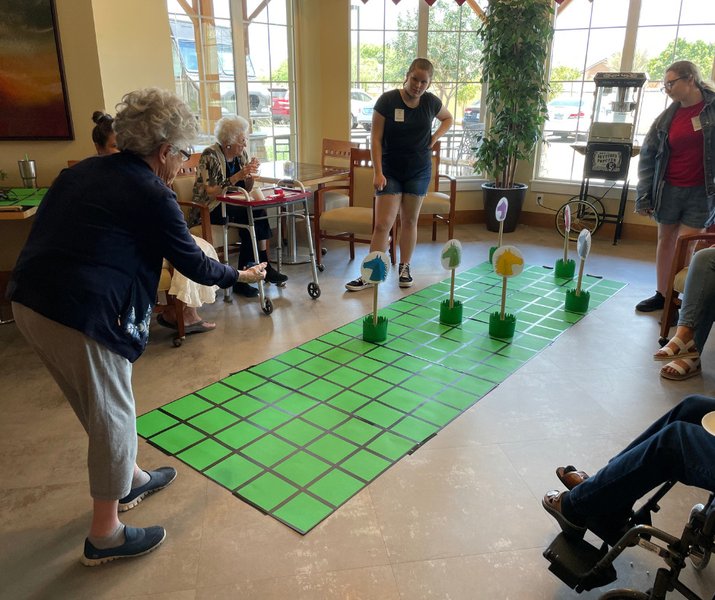
College students engaging with seniors, showcasing the positive impact of intergenerational companionship.
Navigating the Competitive Landscape
The elderly companionship market, while ripe with opportunity, is not without its competitors. Understanding these players is crucial for carving out your unique niche and establishing a sustainable business.
Key Competitor Categories:
Online Platforms & Specialized Services
- Papa (papa.com): A prominent player, Papa connects "Papa Pals" (often college students) with seniors for companionship, transportation, and daily tasks, offering both in-person and virtual interactions. They have successfully partnered with health plans and Medicare Advantage programs, posing a direct competitive threat.
- CareYaya: This platform specifically employs college students for companion-level care, including non-medical support like dementia care, often at competitive hourly rates for recurring sessions.
- StudentsCare Senior Buddies: While often volunteer-based, this program focuses on fostering intergenerational relationships through group activities and one-on-one companionship, highlighting the value of structured student-senior interactions.
Traditional Home Care Agencies
- Companies like Comfort Keepers, BrightStar Care, Senior Helpers, and Preferred Care at Home offer companion care services alongside medical and personal care. Their primary focus is often on home-bound clients, but they do provide services that overlap with your offering.
Independent Caregivers & Job Platforms
- A fragmented market exists where individuals offer companion services independently, often through word-of-mouth or online listings on platforms like Indeed, ZipRecruiter, SimplyHired, Care.com, and Sittercity. These platforms host thousands of job postings for senior companions, indicating a broad pool of both potential companions and clients.
Nursing Home Internal Staffing
- Nursing homes have their own staff, but their primary focus is typically on medical and direct care, often leaving a gap in dedicated social companionship. However, nursing homes might expand their in-house activities programs, as seen with some community-focused initiatives.
Your Differentiator:
Your business plan holds a significant competitive advantage through its direct partnership model with nursing homes. Most existing platforms focus on individual client connections rather than institutional collaborations. By integrating companionship as a formal part of elder care within nursing homes, you can leverage their existing infrastructure for client acquisition and offer a streamlined service that is difficult for individual caregivers or general platforms to replicate. Your focus on college students also brings a unique, dynamic, and engaging intergenerational connection that traditional caregivers may not offer.
Financial Blueprint: Startup Costs and Long-Term Profitability
Understanding the financial implications is paramount for the success of your intergenerational companionship service. While startup costs can vary, the proposed revenue model offers a promising path to long-term profitability.
Estimating Startup Costs
The initial investment for launching your elderly companion service, focusing on direct nursing home partnerships and college student recruitment, is estimated to range from **$30,000 to $75,000**. This range accounts for various essential components, from legal necessities to technology infrastructure.
| Category | Estimated Cost Range (Initial) | Description & Relevance |
|---|---|---|
| Legal & Licensing Fees | $500 – $2,000 | Incorporation, business registration, state and local permits for home care/companion services, drafting contracts with nursing homes and student companions. This ensures legal compliance and sets the operational framework. |
| Insurance Premiums | $3,000 – $7,000 (annually) | Essential liability insurance to protect against unforeseen incidents and worker's compensation coverage for student companions. This is a critical ongoing cost. |
| Recruitment & Training | $5,000 – $15,000 | Costs for campus recruitment drives, advertising, comprehensive vetting (background checks, drug tests, driving records), and initial onboarding/training for student companions (social skills, elder care basics, ethical guidelines). |
| Technology Platform | $15,000 – $40,000 | Development or subscription to a custom app or web platform for efficient scheduling, hour tracking, payment processing, and communication among seniors, nursing homes, and students. This is a significant expense but crucial for scalability and operational efficiency. |
| Marketing & Branding | $5,000 – $12,000 | Developing promotional materials, building a brand identity, initial outreach campaigns targeting nursing homes, college campuses, and potentially families/seniors directly. |
| Administrative & Miscellaneous | $5,000 – $10,000 | Potential for small office space (optional), operational staff salaries (e.g., coordinator), payroll management systems, office supplies, and other initial setup expenses. |
It's worth noting that while some sources suggest very low "shoestring startup" costs for individual caregivers, your proposed model of a structured business partnering with institutions necessitates a more substantial initial investment.
Path to Long-Term Profitability
Your proposed revenue model—charging $50/hour, paying students $30/hour, and retaining $20/hour (a 40% gross margin)—is a strong foundation for profitability, assuming consistent demand and efficient operations.
Revenue Model Analysis:
- Hourly Rate Competitiveness: The national median cost for non-medical in-home care in 2025 is approximately $33 per hour, with specific companion care ranging from $31 to $35 per hour. Your proposed $50/hour rate is on the higher end but can be justified by the specialized intergenerational connection, convenience for nursing homes, and the perceived premium value. It's crucial to continuously monitor competitor rates.
- Student Compensation: Your proposed $30/hour for students is competitive, even premium, compared to many advertised student caregiver jobs (often $18-$20/hour) or general elderly companion roles ($16-$22/hour). This competitive pay can attract and retain high-quality student companions.
Profitability Scenarios:
To illustrate potential earnings, consider these scenarios:
- Pilot Phase (10 Companions): If you have 10 student companions, each working an average of 20 hours per week, this equates to 200 hours of service weekly.
- Weekly Gross Revenue: 200 hours × $50/hour = $10,000
- Weekly Companion Wages: 200 hours × $30/hour = $6,000
- Weekly Gross Profit (before operating expenses): 200 hours × $20/hour = $4,000 (approximately $16,000 per month)
- Scaled Operations (100 Companions): Expanding to 100 companions working an average of 20 hours per week each would generate 2,000 service hours weekly.
- Weekly Gross Profit: 2,000 hours × $20/hour = $40,000 (approximately $160,000 per month before operating expenses)
These figures demonstrate significant revenue potential if scalability is achieved.
Visualizing Business Feasibility and Profitability
To provide a clearer perspective on the various facets influencing your business's feasibility and profitability, the radar chart below illustrates perceived strengths and areas requiring strategic focus. This qualitative assessment combines market insights with operational considerations.
This chart visually represents that areas like "Market Demand" and "Scalability Potential" are strong suits, while "Regulatory Navigability" requires more focused attention. Achieving the "Optimized Potential Score" would involve strategic planning, legal consultation, and effective operational execution in weaker areas.
Operational Considerations and Key Success Factors
Beyond the financial model, several operational aspects and strategic considerations will dictate the long-term success of your business.
Regulatory and Legal Landscape
The use of Social Security funds for non-medical companion care is a critical area requiring thorough investigation. While seniors can generally use their benefits for living expenses, direct payment to your service from Social Security may be complex. Medicare typically does not cover non-skilled companion care. Medicaid *might* in some states, depending on specific program rules and if the service is deemed necessary for maintaining independence. Consulting with geriatric care managers, social workers, or legal experts specializing in elder care regulations in your target states will be essential to understand potential funding avenues and compliance requirements. This may include exploring partnerships with Medicare Advantage plans, which increasingly offer supplemental benefits for non-medical services.
Quality Control and Training
The reputation of your service will hinge on the quality of your student companions. Implementing a rigorous screening process, including comprehensive background checks, drug tests, and potentially driving record checks, is crucial. Beyond basic vetting, a structured training program is vital. This training should cover:
- Social Skills: Enhancing communication, active listening, and empathetic interaction.
- Eldercare Basics: Understanding common senior needs, safe interaction practices, and awareness of conditions like dementia.
- Professionalism and Ethics: Maintaining boundaries, confidentiality, and reliability.
- Activity Engagement: Ideas for engaging seniors in meaningful activities (reading, games, conversation, light walks).
Ongoing support and feedback mechanisms for students will also be important for continuous quality improvement.
Scalability and Strategic Partnerships
The business model is highly scalable. As the senior population continues to grow, and demand for personalized companionship increases, there is significant potential for expansion across different regions and nursing home networks. Strategic partnerships will be key:
- Nursing Homes: Developing strong, mutually beneficial relationships with nursing home administrators is paramount for client acquisition and operational efficiency.
- Colleges: Establishing formal recruitment channels with university career centers, student organizations, and academic departments (e.g., social work, psychology, nursing) can ensure a consistent supply of motivated student companions.
- Healthcare Providers/Community Organizations: Collaborating with local healthcare networks or senior community centers can enhance credibility and lead to increased referrals.
A Holistic View: Intergenerational Companionship Mindmap
This mindmap summarizes the core elements, considerations, and potential benefits of your proposed intergenerational companionship business. It illustrates how various components interlink to form a comprehensive operational framework.
Understanding "Grandkids on Demand" Through Video
To further illustrate the viability and societal impact of intergenerational companionship, consider the "Papa Pals" model, which shares many similarities with your business concept. The video below provides an insightful look into how Papa connects younger individuals with seniors, often for social support and assistance with daily tasks, essentially creating "grandkids on demand."
How Papa Provides "Grandkids on Demand" | Freethink
This video highlights the emotional and practical benefits that arise when different generations connect. It showcases how such services fill a crucial void, providing companionship and assistance that not only improves the quality of life for seniors but also offers flexible and meaningful opportunities for younger individuals. By focusing on genuine interaction and support, Papa has demonstrated a successful, scalable model, offering a valuable blueprint for your own venture into directly partnering with nursing homes.
Frequently Asked Questions (FAQ)
What is the primary market need for this service?
How does this business model differentiate from existing competitors?
Can Social Security benefits directly cover the cost of these companion services?
What are the most significant startup costs for this type of business?
What is the potential for long-term profit with a $20 hourly cut?
Conclusion: A Timely and Impactful Venture
Your business idea to connect college student companions with elderly residents in nursing homes is not only highly feasible but also timely and impactful. It addresses a profound societal need for combating loneliness and enhancing the quality of life for seniors, while simultaneously providing flexible, meaningful employment opportunities for college students. The market demand is robust, driven by an aging population and increasing awareness of the importance of social well-being in elder care. Your strategic focus on direct partnerships with nursing homes offers a unique competitive advantage, enabling a more integrated and scalable service model than many existing individual-to-individual platforms.
While navigating regulatory complexities, particularly concerning the use of Social Security funds for payment, will require diligent legal consultation, the overall financial model presents a strong potential for profitability. The proposed $20 hourly cut on a $50 session allows for healthy margins, provided that operational efficiencies are maintained and effective recruitment and training programs are in place. By prioritizing quality of companionship, building strong institutional relationships, and investing in a user-friendly technological backbone, your venture has the potential to not only be financially successful but also to create a lasting positive impact on communities by bridging generational divides.
Recommended Further Exploration
- In-depth analysis of Medicare Advantage supplemental benefits for non-medical care
- Strategies for building robust partnerships with nursing homes for companion services
- Best practices for recruiting and training college student companions for seniors
- Comparative analysis of technology platforms for elder care scheduling and payment