
Understanding Student Preferences for Food Delivery Platforms
Exploring the interplay of convenience, cost, and quality in student-centered services
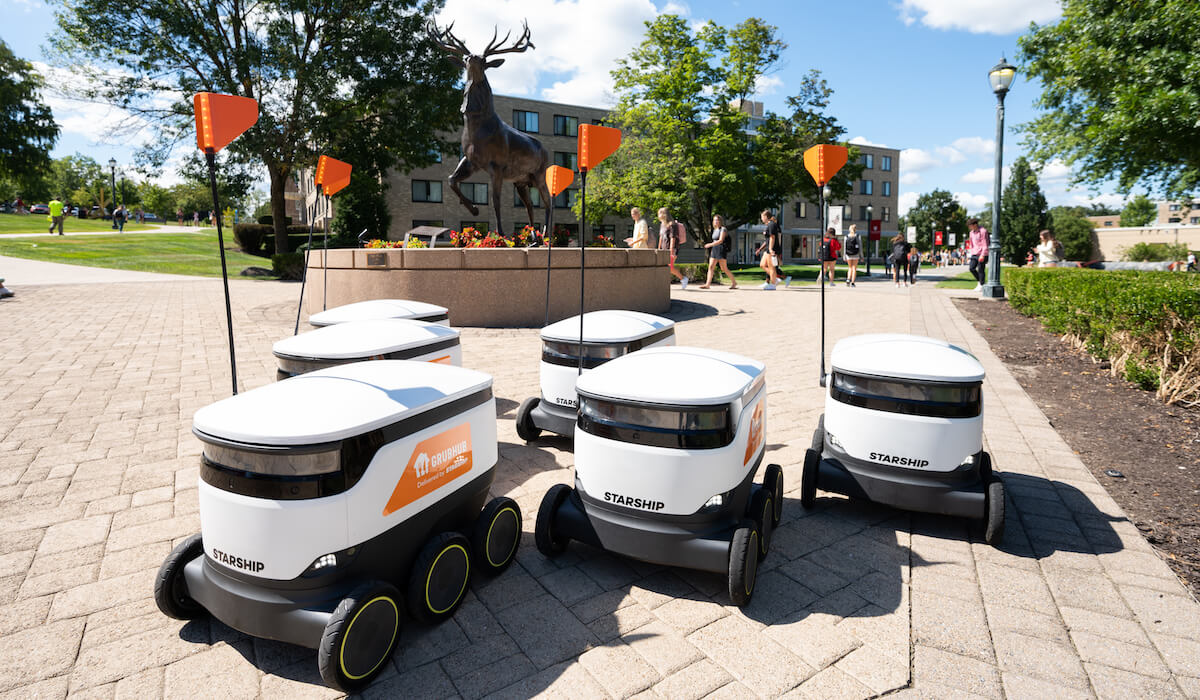
Key Highlights
- Balance between Convenience and Cost: Students critically weigh the ease of accessing food against the additional fees and expenses.
- Impact on Budget and Health: Financial limitations and health considerations (nutrition, sustainability) drive students’ choices on food delivery.
- Critical Service Factors: Service quality, timely delivery, and digital user experience are essential factors alongside cost and convenience.
State of the Problem
The rapid expansion of food delivery platforms and the increasing reliance of students on these services provide an interesting landscape to study. Student populations are scrutinizing multiple facets of these platforms, focusing primarily on the dualism of convenience and cost. While convenience factors such as speed, accessibility, and ease of use are highly valued, students are also consistently mindful of the financial strains that come with using these services. The overall state of the problem revolves around the following critical issues:
1. Balancing Convenience and Cost Efficiency
Understanding the Financial Constraints
For many students, budget constraints are an everyday reality. This demographic often operates on limited financial resources, dictated by tuition, living expenses, and part-time income. Food delivery platforms, while providing an expeditious solution to meal procurement, add an additional layer of cost through service fees, delivery charges, and tipping customs. When a student considers ordering a meal, the base price may appear reasonable; however, hidden expenses can raise the final cost by 50% or more. This premium cost is justified by the convenience of having food delivered directly to their door in a timely manner, but the financial burden can dissuade frequent usage.
In this respect, the convenience factor offers undeniable benefits for time-poor students juggling academic responsibilities, extracurricular commitments, and sometimes part-time employment. Yet, the increased cost can lead to a paradox where the same promise of convenience results in a long-term financial strain. The dilemma is compounded by recurring impulsive orders, triggered by app notifications and limited-time promotional offers that often lead to overspending.
Long-Term Implications on Spending Habits
The excessive reliance on food delivery can skew students' spending habits over time. Regular orders lead to a systematic increase in expenses, ultimately affecting budgeting practices and financial literacy. Food delivery apps create an environment conducive to impulsive purchasing decisions – an aspect formally recognized as contributing to unsustainable eating habits. Despite being attracted by convenient access to a multitude of dining options, students might find themselves gradually shifting away from home-cooked meals, thus potentially compromising on nutritional quality.
2. Service Quality and Consistency Concerns
Inconsistencies in Food Quality and Delivery Times
While convenience and cost are central to student preferences, the reliability of service quality cannot be understated. The effectiveness of any food delivery platform is ultimately anchored by the consistency of its service delivery: the quality of food served, the timeliness of deliveries, and the overall digital experience provided by the app or website.
Inconsistencies such as delayed deliveries or variations in food presentation can quickly erode trust. Students, who generally have strict schedules and rely on predictability, view timely deliveries as non-negotiable. A poor user experience can result in reduced loyalty to a platform, regardless of its cost benefits. For example, a delay caused by traffic conditions or logistical inefficiencies in the platform's operations might not only result in a cold meal, but also might compel the student to question the overall value proposition of the app.
Digital Experience and Interface Design
Beyond the tangible aspects of food delivery, the digital interface plays a pivotal role in shaping student behavior. A well-designed platform, offering user-friendly navigation, intuitive ordering processes, and responsive customer support, significantly enhances the overall experience. On the contrary, a poorly managed app or confusing interface can result in frustration and an increased likelihood of service abandonment. Therefore, service quality is not limited to the delivery process alone; it extends to the entire ecosystem of the food delivery platform, including user reviews, transparency regarding costs, and even post-delivery follow-up.
3. Nutritional, Environmental, and Health Considerations
Nutrition vs. Convenience
The allure of convenience frequently supersedes careful meal planning or nutritional considerations. Students often opt for delivered meals that are quick, easily accessible, but not necessarily nutritionally balanced. Extensive use of food delivery services can lead to adverse health outcomes like weight gain, decreased energy levels, and long-term lifestyle complications. In many cases, the competitive pricing of bundled meals encourages overconsumption and unhealthy eating habits. The proximity of tempting discounts and combo offers further deepens the challenge of making health-conscious decisions.
Sustainability and Environmental Impact
In addition to personal health concerns, the environmental footprint of food delivery is increasingly significant among the millennial and Gen Z student populations. The extensive use of disposable packaging, coupled with a heavy reliance on motorized transport for quick deliveries, contributes to environmental degradation. Students are becoming progressively aware of the impact their food choices have on sustainability. Platforms that integrate eco-friendly practices—such as minimal use of plastics or offering reusable containers—may find favor in this demographic. Nevertheless, these considerations, when balanced against the premium cost of eco-friendly options, pose an additional layer of complexity in the decision-making process.
This multifaceted channel of nutritional and environmental implications illustrates that student preferences are not merely about immediate gratification but are also closely tied to broader societal impacts. As students become more informed and health-conscious, food delivery services face increased pressure to adapt by providing healthier, sustainably sourced options without significantly compromising convenience or escalating costs.
Comparison Table of Key Factors
| Factor | Description | Impact on Student Preferences |
|---|---|---|
| Convenience | Ease of ordering and quick delivery times | Highly valued due to busy academic and social schedules |
| Cost Efficiency | Overall meal cost including delivery fees, service charges, and tips | Affects affordability; heightened by hidden fees and impulsive spending |
| Service Quality | Reliability of delivery, consistency of food quality, and digital experience | Critical for customer retention; poor service detracts from convenience |
| Nutritional Value | Balance between healthy eating and the ease of fast-food options | Concerns over health outcomes impact long-term service usage |
| Sustainability | Environmental impact of packaging and logistics | Influences brand loyalty among environmentally conscious students |
Additional Considerations
Impact on Financial Literacy
The widespread adoption of food delivery services is not without socio-economic consequences. Beyond the immediate costs, regular use of these platforms could contribute to reduced financial literacy among students. Impulsive ordering, coupled with the allure of constant deals, may discourage budgeting practices. In effect, students may neglect healthier financial habits in favor of the immediate gratification of a delivered meal. This situation underscores the need for educational institutions to integrate financial literacy programs that help students balance convenience with long-term monetary planning.
Social and Community Implications
Another aspect that is emerging in studies of student behavior regarding food delivery is the impact on community and social interactions. Relying heavily on food delivery can isolate students because they may miss opportunities for communal dining experiences or cooking with peers. The social aspect of meal preparation and dining together is often underappreciated but plays a vital role in building community and fostering interpersonal relationships. This increased individualism, if left unchecked, could have broader implications for campus culture and student well-being.
Role of Technology and Digital Transformation
The digital transformation that accompanies food delivery has far-reaching benefits. Technological advancements have made ordering food seamless through apps that offer real-time tracking, personalized recommendations, and integrated payment solutions. However, these benefits are only as effective as the platform’s ability to balance backend operations with customer expectations. When the technological interface is optimized for user engagement and transparency in pricing, it further enhances the value proposition. Likewise, platforms need to adapt rapidly to changes in student needs and feedback, integrating innovative features such as loyalty programs and sustainability metrics.
Recommendations for a Sustainable Future
Platform Innovations
In response to the issues outlined above, food delivery platforms must continuously innovate. Enhancements such as dynamic pricing models that are sensitive to student budgets, improved logistic frameworks to ensure timely deliveries, and a focus on nutritional transparency are fundamental for maintaining competitive advantage. By supporting initiatives that offer discounts for healthy meal options and reducing additional service fees, platforms can strengthen their market share within the student demographic.
Collaborative Approaches
Collaboration between food delivery platforms, university administrations, and local food providers could be the key to resolving the tension between cost and convenience. Universities can incorporate subsidized meal programs or partnerships with food delivery services that offer student-centric deals. Additionally, promoting cooking workshops for students to enhance their culinary skills might mitigate the dependency on expensive delivery services while fostering community engagement.
References
- Beyond Perception of Convenience - ResearchGate
- Feeding Your Hunger, Draining Your Wallet - Telfer Business Journal
- Cost of Convenience - WFLA
- Student Food Delivery Economics - PES Journal
- Delivery Trends and Impacts - Vocal Media
Recommended Searches
Last updated March 17, 2025