
Understanding Student Portfolios as Instruments for Research on Student Achievement
Leveraging Comprehensive Portfolios to Measure and Enhance Learning Outcomes
Key Takeaways
- Comprehensive Documentation: Student portfolios effectively encapsulate a wide range of student work, showcasing progress, skills, and achievements over time.
- Reflective Insights: Incorporating reflections within portfolios allows for deeper understanding of the learning process and personal growth.
- Multifaceted Assessment: Portfolios go beyond traditional assessments by including various forms of evidence, such as illustrations and diverse literary outputs.
Introduction to Student Portfolios
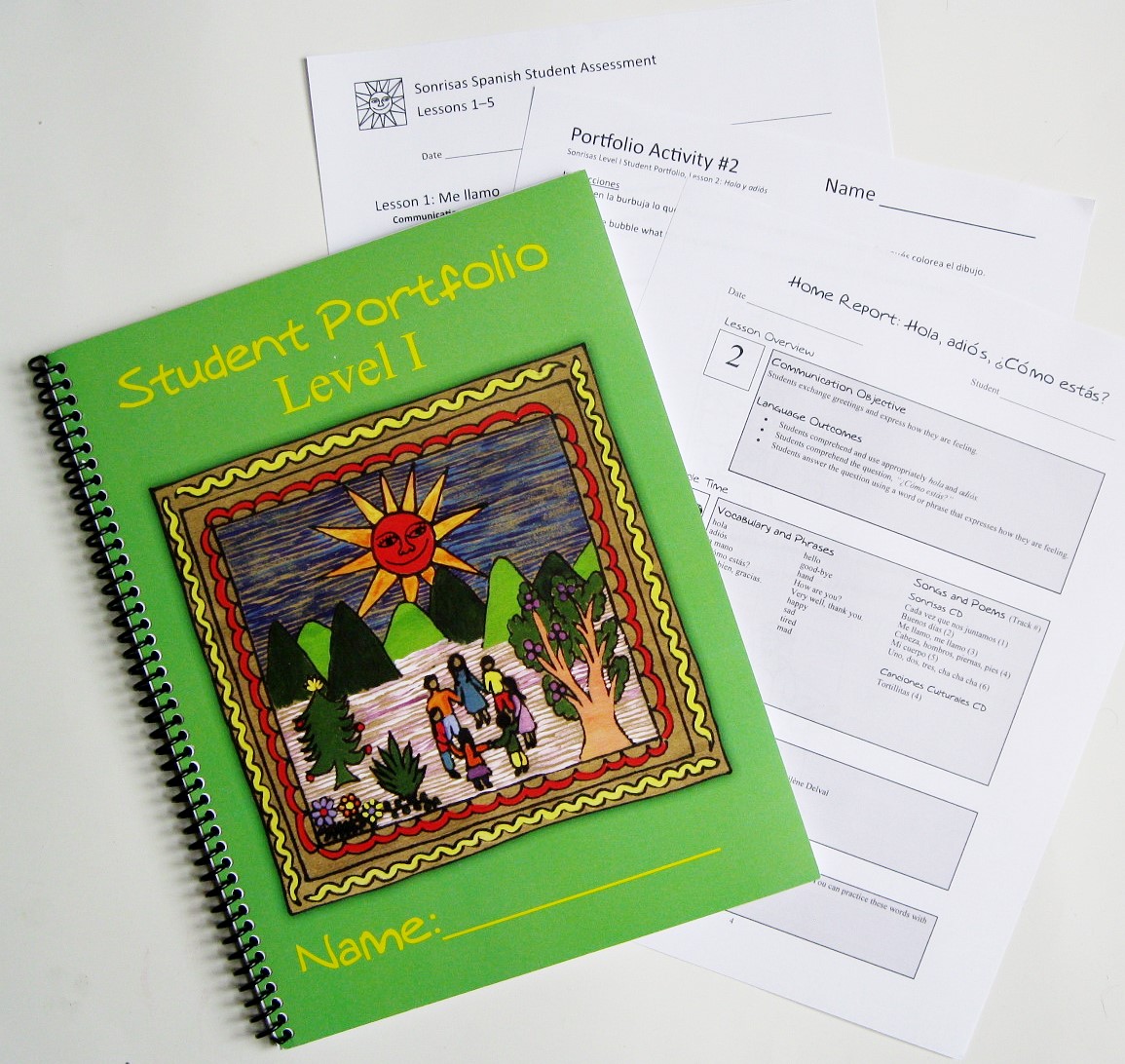
In the realm of educational research, particularly when assessing student achievement in learning, the utilization of student portfolios serves as a robust instrument. A student portfolio is a curated collection of a student's work that reflects their learning journey, encompassing their progress, skills, and achievements over a specified period. Unlike traditional assessment methods that often focus on singular performances or final outcomes, portfolios provide a holistic view of a student's capabilities and development.
Defining an Effective Portfolio Project
An effective portfolio project is characterized by its comprehensive nature, incorporating various types of work samples, reflections, and visual elements that collectively demonstrate a student's learning trajectory. The inclusion of diverse components ensures that the portfolio not only showcases the student's achievements but also provides insights into their thought processes, problem-solving abilities, and areas of growth.
Evaluating Portfolio Project Options
Option Analysis
Option A: Reflective Journal on One Poem
This option focuses solely on a single reflective journal entry pertaining to one poem. While reflection is a crucial component of learning, the limited scope of this option does not provide a comprehensive overview of a student's abilities or progress. It lacks the diversity of work samples and does not demonstrate the breadth of skills and achievements over a period.
Option B: Pictures of Group Performances in English Class with Captions
Option B incorporates visual elements by including pictures of group performances along with captions. However, this option primarily emphasizes visual documentation and does not encompass a variety of written work or reflective insights. Without written assignments and reflections, the portfolio fails to fully capture the student's academic and personal growth.
Option C: Collection of Literary Outputs with Illustrations and Reflections from the Last Grading Period
Option C is a comprehensive portfolio project that includes a variety of literary outputs, illustrations, and reflective writings gathered over the last grading period. This amalgamation of diverse components aligns well with the definition of a student portfolio, providing a multifaceted view of the student's learning journey. The inclusion of reflections offers deeper insights into the student's understanding and personal development, making this option a robust representation of student achievement.
Option D: Compilation of Literary Pieces
While Option D involves compiling literary pieces, it lacks the additional elements of illustrations and reflective writings that contribute to a more thorough and insightful portfolio. Without these components, the portfolio may not fully demonstrate the student's critical thinking, creativity, and personal growth over time.
Why Option C Stands Out
Option C's strength lies in its comprehensive approach. By combining literary outputs with illustrations and reflections, it not only showcases the student's academic work but also provides a window into their creative process and self-assessment. This holistic approach aligns with modern educational assessment standards, which emphasize the importance of both quantitative and qualitative evidence of learning.
Components of an Effective Portfolio
Diverse Work Samples
An effective portfolio includes a range of work samples that demonstrate the student's abilities across different areas. This diversity ensures that the portfolio offers a well-rounded picture of the student's skills and achievements.
Visual Elements
Incorporating visual elements such as illustrations enhances the portfolio by adding a creative dimension. Visuals can help in expressing complex ideas, showcasing artistic skills, and making the portfolio more engaging for reviewers.
Reflective Writing
Reflections are a critical component of a portfolio as they provide personal insights into the student's learning process. Through reflection, students can articulate their understanding, challenges faced, and growth achieved, thereby adding depth to the portfolio.
Temporal Scope
A well-structured portfolio covers a specific time frame, allowing for the demonstration of progress and sustained effort. Option C specifies the last grading period, ensuring that the portfolio captures recent and relevant work.
Benefits of Using Portfolios in Research
Comprehensive Data Collection
Portfolios serve as rich sources of data, providing extensive evidence of student performance, engagement, and development. This comprehensive collection of work allows researchers to analyze trends, identify strengths and weaknesses, and assess the overall effectiveness of educational strategies.
Enhanced Analytical Insights
The multifaceted nature of portfolios enables deeper analytical insights. Researchers can examine not only the final products but also the processes and reflections that lead to those outcomes, offering a more nuanced understanding of student learning and achievement.
Facilitation of Longitudinal Studies
Portfolios provide a chronological record of a student's work, making them ideal for longitudinal studies that track progress over time. This temporal dimension is invaluable for assessing long-term educational outcomes and the impact of specific interventions or curricula.
Implementing Portfolio Projects Effectively
Structured Framework
Establishing a clear and structured framework for portfolio projects is essential. Guidelines should outline the types of work to be included, the format for reflections, and the criteria for illustrations. This ensures consistency and facilitates easier analysis.
Regular Feedback
Providing regular feedback throughout the portfolio development process encourages continuous improvement and deeper reflection. Feedback sessions can help students understand their progress, set goals, and enhance the quality of their work.
Integration with Curriculum
Integrating portfolio projects seamlessly with the existing curriculum ensures that they complement rather than disrupt the learning process. Portfolios should align with educational objectives and support the overall teaching and learning strategies.
Challenges and Considerations
Time-Consuming Nature
One of the primary challenges in implementing portfolio projects is the time required for students to compile and reflect on their work. Educators must allocate sufficient time and resources to support students in creating comprehensive portfolios.
Assessment Complexity
Assessing portfolios can be more complex than traditional assessments due to their multifaceted nature. Developing clear rubrics and criteria is essential to ensure consistency and fairness in evaluation.
Ensuring Equity
Ensuring that all students have equal access to the necessary resources and support for portfolio projects is crucial. Educators must be mindful of diverse student needs and provide accommodations as required.
Conclusion
Utilizing student portfolios as instruments for research on student achievement in learning offers a comprehensive and nuanced approach to understanding educational outcomes. Among the options presented, the collection of literary outputs with illustrations and reflections from the last grading period stands out as the most effective portfolio project. This approach not only showcases a diverse range of student work but also integrates reflective practices that provide deeper insights into the learning process. By adopting such comprehensive portfolio projects, educators and researchers can gain valuable data that informs teaching strategies, enhances student learning experiences, and ultimately fosters a more holistic educational environment.
References
Last updated February 12, 2025