
Understanding the Causes of Sleep Deprivation Among Students
A comprehensive dive into behavioral, biological, social, and environmental factors
Key Insights
- Behavioral Patterns: Irregular sleep routines, excessive screen exposure, and poor sleep habits.
- Biological and Environmental Impacts: Natural circadian shifts, hormonal changes, and disruptive living conditions.
- Academic and Social Pressures: Heavy workloads, mental health challenges, and social incentives affecting sleep quality.
Overview
Sleep deprivation among students is a multifaceted issue affecting high school and college students alike. Despite the well-known importance of sleep for cognitive function, emotional stability, and overall physical health, various intertwined factors contribute to this chronic problem. Analyzing the situation reveals that students are not uniformly sleep-deprived simply by chance; rather, a blend of behavioral imbalances, biological predispositions, environmental challenges, and socially driven pressures combine to produce a complex pattern of insufficient sleep.
Factors Contributing to Sleep Deprivation
Behavioral Factors
Irregular Sleep Schedules and Poor Sleep Hygiene
One of the leading contributors to sleep deprivation is the irregularity of sleep schedules. Students often adjust their sleep times based on varying daily requirements – such as late-night studying, social outings, or part-time work. These self-imposed scheduling changes disrupt the body’s internal clock, making it difficult for the brain to establish a consistent pattern of falling asleep and waking up.
Along with irregular schedules, poor sleep hygiene habits are prevalent. These include practices like engaging in intellectually stimulating or stressful activities before bed, taking long naps during the day that interfere with nighttime sleep, and not creating a conducive sleep environment. Excessive screen time, particularly before bed, not only delays sleep but also interferes with melatonin production, the hormone responsible for regulating the sleep cycle.
Technology Use and Screen Exposure
In today's digital age, the omnipresence of screens cannot be ignored as a disruptive influence on sleep. Students frequently use smartphones, tablets, and laptops right up to bedtime, exposing themselves to blue light. This type of light has been shown to inhibit the natural secretion of melatonin, thereby delaying the onset of sleep and reducing the overall quality of rest. The habitual use of devices not only extends wakefulness but often contributes to mental stimulation at times when the brain should be winding down.
Biological Factors
Circadian Rhythm Shifts and Hormonal Changes
Beyond externally imposed factors, biological processes have a profound impact on students' sleep patterns. During adolescence, natural shifts in circadian rhythms occur due to hormonal changes. The delayed secretion of melatonin seen in teenagers underlines why it is physiologically challenging for many to fall asleep early, even when they might wish to. This delayed phase helps explain why early-morning commitments can often be met with grogginess and insufficient rest.
Additionally, the body's response to hormonal signals during puberty and in late adolescence can cause significant changes in sleep patterns, making late nights almost a biological predisposition for many. This intrinsic delay in sleep initiation, when compounded by external demands, further exacerbates sleep deprivation issues.
Sleep Disorders
Some students also contend with underlying sleep disorders that further reduce the amount of quality sleep they receive. Conditions such as insomnia, sleep apnea, and restless leg syndrome can lead to fragmented and insufficient sleep. Without proper diagnosis and treatment, these disorders compound the problem, leaving students unable to achieve deep, restorative sleep despite spending many hours in bed.
Environmental Factors
Living Conditions
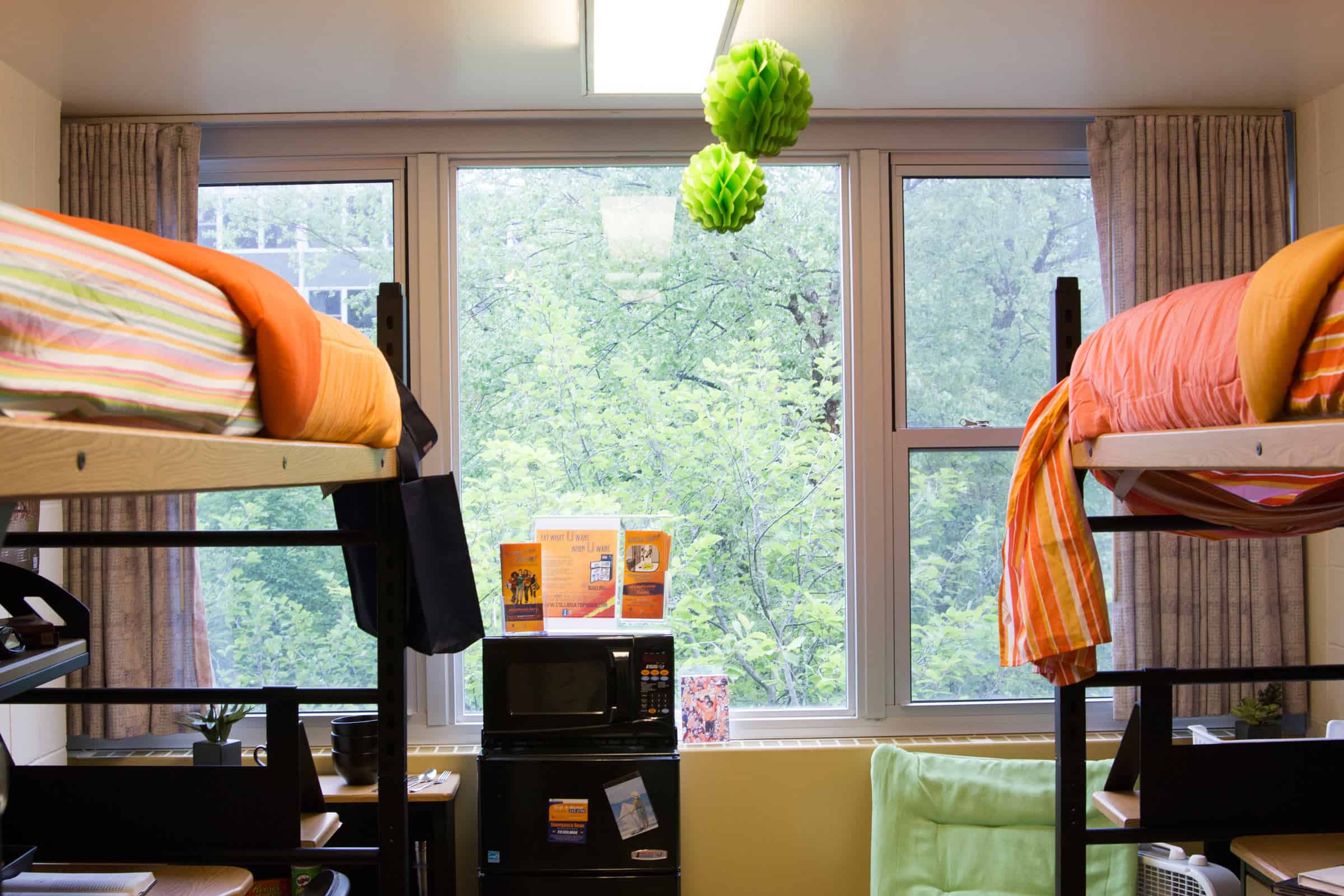
The immediate physical environment where students live can also be a major disruptor of sleep. In high-density housing situations, such as dormitories or shared apartments, noise and light pollution can significantly interfere with rest. In some cases, urban noise, unsafe neighborhoods, and even temperature fluctuations add stress and discomfort, further robbing students of sleep. The lack of a dedicated quiet space to retreat to at night often means that even when students are in bed, the quality of their sleep does not reach optimal levels.
Academic Structures and Scheduling
Educational institutions often impose rigid schedules that do not always align well with the natural sleep cycles of adolescents and young adults. Early school start times, irregular class schedules, and the pressure to attend multiple extracurricular activities result in students having to compromise on the amount of sleep they receive. The inevitable result is a chronic discipline of shortened sleep hours, where the interactions between scheduled obligations and personal rest needs create persistent stress.
Social and Psychological Factors
Academic Pressure and Heavy Workloads
The academic environment places enormous demands on students, often leading to sleep deprivation as they attempt to juggle coursework, assignments, and exam preparations. The pressure to perform well academically is intensified by time management challenges and the perceived need to study late into the night. This academic pressure is not only a source of stress but also leads to less time being allocated for sleep.
Furthermore, the workload may compel students to adopt unhealthy sleep practices. Oftentimes, students believe that sacrificing sleep is a necessary trade-off for improved academic outcomes, only to find that sleep deprivation ultimately hampers their cognitive performance, concentration, and memory retention.
Mental Health and Emotional Stress
Modern academic life comes with its share of psychological challenges. Anxiety, depression, and general emotional stress are prevalent among students. These mental health issues not only lead to sleep disturbances but also make it difficult to fall and stay asleep. The interrelation between poor sleep and mental health forms a vicious cycle; stress makes it hard to sleep, and sleep deprivation exacerbates feelings of anxiety and depression.
The emotional turbulence often fueled by personal expectations, social media influences, and rapid lifestyle changes further disrupt the delicate balance required for a healthy sleep routine.
Social Activities and Peer Influences
The cultural and social environment of educational institutions also plays a significant role. Social events, whether in the context of campus life or within peer groups, regularly extend late into the night. Students frequently find themselves torn between academic responsibilities and the desire to participate in social gatherings. This “fear of missing out” (FOMO) creates added pressure, often leading to deliberate choices to prioritize social engagement over sleep.
This collective cultural behavior can normalize late-night activities that undermine the natural sleep cycle, thereby forming persistent habits that are difficult to break even when the academic or social pressure subsides.
Summary Table of Contributing Factors
| Category | Key Factors | Impact on Sleep |
|---|---|---|
| Behavioral |
|
|
| Biological |
|
|
| Environmental |
|
|
| Social & Psychological |
|
|
Detailed Examination of Individual Factors
Technological Influences
Technological distractions are one of the most frequently cited reasons for sleep deprivation. The use of various digital devices extends beyond the usual hours due to the immediate accessibility of content and social interactions online. Exposure to the blue light spectrum hampers the synthesis of melatonin, resulting in a delayed biological clock. As students continue to use technology late into the night, their brains remain active, making it challenging to transition into sleep. With social media platforms prioritizing engagement and constant notification alerts, it is common for students to experience a “digital addiction” that compromises their sleep routines.
Implications of Academic Pressure
Academic pressure is an undeniable factor that places considerable strain on a student’s well-being. Deadlines, exams, and the cumulative stress of extensive coursework contribute to a propensity for late-night study sessions. Students view sleep as a negotiable commodity and often sacrifice it in a misguided effort to achieve academic success. However, this strategy tends to have the opposite effect, where diminished sleep quality and duration lead to lower cognitive function, memory lapses, and poor decision-making abilities. As such, students may find themselves caught in a self-perpetuating cycle where the lack of sleep further undermines academic performance, leading to additional stress and sleepless nights.
Role of Mental Health
The relationship between sleep and mental health is deeply intertwined. Stress, anxiety, and depressive states are exacerbated by sleep deprivation, creating a cycle that proves hard to break. Students suffering from mental health issues often experience disrupted sleep patterns, which in return intensify feelings of instability and emotional exhaustion. The implications are severe: cognitive decline, compromised immune function, and an overall diminished capacity to handle daily stressors. Therefore, addressing sleep hygiene is often a critical component of mental health interventions aimed at improving a student’s overall quality of life.
Social and Peer Influences
The social norms prevailing in academic environments place social interaction on a pedestal. From campus parties to group study sessions that run late into the night, the social dynamics encourage behaviors that are incompatible with a regular sleep schedule. Peer pressure and the allure of social connectivity contribute to late-night outings which further delay the body’s internal clock. Moreover, societal expectations to excel academically while maintaining an active social life require students to juggle multiple roles, thereby reducing the opportunity for adequate sleep.
Interventions and Strategies
Improving Sleep Hygiene
Achieving a regular sleep schedule is a critical step towards mitigating sleep deprivation. Simple routines such as setting a consistent bedtime, creating a technology-free wind-down period before sleep, and ensuring a comfortable sleeping environment can lead to considerable improvements in sleep quality. Behavioral changes, including limiting caffeine intake in the late hours and establishing a quiet, dimly lit space, can further enhance the body’s ability to transition naturally into a state of rest.
Adjusting Academic and Social Schedules
Institutions may also play a significant role in alleviating the issue by adjusting academic schedules to better align with the natural biological rhythms of their students. By advocating for later start times or offering flexible learning environments, schools and colleges allow students to follow their natural sleep cycles. Furthermore, educational workshops addressing time management and balanced stress reduction techniques have shown promise in helping students gain control over their routines.
Mental Health Support
Effective mental health support is indispensable in combating the dual challenges of stress and sleep deprivation. Counseling services on campuses, stress reduction programs, and mindfulness practices have all been reported to produce positive outcomes. As students develop healthier coping mechanisms for dealing with anxiety and academic stress, the improvement in sleep patterns often follows suit, thereby enhancing overall academic performance and emotional well-being.
Creating a Conducive Environment
Environmental modifications, such as noise reduction measures, improved lighting in living areas, and temperature control, can significantly contribute to enhanced sleep quality. Both educational institutions and accommodations can implement strategies that foster environments conducive to sleep. When a physical space supports relaxation and minimizes disruptive elements, students are more likely to adhere to healthier sleep patterns.
Additional Considerations
While the factors discussed above cover the primary causes of sleep deprivation among students, it is important to recognize the interplay between these factors. Biology sets the stage, behavior enacts, and the surrounding environment and social structures compound the effects. A multidimensional approach involving improvements in sleep hygiene, academic scheduling, mental health support, and technological management is essential for addressing the underlying issues.
Moreover, public awareness and self-education campaigns continue to highlight the importance of sleep as a fundamental component of health. By understanding the various areas where time and energy are misallocated, students can begin to reframe the value of sleep and work towards sustainable habits that nurture both physical and mental well-being.
References
- Sleep Deprivation in College Students: Causes, Effects, and Solutions - NeuroLaunch
-
Causes and Consequences of Sleepiness Among Students - PMC
- About Student Sleep Deprivation - UCLA
- Why Are Teenagers So Sleep-Deprived? - Child Mind Institute
- Sleep Education: College Students' Sleep Patterns - Sleep Education
Recommended Related Queries
Last updated March 11, 2025