
Exploring the Enchanting World of Studio Ghibli Art and How to Create Your Own
A deep dive into the distinctive visual style and the rise of AI-powered creation tools.
Key Highlights of Studio Ghibli's Artistic Approach
- Hand-Drawn Aesthetic: Studio Ghibli films are renowned for their meticulous hand-drawn animation, a technique that imbues each frame with a unique warmth and texture.
- Emphasis on Nature and Backgrounds: A defining characteristic is the detailed and atmospheric depiction of natural landscapes and environments, often with a "cozy European style" and a focus on background elements.
- Soft Color Palettes and Watercolor Textures: The films typically utilize soft, pastel color palettes and watercolor-like textures, contributing to their dreamy and often whimsical feel.
Studio Ghibli, founded by legendary directors Hayao Miyazaki and Isao Takahata and producer Toshio Suzuki in 1985, has captivated audiences worldwide with its unique and enchanting animation style. Beyond compelling narratives and memorable characters, the visual aesthetic is a cornerstone of their enduring appeal. This distinct style, characterized by a blend of intricate detail, soft colors, and a deep connection to nature, has inspired countless artists and is now influencing the realm of AI image generation.
The Essence of the Studio Ghibli Art Style
The "Ghibli style" is not a single, rigid formula but rather a convergence of artistic principles and techniques. At its core lies a commitment to traditional hand-drawn animation. This labor-intensive process, often involving watercolor and acrylic paints, gives the animation a tangible, organic quality that distinguishes it from purely digital productions.
Defining Visual Characteristics
Several key elements contribute to the instantly recognizable Ghibli aesthetic:
Soft and Dreamy Color Palettes
Ghibli films often employ muted and pastel colors, creating a sense of warmth and coziness. These palettes evoke a feeling of nostalgia and contribute to the emotional resonance of the stories.
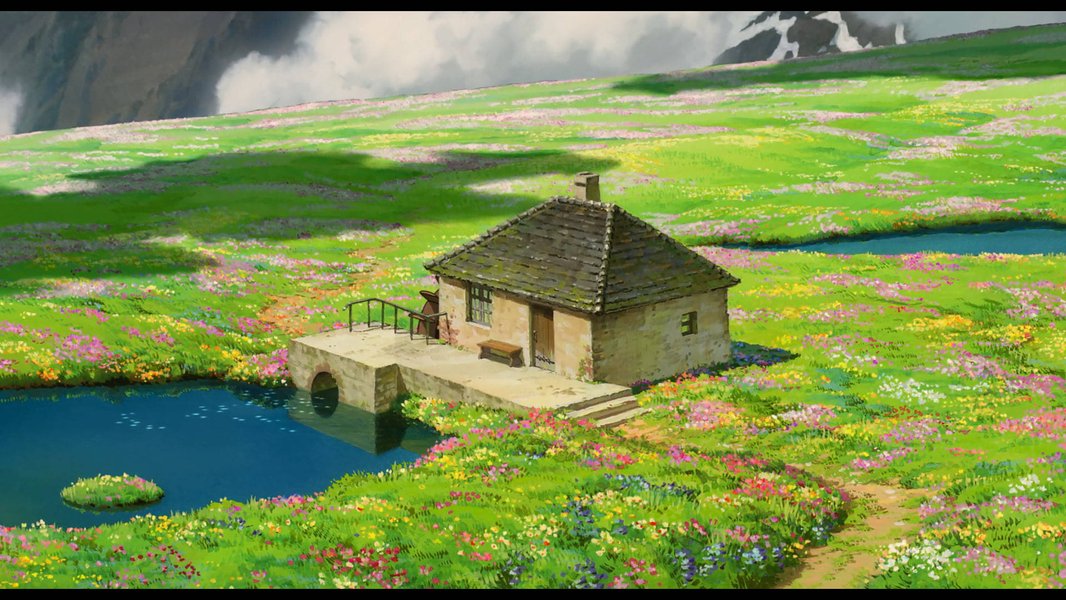
A typical Ghibli landscape showcasing soft, dreamy colors.
Detailed and Expressive Backgrounds
Backgrounds in Ghibli films are far from mere backdrops; they are integral to the storytelling and atmosphere. They are often rendered with meticulous detail, depicting lush natural environments, quaint European-inspired architecture, and bustling urban scenes. This emphasis on the environment immerses the viewer in the film's world.

Intricate details in a hand-drawn Ghibli background.
Hand-Drawn Animation with Fluid Movement
Despite the increasing prevalence of computer animation, Studio Ghibli largely adheres to traditional 2D hand-drawn techniques. This results in animation that feels organic and full of life. The character movements are often subtle yet expressive, conveying a wide range of emotions.
Integration of the Mundane and the Magical
Ghibli films masterfully blend everyday reality with fantastical elements. This is reflected in the art style, where realistic depictions of nature, food, and architecture coexist seamlessly with magical creatures and whimsical occurrences. The mundane is often depicted with a romanticized view, further enhancing the enchanting atmosphere.
Influences on the Ghibli Style
The Studio Ghibli art style is a rich tapestry woven from various influences, both Japanese and Western.
Nature and the Environment
Nature plays a pivotal role in many Ghibli films and is a significant source of artistic inspiration. The beauty and power of the natural world are depicted with reverence, often highlighting themes of environmentalism.
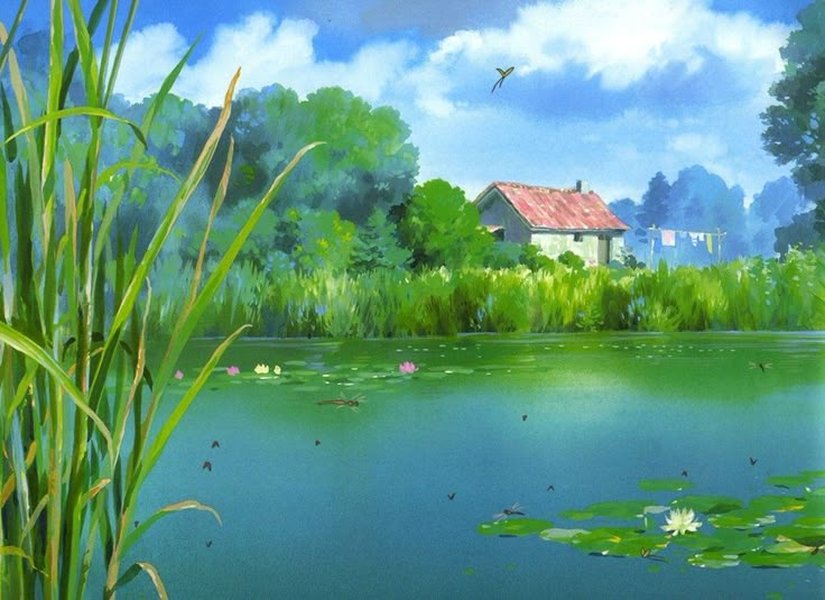
A lush forest scene showcasing Ghibli's connection to nature.
Japanese Art and Literature
Traditional Japanese art forms, such as ukiyo-e woodblock prints and ink painting, have influenced the composition, line work, and use of color in some Ghibli films, particularly in works like *The Tale of Princess Kaguya*, which deliberately utilizes a watercolor and storybook-like aesthetic reminiscent of Japanese folk art.
European Aesthetics
Many Ghibli films feature settings inspired by European landscapes and architecture, contributing to the "cozy European style" sometimes noted in their backgrounds.
Creating Studio Ghibli Style Images with AI
The distinct visual appeal of Studio Ghibli has led to a recent surge in using AI image generators to create artwork in this style. Tools like ChatGPT with improved image generation capabilities, as well as dedicated Ghibli-style AI generators, allow users to transform photos or text prompts into images that mimic the Ghibli aesthetic.
This video demonstrates how to use AI tools to create Ghibli-style images from photos.
These AI tools are trained on vast datasets of images, including examples of Ghibli artwork, allowing them to learn and replicate key stylistic elements such as soft colors, painterly textures, and the overall whimsical atmosphere. Users can upload their own photos and apply a "Ghibli filter" or use text prompts to generate entirely new scenes in the desired style.
AI Tools and Techniques
Several platforms and techniques are used to create Ghibli-style AI images:
Text-to-Image Generation
Users can describe the desired scene or subject using text prompts, and the AI will generate an image based on that description, rendered in the Ghibli style. This allows for the creation of original artwork.
Prompt: "A girl with red hair standing in a lush forest with glowing spirits, in the Studio Ghibli anime style, fantasy, detailed"
This is an example of a text prompt that could be used to generate a Ghibli-style image.
Image Restyling
Many AI tools allow users to upload an existing photograph and apply a Ghibli style filter, transforming the photo into a Ghibli-esque illustration. This is popular for creating unique profile pictures or reimagining personal memories.
Ethical Considerations and Artistic Perspectives
While AI image generation offers exciting possibilities for creating Ghibli-style art, it has also raised ethical questions, particularly regarding intellectual property and the nature of artistic creation. Studio Ghibli co-founder Hayao Miyazaki has expressed strong reservations about AI-generated art, calling it an "insult to life itself," highlighting the studio's deep commitment to the human element and painstaking hand-drawn process.
The debate continues regarding whether AI-generated art truly captures the soul and intentionality of human-created art. While AI can replicate stylistic elements, some argue it lacks the depth of feeling and personal experience that artists pour into their work.
Comparing Traditional and AI-Generated Ghibli Style
To better understand the nuances, let's compare some aspects of traditional hand-drawn Ghibli art and AI-generated interpretations.
| Feature | Traditional Hand-Drawn Ghibli Art | AI-Generated Ghibli Style Art |
|---|---|---|
| Creation Process | Meticulous frame-by-frame hand drawing, painting, and inking by skilled artists. | Algorithmic generation based on training data and user prompts/images. |
| Texture and Detail | Rich, often watercolor-like textures and intricate details born from human brushstrokes and precision. | Can replicate textures and details based on patterns learned from data, but may lack the same organic feel. |
| Originality and Intent | Born from the unique vision, emotions, and experiences of the artists and directors. | Generates variations based on existing styles and data; intentionality is driven by user input and AI capabilities. |
| Emotional Depth | Often conveys profound emotional depth through nuanced animation and artistic choices. | Can visually mimic the emotional tone, but the connection to human experience and feeling is different. |
This table highlights some key differences between the two approaches.
The Future of Ghibli-Inspired Art
The rise of AI tools for creating Ghibli-style images is a fascinating development. While it raises questions about the future of animation and art, it also provides new avenues for creative expression and allows fans to engage with the aesthetic in novel ways. Whether through traditional methods or AI-assisted techniques, the enchanting world of Studio Ghibli continues to inspire and captivate.
This radar chart provides an opinionated comparison of different aspects related to Studio Ghibli art, reflecting its key characteristics and influences.
Frequently Asked Questions About Studio Ghibli Art
Recommended Further Exploration
- Explore the animation techniques of Studio Ghibli films
- Learn about the recurring themes in Hayao Miyazaki's work
- Discover the influence of Japanese culture on Studio Ghibli
- Understand the debate surrounding AI art and copyright
References
Last updated May 20, 2025