
Background of the Study
An in-depth exploration into practitioners' perceptions of traditional rabies extraction in Parang Maguindanao del Norte
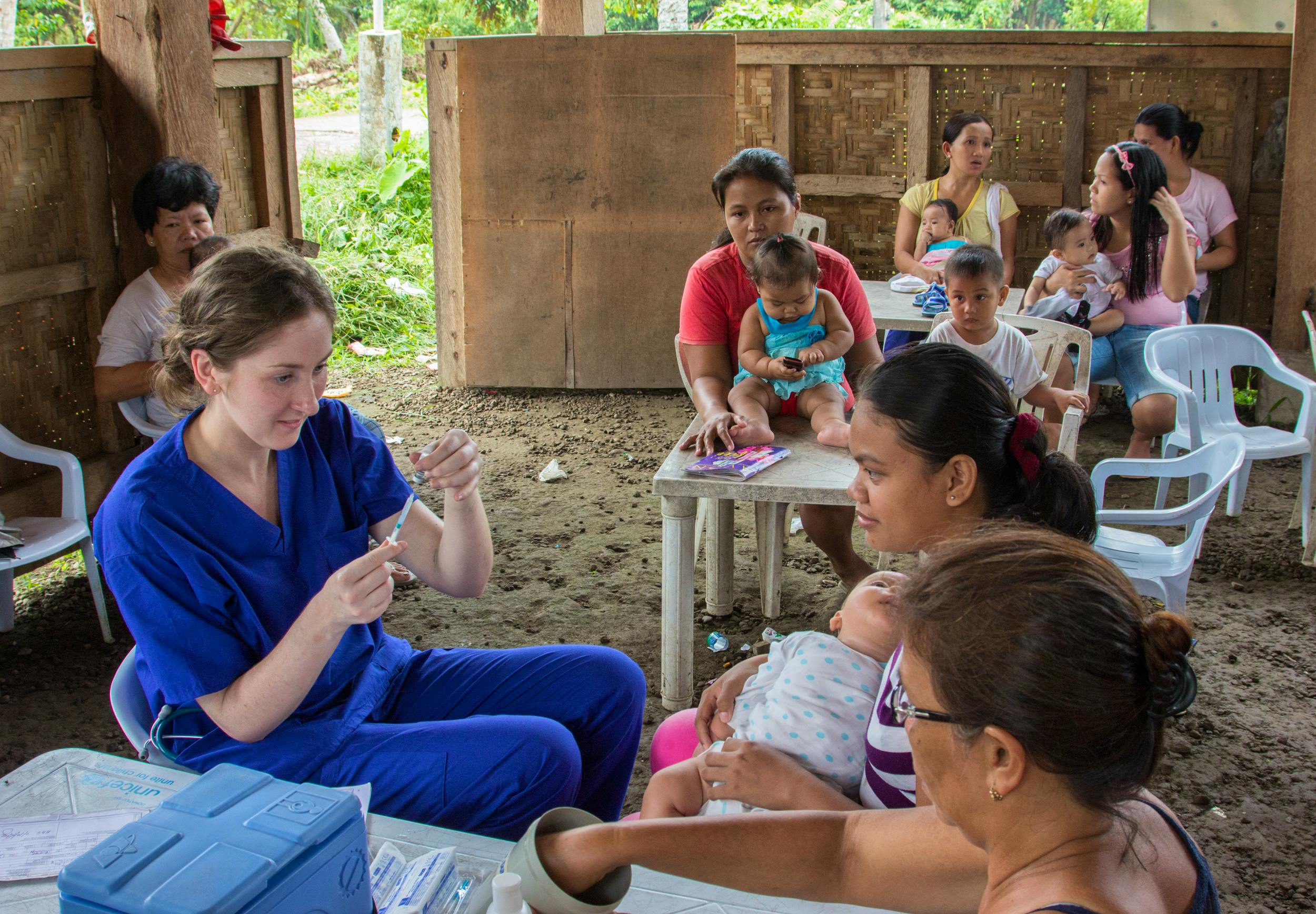
Highlights
- Public Health Challenge: Rabies poses a significant risk with high fatality rates in the Philippines.
- Traditional vs. Modern Practices: The study investigates the divergence between cultural traditional practices and scientifically-proven modern treatments.
- Role of Healthcare Practitioners: Understanding practitioners' perceptions is key to guiding policy and education for improved rabies prevention.
Introduction to Traditional and Modern Approaches in Rabies Treatment
Rabies continues to be a major public health concern in the Philippines, with the nation ranking among the top countries with the highest incidence rates. The persistent reliance on traditional methods such as “tandok” and “tawak” reflects deeply rooted cultural beliefs which, while historically significant, have not been scientifically validated for efficacy in rabies prevention or treatment. Healthcare practitioners in regions like Parang, Maguindanao del Norte, are increasingly faced with the challenge of reconciling traditional healing practices with modern, evidence-based medical interventions.
Modern interventions, particularly post-exposure prophylaxis (PEP) consisting of rabies immunoglobulin (RIG) administration and vaccination, are proven to be effective when administered promptly after an exposure. Despite this, several barriers such as geographic isolation, cost of vaccines, and cultural preferences often lead affected individuals to favor traditional methods over modern medical advice. This dichotomy forms the bedrock for the current study.
Context and Rationale of the Study
Rabies in the Philippines
The Philippines has experienced significant challenges in managing rabies, with recent reports noting alarming increases in cases and fatalities. According to Lockton (2023), the country reported 55 confirmed cases in 2023, all resulting in death, with the majority affecting males aged between 20 to 59 years. These statistics highlight the dire consequences of inadequate or delayed treatment following animal bites.
Although the World Health Organization (WHO) advocates for the immediate washing of bite wounds with soap and water for at least 15 minutes as an effective first aid measure, many communities supplement this practice with traditional remedies. Many rural households in regions like Parang, Maguindanao del Norte, commonly seek assistance from traditional healers who perform procedures such as “tandok” (extraction using an animal horn) or “tawak” (direct suction of the wound). While these methods are culturally ingrained, multiple studies (Philippine Journal of Science, 2016; PMC, 2018; PMC, 2021) repeatedly underscore the potential dangers of delayed administration of PEP.
Cultural Context and Traditional Practices
Traditional medicine remains a pervasive and influential component of healthcare in many Philippine communities. In municipalities where traditional healers are well-respected, their treatments are often preferred over modern medical approaches due to factors such as cost, accessibility, and deep-seated cultural beliefs and practices. In Parang, Maguindanao del Norte, traditional methods not only coexist with modern healthcare protocols but, in some cases, are favored despite the lack of empirical evidence supporting their effectiveness.
The reliance on traditional healing methods is further compounded by societal norms and historical practices. Studies have documented that even when proper first aid (e.g., wound washing) is administered, many victims still pursue additional traditional remedies. The study by Frontiers (2022) emphasizes that traditional medicine is deeply interwoven with local customs, resulting in a dichotomy where patients might adhere to both scientific and non-scientific practices simultaneously. The consequences of this dual reliance include potential delays in acquiring critical PEP, thereby increasing the risk of fatal rabies infections.
Healthcare Practitioners’ Perspectives
The focus of the current study is on the perceptions of healthcare practitioners regarding the efficacy of traditional rabies extraction methods. The opinions and experiences of these practitioners provide critical insights into:
Knowledge and Attitudes
Practitioners often witness firsthand the delays in proper treatment that may occur when traditional methods are utilized. Their knowledge of rabies transmission dynamics and the vital window for administering PEP informs their critical views of traditional practices. Research (Barbosa Costa et al., 2018; Tamirat et al., n.d.) suggests that varying levels of awareness and understanding among practitioners can influence community guidance on rabies treatment. Therefore, it is essential to elucidate their professional opinions to determine whether traditional practices might inadvertently worsen patient outcomes.
Implications for Public Health Policy
Insights from this study are expected to shed light on the inadequacies of traditional rabies extraction in preventing fatalities. By comparing the effectiveness of traditional methods with that of modern medical interventions, the study can recommend policy changes aimed at bridging the gap between cultural practices and scientific evidence. Encouraging a collaborative approach between traditional healers and modern healthcare providers could enhance mutual understanding and lead to educational programs that emphasize the importance of prompt PEP administration.
Review of Relevant Literature and Prior Studies
A robust body of literature outlines the limitations of traditional methods in rabies treatment. For instance:
- Lockton (2023): This study provided a comprehensive overview of rabies cases in the Philippines, indicating that traditional methods often contribute to higher mortality rates due to delays in the initiation of scientifically validated treatments.
- Frontiers (2022): Emphasized the adherence of some communities to WHO guidelines on wound washing while also underlining the simultaneous pursuit of traditional remedies that have not been proven effective.
- Philippine Journal of Science (2016): Investigated traditional practices such as “tandok” and “tawak” in Marinduque and revealed that although these methods are culturally popular, they have definite limitations in terms of actual rabies prevention.
- PMC (2018) and PMC (2021): Both studies noted that reliance on traditional healing can lead to significantly worse outcomes, with the traditional cohort exhibiting markedly higher mortality rates compared to those who received modern post-exposure treatments.
Moreover, studies examining healthcare practitioners' knowledge, attitudes, and practices provide critical context. For example, research conducted in Bangladesh (Yousaf et al., n.d.) and Mozambique has demonstrated diverse perceptions among healthcare professionals regarding the effectiveness of traditional rabies extraction. These studies highlight the need for improved education and awareness among practitioners to ensure timely and appropriate treatment strategies.
Objectives and Significance of the Study
Primary Objectives
The core objective of the study is to assess the perceptions and attitudes of healthcare practitioners in Parang, Maguindanao del Norte towards traditional rabies extraction methods. Specifically, the study aims to:
- Evaluate the practitioners' understanding of traditional methods versus modern PEP procedures.
- Identify the factors that influence the continued use of traditional approaches in local communities.
- Explore possible strategies for integrating traditional healers into a more unified public health response to rabies, ensuring timely and effective medical intervention.
Significance for Public Health and Policy
The study’s findings are anticipated to have multiple implications:
- They will provide foundational data to support public health interventions aimed at increasing the adoption of scientifically validated rabies prevention methods.
- The results can inform policymakers about the need to incorporate culturally sensitive educational campaigns that address both traditional and modern practices.
- By understanding the dynamics of healthcare practitioners' perceptions, the study could lead to innovative strategies that bridge the gap between traditional healers and modern medical facilities, ensuring that victims receive life-saving PEP in a timely manner.
Comprehensive Table of Key Sources and Citations
| Author/Source | Year | Title/Description | Link |
|---|---|---|---|
| Lockton | 2023 | Key Facts About Rabies in the Philippines | Lockton - Global Lockton |
| Frontiers | 2022 | One Health Surveillance for Rabies | Frontiers - Tropical Diseases |
| Philippine Journal of Science | 2016 | Influence of Traditional Medicine (Tandok and Tawak) on Handling Animal Bites | Philippine Journal of Science |
| PMC | 2018 | Community Awareness on Rabies Prevention in Bicol | PMC - NCBI |
| PMC | 2021 | Roles of Traditional Medicine and Traditional Healers for Rabies Prevention | PMC - NCBI |
| Yousaf et al. | n.d. | Knowledge, Attitudes, and Perceptions about Rabies in Community Settings | ResearchGate - Rabies Study |
Implications for Future Research and Practice
By systematically examining the perceptions of healthcare practitioners regarding traditional rabies extraction methods, this study will further the discourse on the integration of culturally entrenched practices and modern medical protocols. The anticipated results could:
- Enhance public health awareness and education regarding the prompt and effective treatment of rabies.
- Encourage initiatives that bridge the gap between traditional healers and modern healthcare, creating a collaborative ecosystem that is sensitive to cultural practices yet firmly rooted in scientific evidence.
- Offer policymakers a data-driven basis for revising current guidelines and developing targeted interventions that could significantly reduce rabies mortality rates in rural communities.
Study Framework and Methodological Considerations
The research design is framed around a mixed-method approach that incorporates both quantitative and qualitative assessments. Questionnaires, interviews, and focus group discussions with local healthcare practitioners will be implemented to capture in-depth perceptions and first-hand experiences concerning traditional rabies extraction practices.
The data gathered will be used to compare the outcomes of traditional treatment with those observed in simple PEP administration cases. Statistical analysis will be performed using standardized software, while thematic analysis will be applied to qualitative responses. This comprehensive methodological framework ensures that all aspects of practitioner perceptions are systematically evaluated and correlated with clinical outcomes.
References
- Lockton - Global Lockton (2023)
- Frontiers - Tropical Diseases (2022)
- Philippine Journal of Science (2016)
-
PMC - Community Awareness (2018)
-
PMC - Traditional Medicine Roles (2021)
Recommended Further Exploration
Last updated March 18, 2025