
Exploring the Existence and Validity of a Study
Clarifying misconceptions and verifying research legitimacy
Key Takeaways
- Verifying authenticity: Always check reputable sources and peer-reviewed journals for study existence.
- Miscommunication insights: A study’s non-existence may be due to errors in reporting or misunderstandings.
- Research transparency: Assessing methodology, reproducibility, and publication history is crucial.
Understanding the Question: Does This Study Exist?
When faced with the query "does this study doesnt exist?" it is important to explore what is precisely being asked. This question may be interpreted in a few ways:
Multiple Interpretations
First, the inquiry might be questioning the existence of a specific study. In this case, verifying the study’s legitimacy includes checking whether it has been published in a peer-reviewed journal, indexed in recognized databases, or mentioned in reputable online sources.
Second, the phrasing could allude to potential misinformation or errors in reporting. There have been cases where generative AI tools or misinterpretations in news articles lead to false claims about research. It becomes essential to analyze details such as the study's title, authors, publication venue, and context to determine its authenticity.
Verifying the Existence of a Study
To verify whether a study exists, several steps can be taken:
- Search academic databases: Utilize platforms like Google Scholar, PubMed, and Scopus. Search by the study title, authors, or keywords relevant to the topic.
- Examine peer-reviewed journals: Studies published in reputable scholarly journals are typically scrutinized by expert reviewers. Check if the journal is indexed in major databases and whether the journal follows rigorous editorial practices.
- Review citations: If a study is real, it is likely cited by other academic works. Research tools such as Google Scholar can help track how often the study has been referenced, which is a good indicator of its presence and acceptance.
- Contact the authors: When in doubt, reaching out directly to the authors via institutional email addresses may clear any ambiguities regarding the study.
- Analyze methodology and transparency: Authentic studies provide detailed and reproducible methods. Verification involves checking if the study outlines its experimental design clearly allowing for replication.
These steps serve as a guide to ensuring that the study in question exists and has been validated by the relevant academic community.
Interpreting “Non-Existence” in Research Contexts
It is also important to consider that stating "this study doesn't exist" might refer to situations where:
Misinterpretation and Communication Errors
There can be instances of miscommunication where details about the study are either incorrect or misleading. For example, generative artificial intelligence might generate false references or misattribute study conclusions. The phenomenon of misreported research can lead to confusion about whether a study was ever conducted or published.
Misinformation and Fake References
In today's digital age, misinformation spreads rapidly. Tools that produce computer-generated content have been known to generate references that seem legitimate. This reinforces the need for careful verification and investigation into every claim or reference related to a research study.
Furthermore, errors may also arise when details about the study are incomplete. A vague query without proper identifiers like the study title, researchers’ names, publication year, or the journal in which it was reported might lead to the mistaken belief that the study does not exist.
Systematic Verification Process
A systematic approach to verifying the existence of a study would typically include the steps below:
| Step | Description | Relevance |
|---|---|---|
| Database Search | Use academic databases to look up the study title, authors, and keywords. | High – Ensures indexing in trusted sources. |
| Journal Verification | Check if the study was published in a reputable peer-reviewed journal. | High – Peer review implies validated research. |
| Citation Analysis | Look for citations of the study in other academic works. | Moderate – Indicates recognition by the academic community. |
| Author Outreach | Direct contact with the study's authors for confirmation. | High – Direct validation and clarification. |
| Methodological Review | Examine the methods used in the study for transparency and reproducibility. | High – Fundamental for establishing authenticity. |
Each of these steps helps create a robust framework through which one can analyze and assert the existence (or non-existence) of a given study. The table above encapsulates the process clearly.
Visual Representation: Research Verification Radar Chart
Below is a radar chart that represents multiple factors used to assess the credibility and existence of research studies. The chart shows various datasets that correlate with the essential aspects of verifying a study, such as source reliability, transparency, reproducibility, and citation metrics.
Supplementary Media
Embedded Images
The images below provide visual context for the research verification process and the importance of scrutiny in academic publishing:

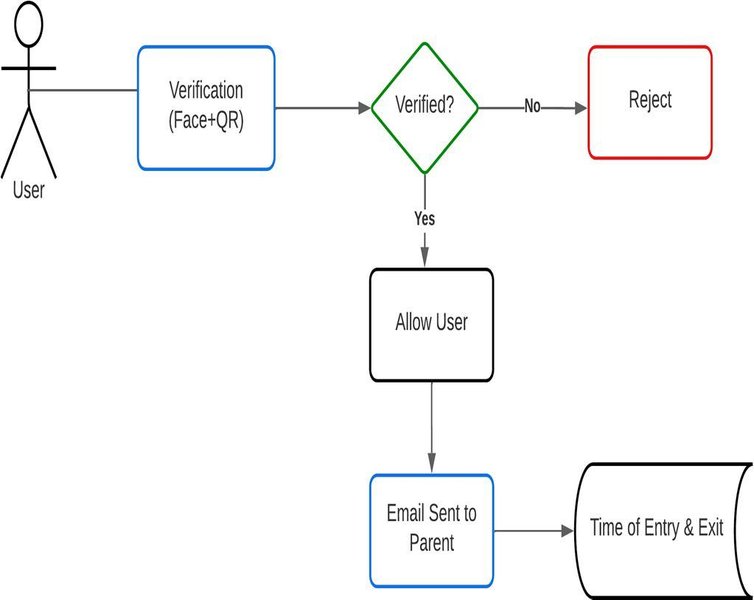
This image represents the layout of the publishing process which highlights research validation stages.
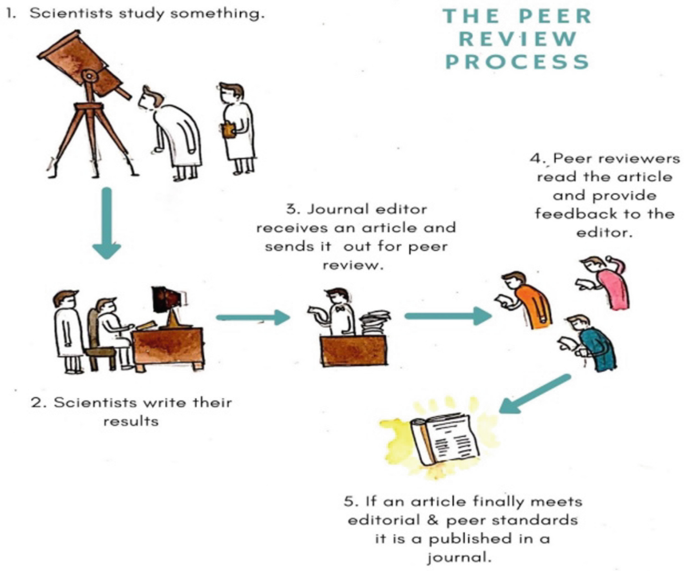
This image illustrates the peer review process, emphasizing the steps taken to ensure study integrity.
Relevant Video Resource
The following video offers insights into identifying and verifying references in research. It explains methods of spotting misleading information and validating sources, which is particularly useful when you doubt if a study really exists:
Interactive FAQ Section
Click any of the following questions for more detailed answers:
How do I verify if a study exists?
To verify the existence of a study, initiate a search using established academic databases such as Google Scholar, PubMed, or Scopus. Examine the publication venue to ensure it is a reputable and peer-reviewed journal. Additionally, review citations and references to see if other researchers have acknowledged or built upon the work. Contacting the authors directly or checking institutional repositories can also provide confirmation.
What if the study details are ambiguous?
Ambiguous details may lead to misinterpretation. In such cases, additional information is necessary – such as the study title, authorship, or context. Without these details, it can be challenging to definitively confirm or debunk the existence of the study. Miscommunication and AI-generated false references can contribute to confusion, making thorough verification through multiple sources essential.
Can misinformation affect the perception of study existence?
Absolutely. Misinformation can lead to claims regarding the existence or non-existence of studies. Generative AI tools and poorly managed information platforms can inadvertently propagate incorrect data including fake references or misattributed findings. This is why rigor in checking the source, publication details, and author credentials is so crucial.
References
- Calling Bullshit: Is a scientific paper legit? - Calling Bullshit
- 8 ways to determine the credibility of research reports - EAIE
- How can I make my research more authentic? - Editage Insights
- Assessing Journal Credibility - Brunel LibAnswers
- Step-by-Step Fact-Checking: Ensuring Authenticity Online - Originality.AI
Recommended Related Queries
 media-and-learning.eu
Last updated April 3, 2025