
Structures Beneath the Pyramids
An in-depth exploration of subterranean discoveries at Giza
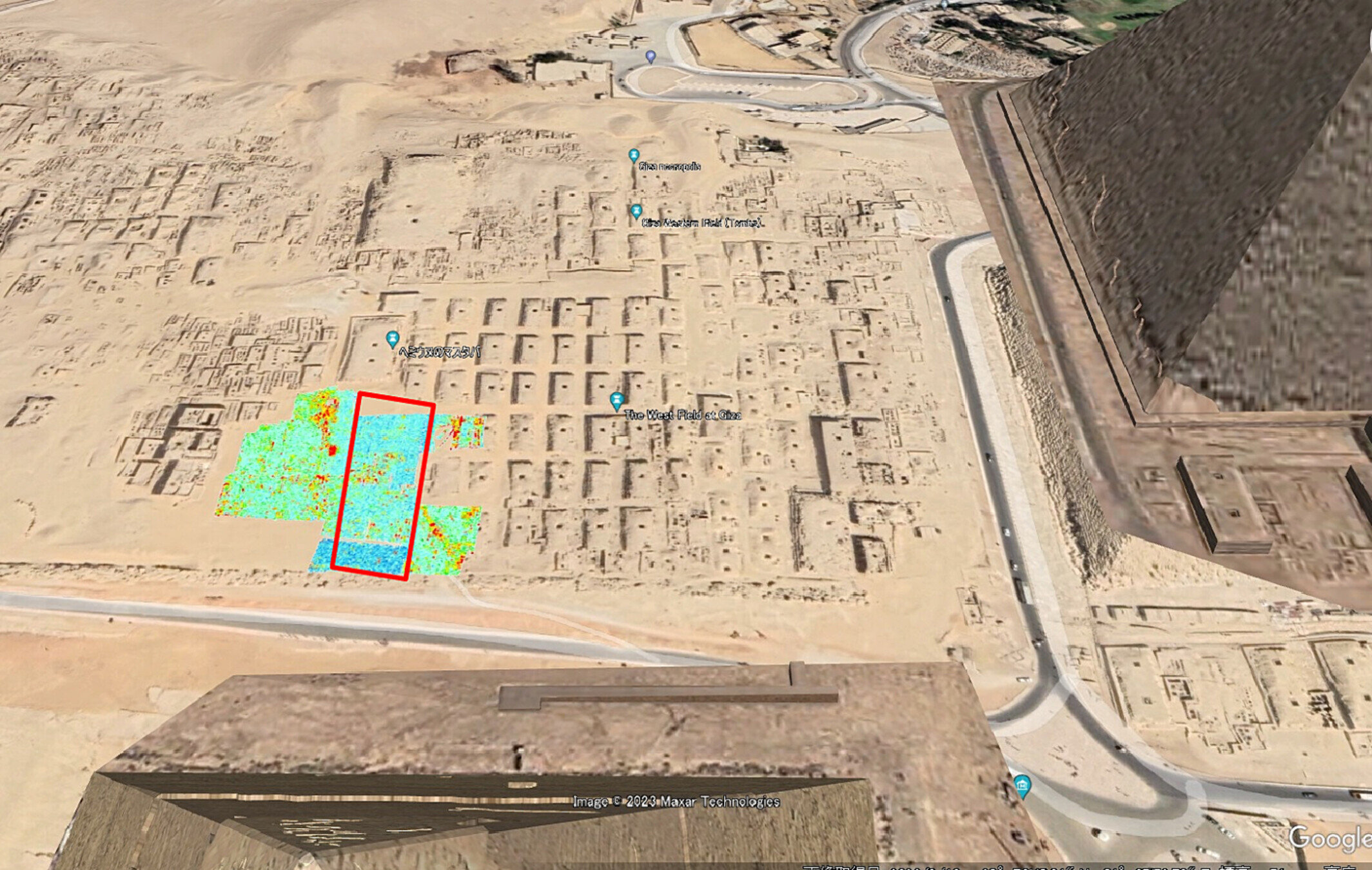
Key Insights
- Advanced Radar Discoveries: Modern radar technologies, including Synthetic Aperture Radar (SAR) tomography and ground-penetrating techniques, have revealed an extensive network of underground structures below the pyramids.
- Complex Architectural Features: The discoveries include multi-level chambers, vertical cylindrical wells, spiral passageways, and cube-shaped structures, challenging the traditional view of the pyramids as mere tombs.
- Revised Historical Perspectives: These findings not only provide clues about ancient engineering and urban planning, but they also open discussions about potential ceremonial, mechanical, or energy-related functions of the underground complex.
Modern Discoveries and Technologies
Recent advancements in radar technology have enabled scientists to examine the subsurface features of the Giza Plateau with unprecedented detail. Research teams have employed Synthetic Aperture Radar (SAR) tomography and other non-invasive methods, leading to groundbreaking discoveries that reveal a vast subterranean complex beneath the pyramids. The complex, extending approximately two kilometers below the surface across all three major pyramids, consists of intricately interconnected chambers and passageways. These modern technologies not only reaffirm the presence of previously known subterranean tunnels but have also brought to light new features that suggest more complex functions and applications.
Among the remarkable discoveries are five identical multi-level structures situated near the base of the Khafre Pyramid. These structures are interconnected by geometric passageways, which serve as conduits, linking various parts of the underground network. Additionally, researchers have identified eight vertical, cylindrical wells surrounded by descending spiral pathways. These pathways extend down to around 648 meters and converge into two massive cube-shaped structures, each with a side length of approximately 80 meters.
The revelation of these features has spurred considerable interest among historians, archaeologists, and engineers. There are growing debates on whether these structures played a ceremonial or possibly mechanical role, with some even postulating that they could have functioned as parts of an ancient energy grid. Although definitive functional interpretations remain under research, the engineering precision indicated by the construction of these features is undeniably impressive.
Historical Context and Alternative Discoveries
The idea of hidden or mysterious structures beneath Egypt's pyramids is not new. Historically, the Great Pyramid of Giza has been known to contain a series of well-documented internal passages, such as the Descending Passage, the Queen's Chamber, and the Subterranean Chamber. These features, primarily associated with symbolic and ritualistic purposes, have long been a subject of scholarly study.
In addition to the modern radar findings, earlier explorations and studies, including thermal imaging and 3D scanning, detected potential cavities and voids. Projects like Scan Pyramids, which began in 2016, made headlines when a large cavity was detected above the Queen's Chamber. Similarly, intriguing but debated discoveries such as the Osiris Shaft near the Great Pyramid, estimated to be around 30 meters deep, added layers of intrigue regarding the complexity and purpose of these subterranean constructions.
An additional point of interest is the so-called "tunnel" beneath the Great Sphinx of Giza, which was reported in the 1990s. Although the evidence for such a passage remains controversial and is not widely accepted by the scientific community, it continues to serve as an example of the enduring fascination with the mysteries that lie beneath Egypt's most iconic monuments.
More recently, investigators have also turned their attention to other ancient sites such as the Step Pyramid of Djoser at Saqqara, where hidden chambers have been discovered. This broader context illustrates that the phenomenon of hidden subterranean structures might have been common practice in ancient Egyptian architecture, pointing to sophisticated urban planning and ceremonial design that goes far beyond the pyramids themselves.
Detailed Structural and Geometric Analysis
Architectural Innovations
When examining the architectural layout of the underground complex beneath the pyramids, several unique geometric and structural characteristics come to the forefront:
Multi-Level Structures
The existence of five nearly identical multi-level structures, especially near the Khafre Pyramid, hints at an architectural plan that favored symmetry and modularity. The interconnected passageways linking these structures suggest that they may have formed an integrated network intended to serve multiple purposes, whether ceremonial or institutional.
Vertical Cylindrical Wells and Spiral Pathways
A standout feature of the underground system is the presence of eight vertical wells. Encircled by descending spiral passages, these wells channel the depth of the underground space, reaching down to around 648 meters. The careful engineering needed to construct such deep and precisely aligned wells speaks volumes about the technical capabilities of ancient builders.
Cube-Shaped Chambers
At the convergence of these wells lie two massive cube-shaped structures, each approximately 80 meters on a side. These cubes add an element of volumetric regularity to the network, potentially serving as central hubs or nodes within the subterranean plan. The consistency in measurements across different structures raises the possibility that these were intentionally designed with specific functional roles in mind, supporting theories of an ancient power grid or energy-producing system.
Comprehensive Comparison Table
| Feature | Description | Significance |
|---|---|---|
| Multi-level Chambers | Five identical structures near Khafre Pyramid, connected by geometric passageways | Indicates a deliberate architectural design and potential functional use beyond tombs |
| Vertical Cylindrical Wells | Eight wells with descending spiral pathways, reaching down to 648 meters | Showcases advanced engineering and possibly served as conduits within the network |
| Cube-Shaped Structures | Two massive cubes each measuring 80 meters per side, formed by the convergence of wells | May have acted as central processing or ceremonial chambers within the complex |
| Traditional Tunnels | Descendings passages within the Great Pyramid (Queen’s Chamber, Descending Passage) | Historically recognized and linked to ritualistic practices, setting precedence for further exploration |
| Other Subterranean Discoveries | Detected cavities above the Queen’s Chamber and the Osiris Shaft near the Great Pyramid | Highlight the complexity of ancient design and the potential for undiscovered functionality |
Interdisciplinary Perspectives and Implications
Archaeological and Historical Interpretations
Traditionally, the pyramids were viewed primarily as royal tombs that served religious and ceremonial purposes. However, the discovery of intricate underground structures has forced historians and archaeologists to consider broader interpretations for these monumental complexes. The sheer scale and technical sophistication of the recently detected structures imply that they might have served multiple functions:
- Ceremonial or Ritual Use: Structures such as multi-level chambers and spiral pathways might have originally been used in religious rites, symbolizing an ascent or descent into the afterlife, as well as representing celestial or terrestrial alignments significant to ancient Egyptian cosmology.
- Energy-Related Functions: Some modern theories propose that the underground complex could have been part of an ancient energy grid, designed to harness natural forces or serve as a power mechanism. Although these ideas remain speculative, the precision and scale of construction certainly invite further exploration into alternative functionalities.
- Urban Planning and Infrastructure: The discovery of potentially interconnected networks introduces the hypothesis that the subterranean features might have been designed as part of a larger, possibly urban, framework. Such an infrastructural component could have played a strategic role in the organization of space and resources in ancient Egypt.
Technological Impact on Archaeological Research
The integration of advanced technology into archaeological research has been revolutionary. Ground-penetrating radar, SAR tomography, thermal imaging, and 3D scanning have collectively redefined our understanding of ancient sites. These non-invasive methods allow researchers to visualize hidden aspects without damaging the historical heritage, ensuring that every discovered detail is preserved for future analysis.
Moreover, these technological innovations support a more dynamic approach to studying ancient civilizations by facilitating interdisciplinary collaboration among engineers, historians, and archaeologists. The result is a more nuanced understanding of not only the structures themselves but also the societal and technological capabilities of the ancient Egyptians who built them.
Ongoing Research and Future Directions
Emerging Theories and Continued Exploration
Research into the underground structures beneath the pyramids is ongoing, with new technologies continuously refining our interpretations of these features. Future studies are expected to focus on:
- Detailed mapping and structural analysis of the entire subterranean complex to better understand the interconnectivity between different elements.
- Investigating the potential ceremonial or energy-related functions of the structures through material analyses and comparative studies with other ancient sites.
- Utilizing virtual reality and 3D reconstructions to create interactive models that can be used by researchers and the public alike, offering a new way to engage with ancient history.
As new evidence continues to emerge and technology evolves, our understanding of these ancient constructions will undoubtedly expand. It is anticipated that these discoveries could lead to revised narratives about ancient Egyptian society, particularly in terms of technological sophistication and urban planning.
References
- Radar Scans Reveal Massive Underground Structures - News18
- Massive Underground Structures Found Beneath Giza Pyramids - Express Tribune
- Giza Pyramids Mystery Deepens - The Economic Times
- Shocking Discoveries Beneath Giza - Marca
- Underground Mysteries Revealed in Egypt - News Pravda
Recommended Related Queries
Last updated March 23, 2025