
Unlocking the Potential: Exploring the Most Successful Public Library Programs
Beyond traditional book lending, modern libraries are vibrant community hubs offering diverse, impactful programs.
Key Insights into Public Library Success
- Community Engagement is Paramount: The most successful programs actively involve residents and address local needs, transforming libraries into essential community centers.
- Diverse Programming for All Ages: From early literacy to adult learning and social initiatives, a broad spectrum of programs ensures relevance and attracts a wide demographic.
- Innovation and Adaptability are Crucial: Libraries thrive by embracing new technologies, fostering digital literacy, and partnering with local organizations to meet evolving societal demands.
Public libraries today are far more than quiet repositories of books; they are dynamic community anchors, evolving to meet the diverse and ever-changing needs of their patrons. The shift towards comprehensive programming reflects a deeper understanding of the library's role as a civic and social hub. Successful public library programs are characterized by their ability to foster community engagement, promote lifelong learning, bridge digital divides, and provide essential services that go beyond traditional book lending. This evolution has led to a remarkable increase in programming, with millions of programs held annually across the U.S., demonstrating their growing importance and positive reception among users.
The Evolving Landscape of Library Services
The concept of a public library has undergone a significant transformation. Historically, libraries were primarily places for borrowing books and quiet study. While these core functions remain, modern libraries have broadened their scope to become multifaceted community centers. This expansion is driven by a recognition that libraries are uniquely positioned to offer free, accessible, and universally available resources and services that can enhance community collaboration and well-being. They serve as vital social infrastructure, addressing needs ranging from educational support to social services.
Core Principles Driving Successful Programs
Effective library programming is built on several foundational principles. These include responsiveness to community needs, fostering inclusivity, promoting accessibility, and embracing creativity. Libraries that actively engage with their communities, identify their aspirations and challenges, and remove barriers to participation are better equipped to design programs that resonate and have a lasting impact. This involves not just understanding current users, but also reaching out to those who may not typically visit the library.
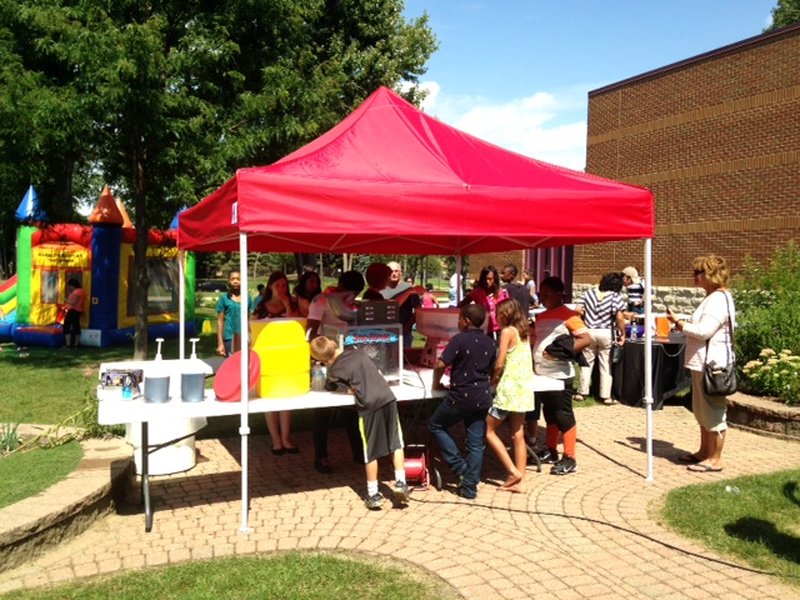
Libraries serve as essential community gathering places, fostering interaction and learning.
Innovative Programming for Diverse Audiences
Successful library programs are incredibly varied, catering to all ages and interests. They often blend traditional literacy efforts with contemporary needs, such as digital skills, health education, and social justice initiatives. The goal is to provide enriching experiences that empower individuals and strengthen the community fabric.
Programs for Children and Youth
Engaging the younger generation is critical for fostering lifelong learning and literacy. Libraries excel at creating interactive and fun environments for children and teens.
Early Literacy and Story Time
Story time remains a cornerstone of children's programming. These sessions, often incorporating music, movement, and crafts, are vital for early literacy development. Initiatives like "Child's Night Stand" and "Storytime Express Early Literacy Kits" go beyond the library walls, providing resources for parents at home. The "Global Reading Challenge" for 4th and 5th graders is another example of a successful program that promotes reading through a "Battle of the Books" format.
STEAM Activities and Educational Workshops
Modern libraries are increasingly offering Science, Technology, Engineering, Arts, and Mathematics (STEAM) programs. These can range from coding clubs for adults and children to hands-on workshops developed in collaboration with institutions like the MIT Media Lab's Public Library Innovation Exchange (PLIX). Such programs help bridge the digital divide and equip young people with essential 21st-century skills.
Teen and Tween Engagement
To keep older children engaged, libraries offer programs tailored to their interests, such as "Dungeons and Dragons" clubs, game tournaments, and creative workshops like "Emoji Paint Workshops" or "Young Writers Clubs." These programs provide safe spaces for social interaction and creative expression.
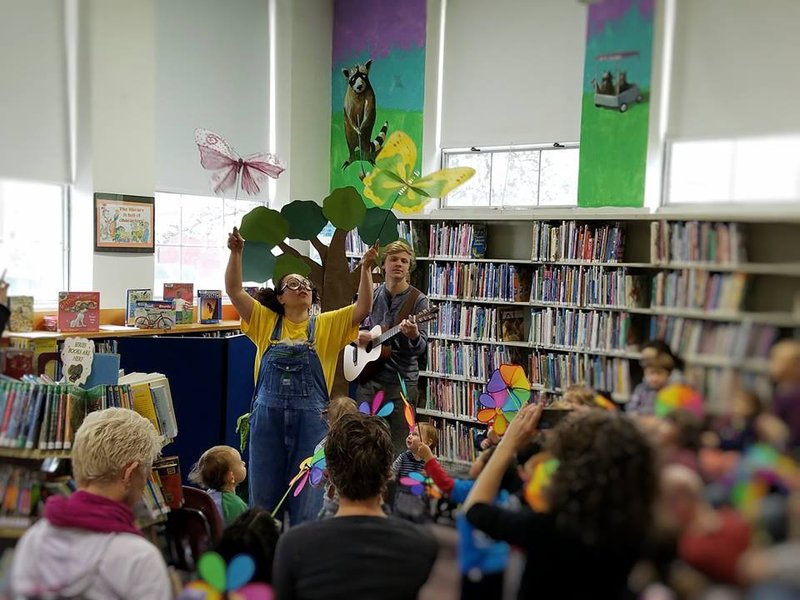
Children's programs are central to library success, fostering early literacy and a love for learning.
Adult and Family Programming
Libraries offer a wide array of programs designed to serve adults and families, addressing needs from career development to recreational interests.
Lifelong Learning and Skill Development
Programs focusing on digital literacy are particularly successful, helping community members navigate the internet safely, build job skills, and even learn to use new technologies. Financial literacy workshops, often targeting specific age groups, are also highly valued. Libraries frequently offer online classes and free research tools, allowing patrons to continue learning new subjects or improve their skills.
Health and Wellness Initiatives
Public libraries are increasingly seen as partners in public health. Programs range from nutrition workshops (some even serving meals) to mental health awareness sessions. Libraries have trained staff as "community health specialists," offering assistance with everything from chronic disease management to naloxone administration training. Movement-based programs like yoga classes, "Couch to 5K" running clubs, and "Get Your Community Moving" initiatives are also popular, promoting physical well-being and drawing new users.
Cultural and Recreational Events
Beyond educational pursuits, libraries host a variety of cultural and recreational events that bring people together. These include musical performances, family trivia nights, adult coloring sessions, and unique events like "Bad Art Night" or "Cookbook Clubs." Pop-up programming, such as "Books on Tap" at local breweries, or even "Biblioburro" (donkey library) initiatives in rural areas, demonstrate creative outreach methods.
Community Building and Outreach
Libraries actively foster community building by providing free meeting spaces and facilitating discussions. The "All Are Welcome" initiative of the San Francisco Public Library, for example, helps immigrants feel comfortable settling in the U.S. Libraries also partner with local businesses for promotions and hold events like book crawls, petting zoos, and bikemobile visits to reach individuals who may not regularly visit the library.
Addressing Specific Community Needs
Some of the most impactful library programs are those that address critical societal issues, showcasing the library's role as a social service provider and advocate for equity.
Support for Vulnerable Populations
Libraries play a crucial role in assisting vulnerable populations, including the homeless. The Dallas Public Library's "Homeless Engagement Initiative" provides one-on-one assistance with job applications, resumes, and life skills programs, offering respite and resources to thousands. Similarly, programs for families with children on the autism spectrum, like those at the Temecula Public Library, provide specialized story times and resource centers.
Digital Equity and Access
With the rise of the digital age, libraries are front-line institutions in bridging the digital divide. They offer computer access, Wi-Fi, and training in basic computer skills, helping community members complete life tasks that require digital literacy. Initiatives like the "Carson City Library BranchAnywhere" with automated library machines bring resources directly to underserved areas, providing access to digital tools and librarian-educator programming.
Environmental Stewardship
Libraries are increasingly taking on roles in promoting environmental awareness and sustainability. This can involve installing raised garden beds, starting seed exchanges, or hosting informational programs on gardening. The Sustainable Libraries Initiative helps libraries become more environmentally sound, socially equitable, and economically feasible.
Measuring Program Success
Understanding what makes a program successful is essential for continuous improvement. Libraries utilize various methods to evaluate the impact of their initiatives and ensure they meet community needs.
The National Impact of Library Public Programs Assessment (NILPPA) is a key initiative by the American Library Association (ALA) and Knology that researches the impacts of public programs and the skills library workers need to conduct them successfully. This ongoing study helps libraries understand and plan effective programming focused on specific outcomes and target audiences.
Here's a radar chart illustrating perceived success factors for public library programs, based on common themes observed across various successful initiatives:
This radar chart illustrates how modern library programs, focusing on "Perceived Program Success," prioritize broad community engagement and adaptability, while "Traditional Library Strengths" emphasize educational impact and accessibility. Successful programs demonstrate a balanced approach, excelling across all these dimensions.
The Impact of Community Engagement
Community engagement is at the heart of highly successful library programs. It ensures that the programs offered are truly relevant and impactful for the people they serve. Libraries that actively seek feedback from current and non-users, understand their aspirations, and address their challenges are more likely to create programs that resonate and draw people in. This approach transforms libraries into dynamic hubs that foster genuine connections and address real-world needs.

Libraries foster social connections and serve as crucial third places for community interaction.
Collaboration and Partnerships
Many successful programs leverage partnerships with local businesses, schools, and community organizations. These collaborations can lead to expanded offerings, increased reach, and more efficient use of resources. For example, working with local schools to bring programs directly to children who cannot visit the library, or partnering with astronomy clubs for telescope check-out programs and sky gazing parties, enhances the library's impact.
The following table summarizes key aspects of successful library programs, highlighting their focus and target audience:
| Program Type | Core Focus | Target Audience | Examples of Success |
|---|---|---|---|
| Literacy & Education | Reading, digital skills, lifelong learning | Children, teens, adults, job seekers | Story Times, Digital Literacy Workshops, Online Tutoring, Financial Literacy Programs |
| Community Health & Wellness | Physical and mental well-being, social services | All ages, vulnerable populations | Nutrition Programs, Yoga Classes, Homeless Engagement Initiatives, Naloxone Training |
| Cultural & Recreational | Arts, entertainment, social interaction | All ages, families | Musical Performances, Trivia Nights, Craft Workshops, Book Clubs, Game Tournaments |
| Civic & Social Engagement | Community building, social justice, dialogue | All community members | Meeting Spaces, "All Are Welcome" Initiatives, Community Forums, Civil Liberties Discussions |
| Innovation & STEM | Technology, science, creative problem-solving | Children, teens, adults | Makerspaces, Coding Clubs, STEAM Activities, Telescope Checkout |
Looking Ahead: The Future of Library Programming
As communities continue to evolve, so too will the role of public libraries. The emphasis on adaptability, inclusivity, and direct community responsiveness will remain paramount. Libraries will continue to be at the forefront of addressing pressing needs, from environmental sustainability to civic discourse, ensuring they remain invaluable public assets.
This video, "Reimagining the Public Library to Reconnect the Community," features the Cossitt Library in Memphis, Tennessee, and highlights its multi-million dollar transformation as part of the national Reimagining the Civic Commons initiative. It delves into how libraries are evolving their physical spaces and services to become more dynamic and integrated community hubs, fostering engagement and addressing contemporary urban needs. This transformation exemplifies the broader trend of libraries moving beyond traditional roles to become vital centers for social and civic life.
Frequently Asked Questions
What makes a library program successful?
Do libraries still focus on books?
How do libraries reach out to new patrons?
What kind of technology programs do libraries offer?
Recommended Further Exploration
- How public libraries foster community engagement?
- Innovative digital literacy programs in libraries?
- The role of libraries in public health?
- Strategies for inclusive library programming?