
Navigating the Labyrinth: Understanding and Managing Sudden Sensorineural Hearing Loss
A Comprehensive Overview for Ear Nurse Professionals
Key Insights into Sudden Sensorineural Hearing Loss (SSNHL)
- Medical Emergency: SSNHL is a time-sensitive condition requiring immediate medical attention to maximize the chances of hearing recovery.
- Idiopathic Nature: The majority of SSNHL cases (up to 90%) are idiopathic, meaning their exact cause remains unknown, though viral infections and inner ear inflammation are suspected.
- Prompt Treatment is Crucial: Early initiation of corticosteroids, ideally within two weeks of symptom onset, is the gold standard treatment and significantly improves prognosis.
Good morning, esteemed colleagues. Today, we delve into a critical and often alarming condition: Sudden Sensorineural Hearing Loss (SSNHL). This presentation aims to provide a comprehensive overview for ear nurse professionals, focusing on its definition, symptoms, diagnosis, causes, and crucial management strategies. Understanding SSNHL is paramount, as early recognition and intervention are key to preserving hearing and improving patient outcomes.
Defining Sudden Sensorineural Hearing Loss
Sudden Sensorineural Hearing Loss (SSNHL), often referred to as sudden deafness, is characterized by a rapid and unexplained loss of hearing. This abrupt onset can occur instantly or over a period of up to 72 hours. It primarily involves the inner ear (cochlea) or the auditory nerve (cranial nerve VIII), which are responsible for processing sound signals to the brain.
Key Characteristics of SSNHL
- Rapid Onset: The hearing loss manifests suddenly, either all at once or progressively over a few days.
- Unilateral Presentation: In the vast majority of cases (nine out of ten), SSNHL affects only one ear, though bilateral involvement can occur in rare instances.
- Significant Hearing Drop: The diagnostic criterion typically involves a loss of at least 30 decibels (dB) across three contiguous audiometric frequencies.
- Sensorineural Nature: This distinguishes SSNHL from conductive hearing loss, which results from blockages in the outer or middle ear (e.g., earwax, fluid buildup). SSNHL points to a problem with the sensory organs of the inner ear or the auditory nerve itself.
Recognizing the Symptoms of SSNHL
Patients experiencing SSNHL may report a variety of symptoms beyond just hearing loss. Prompt recognition of these accompanying signs is vital for timely referral and diagnosis.
Common Presenting Symptoms
- Sudden Hearing Reduction: Many individuals discover the hearing loss upon waking in the morning or when attempting to use the affected ear, such as during a phone call. Some may even report a loud "pop" sound preceding the loss.
- Tinnitus: A high percentage of patients (41% to 90%) experience ringing, buzzing, or other phantom noises in the affected ear.
- Dizziness or Vertigo: A significant number of patients (29% to 56%) may also report sensations of spinning, imbalance, or general dizziness. This indicates potential involvement of the vestibular system, which is also located in the inner ear.
- Aural Fullness or Pressure: A feeling of pressure or fullness in the ear, as if it needs to pop, is another common accompanying symptom.
It is important to note that patients sometimes attribute these symptoms to more common conditions like allergies, sinus infections, or earwax buildup, leading to delays in seeking medical attention. Educating patients on the significance of sudden hearing changes is crucial.
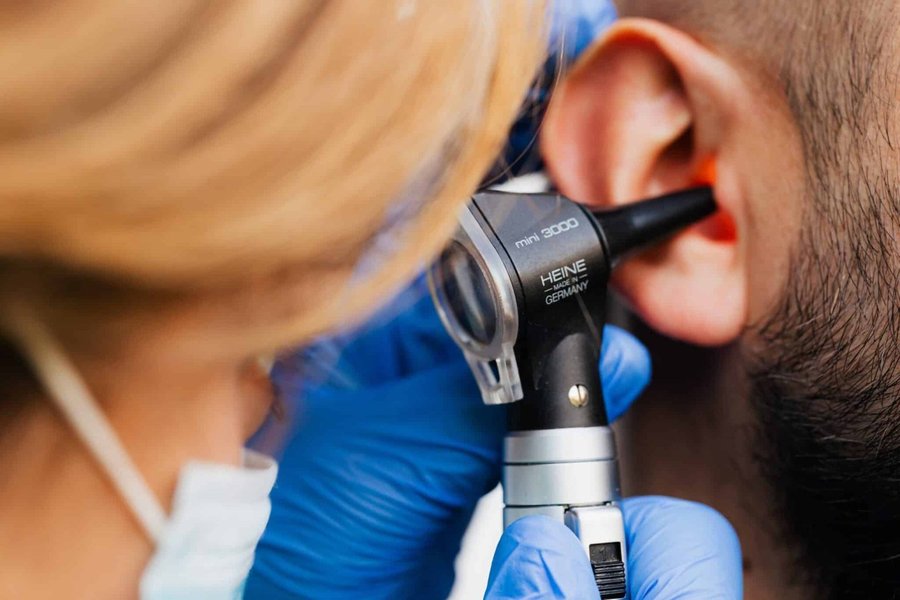
Understanding and recognizing the early signs of sudden hearing loss can significantly impact treatment outcomes.
Diagnostic Pathway for SSNHL
Diagnosing SSNHL requires a thorough and timely evaluation to differentiate it from other forms of hearing loss and to identify any underlying causes. The diagnostic process typically involves a combination of patient history, physical examination, and specialized audiological testing.
Essential Diagnostic Steps
Comprehensive Patient History
Gathering a detailed history is the first crucial step. Inquire about the exact onset, duration, and nature of the hearing loss. Ask about any associated symptoms such as tinnitus, dizziness, ear fullness, or recent illnesses, trauma, or exposure to loud noise. A family history of hearing loss or chronic medical conditions should also be noted.
Physical Examination of the Ear
A physical examination of the ear is performed to rule out conductive causes of hearing loss, such as earwax impaction, middle ear fluid, or infection. This typically involves an otoscopic examination of the ear canal and eardrum.
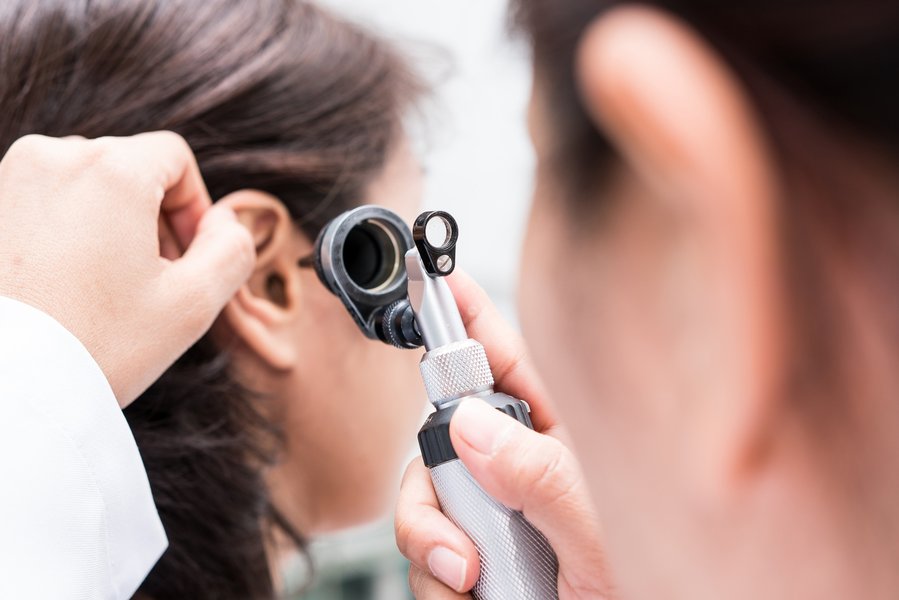
A comprehensive otoscopic examination is essential to rule out conductive hearing loss.
Pure Tone Audiometry
This is the most critical diagnostic test for SSNHL. A pure tone audiometry test should be performed within a few days of symptom onset, ideally within 14 days. It measures hearing thresholds at different frequencies and can differentiate between conductive and sensorineural hearing loss, quantifying the degree and configuration of the loss.
Further Investigations (if needed)
While audiometry is central, additional tests may be warranted in certain situations:
- MRI of the Internal Auditory Meati: This is often considered to rule out retrocochlear lesions, such as an acoustic neuroma (a benign tumor on the hearing nerve), especially if there is asymmetrical hearing loss or other neurological symptoms.
- Blood Tests: Although routine lab tests are not always recommended, specific blood tests may be performed if an autoimmune disease, viral infection, or other systemic condition is suspected.
- Balance Tests: If dizziness or vertigo is a prominent symptom, balance tests may be conducted to assess vestibular function.
Exploring the Etiology of SSNHL
The cause of SSNHL often remains elusive, with a significant majority of cases classified as "idiopathic," meaning the cause is unknown. However, various factors are suspected or have been identified in a smaller percentage of cases.
Suspected and Identified Causes
The table below summarizes the various potential causes and their prevalence in SSNHL:
| Category | Specific Causes/Factors | Prevalence/Notes |
|---|---|---|
| Idiopathic | Unknown (suspected inner ear inflammation, vascular compromise) | Up to 90% of cases |
| Infections | Viral infections (e.g., mumps, measles, herpes simplex, COVID-19), bacterial infections (e.g., meningitis) | Believed to be a common cause, accounting for approx. 13% of cases |
| Vascular Issues | Blockage or reduced blood flow to the inner ear or auditory nerve | Often theorized in idiopathic cases |
| Autoimmune Diseases | Systemic lupus erythematosus, granulomatosis with polyangiitis, autoimmune inner ear disease | Can be bilateral, often with other immune-related signs |
| Neurological Conditions | Acoustic neuroma (vestibular schwannoma), multiple sclerosis | Acoustic neuroma present in 4-10% of cases; SSNHL can be first symptom |
| Trauma | Head injury, barotrauma, perilymph fistula (rupture of inner ear membranes) | Less common, often with clear history of trauma |
| Metabolic/Endocrine | Diabetes, thyroid disorders (less direct association) | Indirect influence on microvasculature |
| Ototoxic Medications | Certain antibiotics (aminoglycosides), chemotherapy drugs, high-dose aspirin, loop diuretics | Drug-induced, usually dose-dependent |
| Ménière's Disease | Inner ear fluid imbalance | Can initially present as SSNHL, later developing typical vertigo/tinnitus |
Treatment Modalities for SSNHL
Given the time-sensitive nature of SSNHL, prompt treatment is crucial for improving prognosis. The primary goal of treatment is to recover hearing, and corticosteroids are considered the gold standard.
First-Line Treatment: Corticosteroids
Corticosteroids, particularly oral high-dose systemic corticosteroids (e.g., prednisone), are the most common and effective initial treatment for SSNHL. They are believed to reduce inflammation in the inner ear, which is thought to be a major contributing factor in idiopathic cases.
- Timing is Key: Initial therapy should be initiated as soon as possible, ideally within two weeks of symptom onset. Effectiveness significantly decreases beyond this window.
- Dosage and Duration: A common regimen involves oral prednisone at 1 mg/kg/day (maximum 60 mg/day) for a short course, often with a taper.
- Intratympanic Steroid Injections: For patients who do not recover sufficiently with oral steroids, or as a primary treatment option in some cases, steroids can be injected directly into the middle ear (intratympanic injections). This allows for higher concentrations of the drug to reach the inner ear with fewer systemic side effects. This is often recommended as a salvage therapy within 2 to 6 weeks following onset if initial treatment fails.
Adjunctive Therapies and Considerations
- Hyperbaric Oxygen Therapy (HBOT): While not FDA-approved for SSNHL as a standalone treatment, HBOT may be offered in combination with steroids. It involves breathing pure oxygen in a pressurized chamber, aiming to increase oxygen delivery to the inner ear.
- Antiviral Medications: If a viral cause is strongly suspected, antiviral medications may be prescribed, although their effectiveness in SSNHL is still debated and not consistently proven.
- Watchful Waiting: In some cases, particularly with mild to moderate hearing loss, spontaneous recovery can occur (around 32% to 65% of patients may recover some hearing on their own within two weeks). However, given the unpredictable nature and the potential for permanent loss, aggressive treatment is generally recommended.
- Management of Underlying Conditions: If a specific cause is identified (e.g., autoimmune disease, Meniere's disease), treatment will also focus on managing that underlying condition.
Prognosis and Rehabilitation
The prognosis for SSNHL varies widely among individuals. While many patients experience some degree of hearing recovery, a significant percentage may have persistent hearing loss, requiring rehabilitation.
Factors Influencing Prognosis
Several factors can influence the likelihood and extent of hearing recovery:
- Time to Treatment: Earlier treatment generally leads to better outcomes.
- Severity of Hearing Loss: Patients with milder hearing loss tend to have a better prognosis than those with profound loss.
- Presence of Vertigo: The presence of vertigo as an accompanying symptom is often associated with a less favorable prognosis.
- Audiogram Configuration: The pattern of hearing loss across different frequencies can also play a role.
- Age: While SSNHL can affect any age group, it is most common in adults between 50-60 years of age.
Overall, around 35-39% of patients with SSNHL may experience complete hearing recovery, often within one to two weeks from onset.
Audiologic Rehabilitation
For patients with residual hearing loss after treatment, audiologic rehabilitation is crucial to improve quality of life. This may include:
- Hearing Aids: These devices can amplify sound and significantly improve communication for individuals with residual hearing.
- Implantable Devices: For severe to profound hearing loss, cochlear implants or other implantable devices may be considered.
- Assistive Listening Technology: Various technologies can further aid communication in challenging listening environments.
- Counseling and Support: Providing education about the condition, managing expectations, and offering psychological support can help patients cope with the challenges of hearing loss.
A Visual Representation of SSNHL Management
To summarize the multifaceted approach to SSNHL, let's look at a radar chart that highlights key aspects of diagnosis, treatment, and patient care from the perspective of an ear nurse.
This radar chart illustrates the critical areas in SSNHL management. "Prompt Recognition" and "Patient Education" are rated highest in importance for ear nurses, as they are often the first point of contact. "Current Practice Gaps" highlights areas where further improvement can be made, such as ensuring more timely audiometry and enhanced patient education on the urgency of treatment. The chart serves as a visual reminder of where our efforts can be most impactful.
Educational Video: Sudden Sensorineural Hearing Loss - A Medical Emergency
To further deepen our understanding, I recommend watching this insightful video from Dr. Adam Cassis, an Otologist/Neurotologist, discussing SSNHL as a medical emergency. This video reinforces the urgency and diagnostic considerations we've discussed today.
Dr. Cassis emphasizes the importance of immediate attention and proper diagnostic steps, aligning with the guidelines that SSNHL should always be treated as a medical emergency. His discussion of the diagnostic pathway and treatment options provides a clinical perspective that complements the nursing role in early identification and patient guidance.
Frequently Asked Questions (FAQ)
What is the critical time window for treating SSNHL?
Can SSNHL affect both ears?
What is "idiopathic" sudden sensorineural hearing loss?
What are the long-term implications of untreated SSNHL?
Conclusion
Sudden Sensorineural Hearing Loss is a challenging but treatable condition that demands urgent attention from healthcare professionals. As ear nurses, your role in early detection, accurate assessment, and efficient referral is invaluable. By understanding the typical presentation, advocating for prompt audiometric evaluation, and educating patients on the importance of timely intervention, we can significantly improve the outcomes for individuals affected by this medical emergency. Continued vigilance and adherence to clinical guidelines are paramount in our collective effort to preserve hearing and enhance the well-being of our patients.
Recommended Further Exploration
- Explore detailed clinical guidelines for sudden sensorineural hearing loss management.
- Investigate the exact mechanisms of action for corticosteroids in inner ear pathologies.
- Discover advanced audiological rehabilitation strategies for sensorineural hearing loss.
- Learn about cutting-edge research in regenerative therapies for inner ear damage.