
Efficient Suitcase Packing Techniques
Master space-saving strategies for a stress-free travel experience
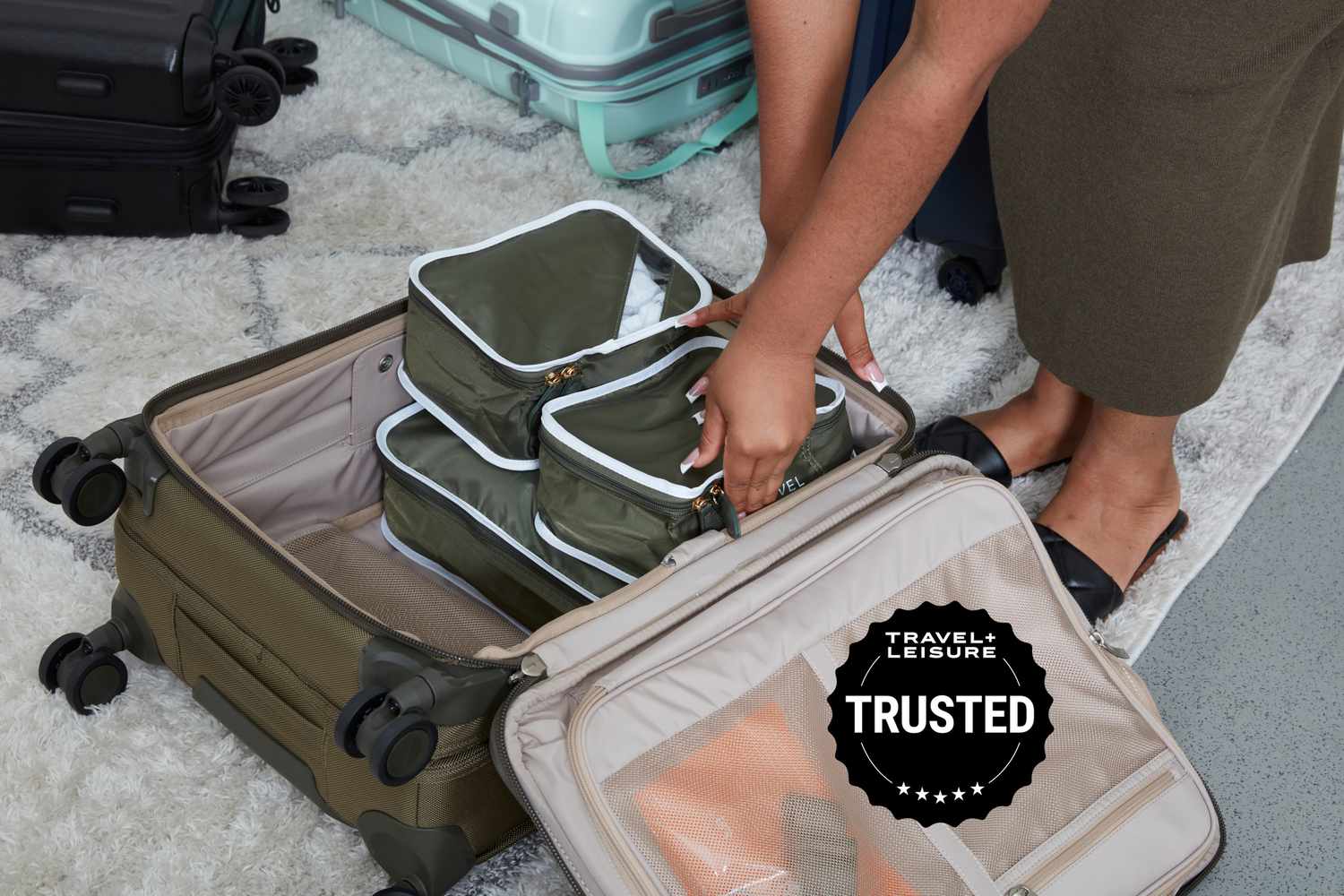
Key Insights
- Maximize Space with Smart Folding and Rolling: Choose the right method for each type of garment.
- Use Organizational Tools: Packing cubes, compression bags, and dedicated compartments streamline packing.
- Plan and Prioritize: A capsule wardrobe and clear packing list minimize overpacking and enhance accessibility.
Planning Your Packing Strategy
Successfully packing a suitcase efficiently begins with thorough planning and a thoughtful approach to each item you intend to bring. From selecting the right luggage to organizing a capsule wardrobe according to your itinerary, systematic preparation can significantly reduce travel stress. Begin by creating a detailed packing list, which ensures that you bring only what is essential. This not only helps in limiting the number of items but also prevents the common pitfalls of overpacking.
Understand Your Trip
Evaluate the purpose, duration, destination, and weather conditions of your journey. This initial step involves assessing the activities planned—whether it’s a business trip needing formal attire, a casual vacation where comfort is key, or an adventure outing that requires specialized gear. A well-considered packing list will include clothing, toiletries, electronics, travel documents, and any supplementary items, organized effectively to ensure every easy-access compartment is utilized.
Creating a Capsule Wardrobe
A capsule wardrobe involves packing a minimalist collection of versatile clothing pieces that can be mixed and matched. Establish a system similar to the widely recommended strategies, such as the 5-4-3-2-1 method (e.g., five sets of undergarments, four tops, three bottoms, two pairs of shoes, and one hat) or the 54321 method. This approach not only saves space but also ensures that every item in your suitcase serves multiple purposes.
Optimizing Packing Techniques
Folding vs. Rolling vs. Bundling
Clothes are best organized using a combination of folding, rolling, and bundling, each matching different fabric types and items:
Rolling Clothes
Rolling is ideal for softer garments such as t-shirts, jeans, pajamas, and activewear. Rolling not only condenses the space required but also helps minimize wrinkles, making it one of the most effective techniques for casual wear. When rolled tightly, items can be seamlessly arranged in the suitcase to maximize available space.
Folding Garments
For items that require a structured form or are made of stiffer fabrics—such as dress shirts, blazers, and trousers—folding is preferable. Folding maintains the structure of these garments and prevents unwanted creases. As a tip, combine both methods: roll softer items and fold more delicate or structured clothing.
Bundling and Wrapping
Bundling involves wrapping clothes together as a single package, a tactic that helps in saving space and reducing wrinkles further. Additionally, wrapping longer items like skirts or dresses around smaller, more compact items can protect them from folding lines. This method is particularly useful when packing outfits for quick changes during travel.
Using Packing Tools to Stay Organized
Specialized packing tools play a critical role in ensuring your suitcase remains organized and efficiently packed. The following items are essential:
| Tool | Purpose | Tips |
|---|---|---|
| Packing Cubes | Segment clothing and accessories | Group similar items together and stack them for enhanced compression. |
| Compression Bags | Compress bulky clothing | Use vacuum-sealed bags when weight allowance permits; ensure not to overpack. |
| Garment Folders | Organize delicate clothes | Perfect for suits, dresses, or folded shirts to avoid creases. |
| Travel Organizers | Store toiletries and electronics | Keep these items in an easily accessible compartment for quick use. |
In addition to these tools, consider wearing your bulkiest items (like heavy coats or boots) on the plane, thus freeing up valuable space in your suitcase.
Strategic Packing Execution
Organizing by Weight and Frequency of Use
A well-organized suitcase should be thought of as a three-dimensional puzzle where each item fits perfectly with its neighbors.
Weight Distribution
Distribute heavier items, such as shoes and toiletries, towards the bottom (or near the wheels when using rolling luggage) of the suitcase. This not only creates a solid foundation but also ensures easier maneuverability when traveling. Lighter items can be arranged on top, making them readily accessible.
Utilizing All Available Spaces
Take full advantage of every nook and cranny within your suitcase. Items like socks, underwear, or small accessories are perfect for filling gaps within shoes or the corners of your bag. This method of “filling every nook” optimizes the suitcase’s capacity while keeping items secure.
Clothing Selection and Outfit Planning
Thoughtful selection of clothing is crucial in avoiding overpacking. Not only does it reduce the bulk of your luggage, but it also streamlines the process of selecting outfits during your trip.
Limit Redundancies
Instead of packing duplicate items, choose versatile pieces that can pair well with multiple others. For instance, matching tops and bottoms can create several different looks, allowing you to pack fewer items without compromising on style.
Pre-plan Daily Outfits
Planning out your daily wear in advance prevents the temptation of last-minute overpacking. By determining what you are going to wear each day, you’re less likely to bring unnecessary items. This discipline is beneficial not only for packing but also aids in reducing decision fatigue during your trip.
Additional Practical Tips
Essential Travel Accessories and Considerations
Alongside clothing and personal items, incorporating travel accessories into your packing strategy can lead to a more organized and efficient experience.
Toiletries and Electronics
Keep essential items like toiletries, electronic chargers, and adapters in a separate, easily accessible compartment. Utilizing travel-sized products or multi-purpose toiletries helps in reducing weight and volume. Remember to secure these items in leak-proof packaging to avoid spills that could damage other belongings.
Dedicated Document Bags
Your travel documents—including passports, boarding passes, and itineraries—should be stored in a dedicated travel wallet or bag. This not only ensures quick access at checkpoints but also minimizes the risk of losing these crucial items.
Incorporating Modern Packing Innovations
Technology and innovative packing tools can further streamline your organization process:
Luggage Scales and Smart Organizers
Carrying a portable luggage scale ensures your suitcase remains within airline weight limits and avoids unexpected fees, thus contributing to a smoother travel experience. Smart organizers, including digital packing apps, can help track and manage your inventory and packing list.
Efficient Packing: A Step-by-Step Walkthrough
By merging planning, smart selection, and the careful use of packing tools, you can develop a structured packing strategy. Here’s an easy-to-follow step-by-step guide:
- Assess Your Needs: Analyze the purpose of your trip, weather conditions, and the activities planned. Create a packing list based on these factors.
- Select the Right Luggage: Choose a suitcase that suits the length and type of your trip. Consider a suitcase with compartments to enhance organization.
- Create a Capsule Wardrobe: Pack versatile clothing pieces that work well together, reducing the total number of items.
- Organize Using Packing Techniques: Roll casual items, fold structured garments, and bundle outfits as needed. Utilize packing cubes and compression bags.
- Fill In The Gaps: Make optimal use of every inch by stuffing smaller items, like socks or accessories, into shoes or corner spaces.
- Prioritize Accessibility: Place items that you will need readily on top or in easily accessible compartments, including travel documents, chargers, and toiletries.
- Check Weight and Dimension: Use a luggage scale to ensure compliance with airline weight restrictions.
This systematic approach not only enhances the efficiency of your packing routine but also transforms it into an enjoyable preparatory ritual, setting the tone for a well-organized travel experience.
References
- The Best Way to Pack a Suitcase - Real Simple
- Tips for Packing a Suitcase - Our Travel Mix
- Efficient Packing Techniques - Briggs & Riley
- How to Pack a Suitcase Like an Expert - Travel + Leisure
- How to Pack a Bag or Suitcase Efficiently - WikiHow
Recommended Related Queries
Last updated March 14, 2025