
Comprehensive Guide to Filling in a Supply Chain Assignment Template
Master the Essentials of Supply Chain Management and Excel in Your Assignment
Key Takeaways
- Identify and Understand Key Supply Chain Components: Grasp the fundamental elements such as suppliers, manufacturing, distribution, and logistics to effectively fill out the template.
- Customize and Organize Data Effectively: Tailor the template to your specific assignment requirements by gathering relevant data and structuring it logically.
- Incorporate Strategic Concepts and Metrics: Utilize concepts like Lean Six Sigma and include performance metrics to enhance the depth and accuracy of your analysis.
Understanding the Purpose of the Template
Before diving into filling out your supply chain assignment template, it is crucial to understand its intended purpose. Templates can vary significantly depending on the focus area, such as risk management, strategy planning, inventory management, or operational procedures. Clarifying the main objective will guide how you approach each section of the template, ensuring that your responses are aligned with the assignment's goals.
Identify the Focus Area
Determine whether the template emphasizes strategic planning, operational efficiency, risk assessment, or another specific aspect of supply chain management. This understanding will help you gather the most relevant data and apply appropriate frameworks to your analysis.
Define the Scope
Clarify the boundaries of your assignment. Are you analyzing a particular segment of the supply chain, such as procurement or distribution, or are you taking a holistic view of the entire supply chain process? Defining the scope ensures that your responses remain focused and comprehensive.
Gathering Relevant Data
Collecting accurate and comprehensive data is foundational to effectively filling out your supply chain template. This involves sourcing information related to various components of the supply chain, tailored to the template's focus.
Supplier Information
Detail the suppliers involved in your supply chain, including their locations, capabilities, and reliability. Understanding your suppliers' strengths and weaknesses helps in assessing the overall efficiency and resilience of the supply chain.
Supplier Relationship Management (SRM)
Describe how your organization manages relationships with suppliers. Effective SRM fosters collaboration, ensures quality, and mitigates risks associated with supplier dependencies.
Inventory Levels
Provide current data on inventory levels across different stages of the supply chain. This includes raw materials, work-in-progress, and finished goods. Efficient inventory management balances the costs of holding inventory with the need to meet customer demand promptly.
Inventory Management Techniques
Explain the methods used to manage inventory, such as Just-In-Time (JIT), Economic Order Quantity (EOQ), or ABC analysis. These techniques help optimize inventory levels and reduce holding costs.
Logistics and Transportation Details
Outline the logistics and transportation strategies employed to move goods through the supply chain. This includes the modes of transportation, carriers used, shipping routes, and any logistics partnerships.
Transportation Management
Discuss how transportation is managed to ensure timely and cost-effective delivery of products. This could involve route optimization, carrier selection, and freight consolidation strategies.
Cost Analysis
Provide a detailed analysis of the costs associated with each component of the supply chain. This includes procurement costs, manufacturing expenses, logistics costs, and any other relevant financial data.
Cost Management Strategies
Describe the strategies used to control and reduce costs within the supply chain. Techniques such as bulk purchasing, negotiation with suppliers, and process improvements can lead to significant cost savings.
Performance Metrics and KPIs
Identify and elaborate on the key performance indicators (KPIs) used to measure the effectiveness of your supply chain. Common KPIs include order accuracy, delivery times, inventory turnover, and overall supply chain costs.
Implementing KPIs
Explain how KPIs are tracked and utilized to drive continuous improvement within the supply chain. Regular monitoring and analysis of these metrics help in identifying areas for enhancement and ensuring alignment with strategic goals.
Customizing the Template
Templates are often designed to be adaptable to various contexts. Customizing the template to fit the specific requirements of your assignment ensures that it is relevant and comprehensive.
Adjusting Template Sections
Modify the sections of the template to align with your assignment's focus. This may involve adding, removing, or restructuring certain sections to better capture the nuances of your analysis.
Tailoring to Assignment Requirements
Ensure that each section of the template addresses the specific questions or objectives outlined in your assignment brief. This alignment is crucial for demonstrating a thorough understanding of the subject matter.
Incorporating Organizational Specifics
Integrate data and examples specific to the organization or case study you are analyzing. Using real-world information enhances the credibility and relevance of your assignment.
Using Real Data and Examples
Where possible, include actual figures, case studies, and examples from your organization or industry. This practical application illustrates your ability to apply theoretical concepts to real-world scenarios.
Filling in the Template Sections
Approach each section of the template methodically, ensuring that all required information is accurately and comprehensively addressed.
Basic Information
Start by providing fundamental details such as the company name, date, and project title. This sets the context for the rest of the assignment.
Detailed Section Completion
Proceed to fill in more detailed sections based on the template's focus. For example:
Strategy Planning
Define focus areas, set clear objectives, and outline the strategies that will be employed to achieve these goals. This could involve market expansion, cost reduction, or enhancing customer satisfaction.
Operational Procedures
Detail the standard operating procedures (SOPs) that govern various supply chain activities. This ensures consistency and efficiency in operations.
Risk Management
Identify potential risks that could disrupt the supply chain, assess their impact, and outline mitigation strategies to address these risks proactively.
Inventory Management
Describe how inventory levels are managed, including techniques used to balance supply and demand, minimize holding costs, and prevent stockouts.
Use of Visual Aids
Incorporate visual elements such as flowcharts, diagrams, and tables to enhance the clarity and comprehensiveness of your analysis.
Enhancing the Template with Strategic Concepts
Integrate advanced supply chain management concepts to add depth and sophistication to your assignment. This demonstrates a higher level of understanding and application.
Lean Six Sigma
Apply Lean Six Sigma principles to identify and eliminate waste, streamline processes, and improve overall efficiency within the supply chain.
Implementing Lean Techniques
Focus on value-added activities and reduce non-value-added processes to enhance operational efficiency.
Six Sigma for Quality Improvement
Utilize Six Sigma methodologies to minimize variability and defects in supply chain processes, ensuring consistent quality.
Risk Management Strategies
Develop comprehensive risk management plans that identify potential disruptions, analyze their likelihood and impact, and outline proactive measures to mitigate these risks.
Identifying Risks
Conduct thorough risk assessments to pinpoint vulnerabilities within the supply chain, such as supplier insolvency, geopolitical instability, or natural disasters.
Mitigation Techniques
Implement strategies such as diversifying suppliers, building contingency plans, and investing in supply chain visibility tools to reduce the impact of identified risks.
Strategic Sourcing
Enhance your sourcing strategy by leveraging purchasing power to secure favorable terms with suppliers, ensuring quality and reliability in the supply chain.
Supplier Selection and Evaluation
Establish criteria for selecting suppliers, including quality standards, cost competitiveness, and reliability, and regularly evaluate supplier performance against these criteria.
Negotiation and Contracting
Negotiate contracts that align with your strategic objectives, ensuring that terms support long-term supply chain sustainability and flexibility.
Incorporating Performance Metrics and Analysis
Integrate key performance indicators (KPIs) and metrics to assess the effectiveness and efficiency of your supply chain. This quantitative analysis provides a basis for continuous improvement.
Selecting Relevant KPIs
Choose KPIs that accurately reflect the performance aspects most critical to your supply chain's success. Common KPIs include:
-
Order Accuracy
-
On-Time Delivery
-
Inventory Turnover
-
Supply Chain Cost as a Percentage of Sales
-
Lead Time
Analyzing KPI Data
Use the collected KPI data to identify trends, benchmark performance against industry standards, and pinpoint areas requiring improvement.
Data Collection and Reporting
Implement robust data collection methods and reporting systems to ensure accurate and timely KPI tracking.
Benchmarking and Continuous Improvement
Compare your KPIs against industry benchmarks to gauge performance and drive initiatives aimed at continuous improvement.
Utilizing Visual Elements
Visual aids such as tables, charts, and diagrams enhance the presentation and comprehension of your supply chain analysis.
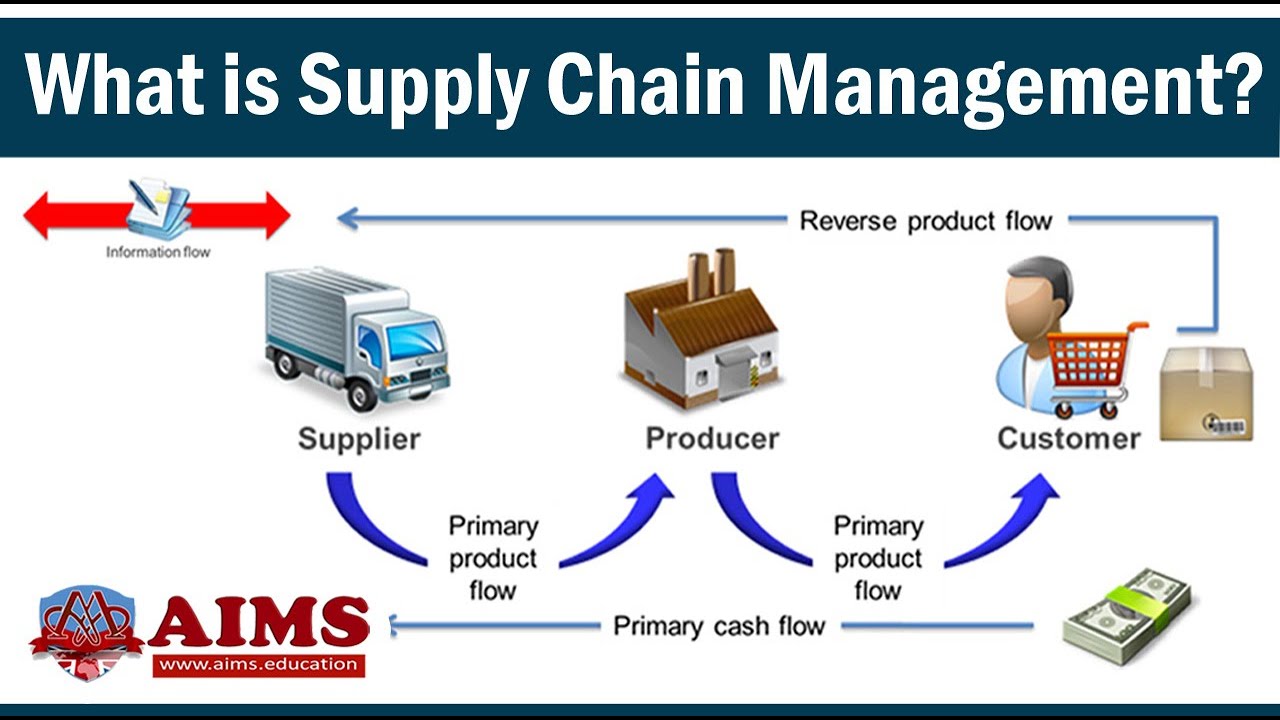
Supply Chain Flowchart
Create flowcharts to map out the flow of goods, information, and finances through the supply chain. This visualization helps in understanding the interconnectedness of supply chain components.
Performance Metrics Table
The table below illustrates key performance metrics and their respective targets:
| Performance Metric | Current Performance | Target Performance | Comments |
|---|---|---|---|
| Order Accuracy | 95% | 98% | Implement double-check systems to reduce errors. |
| On-Time Delivery | 90% | 95% | Optimize logistics and carrier partnerships. |
| Inventory Turnover | 6 times/year | 8 times/year | Enhance demand forecasting accuracy. |
| Supply Chain Cost | 15% of Sales | 12% of Sales | Negotiate better rates with suppliers and carriers. |
| Lead Time | 30 days | 25 days | Streamline production processes and reduce delays. |
Incorporating Flowcharts and Diagrams
Use flowcharts to depict processes such as order fulfillment, inventory management, and logistics operations. Diagrams can also illustrate relationships between suppliers, manufacturers, and customers.
Example: Order Fulfillment Process
Create a flowchart that outlines each step involved in fulfilling an order, from receipt to delivery, highlighting key checkpoints and decision points.
Reviewing and Finalizing the Template
After completing all sections of the template, it is essential to review and refine your work to ensure accuracy, completeness, and adherence to assignment requirements.
Proofreading for Clarity and Consistency
Carefully proofread your assignment to eliminate errors and ensure that the content is clear and logically structured. Consistency in terminology and formatting enhances the professionalism of your work.
Ensuring Compliance with Standards
Verify that your template adheres to industry standards and any specified regulatory requirements, particularly in areas related to safety, quality, and compliance.
Incorporating Feedback
If available, seek feedback from peers or instructors and incorporate their suggestions to improve the quality and depth of your assignment.
Conclusion
Successfully filling in a supply chain assignment template requires a deep understanding of supply chain management principles, meticulous data gathering, and strategic customization of the template to fit assignment objectives. By systematically addressing each section, integrating advanced concepts, and utilizing visual aids, you can create a comprehensive and insightful analysis that not only meets but exceeds assignment expectations. Continuous review and adherence to best practices ensure that your work is both accurate and impactful, demonstrating your proficiency in supply chain management.
References
Last updated February 15, 2025