
Unlock Peak Performance: Your Animated Guide to Supply Chain Management Efficiency
Discover strategies, technologies, and metrics to optimize your supply chain for cost savings, speed, and resilience in 2025.
In today's volatile global market, mastering supply chain management (SCM) efficiency isn't just an advantage – it's a necessity. Efficiency in the supply chain refers to the strategic optimization of resources, processes, and technology to ensure the seamless flow of goods and services from origin to consumer, all while minimizing costs, time, and waste. It's about achieving maximum output with minimum input, driving profitability and customer satisfaction.
Key Highlights for Supply Chain Optimization
- Technology Integration is Paramount: Leveraging AI, IoT, automation, and advanced analytics is crucial for real-time visibility, predictive insights, and streamlined operations.
- Efficiency Fuels Profitability and Resilience: Optimizing processes reduces operational costs significantly, enhances responsiveness to market shifts, and builds resilience against disruptions.
- Data-Driven Decisions are Essential: End-to-end visibility and the effective use of performance metrics (KPIs) empower businesses to identify bottlenecks, track progress, and continuously improve.
Why Prioritize Supply Chain Efficiency?
The Tangible Benefits of an Optimized Supply Chain
Investing in supply chain efficiency yields substantial returns across various business dimensions. It's not merely about cutting costs; it's about building a more robust, agile, and customer-focused operation.
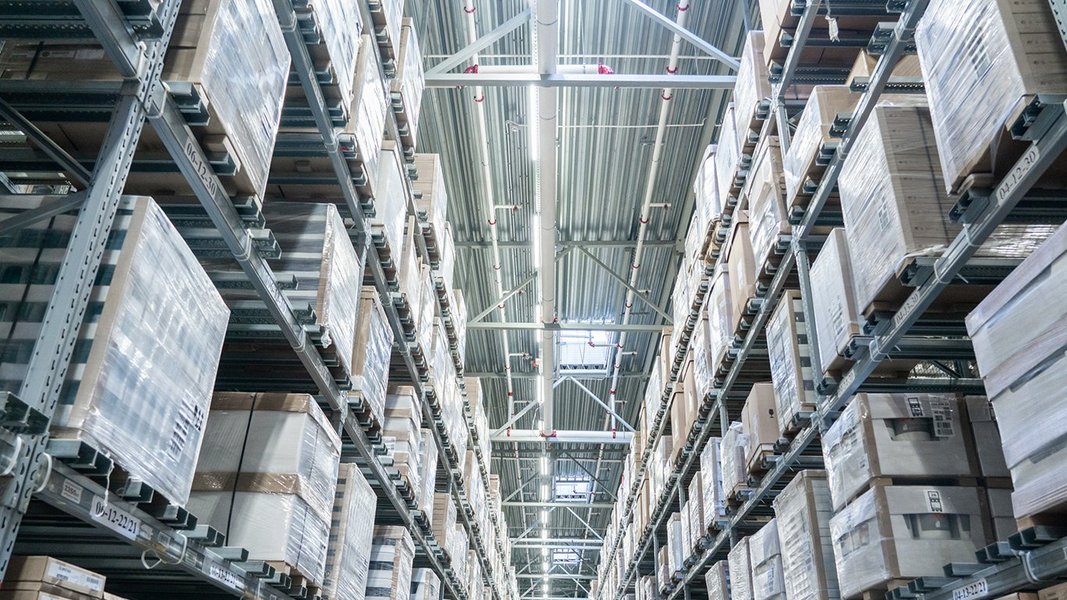
Efficient warehousing is a cornerstone of an optimized supply chain.
Cost Reduction
Optimized processes, better inventory management, and streamlined logistics directly translate into lower operational expenses. Efficient SCM can reduce procurement, warehousing, and transportation costs, potentially lowering overall operating costs by up to 15%.
Enhanced Customer Satisfaction
Efficiency leads to faster order fulfillment, more reliable delivery times, and fewer errors. This improved service level boosts customer satisfaction and loyalty, crucial differentiators in a competitive market.
Improved Inventory Management
Balancing inventory levels prevents costly stockouts and minimizes the expense of holding excess stock. Efficient systems use data and forecasting to maintain optimal inventory, improving cash flow and reducing waste.
Increased Agility and Responsiveness
An efficient supply chain is inherently more agile. It can adapt more quickly to fluctuations in demand, supply disruptions, or emerging market opportunities, minimizing negative impacts and capitalizing on positive shifts.
Greater Resilience
Visibility, strong supplier relationships, and contingency planning, often hallmarks of efficient supply chains, build resilience against disruptions like geopolitical events, natural disasters, or economic downturns.
Sustainability Gains
Efficiency often aligns with sustainability goals. Optimized logistics reduce fuel consumption and emissions, while minimizing waste contributes to environmental responsibility.
Core Pillars of Supply Chain Efficiency
Building Blocks for a High-Performing Supply Network
Achieving supply chain efficiency relies on several interconnected components working in harmony. Strengthening these pillars is fundamental to operational excellence.
End-to-End Visibility
Knowing where goods are at any given moment is critical. Real-time tracking and transparency across the entire supply chain, enabled by technologies like IoT and integrated software platforms, allow for proactive management and rapid response to issues.
Automation
Automating repetitive, manual tasks reduces errors, speeds up processes, and frees up human resources for more strategic activities. This includes Robotic Process Automation (RPA) for administrative tasks, warehouse automation (robots for picking and packing), and automated transportation systems.
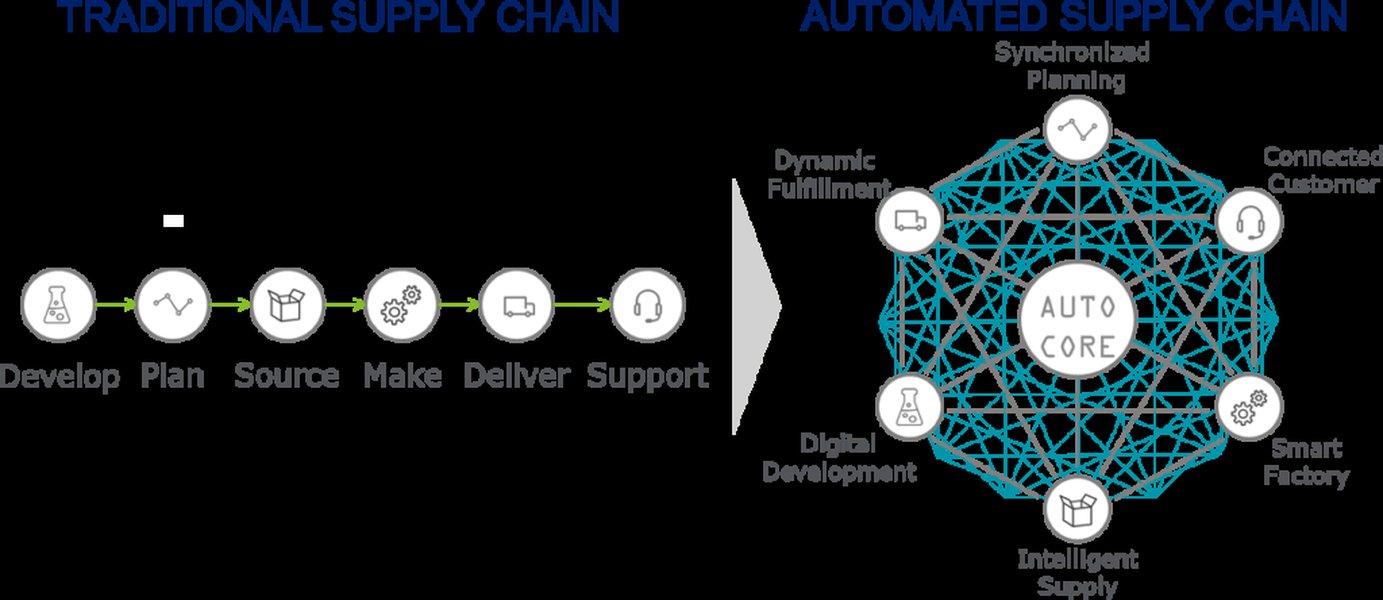
Automation streamlines various stages of the supply chain.
Collaboration and Supplier Relationship Management (SRM)
Strong, trust-based relationships with suppliers and partners are essential. Effective collaboration facilitates better planning, faster response times, shared risk management, and innovation.
Performance Measurement (KPIs)
You can't improve what you don't measure. Utilizing relevant Key Performance Indicators (KPIs) allows businesses to monitor performance, identify bottlenecks, benchmark against standards, and track the impact of improvement initiatives.
Technology Integration
Modern supply chains rely heavily on technology. Integrating systems like Warehouse Management Systems (WMS), Transportation Management Systems (TMS), Inventory Management Systems (IMS), and Enterprise Resource Planning (ERP), often enhanced with AI and analytics, provides the data and tools needed for efficient management.
Measuring Success: Key Performance Indicators (KPIs)
Tracking Your Journey Towards Efficiency
Selecting and monitoring the right KPIs is crucial for understanding performance gaps and driving continuous improvement in your supply chain. These metrics provide objective insights into various aspects of efficiency.
The following table outlines some of the most common and impactful KPIs used to measure supply chain efficiency:
| KPI Category | Specific KPI | What it Measures | Why it's Important for Efficiency |
|---|---|---|---|
| Inventory Management | Inventory Turnover Ratio | How quickly inventory is sold and replaced over a specific period. | High turnover suggests efficient sales and inventory management; low turnover may indicate overstocking or poor sales. |
| Order Fulfillment | Order Fulfillment Cycle Time | The total time elapsed from receiving an order to the customer receiving it. | Shorter cycle times indicate faster processing and delivery, leading to higher customer satisfaction and lower holding costs. |
| Logistics & Transportation | Freight Cost Per Unit | The average cost to transport one unit of product. | Helps monitor and optimize transportation spending, a major component of supply chain costs. |
| Order Fulfillment | Perfect Order Rate | The percentage of orders delivered complete, on time, undamaged, and with correct documentation. | A comprehensive measure of overall operational quality and efficiency from the customer's perspective. |
| Overall Costs | Supply Chain Cost as % of Revenue | Total supply chain costs (procurement, warehousing, logistics, etc.) divided by total revenue. | Provides a high-level view of the supply chain's cost-effectiveness relative to business performance. |
| Delivery Performance | On-Time Delivery Rate | The percentage of orders delivered to the customer by the promised date/time. | Directly impacts customer satisfaction and reflects the reliability of logistics operations. |
Regularly analyzing these KPIs helps identify trends, pinpoint areas needing attention, and validate the effectiveness of implemented strategies.
Strategies for Enhancing Supply Chain Efficiency
Actionable Steps Towards Optimization
Improving supply chain efficiency is an ongoing process involving strategic planning and execution across multiple fronts. Here are key strategies being implemented by leading companies:
Workflow and Process Improvement
Continuously analyze and refine workflows. Implementing standardized operating procedures (SOPs) and using tools like Root Cause Analysis (RCA) helps eliminate inefficiencies and ensure consistency from manufacturing to delivery.
Inventory Optimization Techniques
Move beyond simple stock counts. Utilize techniques like safety stock analysis, ABC analysis, and demand forecasting (often AI-powered) to balance inventory levels, minimizing holding costs while ensuring product availability.
Strengthening Supplier Relationships
Invest in building collaborative partnerships with key suppliers. This fosters better communication, risk sharing, innovation, and reliability, contributing significantly to a smoother supply chain.
Embracing Automation
Identify opportunities to automate tasks in warehousing (e.g., robotic picking/packing), transportation (e.g., route optimization software, potentially autonomous vehicles in the future), and administrative processes (e.g., order processing with RPA).

AI and Automation are transforming supply chain efficiency.
Leveraging Data Analytics
Utilize advanced analytics and AI to gain deeper insights from supply chain data. Predictive analytics can forecast demand, anticipate disruptions, and optimize routing, enabling proactive, data-driven decision-making.
Enhancing Logistics and Distribution
Optimize transportation routes, modes, and carrier selection. Implementing Transportation Management Systems (TMS) provides visibility and control over logistics operations, reducing costs and improving delivery times. Consider nearshoring or reshoring strategies to shorten transit times and increase responsiveness.
Investing in Talent and Training
Ensure your workforce is equipped with the necessary skills. Training on new technologies, processes, and SOPs is vital. Roles focused on data analysis and AI modeling are becoming increasingly important.
Exploring SCaaS (Supply Chain as a Service)
Consider outsourcing specific logistics functions (like warehousing or transportation) to specialized third-party providers (3PLs). This can provide access to expertise and technology, offering scalability and potentially reducing costs.
Visualizing Efficiency Strategies
The following mindmap illustrates how various strategies interconnect to drive overall supply chain efficiency:
This visualization highlights the multifaceted nature of SCM efficiency, requiring a holistic approach that integrates technology, process refinement, and strong partnerships.
The Power of Technology in Modern Supply Chains
Driving Efficiency and Innovation in 2025
Technology is the engine powering the evolution of supply chain management. Advancements are enabling unprecedented levels of visibility, automation, and intelligence, fundamentally reshaping how supply chains operate.
Artificial Intelligence (AI) and Machine Learning (ML)
AI/ML algorithms analyze vast datasets to provide predictive insights for demand forecasting, inventory optimization, risk assessment, and route planning. Generative AI is also finding applications in automating reports and communications.
Internet of Things (IoT)
IoT sensors embedded in shipments, containers, vehicles, and warehouses provide real-time data on location, temperature, humidity, and other conditions. This enhances tracking, ensures product integrity, and enables proactive issue resolution.
Robotics and Automation
From automated guided vehicles (AGVs) and robotic arms in warehouses to experiments with self-driving trucks and delivery drones, automation is boosting speed, accuracy, and efficiency while addressing labor shortages in logistics.

Intelligent automation is increasingly prevalent in logistics and warehousing.
Blockchain
Blockchain technology offers a secure, immutable ledger for tracking transactions and movements across the supply chain. This enhances transparency, traceability, and trust among partners, particularly valuable for complex, multi-tier supply chains.
Cloud-Based SCM Platforms
Cloud computing provides the scalable infrastructure needed to host integrated SCM software (WMS, TMS, IMS, ERP). These platforms centralize data, facilitate collaboration, and allow access to real-time information from anywhere.
Predictive Analytics
Going beyond historical reporting, predictive analytics uses data models to forecast future events, such as potential disruptions, demand surges, or transportation delays, allowing businesses to plan and mitigate risks proactively.
Comparing the Impact of Efficiency Drivers
Different strategies and technologies impact various aspects of supply chain performance differently. The following radar chart provides a conceptual comparison of the relative impact of key efficiency drivers on critical outcomes. The scores (ranging notionally from 6 to 10) represent potential impact magnitude, where 10 is the highest.
This chart illustrates that technologies like AI and Analytics have a broad, high impact, particularly on visibility and cost reduction, while Automation excels in improving speed. Strong Collaboration is key for resilience. A balanced approach, leveraging multiple drivers, is often the most effective strategy.
Optimizing for Profit and Efficiency: Video Insights
Practical Strategies for Supply Chain Enhancement
To further explore practical strategies for building a more efficient and profitable supply chain, the following video offers valuable insights. It delves into essential logistics considerations and optimization techniques relevant for businesses aiming to improve their supply chain performance.
This video, "How to Optimize Your Supply Chain for Efficiency and Profit!", discusses the secrets to building robust supply chains, covering essential logistics components and strategies. It complements the concepts discussed earlier by providing a visual and narrative explanation of optimization tactics, reinforcing the link between efficiency measures and positive financial outcomes.
Navigating the Challenges
Overcoming Obstacles on the Path to Efficiency
While the benefits are clear, achieving optimal supply chain efficiency is not without its hurdles. Businesses must be prepared to address several common challenges:
Data Silos and Lack of Integration
Information often resides in separate systems across different departments or partners, hindering end-to-end visibility and coordinated decision-making.
Complexity of Global Networks
Managing supply chains that span multiple countries involves navigating diverse regulations, cultural differences, logistical complexities, and longer lead times.
Cost and Complexity of Technology Adoption
Implementing new technologies like advanced WMS, TMS, or AI requires significant investment and can involve complex integration processes.
Resistance to Change
Overcoming organizational inertia and ensuring employee buy-in for new processes and technologies can be challenging.
Supply Chain Disruptions
Unforeseen events like pandemics, geopolitical conflicts, natural disasters, or supplier bankruptcies can severely impact operations, highlighting the need for resilience alongside efficiency.
Talent Gaps
Finding and retaining personnel with the necessary skills in areas like data analytics, AI, and modern logistics management can be difficult.
Implementing Efficiency Improvements: A Step-by-Step Approach
Your Roadmap to a More Efficient Supply Chain
Improving supply chain efficiency is a continuous journey, not a one-time project. A structured approach can guide implementation and ensure sustainable results:
- Assess Current Performance: Conduct a thorough analysis of your existing supply chain processes, costs, and performance using relevant KPIs. Map out current workflows.
- Identify Bottlenecks and Inefficiencies: Pinpoint specific areas where delays, high costs, waste, or errors occur. Use tools like process mapping and Root Cause Analysis.
- Set Clear, Measurable Goals: Define specific, measurable, achievable, relevant, and time-bound (SMART) objectives for improvement based on your assessment and target KPIs.
- Select Appropriate Strategies and Technologies: Choose the improvement levers (e.g., automation, process redesign, inventory optimization) and enabling technologies that best address your identified bottlenecks and goals. Evaluate potential partners if needed.
- Develop an Implementation Plan: Outline the steps, resources, timelines, and responsibilities for rolling out the changes.
- Train Teams and Implement Changes: Provide adequate training to employees on new processes and systems. Execute the implementation plan, potentially starting with pilot projects.
- Monitor Progress and Continuously Improve: Track KPIs rigorously to measure the impact of changes against your goals. Foster a culture of continuous improvement, regularly reviewing performance and seeking further optimization opportunities.
Frequently Asked Questions (FAQ)
What is the difference between supply chain efficiency and responsiveness?
Efficiency focuses on minimizing the cost and resources used to produce and deliver goods (doing things right). It prioritizes cost reduction, asset utilization, and process optimization. Responsiveness (or effectiveness/agility) focuses on the supply chain's ability to react quickly to changes in demand or supply disruptions (doing the right things). It prioritizes speed, flexibility, and adapting to market volatility. Often, there's a trade-off, but modern strategies aim to balance both through technology and agile processes.
How does technology like AI specifically improve supply chain efficiency?
AI improves efficiency in numerous ways:
- Demand Forecasting: More accurate predictions reduce overstocking and stockouts.
- Inventory Optimization: AI determines optimal stock levels and reorder points.
- Predictive Maintenance: Predicts equipment failures in manufacturing or logistics, reducing downtime.
- Route Optimization: Calculates the most efficient delivery routes, saving time and fuel.
- Risk Management: Identifies potential disruptions by analyzing global data streams.
- Process Automation: Automates complex decision-making tasks previously done by humans.
Is investing in supply chain efficiency only for large corporations?
No. While large corporations may have more resources for extensive technological overhauls, the principles of efficiency apply to businesses of all sizes. Small and medium-sized enterprises (SMEs) can achieve significant improvements through process optimization, better supplier communication, adopting affordable cloud-based software (like inventory management tools), focusing on key KPIs, and strategic inventory management. The key is to identify the most impactful changes relative to the business's scale and resources.
How important is sustainability in supply chain efficiency?
Sustainability is increasingly integral to supply chain efficiency. Efficient practices often inherently support sustainability goals – for example, optimized logistics reduce fuel consumption and emissions, better inventory management minimizes waste, and process improvements reduce resource consumption. Furthermore, consumers and regulators are placing greater emphasis on sustainable and ethical supply chains, making it a critical factor for brand reputation, compliance, and long-term competitiveness.
Recommended Further Exploration
- Explore how Artificial Intelligence is specifically revolutionizing demand forecasting accuracy in supply chains.
- Investigate the strategic trade-offs between reshoring and nearshoring production for supply chain resilience.
- Discover the essential features and benefits offered by modern Warehouse Management Systems (WMS).
- Learn about the applications of blockchain technology for improving transparency and security in global supply chains.
References
Last updated May 4, 2025