
Surgical Techniques for Endometriosis
Understanding the Comprehensive Surgical Approaches to Managing Endometriosis
Key Takeaways
- Minimally Invasive Procedures: Laparoscopic surgery remains the gold standard for both diagnosis and treatment, offering benefits such as reduced recovery time and preservation of fertility.
- Advanced Surgical Options: Robotic-assisted laparoscopy and hysterectomy provide enhanced precision and significant symptom relief, especially in severe cases.
- Comprehensive Post-Surgical Care: Ongoing hormonal therapy, pain management, and fertility consultations are crucial for optimal long-term outcomes.
Introduction
Endometriosis is a chronic gynecological condition characterized by the presence of endometrial-like tissue outside the uterus, leading to pain, inflammation, and potential infertility. Surgical intervention is often recommended when medical therapies fail to manage symptoms effectively or when fertility preservation is a concern. This comprehensive overview explores the various surgical techniques available for treating endometriosis, their indications, benefits, risks, and post-operative care.
Main Surgical Techniques
Laparoscopic Surgery (Minimally Invasive)
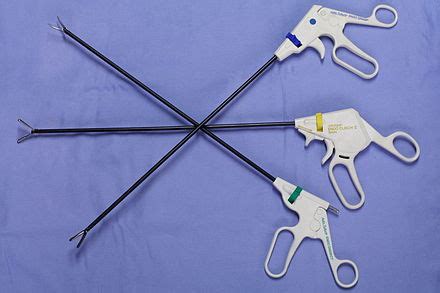
Laparoscopic surgery, commonly referred to as "keyhole surgery," is the cornerstone of surgical management for endometriosis. It serves both diagnostic and therapeutic purposes, allowing direct visualization and targeted treatment of endometrial lesions.
Excision vs. Ablation
There are two primary methods within laparoscopic surgery:
- Excision: This technique involves the complete removal of endometrial lesions, including their roots, using surgical instruments. Excision is particularly effective for deep infiltrating endometriosis (DIE) and is associated with lower recurrence rates.
- Ablation: Ablation entails the destruction of endometrial tissue using heat or laser energy. While it can effectively reduce superficial lesions, it may not be as efficacious in removing deeper or more extensive disease.
Robotic-Assisted Laparoscopy
Robotic-assisted laparoscopy utilizes advanced robotic systems, such as the Da Vinci Surgical System, to enhance surgical precision and dexterity. This method is particularly beneficial in complex cases of endometriosis, where meticulous dissection is required to remove extensive lesions without damaging surrounding organs.
- Advantages: Improved visualization, greater range of motion for surgical instruments, and increased surgeon precision.
- Considerations: Requires specialized training and may involve higher costs compared to traditional laparoscopy.
Ovarian Cystectomy
Endometriomas, also known as "chocolate cysts," are ovarian cysts filled with old blood resulting from endometriosis. Surgical removal of these cysts (cystectomy) is essential not only for pain relief but also to preserve ovarian function and fertility.
- Procedure: The cyst is carefully excised from the ovary, ensuring minimal damage to ovarian tissue to maintain hormonal function and future fertility prospects.
- Benefits: Alleviates pain, reduces the risk of cyst rupture or malignancy, and improves fertility outcomes.
Laparotomy (Open Surgery)
Laparotomy involves a larger abdominal incision compared to laparoscopy and is typically reserved for severe or extensive cases of endometriosis that cannot be adequately addressed through minimally invasive techniques.
- Advantages: Allows for comprehensive access to the pelvic and abdominal cavities, facilitating the removal of extensive endometrial tissue and involvement of multiple organs.
- Disadvantages: Longer recovery time, increased risk of surgical complications, higher postoperative pain, and extended hospital stay.
Hysterectomy
Hysterectomy, the surgical removal of the uterus, is considered a definitive treatment for endometriosis, particularly in cases where other treatments have failed and the patient does not wish to preserve fertility.
- Procedure: May involve removal of the uterus alone or, in some cases, the ovaries (oophorectomy) to further reduce hormone-driven endometrial tissue growth.
- Benefits: Significant relief from endometriosis-related pain and symptoms.
- Considerations: Permanent loss of fertility, potential hormonal imbalances (especially if ovaries are removed), and the fact that it is not a cure for all endometriosis manifestations.
Advanced Surgical Procedures
In complex cases of endometriosis, additional surgical procedures may be necessary to address involvement of other pelvic organs and alleviate severe symptoms.
- Nerve Procedures:
- Laparoscopic Uterine Nerve Ablation (LUNA): Involves cutting the nerves that transmit pain signals from the uterus and pelvic organs.
- Presacral Neurectomy (LPSN): Entails severing the presacral nerves to reduce pelvic pain.
- Resection of Affected Organs: Removal or repair of endometrial lesions infiltrating the bowel, bladder, or diaphragm.
- Treatment of Deep Infiltrating Endometriosis (DIE): Specialized excision techniques to remove deeply embedded endometrial tissue.
Factors Influencing Surgical Approach
Severity of Disease
The extent and location of endometriosis significantly dictate the surgical approach:
- Superficial Peritoneal Endometriosis: Can often be managed with either excision or ablation during laparoscopy.
- Deep Infiltrating Endometriosis (DIE): Requires precise excisional techniques to remove lesions completely, often necessitating advanced surgical skills and sometimes robotic assistance.
- Multisystem Involvement: Cases involving multiple pelvic organs may require a combination of surgical techniques for effective management.
Patient Goals
Individual patient objectives play a crucial role in determining the appropriate surgical intervention:
- Fertility Preservation: Procedures like ovarian cystectomy aim to preserve ovarian tissue and function, supporting future fertility.
- Symptom Relief: Pain-relieving surgeries, such as hysterectomy, may be prioritized for patients whose primary concern is alleviating severe pain.
- Comprehensive Disease Management: Some patients may opt for more extensive surgeries to ensure complete disease eradication, despite potential impacts on fertility.
Surgeon's Expertise
The skill and specialization of the surgeon are paramount to achieving optimal surgical outcomes:
- Endometriosis surgery requires specialized training due to the complex anatomy and potential for involvement of multiple organs.
- Surgeons experienced in both laparoscopic and robotic-assisted techniques are better equipped to handle severe and intricate cases.
- Collaborative approaches involving multidisciplinary teams (e.g., colorectal surgeons, urologists) enhance the effectiveness of surgical management in complex cases.
Risks and Challenges
Risk of Recurrence
Despite comprehensive surgical intervention, endometriosis has a tendency to recur, particularly if all lesions are not fully excised. Recurrence rates can vary based on the extent of disease, surgical technique employed, and individual patient factors.
Potential Complications
- Intraoperative Risks: Damage to surrounding organs such as the bowel, bladder, blood vessels, or nerves during surgery.
- Postoperative Complications: Includes infection, bleeding, and formation of adhesions, which can lead to further pain and fertility issues.
- Reduced Ovarian Reserve: Particularly with procedures like ovarian cystectomy, there is a risk of diminishing ovarian function, which can impact fertility.
Patient-Specific Factors
Individual health status, age, and prior surgical history can influence both the risks and outcomes of endometriosis surgery. Personalized assessment is essential for minimizing complications and optimizing results.
Comprehensive Post-Surgical Care
Successful surgical management of endometriosis extends beyond the operating room. Comprehensive post-surgical care is vital to ensure long-term symptom relief, prevent recurrence, and support overall patient well-being.
Hormonal Therapy
Hormonal treatments, such as oral contraceptives, progestins, or GnRH agonists, are often prescribed post-surgery to suppress any residual endometrial tissue and reduce the risk of recurrence.
Pain Management
Managing pain through medications, physical therapy, or alternative therapies can enhance recovery and improve quality of life post-surgery.
Fertility Consultation
For patients desiring future pregnancies, fertility specialists can provide guidance on conception strategies, assisted reproductive technologies, or further interventions if necessary.
Regular Follow-Ups
Scheduled appointments with healthcare providers are essential to monitor recovery, manage any ongoing symptoms, and adjust treatment plans as needed.
Recovery and Outcomes
The recovery trajectory and long-term outcomes of endometriosis surgery vary based on the surgical method employed and the individual patient's condition:
Recovery Time
-
Laparoscopic Procedures: Typically involve shorter hospital stays (often same-day discharge) and faster recovery periods (1-2 weeks).
-
Laparotomy: Associated with longer recovery times (4-6 weeks), increased postoperative pain, and extended periods of limited physical activity.
-
Robotic-Assisted Surgery: Recovery times are comparable to traditional laparoscopy, with the added benefits of precision potentially reducing postoperative discomfort.
Symptom Relief and Fertility Improvement
Many patients experience significant relief from pain and other endometriosis-related symptoms following surgery. Additionally, surgical intervention can improve fertility outcomes by removing obstructions and restoring normal pelvic anatomy.
Recurrence Rates
Recurrence of endometriosis is possible, especially if disease was extensive or not all lesions were removed during surgery. Ongoing hormonal therapy and regular follow-ups can help mitigate this risk.
Quality of Life
Successful surgical treatment of endometriosis can lead to substantial improvements in quality of life, including reduced pain, enhanced physical functioning, and psychological benefits.
Comparison of Surgical Techniques
| Technique | Advantages | Disadvantages | Ideal For |
|---|---|---|---|
| Laparoscopic Excision | Complete removal of lesions, lower recurrence rates, preservation of fertility | Requires skilled surgeon, potential for ovarian reserve reduction | Deep infiltrating endometriosis, fertility preservation |
| Laparoscopic Ablation | Minimally invasive, shorter recovery time | May not remove deep lesions, higher recurrence risk | Superficial peritoneal endometriosis |
| Robotic-Assisted Laparoscopy | Enhanced precision, better visualization, suitable for complex cases | Higher cost, requires specialized equipment | Severe or intricate endometriosis |
| Laparotomy | Comprehensive access, suitable for extensive disease | Longer recovery, higher complication risk | Severe/endometriosis involving multiple organs |
| Hysterectomy | Significant symptom relief, definitive treatment | Permanently affects fertility, hormonal imbalances if ovaries removed | Severe cases where fertility preservation is not desired |
Conclusion
Surgical intervention remains a pivotal component in the management of endometriosis, particularly for cases unresponsive to medical therapy or those affecting fertility. Minimally invasive techniques like laparoscopy and robotic-assisted surgery offer significant benefits, including reduced recovery times and preservation of reproductive organs. In more severe cases, open surgery or hysterectomy may be necessary to achieve comprehensive disease control. The choice of surgical technique must be individualized, taking into account the severity of disease, patient goals, and the surgeon's expertise. Post-operative care, including hormonal therapy and pain management, is essential to maximize surgical outcomes and enhance the quality of life for patients.
References
Last updated January 16, 2025