
Exploring the Intricate World of Vehicle Suspension Systems
A Comprehensive Guide on Key Components and Their Functions
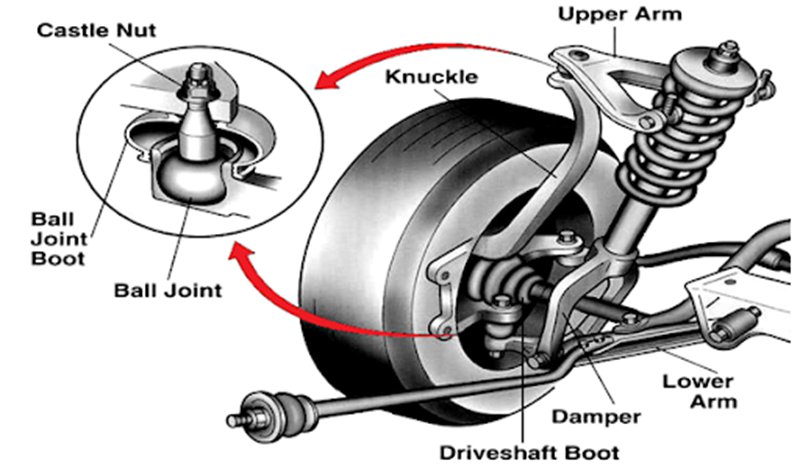
Highlights
- Comprehensive Overview: Detailed insights into each component of the suspension system.
- Function and Description: Clear explanation of how each part contributes to vehicle handling and ride comfort.
- Easy-to-Reference Table: A complete table that summarizes the most critical components and their roles.
Introduction to Suspension Systems
The suspension system plays a pivotal role in the overall performance, comfort, and safety of a vehicle. Its main objective is to maintain tire contact with the road surface, absorb shocks, and control body dynamics during various driving conditions. In modern automotive engineering, the suspension system is composed of multiple components working in tandem to ensure a balanced and stable driving experience.
Understanding the different components involved in the suspension—and their specific functions—can provide valuable insights, whether you are a car enthusiast, a mechanic, or someone interested in the engineering behind automobiles. This guide breaks down the key components of the suspension system into a table and discusses their vital roles in depth.
Key Components of the Suspension System
The fundamental elements of a vehicle's suspension system include components such as springs, shock absorbers, struts, control arms, ball joints, sway bars, bushings, and other vital parts. Each component contributes uniquely to the system's overall function, ensuring a harmonious balance between comfort, handling, and road safety. Below is a detailed table summarizing these components along with their descriptions and functions.
Comprehensive Suspension Components Table
| Component | Description | Function |
|---|---|---|
| Springs | Typically available as coil springs, leaf springs, or torsion bars. They are one of the most common components found across different types of vehicles. | Support the vehicle's weight, absorb vibrations and shocks from uneven road surfaces, and help maintain ride height. |
| Shock Absorbers | Hydraulic or gas-filled devices that work alongside springs. | Control and dampen the oscillations caused by the springs, improving ride quality and ensuring the tires remain in contact with the road. |
| Struts | A combination component that integrates a coil spring and a shock absorber into a single assembly. | Provide structural support, absorb impacts, and simplify the suspension design by managing vertical and lateral motions. |
| Control Arms | Rigid arms that connect the wheel assembly to the vehicle's frame or chassis. | Facilitate controlled wheel movement, ensure proper alignment, and help maintain stability during dynamic driving conditions. |
| Ball Joints | Spherical bearings that connect the control arms to other suspension components, such as steering knuckles. | Allow for smooth rotational movement, aid in steering, and transmit loads during turns and road impacts. |
| Sway Bars | Also known as anti-roll bars; these are tubular steel bars connected between the left and right sides of the suspension. | Limit body roll during cornering by distributing torsional forces, thereby enhancing vehicle handling. |
| Bushings | Rubber or polyurethane pads that serve as connectors between suspension components. | Dampen vibrations, reduce friction between moving parts, and help isolate engine and road noise for a smoother driving experience. |
| Steering Knuckles | Crucial parts that link the suspension system to the steering mechanism. | Facilitate the transfer of steering inputs to the wheels while ensuring proper alignment and smooth operation during turning. |
| Coil Spring Insulators | Often made from rubber or plastic, these insulators are positioned between the spring and other components. | Diminish vibrations, reduce noise, and cushion impacts ensuring a decrease in the harshness felt by the vehicle occupants. |
Detailed Analysis of Each Component
A deeper dive into the suspension components reveals the intricate interplay required to achieve a smooth, safe, and responsive driving experience. Each of the table components plays a specialized role that contributes to the overall effectiveness of the suspension system.
Springs: The Foundation of Suspension
Springs are perhaps the most fundamental element of the suspension system. Their primary role is to support the weight of the vehicle while absorbing shocks arising from uneven road surfaces. There are three primary types of springs:
- Coil Springs: Typically used in passenger vehicles, they provide a good balance between cost, weight, and performance.
- Leaf Springs: Often found in heavy-duty trucks, these are effective in distributing the vehicle's weight over a larger area.
- Torsion Bars: Utilized in some vehicles to provide adjustable ride quality and improved handling dynamics.
The efficiency of the springs directly impacts ride comfort and handling. Without properly functioning springs, vehicles would transmit excessive road vibrations to the cabin, resulting in discomfort and potential damage to the chassis.
Shock Absorbers: Controlling Oscillations
Shock absorbers, sometimes referred to as dampers, complement the springs by controlling unwanted oscillatory motion. When a vehicle travels over a bump, the springs compress and then rebound. Shock absorbers mitigate these oscillations by converting kinetic energy into heat, thereby stabilizing the motion of the wheels and body.
This controlled motion ensures that the tires maintain consistent contact with the road surface, which is crucial for handling, braking, and overall road safety.
Struts: Multipurpose Suspension Components
Struts integrate the functions of both a shock absorber and a spring. They not only support the vehicle’s weight but also provide the necessary damping to control movement. This design allows for space-saving solutions, particularly in front-wheel drive systems, while simultaneously simplifying the overall suspension setup.
The effectiveness of struts in managing both vertical and lateral forces has made them a popular choice in modern vehicle designs, where compactness and performance are paramount.
Control Arms: Connecting the Dots
Control arms serve as the crucial link between the suspension components and the vehicle chassis. Attached at one end to the frame and at the other to the wheel assembly, control arms are responsible for guiding the motion of the wheel.
Their design and structural integrity are critical in maintaining correct wheel alignment, which in turn affects tire wear and the overall stability of the vehicle during maneuvers. In many systems, control arms work in conjunction with ball joints to allow flexible movement while keeping the dynamic forces well managed.
Ball Joints: Articulating Movement
Ball joints are spherical bearings that facilitate the movement between the control arms and the steering knuckles. They are designed to withstand the axial and lateral loads that occur during vehicle operation. By allowing rotational movement, ball joints ensure smooth steering and help maintain proper tracking of the wheels.
Regular inspection and timely maintenance of ball joints are essential, as worn-out joints can lead to misalignment and compromised vehicle control.
Sway Bars: Reducing Body Roll
Sway bars, or anti-roll bars, contribute significantly to the vehicle's lateral stability. They connect the left and right sides of the suspension, acting as a torsion bar to minimize body roll during sharp turns or sudden maneuvers. Their function is particularly crucial in high-performance and sports vehicles, where precise handling is required.
By distributing the forces encountered during cornering, sway bars improve both stability and passenger comfort. The reduction in body roll ensures that the tires remain consistently in contact with the road, further enhancing overall grip.
Bushings: Isolating Vibrations
Bushings are small but essential components usually made of rubber or polyurethane. Their primary purpose is to act as a cushion between metal suspension parts, significantly reducing noise and friction.
In addition to minimizing vibration, bushings allow for smoother interactions between the components, thereby extending the life of the suspension system. They are critical for maintaining a quiet cabin environment and providing a smoother ride even on rough surfaces.
Steering Knuckles: The Pivot for Control
Steering knuckles are integral to connecting the suspension system with the steering mechanism. They serve as the pivot point for the wheels allowing them to turn in response to driver inputs. The robust design of steering knuckles plays an essential role in ensuring that steering forces are effectively distributed, leading to better vehicle control and safer maneuvers.
Their importance cannot be overstated, as any compromise in the structural integrity of the steering knuckle can have adverse effects on steering precision, particularly at higher speeds or during emergency maneuvers.
Coil Spring Insulators: Enhancing Ride Quality
Lastly, coil spring insulators, though sometimes overlooked, provide significant benefits by acting as a barrier between the springs and other suspension components. These insulators, typically made of materials like rubber or specialized plastics, help to reduce the transmission of vibrations and noise from the road surface to the vehicle interior.
The use of coil spring insulators contributes directly to the reduction of NVH (noise, vibration, and harshness) levels in a vehicle, thereby improving the overall driving experience.
Practical Implications and Maintenance
Understanding these components is essential not only for appreciating their individual contributions but also for ensuring the longevity and reliability of the suspension system. Regular maintenance—such as inspecting bushings for wear, ensuring shock absorbers are functioning optimally, and checking the integrity of ball joints—can prevent a range of issues from misalignment to compromised handling.
For automotive technicians and enthusiasts alike, being aware of the condition of the suspension system can mean the difference between a smooth, safe ride and potential safety hazards that might arise from neglected maintenance works.
Modern vehicles often incorporate electronic monitoring systems that alert drivers to potential faults within the suspension components. These systems help in early identification of issues, making timely repairs possible, thereby avoiding costly repairs down the line.
Comparative Overview of Suspension Components
Table Overview
The table above provides a snapshot of the primary suspension components and their roles. For those seeking a concise summary alongside a detailed explanation, both the table and the subsequent section offer a well-rounded understanding of how each part functions individually and in concert with others.
| Component | Primary Role | Key Benefits |
|---|---|---|
| Springs | Weight support and shock absorption | Improved ride height and comfort |
| Shock Absorbers | Dampen oscillatory motion | Enhanced road contact and smoothness |
| Struts | Integrate spring and damping functions | Space-saving and performance optimization |
| Control Arms | Link suspension to the frame | Stable alignment and improved handling |
| Ball Joints | Enable rotational movement | Smooth steering and load distribution |
| Sway Bars | Minimize body roll | Enhanced cornering stability |
| Bushings | Reduce friction and noise | Improved ride quality and component longevity |
| Steering Knuckles | Connect steering and suspension | Enables precise control and responsive handling |
| Coil Spring Insulators | Dampen vibrations | Lower NVH levels and a smoother ride |
Maintenance and Optimizing Performance
Regular inspection and maintenance of the suspension system are fundamental for ensuring optimum vehicle performance. Faulty or worn-out components can lead to compromised vehicle stability, increased tire wear, and, in some cases, safety hazards. It is advisable to schedule routine checks that include:
- Visual Inspections: Checking for physical wear or damage to components such as bushings, springs, and control arms.
- Functional Testing: Ensuring that shock absorbers and struts are damping effectively, with no excessive oscillations.
- Alignment Checks: Verifying that the control arms and ball joints are maintaining proper alignment, which is critical for steering precision and even tire wear.
- System Alerts: Utilizing modern onboard diagnostics to detect and address issues before they escalate into serious problems.
A well-maintained suspension system not only enhances driving comfort but also plays a crucial role in maintaining the overall safety of the vehicle. Investing in regular maintenance can prevent more serious issues in the future and ensure that every component of the suspension is performing at its best.
Practical Implications for Vehicle Safety and Performance
The suspension system is at the heart of a vehicle’s handling and safety performance. A comprehensive understanding of its components aids in troubleshooting issues that might arise due to daily wear and tear. Furthermore, it provides insights on how design improvements can lead to better performance outcomes for both everyday vehicles and high-performance sports cars.
Whether it’s the enhanced comfort delivered by well-calibrated springs and shock absorbers or the precision handling ensured by robust control arms and ball joints, every component of the suspension system contributes to a seamless driving experience. Manufacturers and engineers continue to innovate in this field, combining advanced materials and design philosophies to push the boundaries of what modern suspension systems can achieve.
References
- Understanding Key Suspension System Parts and Their Functions - Automotive Quest
- Suspension System Types & Components [Complete Guide] - Engineering Learn
- The Remarkable Car Suspension Systems: Your 101 Full Guide! - Amazing Cars and Drives
- 7 Parts of a Car Suspension System (and Their Functions) - Oards Automotive
- Car Suspension System: Components, Functions & Maintenance - Eric's Car Care
Recommended Related Queries
Last updated March 23, 2025