
Navigating the Landscape of Sustainability Commitments and Agreements
A Comprehensive Review of SCAS and Related Concepts
Key Highlights:
- Sustainability agreements are formal commitments: At their core, these agreements signify a dedication to environmentally and socially responsible practices by various parties.
- Competition law is a critical factor: The intersection of sustainability initiatives and competition regulations, particularly in the EU and US, presents complex challenges and is a major area of focus in recent guidance.
- Diverse applications exist: While "Sustainability Commitment Agreements (SCAS)" is not a widely standardized term, the concept of formalizing sustainability through agreements appears in various contexts, including international treaties, corporate commitments, and specific financial/contractual arrangements.
Sustainability has become a central focus for governments, businesses, and organizations worldwide. As the urgency of environmental and social challenges grows, there is an increasing reliance on formal agreements and commitments to drive meaningful change. This literature review explores the concept of "Sustainability Commitment Agreements (SCAS)" and related frameworks, examining their nature, applications, and the broader context within which they operate. While the specific acronym "SCAS" may not be universally recognized as a formal, standardized term for sustainability agreements in general, the underlying principle of committing to sustainability through various forms of agreements is prevalent and a significant area of development in international law, business practices, and financial reporting.
Understanding the Core Concept of Sustainability Agreements
Formalizing Environmental and Social Responsibility
At their most basic, sustainability agreements represent a formal commitment between parties to pursue environmentally and socially responsible practices. These commitments can range from broad declarations of intent to legally binding contracts with specific targets and reporting mechanisms. The driving force behind such agreements is the recognition that collective action and formalized responsibilities are essential to address complex sustainability challenges like climate change, biodiversity loss, and social inequality.
The nature of sustainability agreements varies widely depending on the parties involved and the objectives they aim to achieve. They can be international treaties between nations, agreements between businesses (including competitors), commitments made by corporations to their stakeholders, or contractual clauses within broader business arrangements.
International Sustainability Agreements
Global Efforts for a Sustainable Future
International agreements play a crucial role in global sustainability efforts. These treaties and conventions establish frameworks for cooperation, set common goals, and often include mechanisms for monitoring and reporting. One of the most prominent examples is the Paris Agreement.
The Paris Agreement: A Landmark Climate Treaty
The Paris Agreement is a legally binding international treaty on climate change, adopted by 196 Parties at the UN Climate Change Conference (COP21) in Paris in December 2015. Its central aim is to strengthen the global response to the threat of climate change by keeping a global temperature rise this century well below 2 degrees Celsius above pre-industrial levels and to pursue efforts to limit the temperature increase even further to 1.5 degrees Celsius.
The Agreement requires all Parties to put forward their best efforts through nationally determined contributions (NDCs) and to strengthen these efforts in the years ahead. It also includes enhanced transparency and accountability frameworks. The Paris Agreement exemplifies a large-scale international sustainability agreement focused on a critical environmental challenge.
Sustainability Agreements in the Business Context
Integrating Sustainability into Corporate Practices
Businesses are increasingly recognizing the importance of integrating sustainability into their operations and strategies. This is driven by a combination of factors, including regulatory pressures, consumer demand, investor expectations, and a growing understanding of the long-term risks and opportunities associated with sustainability.
Corporate Sustainability Commitments
Many companies make public sustainability commitments, outlining their goals and plans for reducing their environmental footprint and enhancing their social impact. These commitments can be formalized through internal policies, external reporting frameworks, and agreements with suppliers, customers, and other stakeholders. For instance, H&M Group has a Sustainability Commitment that sets requirements for all their business partners, reflecting a clear expectation for sustainable practices throughout their supply chain.
Embedding sustainability in core business competencies and engaging all stakeholders are seen as crucial for the success of corporate sustainability strategies. Studies suggest that sustainability-focused companies may even outperform their peers financially.

Businesses are increasingly integrating sustainability into their core operations and strategies.
Sustainability in Contracts and Supply Chains
Sustainability considerations are also being integrated into contractual agreements. This includes incorporating environmental and social clauses into procurement contracts, joint venture agreements, and other business relationships. This practice, sometimes referred to as sustainability contract management, aims to ensure that sustainability principles are upheld throughout the value chain.
By including sustainability provisions in contracts, companies can signal their commitment to responsible practices, potentially attracting environmentally conscious investors and partners. This also helps in managing risks associated with environmental and social issues within the supply chain.
Sustainability Agreements and Competition Law
Balancing Collaboration with Competition Concerns
One of the significant areas of discussion and development regarding sustainability agreements is their intersection with competition law. Collaboration between companies, even for positive sustainability outcomes, can potentially raise concerns about anti-competitive behavior, such as price fixing or market allocation.
Guidance from Competition Authorities
Competition authorities in various jurisdictions, particularly in the EU and the UK, have been issuing guidance on how they will assess sustainability agreements between competitors. The European Commission's revised Guidelines on Horizontal Cooperation Agreements, which entered into force in July 2023, include a dedicated chapter on sustainability agreements. This guidance aims to provide clarity on the conditions under which such agreements are permissible under EU competition law (Article 101 TFEU).
These guidelines acknowledge that many forms of collaboration for sustainability goals are unlikely to raise competition issues, especially if the businesses do not have market power. However, agreements that significantly restrict competition are subject to scrutiny. A key consideration in the assessment is often whether the agreement delivers sufficient benefits to consumers that outweigh any anti-competitive effects. The debate continues regarding how to evaluate and weigh the collective benefits of sustainability initiatives, particularly when those benefits extend beyond the direct consumers in the market where the agreement takes place.
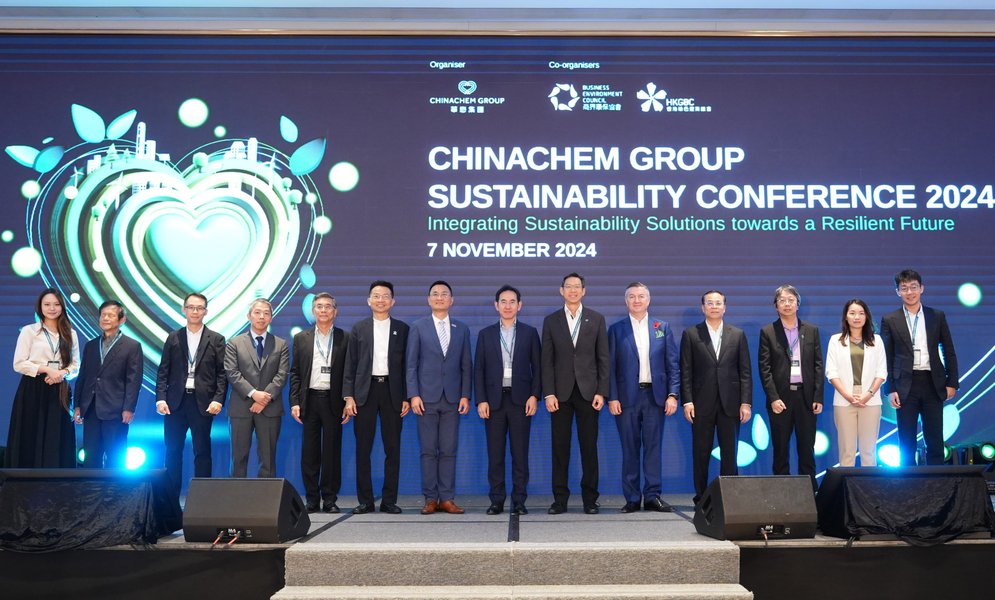
Discussions around sustainability in business often involve navigating complex regulatory landscapes, including competition law.
Challenges and Divergences
There are ongoing discussions and some divergences in how different competition authorities approach sustainability agreements. The challenge lies in balancing the pro-competitive benefits of collaboration for sustainability (e.g., developing new green technologies, setting industry-wide standards) against the potential for harm to competition. The UK's Competition and Markets Authority (CMA), for instance, has indicated a willingness to take a more permissive approach for climate change agreements, considering the broader benefits to all UK consumers.
Exploring Related Concepts: SCAS in Other Contexts
Understanding Different Interpretations of SCAS
While "Sustainability Commitment Agreements (SCAS)" is not a widely standardized term for sustainability agreements across all domains, the acronym "SCA" or "SCAS" appears in other specific contexts. It is important to differentiate these to avoid confusion.
Service Concession Arrangements (SCAs)
In accounting and finance, SCA can stand for Service Concession Arrangement. These are arrangements where a government or public body grants an operator rights to provide public services using an asset (often infrastructure like roads, bridges, or utilities) for a specified period. While these arrangements can have sustainability implications (e.g., regarding the environmental impact of the infrastructure or the efficiency of service delivery), the term SCA in this context primarily refers to the financial and contractual structure of the public-private partnership, not a general sustainability commitment agreement.
GASB Statement 94 in the United States, for example, provides guidance on accounting for Public-Private and Public-Public Partnerships (P3s) and Service Concession Arrangements (SCAs). Examples include arrangements for building and operating infrastructure like bridges, airports, or student housing.
Single Case Agreements (SCAs) in Healthcare
In the healthcare sector, SCA can refer to a Single Case Agreement. This is a contract between an insurance company and an out-of-network healthcare provider that allows the patient to receive coverage for services from that provider at an agreed-upon rate. This usage of SCA is entirely distinct from sustainability contexts.
Other Potential Uses of the Acronym SCAS
Given that acronyms can be company-specific or project-specific, it is possible for "SCAS" to be used internally within an organization to refer to their specific Sustainability Commitment Agreements or a system related to them, such as a "Subcontracting Administration System (ScAS)" as mentioned in one source, which could potentially include sustainability criteria for subcontractors.
The Importance of Formalizing Sustainability Efforts
Driving Accountability and Progress
Regardless of the specific terminology used, the formalization of sustainability efforts through agreements and commitments is crucial for driving accountability and progress. Agreements provide a framework for setting clear objectives, defining responsibilities, and measuring performance. They can help to align the interests of different parties and mobilize resources towards shared sustainability goals.
Formal commitments also enhance transparency and build trust with stakeholders, including investors, customers, employees, and the wider community. By publicly committing to sustainability, organizations signal their intentions and can be held accountable for their performance. This can also lead to increased investment and new market opportunities.

Conferences and discussions highlight the growing importance of sustainability across different sectors.
The development of international frameworks, such as the United Nations' Sustainable Development Goals (SDGs), provides a global context for these agreements. Businesses and other actors are increasingly aligning their sustainability commitments with the SDGs, contributing to broader global efforts to achieve a sustainable future.
Future Trends and Developments
Evolving Landscape of Sustainability Agreements
The landscape of sustainability agreements is continuously evolving. Several key trends and developments are shaping this area:
-
Increased Regulatory Integration: We are seeing a growing trend of integrating sustainability considerations into various regulatory frameworks, including trade agreements and investment treaties. This reflects a broader effort to ensure that economic activities are compatible with environmental and social objectives.
-
Greater Focus on Supply Chain Responsibility: Companies are facing increasing pressure to ensure sustainability throughout their supply chains. This is leading to more robust sustainability clauses in supplier agreements and greater emphasis on due diligence regarding environmental and social risks in procurement.
-
Harmonization of Competition Law Approaches: While differences currently exist, there is ongoing discussion and potential for greater harmonization in how competition authorities assess sustainability agreements. This is important for providing businesses with clarity and reducing legal uncertainty when collaborating on sustainability initiatives.
-
Development of Standards and Metrics: The development of standardized metrics and reporting frameworks for sustainability is crucial for making commitments measurable and comparable. This helps in tracking progress and holding parties accountable.
-
Role of Technology: Technology is playing an increasingly important role in facilitating sustainability agreements and monitoring compliance, from blockchain for supply chain traceability to data analytics for measuring environmental impact.
Conclusion
While the specific term "Sustainability Commitment Agreements (SCAS)" may not be a universally standardized acronym, the concept of formalizing sustainability through various types of agreements is a fundamental aspect of current global efforts towards a more sustainable future. From international treaties like the Paris Agreement to corporate sustainability commitments and contractual clauses, agreements provide the framework for setting goals, defining responsibilities, and driving collective action. Navigating the complexities, particularly at the intersection of sustainability and competition law, remains an important area of focus and ongoing development. As the understanding of sustainability evolves and the urgency of global challenges increases, the role of formalized commitments and agreements will only become more critical in ensuring a responsible and sustainable path forward.
Frequently Asked Questions (FAQ)
What is the primary purpose of a sustainability agreement?
The primary purpose of a sustainability agreement is to formalize a commitment between parties to engage in environmentally and socially responsible practices. This helps to set clear goals, define responsibilities, and drive action towards achieving sustainability objectives.
How do sustainability agreements interact with competition law?
Sustainability agreements between competitors can potentially raise concerns under competition law if they restrict competition. Competition authorities are developing guidelines to assess these agreements, balancing the potential anti-competitive effects with the benefits for sustainability and consumers.
Are "Sustainability Commitment Agreements (SCAS)" a universally recognized term?
No, "Sustainability Commitment Agreements (SCAS)" is not a widely standardized term across all sectors. While the concept of formalizing sustainability through agreements is common, the specific acronym "SCAS" is not universally used to describe this general concept and may refer to specific types of agreements in other contexts, such as Service Concession Arrangements (SCAs) or Single Case Agreements (SCAs).
What are some examples of international sustainability agreements?
A prominent example is the Paris Agreement, a legally binding international treaty on climate change signed by numerous countries to limit global warming.
How are businesses incorporating sustainability into their agreements?
Businesses are incorporating sustainability through corporate commitments, integrating environmental and social clauses into contracts with suppliers and partners, and participating in industry-wide initiatives aimed at achieving sustainability goals.
References
Last updated April 25, 2025