
Sustainable Manufacturing: Innovations and Impacts in Manufacturing Engineering
A Comprehensive Overview and Presentation Guide
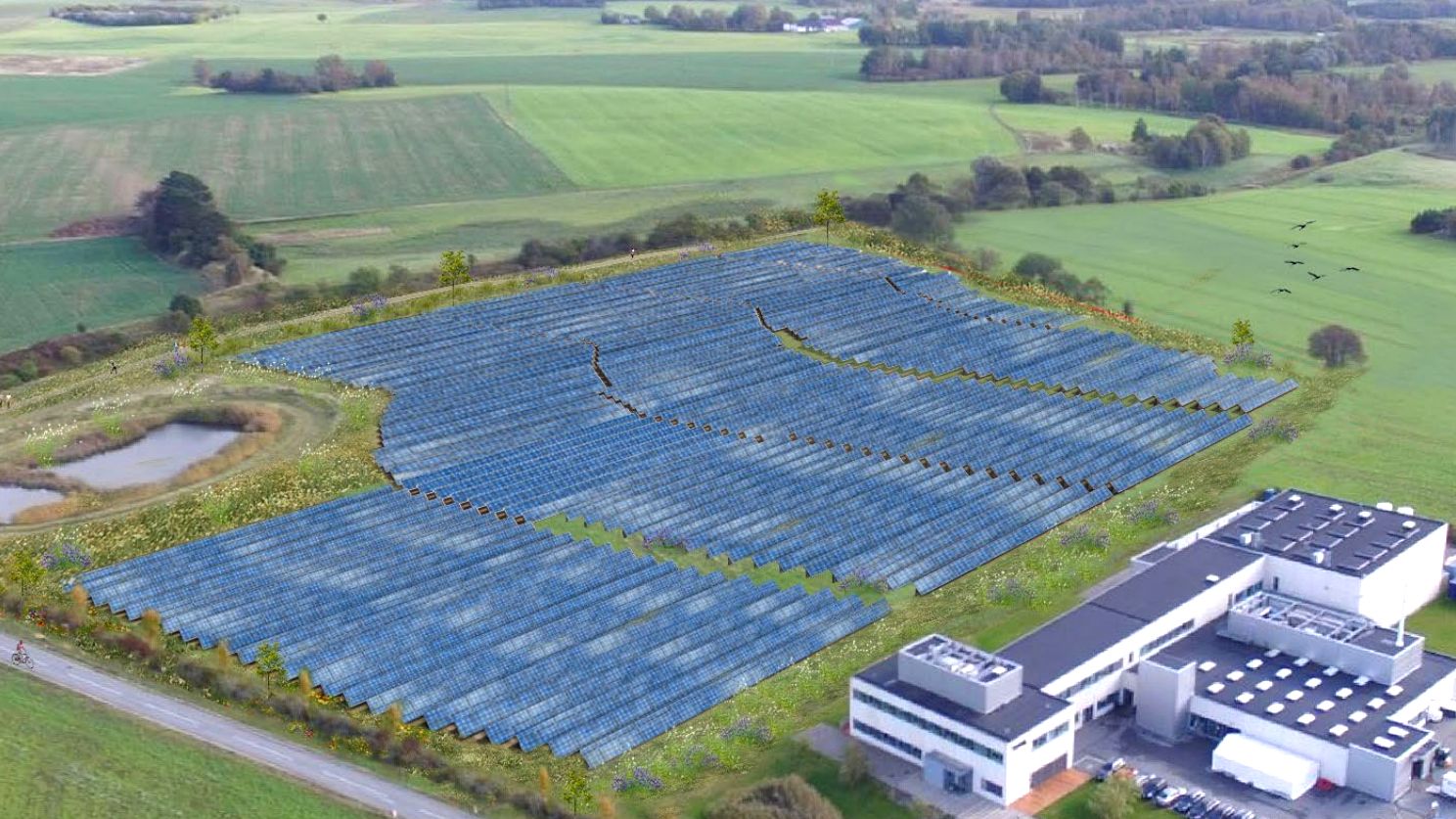
Highlights
- Innovative Technologies: Explore digital twins, IoT, and AI to revolutionize sustainability.
- Environmental & Economic Benefits: Understand how sustainable practices drive efficiency and growth.
- Case Studies & Future Trends: Delve into real-world examples and emerging innovations for tomorrow’s manufacturing.
Slide-by-Slide Presentation Outline
Slide 1: Title Slide
Content
Title: Sustainable Manufacturing: Innovations and Impacts in Manufacturing Engineering
Subtitle: Transforming Industry Towards a Greener Future
Presented by: [Your Name], [Date]
Use an engaging background image depicting a green factory or renewable energy installations to set the tone for sustainability and innovation.
Slide 2: Introduction to Sustainable Manufacturing
Definition and Importance
Sustainable manufacturing is the practice of producing goods using processes that limit environmental impact while enhancing economic performance. It integrates eco-friendly strategies and innovative technologies to minimize resource waste, reduce emissions, and support economic and social well-being.
Key Points:
- Minimizes environmental degradation.
- Optimizes resource usage and reduces waste.
- Balances economic growth with sustainable practices.
Slide 3: Understanding the Core Principles
Key Components
The foundation of sustainable manufacturing is based on several guiding principles:
- Resource Efficiency: Maximizing output with minimal inputs.
- Waste Reduction: Implementing recycling and waste-management systems.
- Renewable Energy: Shifting to solar, wind, and other renewable technologies.
- Sustainable Materials: Employing eco-friendly raw materials, including bio-based products.
- Social Responsibility: Enhancing community well-being and ensuring worker safety.
These principles enable manufacturers to develop designs and processes that are both ecologically sound and economically competitive.
Slide 4: Innovations Transforming the Manufacturing Landscape
Technological Advancements
Innovations are at the heart of sustainable manufacturing. They leverage emerging technologies to streamline processes and boost sustainability:
- Digital Manufacturing: Utilizing digital twins and simulation models to optimize production, reduce physical prototyping, and cut waste.
- Artificial Intelligence (AI) & Machine Learning: Enabling predictive maintenance, quality control, and optimized resource management.
- Internet of Things (IoT): Integrating sensor-based technologies for real-time monitoring, energy tracking, and smart production lines.
- Advanced Robotics & Automation: Enhancing precision and efficiency in the assembly and production processes.
- Generative Design & Simulation-Led Design: Allowing for data-driven design choices that minimize material usage while maximizing performance.
Such technologies not only reduce environmental footprints but also offer significant operational cost savings and improved product quality.
Slide 5: Strategies for Implementing Sustainable Manufacturing
Approaches and Methodologies
To implement sustainable manufacturing, companies must adopt strategies that can be integrated into the core of their production line. This involves:
- Renewable Energy Adoption: Shift to solar, wind, or other renewable sources to power manufacturing plants, reducing carbon emissions.
- Waste Reduction Programs: Incorporate recycling and closed-loop production systems to minimize industrial waste.
- Sustainable Supply Chains: Collaboratively work with suppliers who commit to green practices, ensuring that raw material sourcing aligns with sustainability goals.
- Energy Efficiency: Invest in energy-saving machinery and infrastructure upgrades that lower power consumption across production processes.
- Green Material Sourcing: Use eco-friendly or recycled materials in production to support a circular economy.
Slide 6: Impact Analysis – Economic, Environmental, and Social Benefits
Benefits Across the Spectrum
Sustainable manufacturing produces multi-dimensional benefits:
- Economic: Lower production costs, improved efficiency, enhanced brand reputation, and increased market share due to green credentials.
- Environmental: A significant reduction in carbon emissions, minimized waste, and conserved natural resources. This contributes to cleaner air and water, and a healthier ecosystem.
- Social: Improved workplace safety, community health, and employee well-being, leading to a more engaged and motivated workforce.
Below is a table summarizing these benefits:
| Aspect | Key Benefits |
|---|---|
| Economic | Reduced operational costs, increased efficiency, enhanced brand reputation, competitive advantage |
| Environmental | Lower carbon emissions, decreased industrial waste, sustainable resource use, conservation of biodiversity |
| Social | Better workplace safety, improved product quality, community development, higher employee satisfaction |
Slide 7: Case Studies and Industry Examples
Real-World Implementations
Examining practical examples of sustainable manufacturing in action can provide valuable insights:
- Automotive Industry: Companies like BMW have incorporated renewable energy and sustainable materials into their production lines by using advanced robotics and energy-efficient processes.
- Consumer Goods: Organizations such as Unilever have transformed their supply chains, embracing eco-friendly initiatives and sustainable sourcing practices.
- Innovative Start-ups: Emerging companies demonstrate how digital twins and IoT can drive efficiencies and reduce waste, leading to significant process improvements.
These examples underscore that sustainable manufacturing is not merely a theoretical concept but a pragmatic approach that delivers measurable benefits.
Slide 8: The Future of Sustainable Manufacturing
Emerging Trends & Innovations
The trajectory for sustainable manufacturing is set towards further integration of advanced technologies and more robust eco-friendly practices:
- Circular Economy: Emphasizing closed-loop production, recycling, and reuse to further minimize waste.
- AI-Powered Manufacturing: Expanding the use of artificial intelligence for predictive maintenance, supply chain optimization, and process improvements.
- Decentralized Production: Utilizing modular and flexible manufacturing units that reduce transportation needs and adapt to local resource availability.
- Blockchain Integration: Enhancing supply chain transparency by tracking materials from source to production, ensuring ethical and sustainable sourcing processes.
- Quantum Computing: Although still emerging, offering the potential to revolutionize optimization problems in manufacturing environments for improved efficiency.
Forward-thinking manufacturers are actively exploring these trends to build more resilient, eco-friendly, and future-proof production systems.
Slide 9: Strategies for Effective Presentation Delivery
Design and Engagement Tips
To amplify the impact of your PowerPoint presentation, consider these design elements and speaking tips:
- Visual Elements: Use infographics, diagrams, images, and charts that reflect sustainable practices and innovative technologies.
- Consistent Style: Employ a unified color scheme (with primary headings in #cc9900, secondary headings in #388278, and the tertiary in #7FA86E) to maintain a professional look.
- Interactive Elements: Include animations, transitions, or embedded videos where possible to keep your audience engaged.
- Simplicity in Text: Favor bullet points and concise textual content to enhance clarity and prevent cognitive overload.
- Data-Driven Insights: Back up key points with charts or tables that illustrate the improvements in energy efficiency, waste reduction, and overall operational gains.
Slide 10: References and Further Reading
Essential Sources
Conclude your presentation by listing the sources and references where your audience can find further information on sustainable manufacturing. This not only validates your content but also provides avenues for deeper exploration.
Include reputable sources covering various perspectives—from technological innovations to environmental policies—that enrich your presentation’s credibility.
Additional Presentation Resources
Table: Overview of Presentation Slides
| Slide Number | Content Focus | Key Messages |
|---|---|---|
| 1 | Title Slide | Introduce the theme, date, and presenter |
| 2 | Introduction | Define sustainable manufacturing and its need |
| 3 | Core Principles | Resource efficiency, waste reduction, renewable energy, and social responsibility |
| 4 | Innovations | Digital Synthesis, AI, IoT, and advanced robotics |
| 5 | Strategies | Renewable energy, sustainable supply chains, and green material sourcing |
| 6 | Impacts | Environmental, economic, and social benefits |
| 7 | Case Studies | Real-world examples from automotive, consumer goods, etc. |
| 8 | Future Trends | Emerging technologies and circular economy concepts |
| 9 | Delivery Tips | Design, visual aids, interactivity, and data-driven insights |
| 10 | References | Provide credible sources for further research |
References
- Innovations for the Future of Sustainable Manufacturing - Advanced Manufacturing
- Top 10 Manufacturing Trends & Innovations - StartUs Insights
- Eco-Friendly Production Machinery - Sustainable Manufacturing Expo
- Sustainable Manufacturing: Meaning, Examples, Applications - StudySmarter
- Sustainable Manufacturing: The Future of Industry - SAP
Recommended Further Queries
Last updated March 4, 2025