
Adapting to a Sustainable Future in Meat Sales
Innovative strategies to meet eco-conscious consumer demands
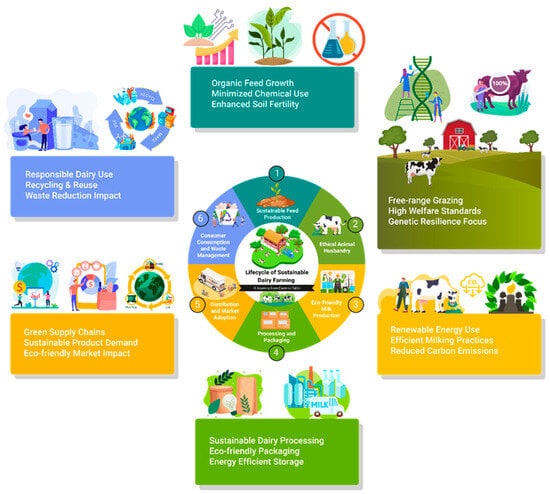
Key Highlights
- Sustainable Production Methods: Embrace eco-friendly farming, lab-grown meat, and pasture-based approaches for a reduced environmental footprint.
- Diversification and Transparency: Expand product lines to include plant-based alternatives and ensure traceability and ethical practices.
- Consumer Engagement and Technology: Use modern marketing, educational campaigns, and advanced technology to meet evolving consumer values.
Overview of Sustainable Strategies
Amid growing concerns over climate change, environmental degradation, and animal welfare, meat vendors find themselves at a crossroads. The consumer market has decisively shifted towards sustainability, and meat vendors must adapt their strategies to meet these demands. The evolving market necessitates the adoption of sustainable production practices, diversification of product offerings to include alternatives, and improved transparency along entire supply chains.
Sustainable Production Methods
Implementing sustainable production methods is the cornerstone of meeting consumer demand for eco-friendly products. To achieve this, vendors are now focusing on several key initiatives:
1. Sustainable Farming Practices
Traditional meat production has significant environmental impacts. To mitigate these effects, meat producers are increasingly adopting sustainable farming practices such as:
- Rotational Grazing: This method not only helps maintain pasture health but also reduces soil erosion, supports biodiversity, and optimizes the carbon sequestration potential of the land.
- Pasture-Based Systems: Utilizing pasture-based systems minimizes chemical inputs and emphasizes natural growth, ensuring cleaner and more humane livestock rearing environments.
- Ethically Managed Livestock: Adopting practices that ensure better animal welfare can significantly improve consumer trust while benefiting overall production quality.
2. Lab-Grown Meat and Innovative Technologies
Another revolutionary approach involves lab-grown or cell-based meat. This innovative method reduces the environmental strain typical of traditional meat production. The key benefits include:
- Reduced Land and Water Use: Lab-grown meat requires significantly less land and water compared to conventional livestock farming.
- Lower Greenhouse Gas Emissions: By minimizing resource input and waste, lab-grown meat can offer a cleaner alternative with fewer carbon emissions.
- Technological Integration: Advanced techniques in biotechnology and precision agriculture can increase efficiency in traditional meat production as well.
Diversifying Product Offerings
Modern consumers are not solely interested in traditional meat products. The rise of plant-based diets and hybrid options has pushed vendors to innovate beyond conventional offerings. Responding to these shifting preferences involves:
1. Incorporating Plant-Based Alternatives
One of the most significant shifts has been the inclusion of plant-based alternatives alongside traditional meat products. This strategy involves:
- Hybrid Meat Products: By blending traditional meat with plant-based proteins, vendors create products that cater to consumers seeking reduced meat consumption without compromising on taste.
- Pure Plant-Based Options: Expanding the portfolio with certifiably sustainable alternatives meets the rising demand from environmentally-conscious and health-focused consumers.
- Certified Organic and Grass-Fed Products: Enhancing credibility with certifications that underline sustainable and ethical practices can help differentiate products in a crowded marketplace.
2. Diversification through Innovation
Beyond plant-based products, innovation is key in diversifying offerings. Meat vendors are exploring several creative domains:
- Hybrid Proteins: Creating blends that combine animal and plant proteins not only diversifies the product line but also reduces the environmental impact without sacrificing the flavors consumers love.
- Enhanced Product Formulations: Using natural additives, clean labels, and minimally processed ingredients are strategies to attract consumers who are increasingly wary of artificial additives.
- Tech-Driven Customization: Leveraging data analytics to understand consumer preferences can guide vendors in tailoring their products to niche markets.
Enhancing Transparency and Consumer Trust
Transparency is crucial to maintaining consumer trust in a competitive market where buyers are increasingly knowledgeable about the food supply chain. Meat vendors can build customer loyalty by clearly communicating their sustainability efforts:
1. Traceability and Certifications
Consumers are looking for assurance that the products they purchase come from ethical and sustainable sources. Strategies include:
- Clear and Informative Labeling: Labels that detail production methods, sourcing, animal welfare practices, and sustainability certifications enhance product transparency.
- Supply Chain Traceability: Implementing technology solutions such as blockchain and AI-driven analytics can offer complete supply chain visibility. This reassures consumers of ethical sourcing, improved quality control, and regulatory compliance.
- Certifications and Sustainability Seals: Gaining and displaying certifications from recognized bodies further demonstrates the vendor’s commitment to high environmental and ethical standards.
2. Consumer Education and Engagement
Educating consumers about sustainable practices and their benefits can shift purchasing behaviors and foster brand loyalty:
- Sustainable Storytelling: Marketing strategies that communicate the journey of a product from farm to table help consumers understand the benefits of their choices.
- Interactive Campaigns: Social media, workshops, and in-store events can engage consumers directly, educating them on topics such as eco-friendly farming and the advantages of reduced meat consumption.
- Detailed Information Portals: Providing online portals with accessible data on environmental metrics and detailed production methods can further empower consumers in their decision-making process.
Eco-Friendly Packaging and Supply Chain Efficiency
Packaging plays a decisive role in the environmental footprint of a product. Meat vendors are increasingly driven to invest in sustainable packaging solutions that complement their sustainable production practices.
1. Sustainable Packaging Solutions
Investments in eco-friendly packaging are essential to complete the cycle of sustainability:
- Biodegradable and Compostable Materials: Utilizing materials that break down naturally can significantly reduce packaging waste.
- Recyclability: Packaging that is designed for easy recycling not only appeals to environmentally conscious consumers but also helps reduce landfill waste.
- Reduced Packaging Waste: Innovations in reducing the quantity and complexity of packaging can lead to a lower carbon footprint throughout the product life cycle.
2. Optimizing the Supply Chain
Technology can streamline processes and optimize the supply chain:
- Data Analytics and AI: These tools allow vendors to track sustainability metrics and pinpoint areas for further improvements.
- Precision Agriculture: Integration of technology in farming practices can lead to a more efficient and environmentally sustainable production process.
- Resource Management: Innovations such as IoT sensors help monitor livestock welfare and resource use, ensuring that energy and water consumption are minimized.
Marketing and Consumer Outreach
Sustainable practices must be communicated effectively to consumers. Meat vendors need to be proactive in promoting their initiatives to foster a more engaged and loyal customer base. This involves:
Effective Marketing Strategies
Meat vendors can leverage multiple channels to promote their sustainable practices. By demonstrating tangible environmental benefits, they can shift consumer perceptions.
1. Highlighting Sustainability through Branding
Effective branding is essential. Vendors can use various marketing techniques to communicate the unique selling propositions of sustainable products:
- Storytelling: Narrating the journey from ethically sourced raw materials and environmentally friendly production practices to the final product enhances transparency and builds trust among consumers.
- Social Media Campaigns: Platforms like Instagram, Facebook, and Twitter serve as ideal arenas for sharing information about sustainability initiatives, certification milestones, and positive environmental impact data.
- Influencer Partnerships: Collaborating with eco-conscious influencers and food experts can extend the reach of the message, engaging a broader audience that values sustainability.
2. Educational Initiatives and Community Engagement
Consumer education plays a central role in shifting tastes towards sustainable products. Approaches include:
- Workshops and Events: Hosting events to discuss the benefits of sustainable meat production can drive community engagement and user involvement.
- Customer-Focused Content: Publishing comprehensive guides, informational blogs, and interactive content on the benefits of sustainable practices can empower consumers to make informed decisions.
- Transparency Portals: Developing online platforms where consumers can trace the source of their meat products and verify sustainability attributes builds a deeper trust and loyalty.
Technological Advancements and Operational Efficiency
Modern technology serves as a backbone in the evolution of meat production and supply chain management. Advanced technological solutions assist in refining both production and marketing operations:
Utilizing Technology for Sustainability
Integrating technology not only improves operational efficiency but also enhances the sustainability metric of the supply chain. Vendors are increasingly turning to digital and AI-powered solutions for:
Supply Chain Optimization
Technological advancements help meat vendors gain real-time insight into every step of the supply chain. This helps in reducing waste and managing resources more effectively:
- Real-Time Data Monitoring: Sensors and IoT devices provide critical data on animal conditions, resource usage, and feeding patterns, enabling more sustainable practices.
- Blockchain for Traceability: A transparent blockchain system can enhance trust by recording every transaction, ensuring that sustainability claims can be verified independently.
- Automated Efficiency Improvements: Automation in processing and logistics reduces energy usage and ensures that supply chain operations are optimized for minimal environmental impact.
Operational Innovations
Research and development in food technology is enabling meat vendors to be less resource-intensive yet equally productive in their production processes:
- Precision Farming: Using advanced analytics and precise farming techniques helps in optimizing fertilizer use, water consumption, and effectively managing crop-livestock integration.
- Innovative Processing Techniques: Techniques that reduce processing time and energy consumption provide additional avenues to reduce the overall carbon footprint.
- Collaboration with Tech Start-ups: Partnerships with innovative tech start-ups create synergies that drive the development and implementation of cutting-edge solutions in sustainable meat production.
Visualizing Strategies: A Comparative Overview
The following table summarizes the major strategies meat vendors can pursue to meet consumer demand for sustainable products:
| Strategy | Key Actions | Benefits |
|---|---|---|
| Sustainable Farming | Rotational grazing, pasture-based systems, ethical livestock management | Enhances soil health, reduces environmental impact, supports biodiversity |
| Innovative Meat Technologies | Lab-grown meat, precision agriculture, AI-powered supply chain | Lower resource usage, reduced greenhouse gases, improved product quality |
| Product Diversification | Plant-based and hybrid meat products, organic and certified options | Meets consumer health and environmental concerns, opens new market segments |
| Transparency & Marketing | Clear labeling, traceability, educational campaigns | Builds trust, educates consumers, strengthens brand loyalty |
| Eco-Friendly Packaging | Biodegradable and recyclable materials | Reduces waste, enhances product sustainability credentials |
Adapting Business Operations for Sustainability
Beyond product development and marketing, meat vendors must also re-examine their internal operations to align with sustainable practices. This holistic approach integrates several critical areas:
Integrating Sustainable Supply Chain Infrastructure
Modernizing supply chain infrastructure plays a crucial role in ensuring that sustainability initiatives are both transparent and verifiable. Efficiency and cost-savings are achieved through:
Resource Optimization
Utilizing advanced resource management systems in the supply chain can help monitor and reduce wastage. For example:
- Deployment of IoT sensors to monitor water, energy, and feed usage on farms.
- Implementation of automated systems that track carbon footprints throughout production.
- Using digital dashboards that optimize logistics and distribution routes.
Employee Training and Development
Ensuring that all team members understand the importance of sustainable practices is essential. Comprehensive training programs can:
- Educate employees about sustainability metrics and goals.
- Provide insights into innovative farming and production techniques.
- Foster a culture where eco-friendly practices become part of the daily routine.
Ensuring Economic Viability and Long-Term Success
Sustainable adaptations are not just driven by consumer preferences but are also essential economic decisions. Meat vendors must plan for long-term growth by:
Cost-Benefit Analysis
Evaluating the upfront costs of sustainable practices against long-term cost savings is paramount. Investments in new technologies and sustainable alternatives often result in:
- Lower operational costs due to resource efficiency.
- Reduced risks from regulatory changes and market volatility.
- Increased brand loyalty and potentially higher margins through premium pricing for sustainable products.
Building Strategic Partnerships
Collaboration with stakeholders, including farmers, technology firms, and certification bodies, can accelerate transformation:
- Supply chain partnerships foster shared knowledge and resource optimization.
- Collaborations on research and innovation help identify and implement best practices.
- Partnering with certification bodies builds trust and reinforces the commitment to sustainability.
Leveraging Data and Insights
Data-driven decision-making is becoming an integral part of sustainable business practices. By leveraging data analytics and emerging technologies, meat vendors can:
Monitor and Improve Sustainability Metrics
Employing comprehensive data tools allows for close monitoring of sustainability practices across operations. Key applications include:
Digital Traceability Systems
These systems track product origin, production methods, and environmental impacts. With reliable data, vendors can accurately assess:
- The amount of water and energy used in production.
- Greenhouse gas emissions throughout the supply chain.
- Overall sustainability performance compared to industry benchmarks.
Predictive Analytics
Integrating predictive models assists in forecasting market trends and consumer preferences, enabling meat vendors to adjust their strategies in real time. This adaptability ensures:
- Efficient inventory and resource management.
- Timely adaptation to evolving consumer needs.
- Enhanced competitiveness in a dynamic market environment.
References
- Top 10 Emerging Consumer Trends in Meat Consumption - ESS Feed
- Meat Department Trends for 2025 - NielsenIQ
- Food Trends - Ask Attest
- Sustainable Food Trends for 2025 - The Happy Turtle Straw
- Sustainability Trends Among Meat Consumers - MeatPoultry
- Future of Sustainable Meat Production - Husfarm
- Sustainability Practices in the Meat Supply Chain - Emerald Insight
- Annual Review on Meat Consumption and Sustainability - Annual Reviews
-
Changing Meat Demand in a Sustainable Future - ScienceDirect
- Sustainable Meat Consumption: Impact and Choices - Ascot Meats
Recommended Searches
Last updated March 3, 2025