
Unveiling Sustainable Mining Strategies in India
Discover how innovative and eco-friendly practices are transforming India's mining landscape.
Key Highlights
- Technological Innovations: Advanced mining techniques, automation, and renewable energy integration drive efficiency and reduce environmental impact.
- Environmental Conservation: Comprehensive reclamation, waste management, and restoration initiatives help safeguard ecosystems.
- Social & Regulatory Responsibility: Community engagement, robust regulatory frameworks, and policy reforms ensure sustainable and socially equitable practices.
Overview of Sustainable Mining in India
Sustainable mining in India represents a dynamic and multi-faceted approach to balancing economic growth with environmental protection and community well-being. The country is implementing a range of strategies that leverage technological advances, stringent regulatory standards, and community-centric initiatives. These strategies facilitate responsible mining operations and aim to minimize adverse environmental impacts, foster social equity, and promote long-term economic development.
Integrated Strategy Components
1. Technological Innovations
The Indian mining sector is embracing several cutting-edge technologies that not only enhance operational efficiency but also reduce the environmental footprint of mining activities. Key approaches include:
- Advanced Mining Techniques: Methods such as surface mining, longwall mining, continuous mining, and highwall techniques are being adopted to minimize land disturbance and improve safety.
- Automation and Digitalization: The integration of IoT, artificial intelligence (AI), and machine learning facilitates predictive maintenance, real-time monitoring, and autonomous operations. These innovations lead to more precise extraction processes, reducing wastage and energy consumption.
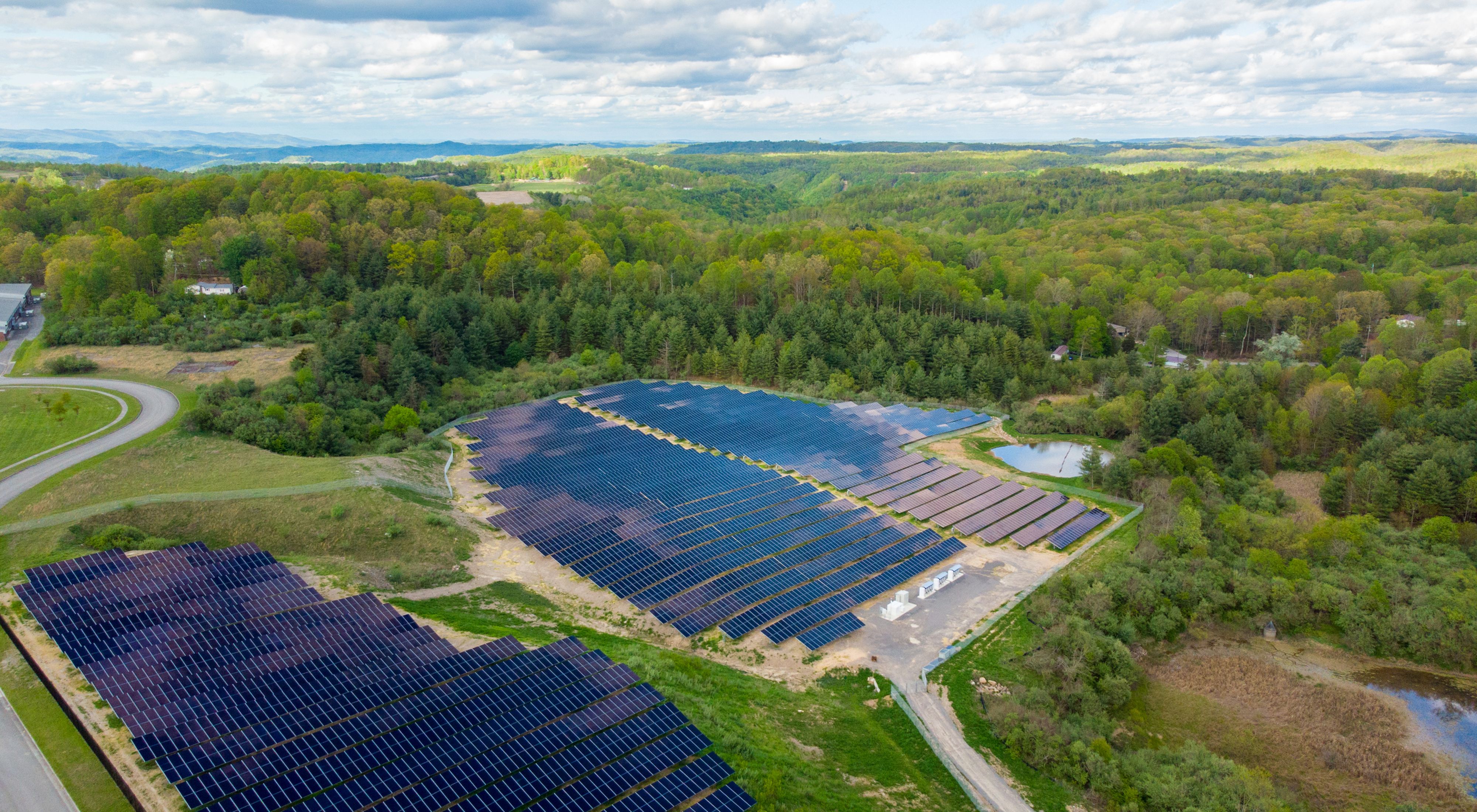
- Renewable Energy Integration: Mining operations are increasingly powered by renewable energy sources like solar and wind, significantly lowering greenhouse gas emissions and reducing reliance on fossil fuels.
2. Environmental Conservation Initiatives
Environmental stewardship is a cornerstone of sustainable mining practices in India. Efforts are focused on mitigating the negative impacts on ecosystems while promoting biodiversity conservation:
- Reclamation and Restoration: Rehabilitating mined-out areas through landscaping, plantation drives, and repurposing land for eco-tourism, agriculture, or renewable energy projects is a critical focus. Examples include converting these lands into eco-parks and wildlife corridors.
- Waste Management and Circular Economy: Innovative waste management strategies, including recycling mine by-products and reprocessing waste materials, enable the reduction of waste generation. This approach supports the circular economy and improves overall resource efficiency by creating additional revenue streams.
- Water Management: Advanced filtration systems and closed-loop water circuits are employed to reduce water consumption and contamination, thereby protecting local water resources and supporting groundwater recharge.
3. Social Responsibility and Community Engagement
The sustainable mining framework extends beyond technical and environmental considerations by incorporating robust social responsibility measures. These initiatives help ensure that local communities benefit from mining projects:
- Community Involvement: Engaging local communities in decision-making processes, skill development programs, and sustainable livelihood projects is integral. Investment in education and healthcare improves overall community well-being.
- Rehabilitation Programs: For areas affected by displacement or environmental degradation, rigorous rehabilitation strategies are instituted to restore local infrastructure and support economic transition.
- Health and Safety Standards: Enhancing workplace safety and adhering to stringent environmental and occupational health standards protect both workers and neighboring populations.
4. Regulatory Frameworks and Policy Reforms
Government initiatives play a pivotal role in ensuring sustainable mining practices. India’s evolving regulatory landscape provides the necessary oversight and incentives for eco-friendly mining activities:
- Legislative Reforms: Regulations such as the Mines and Mineral Development Bill (MMDR) and recent policy updates foster private sector participation while mandating sustainable operations, environmental compliance, and social accountability.
- Production Linked Incentive (PLI) Schemes: Financial initiatives, like the PLI scheme, encourage companies to invest in new technologies that support sustainable mining and local mineral processing, aligning with broader economic goals like the "Make in India" initiative.
- Enforcement of Environmental Standards: Stringent environmental guidelines ensure accountability in mining operations. These guidelines drive the adoption of eco-friendly practices and monitor the reduction of carbon footprints.
5. Collaborative and International Partnerships
Collaboration among stakeholders—from government bodies and private enterprises to local communities and international partners—is advancing sustainable mining practices. These partnerships:
- Research Collaborations: Universities, research institutions, and industry experts work jointly on innovative solutions for mine reclamation, waste reduction, and efficient resource management.
- Global Partnerships: International frameworks and collaborations, such as the Minerals Security Partnership (MSP), allow India to secure essential mineral resources and adopt best practices from around the world.
- Public-Private Initiatives: Synergistic partnerships between public and private sectors facilitate investment in sustainable technologies and adherence to robust environmental standards.
Comprehensive Strategies Summary
The following table provides a consolidated view of the key strategies driving sustainable mining in India, outlining their key elements and expected outcomes.
| Strategy Category | Key Elements | Expected Outcomes |
|---|---|---|
| Technological Innovations |
|
|
| Environmental Conservation |
|
|
| Social Responsibility |
|
|
| Regulatory Frameworks |
|
|
| Collaborative Partnerships |
|
|
In-Depth Insights for Stakeholders
The strategies implemented not only focus on technological advancement and economic growth but also address pressing environmental and social concerns. By integrating renewable energy, recycling mine waste, and employing digital monitoring systems, mining companies are substantially reducing their carbon emissions and environmental degradation. These steps are essential in shifting the sector towards a more sustainable model that aligns with global environmental goals.
Stakeholder Benefits
The adoption of sustainable mining strategies in India delivers multi-faceted benefits:
- Economic Advantages: Improved efficiency decreases costs while the integration of renewable energy and waste recycling creates new revenue streams and reduces long-term operational expenses.
- Environmental Gains: Reclamation of land, effective waste management, and water conservation ensure that ecosystems are restored and maintained, reducing the overall environmental footprint of mining activities.
- Social Impact: Community engagement initiatives and improved safety standards contribute to local development, offer alternative livelihoods, and foster public trust.
- Regulatory Compliance: A robust legal framework and adherence to sustainability guidelines provide a level playing field for the industry while ensuring accountability and transparency.
Future Outlook
As India continues to refine its sustainable mining practices, ongoing investments in technology, environmental management, and social development will be crucial. These efforts are supported by governmental reforms, international collaborations, and proactive private sector initiatives. The continuous evolution of mining techniques paired with eco-friendly practices is expected to set new industry benchmarks, ensuring that mining not only supports economic growth but also preserves natural resources for future generations.
References
Explore these resources for detailed insights on sustainable mining strategies in India:
- India Leads the Way in Sustainable Mining Practices - Climatora
- Transforming India's Mining Sector through Sustainability and Innovation - EY
- Advancing Sustainable Mining in India Towards Eco-Friendly Practices - Elets eGov
- India's Mining Sector Sustainability Ambitions - KnowESG
-
Sustainable Mining Practices and Innovations - PIB
Recommended Related Searches
These queries offer deeper insights into the evolving landscape of sustainable mining:
Last updated March 25, 2025