
Multiple Choice Questions on Sustainable Packaging
Engage with thought-provoking questions on eco-friendly packaging materials and innovative technologies
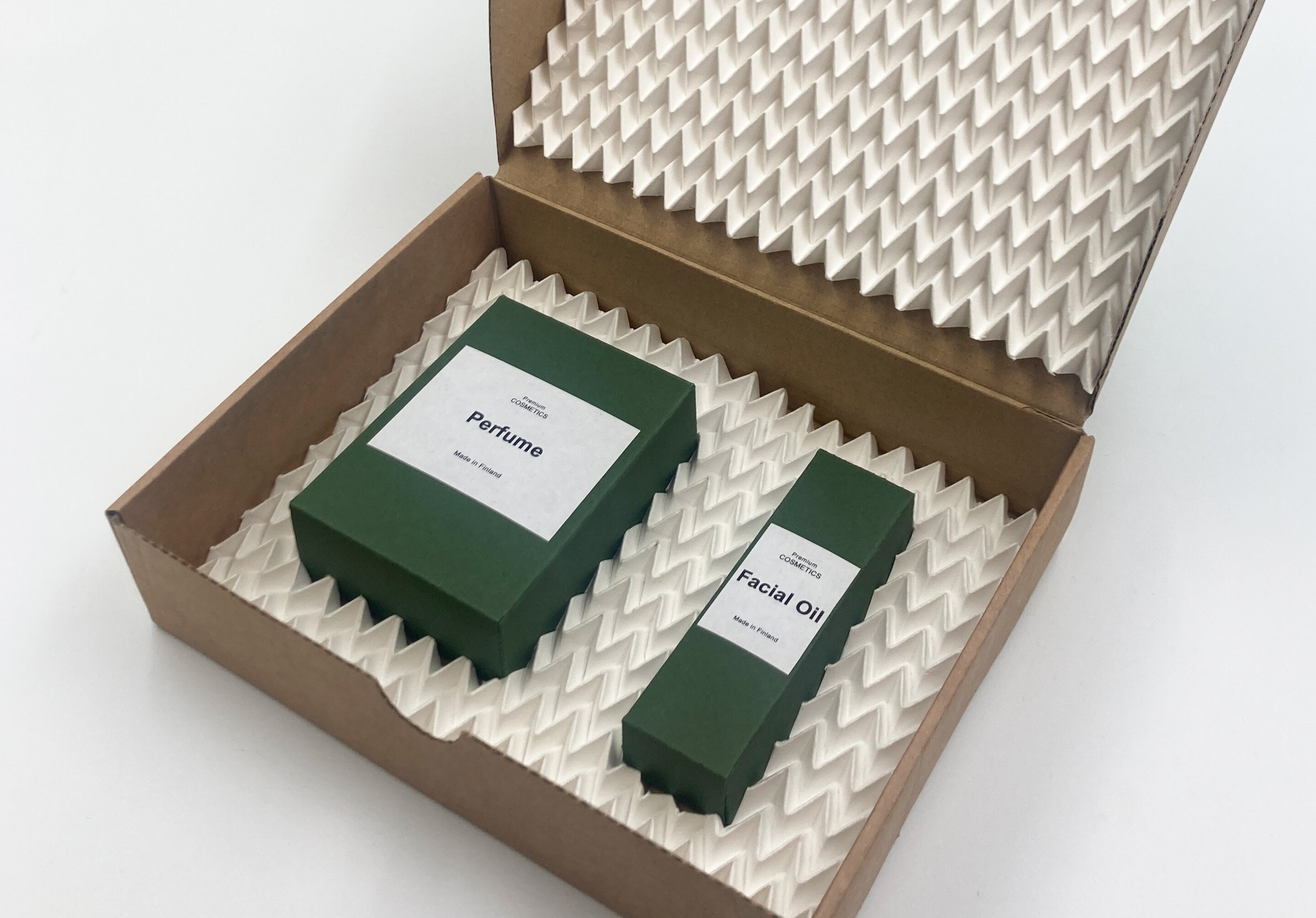
Highlights
- Focus on Resource Conservation: Understand how renewable or recycled materials reduce environmental impact.
- Innovative Technologies: Learn the benefits of smart packaging, digital printing, and novel biodegradable materials.
- Practical Knowledge: Evaluate real examples like mushroom packaging, nano-cellulose films, and bioplastics.
Multiple Choice Questions
This comprehensive set of questions aims to assess knowledge regarding the incorporation of sustainable and environmentally-friendly packaging materials and technologies. They cover topics ranging from the key characteristics of eco-friendly packaging to specific innovations that help reduce waste and promote a circular economy. Each question includes multiple answers, with only one correct option. Read through the options carefully and choose the option that best answers the question.
Question 1: Characteristics of Sustainable Packaging
Which of the following practices best exemplifies sustainable packaging?
- Exclusively using plastic materials regardless of recycling potential.
- Maximizing the use of renewable and recycled materials to minimize environmental damage.
- Increasing the thickness and number of layers solely for protection.
- Prioritizing aesthetic design over material considerations.
Correct Answer: B) Maximizing the use of renewable and recycled materials to minimize environmental damage.
Question 2: Primary Goal of Sustainable Packaging
What is the primary goal of sustainable packaging?
- Increase product shelf life exclusively.
- Reduce environmental impact by using resources more efficiently and minimizing waste.
- Boost product marketing efforts.
- Lower manufacturing costs without any concern for environmental effects.
Correct Answer: B) Reduce environmental impact by using resources more efficiently and minimizing waste.
Question 3: Biodegradable Packaging Materials
Which of the following materials is known for its biodegradability and is being explored for sustainable food packaging?
- Polyethylene (PE).
- Polystyrene (PS).
- Mushroom-based packaging derived from mycelium.
- Polypropylene (PP).
Correct Answer: C) Mushroom-based packaging derived from mycelium.
Question 4: Environmental Benefits of Digital Printing
How does digital printing contribute to sustainability in packaging?
- It leads to unnecessary waste by producing more materials.
- It enables rapid, on-demand production, reducing overproduction and material waste associated with traditional printing methods.
- It increases the cost and difficulty of production.
- It limits the customizability of packaging designs.
Correct Answer: B) It enables rapid, on-demand production, reducing overproduction and material waste associated with traditional printing methods.
Question 5: Smart Packaging Technologies
What role does smart packaging play in sustainable packaging strategies?
- It increases the complexity of waste management by adding non-recyclable components.
- It improves product tracking, consumer interaction, and lifecycle management through technologies like RFID and NFC.
- It solely focuses on the design aspects without practical benefits.
- It replaces all traditional packaging materials with plastics.
Correct Answer: B) It improves product tracking, consumer interaction, and lifecycle management through technologies like RFID and NFC.
Question 6: Innovations in Material Use
Which innovative material is emerging as a cutting-edge sustainable solution for packaging?
- Mushroom mycelium which produces completely compostable packaging.
- Conventional petrochemical-based plastics.
- Traditional glass materials known for their permanence.
- Non-biodegradable metals used in single-use containers.
Correct Answer: A) Mushroom mycelium which produces completely compostable packaging.
Question 7: Reduction of Environmental Footprint
How does using smaller packaging sizes contribute to sustainability?
- It only makes products look less appealing.
- It increases transportation costs.
- It reduces material needs, minimizes waste, and lowers transportation emissions.
- It forces companies to use more complex packaging technologies unnecessarily.
Correct Answer: C) It reduces material needs, minimizes waste, and lowers transportation emissions.
Question 8: Material Innovation - Nano-Cellulose
What unique property does nano-cellulose offer for sustainable packaging?
- It is heavy and non-degradable.
- It is strong, lightweight, and biodegradable, providing an excellent alternative to conventional plastics.
- It increases the packaging cost significantly without environmental benefits.
- It is primarily used for decorative purposes only.
Correct Answer: B) It is strong, lightweight, and biodegradable, providing an excellent alternative to conventional plastics.
Question 9: Role of Renewable Energy in Packaging Production
What is one significant benefit of integrating renewable energy sources in the production of sustainable packaging materials?
- It primarily boosts brand image without actual environmental benefits.
- It avoids the use of recycled components.
- It minimizes carbon emissions during the manufacturing process.
- It prolongs the production cycle unnecessarily.
Correct Answer: C) It minimizes carbon emissions during the manufacturing process.
Question 10: Regulatory Influence on Packaging Sustainability
What impact does legislation, such as that seen in the European Union, have on sustainable packaging?
- It supports increased plastic use to drive innovation in non-renewable products.
- It mandates a significant reduction in plastic waste and promotes circular economy practices by setting targets for waste reduction and increased use of renewable resources.
- It has no significant influence on packaging choices.
- It strictly promotes single-use items without alternatives.
Correct Answer: B) It mandates a significant reduction in plastic waste and promotes circular economy practices by setting targets for waste reduction and increased use of renewable resources.
Summary Table of Questions
| Question Number | Topic | Correct Option |
|---|---|---|
| 1 | Characteristics of Sustainable Packaging | B |
| 2 | Primary Goal of Sustainable Packaging | B |
| 3 | Biodegradable Packaging Materials | C |
| 4 | Benefits of Digital Printing | B |
| 5 | Smart Packaging Technologies | B |
| 6 | Innovative Material Use | A |
| 7 | Impact of Package Size on Sustainability | C |
| 8 | Nano-Cellulose Benefits | B |
| 9 | Renewable Energy in Production | C |
| 10 | Regulatory Influence | B |
Detailed Explanations and Insights
Understanding Sustainable Packaging
Sustainable packaging combines the use of renewable or recycled resources while ensuring that the packaging is either reusable, recyclable, or biodegradable. The intent is not only to reduce waste but also to conserve energy in production and transportation. One key feature of sustainable packaging is the minimization of environmental impact at every stage; this includes reducing the carbon footprint during manufacturing and while in circulation. Innovations such as mushroom-based packaging and nano-cellulose films are prime examples of how breaking traditional barriers leads to eco-friendly solutions that meet consumer demands while preserving the environment.
Technological Innovations in Packaging
Modern packaging techniques emphasize technology that enhances production efficiency and reduces waste. Digital printing, for instance, aligns perfectly with sustainable ideals since it facilitates on-demand production, which lowers overproduction risks. Additionally, smart packaging systems integrated with RFID and NFC not only provide robust tracking and user interaction but also improve lifecycle management by launching timely recycling or reuse measures. These systems empower consumers to interact with packaging directly through digital interfaces, reinforcing the dual goals of functionality and sustainability.
Material Innovations for a Greener Future
Material innovation plays a crucial role in the sustainable packaging industry. Traditional packaging materials that are petroleum-based are giving way to renewable alternatives such as bioplastics, mushroom packaging, and nano-cellulose films. These alternatives are designed to be self-degrading or fully compostable under industrial or home composting conditions, thereby reducing the environmental impact at the end of their lifecycle. Research and development in this field continue to push the boundaries by integrating material science with environmental needs, ensuring that packaging does not become a persistent pollutant post-use. Moreover, smaller packaging sizes and minimalist design contribute to minimizing material consumption, which further underscores the industry's shift towards a circular economy.
Impacts of Legislation and Consumer Trends
The role of policy and regulation, such as guidelines from the European Union, has significantly influenced the evolution of sustainable packaging. Legislative initiatives focus on setting reduction targets for plastic waste, pushing manufacturers to adopt renewable or recycled materials. Simultaneously, consumers today are more environmentally conscious and demand transparency and accountability from brands regarding their packaging practices. This consumer-driven market evolution ensures that manufacturers continue to innovate, invest in cleaner production methods, and explore novel packaging materials that align with ethical consumerism.
References
- Sustainable Packaging Trends - Environment & Energy Leader
- Sustainable Packaging Flash Cards - Quizlet
- Eco-friendly Packaging Solutions - SomeWang
-
Packaging Sustainability - PMC Article
- Digital Printing and Packaging - Environment & Energy Leader
Recommended Queries
Last updated March 7, 2025