
Multiple Choice on Sustainable Packaging Innovations
An in-depth quiz exploring eco-friendly packaging materials and technologies
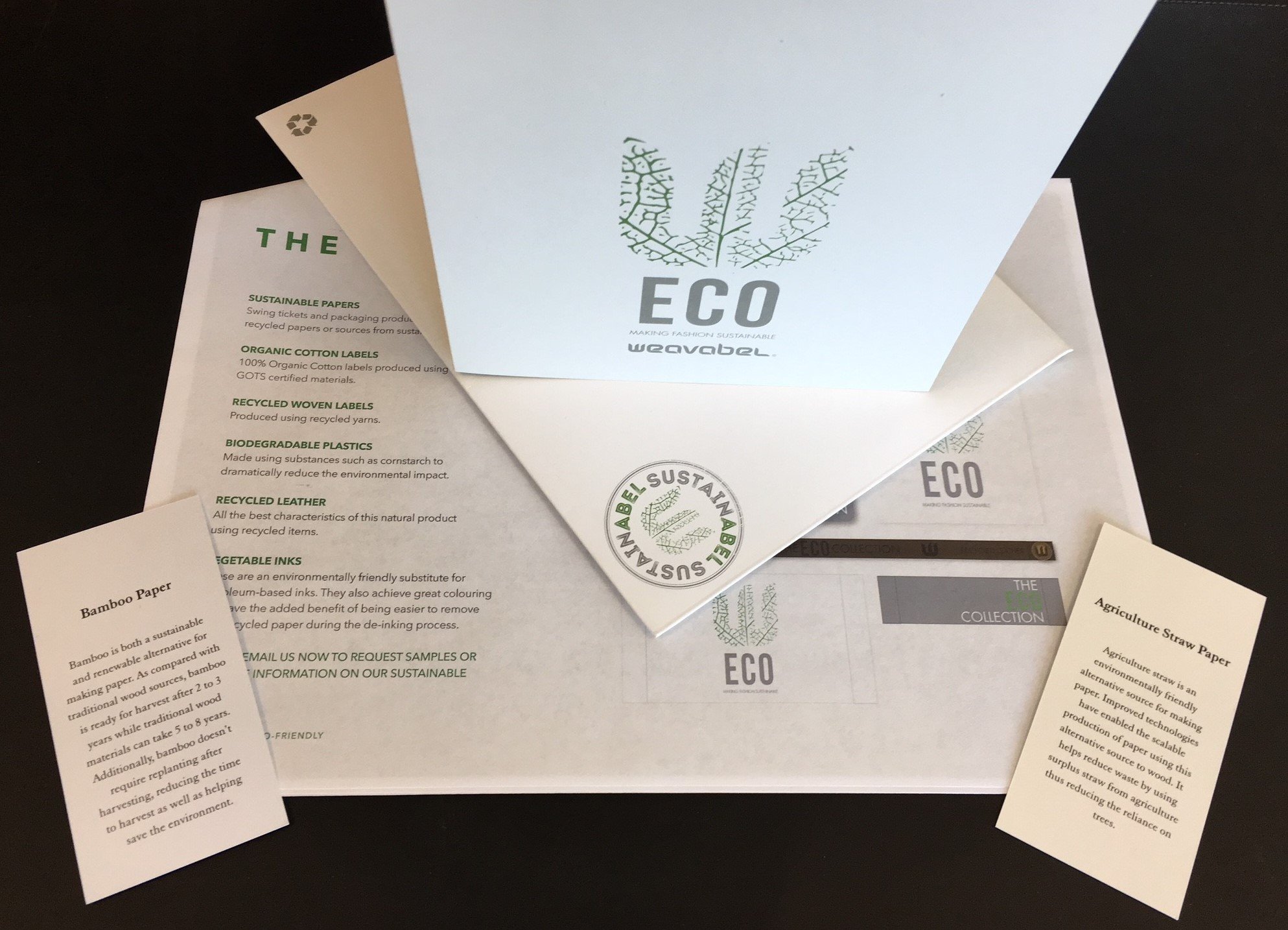
Key Highlights
- Regulatory and Market Drivers: Understand how stricter government regulations and consumer awareness are shaping sustainable packaging trends.
- Innovative Materials and Technologies: Explore a variety of materials including bioplastics, biodegradable materials, mushroom mycelium, and nano-cellulose, as well as smart packaging technologies.
- Environmental Impact: Learn how these solutions reduce waste, promote circular economy principles, and support renewable resources.
Overview
Sustainable packaging represents one of the most significant shifts in manufacturing and consumer goods industries. It is driven by a combination of stringent governmental policies, enhanced consumer awareness about environmental issues, and the need for businesses to maintain competitive edge. Companies increasingly rely on eco-friendly materials such as recycled cardboard, bioplastics, and innovative substances like mushroom mycelium and nano-cellulose. In addition to using sustainable materials, many companies are incorporating advanced technologies like smart packaging (integrating RFID, NFC, and 3D printing solutions) to improve supply chain efficiency and consumer engagement. This quiz is designed to challenge your understanding of the sustainable and environmentally-friendly packaging revolution.
Multiple Choice Quiz
Select the Best Answer for Each Question
Question 1: Key Drivers
What is one of the primary drivers behind the increased use of sustainable and environmentally-friendly packaging materials and technologies?
- A) Decreasing consumer interest in green products.
- B) Stricter government regulations combined with heightened consumer awareness regarding environmental impact.
- C) The lower efficacy of eco-friendly solutions compared to traditional options.
- D) Reduced research into alternative packaging techniques.
Correct Answer: B - Modern regulations and consumer demand are propelling the industry towards eco-friendly alternatives.
Question 2: Sustainable Materials
Which of the following materials is widely adopted as a sustainable alternative to traditional petroleum-based plastics?
- A) PVC
- B) Styrofoam
- C) PLA (Polylactic Acid) derived from renewable resources
- D) Conventional polyethylene
Correct Answer: C - PLA is a bioplastic manufactured from renewable resources such as corn starch or sugarcane, thus reducing reliance on fossil fuels.
Question 3: Innovative Technologies
Which emerging technology plays a significant role in enhancing packaging sustainability by reducing waste and facilitating real-time consumer engagement?
- A) Traditional manual packaging
- B) Edible films and coatings
- C) Smart packaging incorporating RFID and NFC
- D) Basic plastic shrink wrap
Correct Answer: C - Smart packaging with RFID and NFC not only tracks products in real time but also informs consumers about the recycling process and sustainability credentials.
Question 4: Renewable and Recyclable Solutions
Which type of packaging material is designed to be reprocessed into new products, thus supporting a circular economy?
- A) Recyclable Packaging
- B) Compostable Packaging
- C) Disposable Packaging
- D) Edible Packaging
Correct Answer: A - Recyclable packaging materials can be collected, processed, and remanufactured, significantly reducing the environmental footprint.
Question 5: Emerging Materials
Among the following, which is a new and innovative material being explored for sustainable packaging due to its biodegradability and strength?
- A) Traditional plastic polymers
- B) Nano-cellulose
- C) Glass
- D) Conventional aluminum
Correct Answer: B - Nano-cellulose is emerging as a promising sustainable resource, offering strength and biodegradability without the environmental downsides of traditional plastics.
In-Depth Analysis of Sustainably Driven Packaging Technologies
The evolving landscape of packaging technology is not merely about substituting materials—it is a holistic integration of sustainability, operational efficiency, and brand reputation. The primary impetus for such innovation is twofold. First, regulatory frameworks across many regions are becoming increasingly strict regarding waste management and environmental protection. These policies encourage companies to adopt materials that lessen their overall environmental impact. Secondly, the modern consumer is well-informed and often prioritizes brands that demonstrate environmental responsibility. This shift has led to a surge in demand for packaging that not only stands apart through its functional benefits, such as product protection and shelf life, but also aligns with broader environmental values.
One of the foremost adaptations is the transition from conventional plastics to bioplastics and other renewable materials. PLA, for example, has seen widespread adoption due to its origin from renewable resources and its relatively minimal carbon footprint compared to traditional plastics. Additionally, innovations in the area of edible packaging and biodegradable coatings are quickly transforming how perishable goods and fast-moving consumer products are packaged, subsequently reducing the accumulation of waste in landfills.
Technological Innovations in Packaging
Innovation in packaging technology is observed not only through the materials used, but also through the application of smart technologies. Smart packaging utilizes components such as RFID (Radio Frequency Identification) and NFC (Near Field Communication) to track product lifecycle and inventory status. This technology not only improves logistical operations but also fosters consumer engagement by providing detailed product histories and recycling guidelines directly via mobile interfaces.
Smart Packaging and Its Influence
The integration of smart technologies within packaging serves a dual purpose. From the producer's perspective, it enhances supply chain transparency and reduces inefficiencies such as excess inventory. From the consumer’s side, interactive features embedded in the packaging can transmit information on how to properly recycle or compost the packaging materials once the product is consumed. This convergence of technology and sustainability is a key indicator of how industries are aligning modern innovation trends with environmental stewardship.
Circular Economy and Environmental Impact
A core principle behind sustainable packaging is the support of a circular economy. This approach promotes the idea of extending the lifecycle of materials through effective recycling and repurposing strategies. Recyclable packaging materials play a pivotal role in this system by allowing used products to be reprocessed and transformed into new items, thereby reducing the need for virgin materials. The environmental benefits are substantial: lower energy consumption, reduced greenhouse gas emissions, and a significant cutback in waste sent to landfills.
Circular Economy Benefits
Recycling: For example, packaging made from post-consumer recycled materials such as paper or certain plastics can be reintroduced into the manufacturing cycle, thereby conserving natural resources and reducing environmental impact.
Resource Efficiency: The emerging trend of designing packaging for disassembly enhances the recyclability—packaging that is easy to separate into its component materials ensures that each material can be effectively recycled.
Brand Image and Consumer Trust: Companies that adopt sustainable packaging practices are not only contributing to environmental conservation but are also gaining competitive advantages in terms of consumer trust and market positioning. Eco-friendly practices reflect a firm's commitment towards sustainability, which can be as influential as product quality itself.
Comprehensive Overview Table
| Question | Options | Correct Answer |
|---|---|---|
| Key Drivers |
A) Decreasing consumer interest B) Stricter government regulations and increased consumer awareness C) Lower efficacy of eco-friendly solutions D) Reduced research in alternative packaging |
B |
| Sustainable Materials |
A) PVC B) Styrofoam C) PLA (Polylactic Acid) D) Conventional polyethylene |
C |
| Innovative Technologies |
A) Manual packaging B) Edible films C) Smart packaging with RFID and NFC D) Plastic shrink wrap |
C |
| Renewable and Recyclable Solutions |
A) Recyclable packaging B) Compostable packaging C) Disposable packaging D) Edible packaging |
A |
| Emerging Materials |
A) Traditional plastic polymers B) Nano-cellulose C) Glass D) Aluminum |
B |
Incorporating Additional Insights
Beyond the quiz questions, the integration of sustainable packaging strategies is reflective of larger industry trends. For instance, various businesses are actively participating in research and development to produce packaging that meets both durability standards and environmental safety criteria. Manufacturers are exploring techniques like 3D printing that allow for bespoke, on-demand packaging, thereby eliminating surplus production. These innovations not only cut costs but also significantly diminish the carbon footprint through reduced material waste.
Additionally, the exploration of natural and biodegradable substances is gaining momentum. Materials sourced from mushroom mycelium or seaweed are being investigated as replacements for traditional plastics, leading to products that offer similar performance characteristics while being fully biodegradable. This research is vital, as it further aligns product life cycles with environmental sustainability imperatives.
The convergence of technology and sustainable materials is paving the way for a transformative approach to packaging. Smart packaging’s role in enabling real-time tracking further facilitates responsible consumption by linking digital content with physical goods. This rich ecosystem of practices is setting the benchmark for environmental responsibility, emphasizing that the future of packaging is not just about containment—it is about contributing to a healthier, more sustainable planet.
References
- Most Environmentally Friendly Packaging - SomeWang Blog
- Top 10 Sustainable Packaging Trends - Environment + Energy Leader
-
Sustainable Packaging Research Article - PMC
- Sustainable Packaging Solutions - Tipa Corp
-
Sustainability in Packaging - ScienceDirect
Recommended Queries
 sustainability.aboutamazon.com
Last updated March 7, 2025