
Comprehensive 30-Minute Swim Workout Plan
An effective routine to help lose weight, build muscle strength, and boost endurance
Highlights
- High-Intensity Intervals: Burn calories fast and improve cardiovascular fitness.
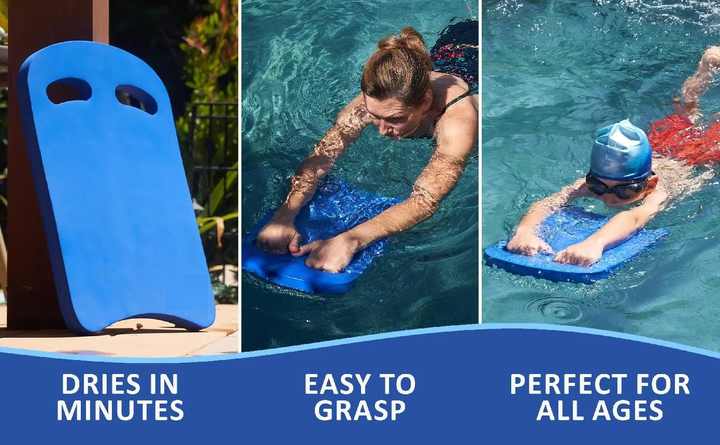
- Strength and Resistance Drills: Incorporate equipment like kickboards and pull buoys for targeted muscle work.
- Balanced Structure: Warm-up, main set, and cool-down phases to maximize performance and recovery.
Introduction
This 30-minute swim workout is meticulously designed to help you lose weight, boost strength, and significantly enhance your endurance. It integrates high-intensity interval training (HIIT) with dedicated strength and technique drills, ensuring a holistic approach to fitness. The workout structure includes a warm-up to prepare your muscles and heart, a main set with varied intensity segments targeting different areas, and a cool-down to promote recovery and prevent injuries.
This plan is ideal for swimmers of intermediate skill level who wish to push their limits, while beginners are encouraged to modify intervals as needed. Incorporating multiple strokes and the use of swim aids like kickboards, pull buoys, and paddles, the workout helps engage diverse muscle groups. As always, consulting a healthcare professional before starting any new exercise routine is recommended.
Warm-Up (5 Minutes)
The warm-up phase is crucial for gradually increasing your heart rate while preparing your muscles and joints for the higher intensity work that follows. A proper warm-up minimizes injury risk and sets the foundation for an effective workout.
Warm-Up Routine
Duration: 5 minutes
Activity: Begin with a relaxed, easy-paced swim to gently elevate your body temperature.
- Swim 200 meters (or equivalent time) using freestyle. Focus on long, smooth strokes and controlled breathing.
- Alternate with a mix of gentle breaststroke if desired, ensuring a full-body warm-up.
Main Set (20 Minutes)
The main set is divided into three key segments: high-intensity intervals for calorie burning, strength-focused drills for muscle power, and endurance segments to improve stamina. This varied approach ensures that all aspects of physical conditioning are addressed simultaneously.
Segment 1: High-Intensity Interval Training (HIIT) (8 Minutes)
Purpose
High-intensity intervals are the cornerstone of efficient fat burning. By incorporating bursts of all-out efforts, your body rapidly utilizes energy stores and improves cardiovascular health.
Routine
Duration: 8 minutes
This segment uses short, powerful sprints interspersed with brief recovery periods:
- Complete 8 rounds of:
- 20 seconds at maximum effort freestyle swim – Push yourself hard.
- 10 seconds of rest – Allow your heart rate to recover slightly.
The combination of short bursts of high intensity, inspired by Tabata-style training, maximizes calorie burn and significantly boosts anaerobic capacity.
Segment 2: Strength and Resistance Work (6 Minutes)
Purpose
This segment focuses on building muscular strength by reducing buoyancy through equipment such as paddles, kickboards, and pull buoys. It specifically targets upper body, leg, and core muscles, helping to improve your swimming technique and overall performance.
Routine
Duration: 6 minutes
This segment is organized into two components – one focusing on upper-body strength and the other on lower-body power:
-
Upper Body:
- 4 x 50 meters swim using a pull buoy with or without swim paddles for added resistance.
- Rest for 20 seconds between each 50 meters.
-
Leg Strength:
- 4 x 50 meters kicking using a kickboard, alternating between fast, explosive kicks and moderated ones.
- Rest for 20 seconds between each set.
This approach not only increases strength but improves your stroke technique and overall balance in the water. Incorporating drills that isolate muscle groups enhances your swimming performance.
Segment 3: Endurance Building (6 Minutes)
Purpose
The endurance segment is designed to extend your aerobic capacity and build long-lasting stamina. It involves sustained moderate-paced swims that help improve oxygen efficiency and overall cardiovascular health.
Routine
Duration: 6 minutes
This segment combines different strokes to actively engage various muscle groups:
- Swim 2 x 100 meters freestyle at a steady, moderate pace. Allow a 30-second recovery period between each set.
- Swim 2 x 50 meters backstroke, focusing on relaxation and maintaining a consistent pace. Rest for about 20 seconds between intervals.
The combination of freestyle and backstroke not only improves endurance but also contributes to muscular balance, as different muscles are engaged during each stroke.
Cool Down (5 Minutes)
Cooling down is an essential part of any workout, helping your body transition back to a resting state while reducing muscle stiffness and soreness. This phase allows your heart rate to gradually decrease and provides an opportunity for gentle stretching in the water.
Cool Down Routine
Duration: 5 minutes
Focus on relaxing your muscles during the following routine:
- Swim 200 meters at an easy pace using a mix of freestyle and backstroke. This encourages continuous movement but at a lowered intensity.
- Optionally, include a few gentle kicking drills, or use the water itself for stretching exercises to further alleviate muscle tension.
Workout Summary Table
| Phase | Activity | Duration & Distance | Rest/Recovery |
|---|---|---|---|
| Warm-Up | 200 meters freestyle (or equivalent time) | 5 minutes | None (continuous easy pace) |
| Main Set | High-Intensity Interval Training | 8 x (20 sec swim / 10 sec rest) | 10 sec between sets |
| Strength & Resistance Drills | 4 x 50 m pull swim + 4 x 50 m kick with board | 20 sec rest between each 50 m | |
| Endurance Segment | 2 x 100 m freestyle + 2 x 50 m backstroke | 30 sec/20 sec rest respectively | |
| Cool Down | Easy swim (mix of strokes) | 200 meters, 5 minutes | None |
Additional Tips for Maximum Benefit
To ensure the highest efficacy of this workout program, keep the following pointers in mind:
Maintain Proper Form and Technique
Consistently focus on your stroke technique to avoid injuries and ensure that each movement is efficient. Smooth, controlled strokes are preferable even during high-intensity sets; they help increase your workout’s effectiveness and reduce strain on your muscles and joints.
Hydration and Nutrition
Even though you are immersed in water, hydration is critical. Drink fluids before and after your workout to compensate for the sweat loss. Combine your swim sessions with a balanced diet rich in lean proteins, complex carbohydrates, and healthy fats to support muscle recovery and overall fitness.
Adaptability and Progression
This workout plan is adaptable. Start at your own pace and gradually increase the intensity as your fitness improves. Whether you reduce rest intervals, extend distances, or incorporate more challenging drills, progress at a rate that is comfortable yet challenging.
Utilize Equipment to Your Advantage
Equipment such as kickboards, pull buoys, paddles, and fins can enhance your workout. These tools allow you to isolate muscle groups and add resistance which helps build strength. Integrate them into your routine, but avoid overusing them to prevent technique breakdown.
Frequency and Recovery
For best outcomes, incorporate this 30-minute workout into your weekly routine 3–4 times. Allow adequate recovery between sessions. Recovery periods are as important as the active intervals; they promote muscle rejuvenation and prevent overtraining.
Monitoring Your Progress
Tracking progress is key to staying motivated and ensuring that you are on the right path. Consider keeping a log of your workouts where you can note down the distance, times, and your subjective feelings after each session. Over time, you can assess improvements in your endurance and strength.
Additionally, regular feedback from a coach or using a swim tracking device can provide insight into stroke efficiency and overall progress. Many modern fitness trackers and smartwatches can monitor heart rate, calories burned, and time intervals, which can be integrated into your training regimen.
Addressing Common Challenges
As with any workout, you may encounter challenges along the way. Here are some practical solutions:
Fatigue and Overtraining
If you feel fatigued or experience muscle soreness that persists, adjust your rest intervals or reduce the intensity for a few sessions. Ensure you allow your muscles proper recovery time. A well-managed training schedule includes both high-intensity days and lighter recovery sessions.
Technique Breakdown
Under extreme exertion, maintaining proper technique can be challenging. If you notice your stroke becoming sloppy, slow the pace and focus on the fundamentals for a short period. An efficient stroke not only helps in performing more effectively but also prevents injury.
Motivation and Consistency
Staying motivated can be difficult, especially when progress seems slow. Consider partnering with a friend, joining a swim team, or using apps to track your progress. These strategies can make your workouts more enjoyable and encourage long-term consistency.
Expanding Your Swim Routine
Once you have integrated this 30-minute session into your regular training and become comfortable with its components, you might consider expanding your workout. Here are some ideas:
- Combine Strokes: Alternate between multiple strokes such as freestyle, backstroke, and breaststroke to work different muscle groups and break routine monotony.
- Mixed Equipment Sessions: Alternate swim days with different equipment – one day emphasize pull work with paddles and another day focus on kick techniques with a kickboard.
- Longer Endurance Days: On separate days, consider extending your endurance segments or engaging in longer continuous swims to further develop stamina.
- Technique-Focused Drills: Occasionally incorporate drills that emphasize specific aspects of your stroke, such as bilateral breathing or underwater kick-offs.
These variations not only keep your training engaging but also enhance your overall swimming proficiency over time.
Conclusion
In summary, this comprehensive 30-minute swim workout is designed with a balanced blend of high-intensity intervals, strength-building exercises, and endurance segments that target weight loss, muscle strength, and overall stamina. By effectively utilizing a structured warm-up, a varied main set, and a cooling phase, this routine prepares your body for both immediate performance improvements and long-term fitness gains.
The inclusion of specialized segments ensures that every aspect of your fitness is addressed—whether it’s rapid calorie burning through HIIT, improving muscular engagement with resistance drills, or building lasting endurance for long swims. Remember to focus on proper form, hydration, and gradual progression as you adapt this plan to your fitness level.
Regular consistency and mindful adaptation of the workout are essential to avoid overtraining and to enjoy the multiple benefits of swimming. By tracking your performance and adjusting the intensity as needed, you can successfully make strides in your fitness journey while enjoying the numerous health benefits of swimming.
References
- Swimming Workouts for Weight Loss - fojfit.com
- The 30-Minute Swim Workout That Scorches Fat & Calories - FitPlanApp
- Easy 30 Minute Swim Workout for Beginners to Lose Weight - Fit Found Me
- 30-Minute Swim Workouts To Mix Up Your Routine - Speedo UK
- Fat Burning Swimming Workouts - Speedo
- 30 Minute Swimming Workouts - SwimSwam
- 30 Minute Swim Sessions - Triathlete
Recommended Related Queries
Last updated February 19, 2025