
Unlocking the Strategic Potential of SWOT Analysis
How Mary Ellen Bates champions SWOT for insightful decision-making
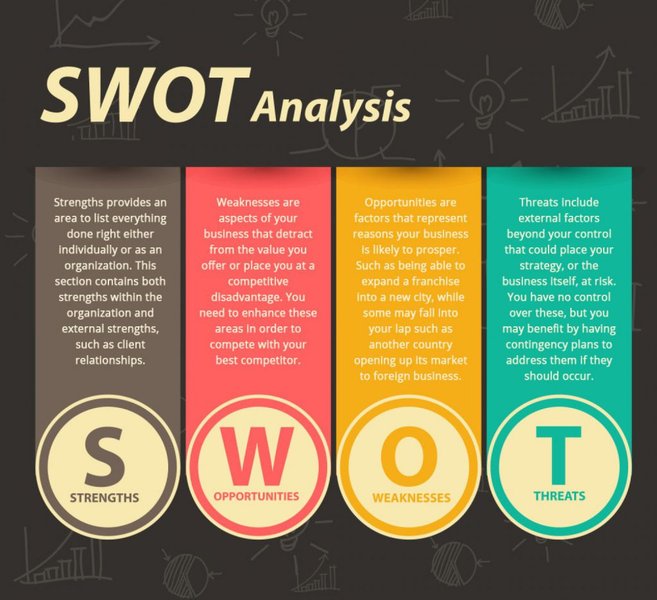
Key Insights at a Glance
- Strategic Planning and Informed Decision-Making: SWOT analysis is a fundamental tool that provides a clear picture of organizational strengths, weaknesses, opportunities, and threats.
- Adaptation and Proactive Management: It empowers organizations and information professionals to adapt proactively to market changes and manage risks effectively.
- Tailored Approaches and Collaborative Insights: A customized SWOT analysis facilitates self-reflection, strategic alignment, and collaborative innovation.
Introduction
SWOT analysis, famously advocated by Mary Ellen Bates, is not merely an evaluative framework but a strategic imperative for businesses, libraries, and information professionals alike. According to Bates, a seasoned expert in the field of information management and strategic consulting, a well-conducted SWOT analysis provides an invaluable lens through which a company or professional can examine internal attributes and external market factors. This comprehensive process significantly influences strategic planning and helps in crafting a future-ready approach. By identifying strengths and weaknesses internally while recognizing external opportunities and threats, organizations position themselves optimally to navigate challenges and exploit new openings.
Drawing from Bates’ extensive experience in both corporate information centers and strategic research, the critical role of SWOT analysis is evident in several nuanced domains. Her insights articulate that incorporating such an analysis is pivotal for fostering growth, encouraging self-reflection, and catalyzing innovation within any organization. In today’s rapidly evolving technological landscape, where reactive strategies can often lead to missed opportunities or unmanaged risks, a proactive SWOT analysis remains one of the most effective tools for gaining a competitive edge.
Detailed Breakdown of SWOT Analysis
Understanding SWOT Analysis
SWOT stands for Strengths, Weaknesses, Opportunities, and Threats. This framework provides a balanced and systematic method for understanding where an organization stands in relation to its internal capabilities and the external environment. Mary Ellen Bates emphasizes that the process of conducting a SWOT analysis is fundamentally about:
- Identifying Core Strengths: Recognizing internal areas where the organization excels, be it in its technological prowess, talented human resources, or efficient operational processes.
- Recognizing Weaknesses: Acknowledging internal shortfalls or constraints that may hinder growth, such as budget limitations, gaps in skill sets, or outdated processes.
- Spotting Opportunities: Leveraging external possibilities such as emerging markets, advancements in technology, or shifts in consumer behavior that align with the company’s vision.
- Mitigating Threats: Preparing for external challenges that could jeopardize the organization’s stability, including competitive pressures, regulatory changes, or evolving economic conditions.
The synergy of these four components enables a holistic view that is essential for informed decision-making and strategic planning. Bates notes that this clarity not only brings focus but also serves as a catalyst for realizing long-term success.
Strategic Significance in Decision-Making
According to Mary Ellen Bates, conducting a SWOT analysis is a critical strategic exercise that guides decision-makers in shaping their business strategies. By understanding the interplay between internal and external factors, organizations can:
- Develop Proactive Strategies: By anticipating potential threats and capitalizing on opportunities, organizations can implement plans that are resilient and adaptable.
- Align Resources Effectively: With a clear perspective on strengths and weaknesses, resources can be allocated more efficiently to prioritize initiatives that leverage strengths while addressing critical shortcomings.
- Foster Innovation: The process of analysis encourages an environment of self-reflection, encouraging teams to think creatively about how to transform weaknesses into strengths and threats into opportunities.
This proactive approach ensures that organizations are not caught off guard by rapid changes; instead, they are prepared to pivot quickly, maintaining relevance in a competitive environment.
Tailored Implementation and Continuous Improvement
One of the distinctive aspects of Mary Ellen Bates’ perspective is the emphasis on customization and continuous improvement. She argues that a SWOT analysis should not be seen as a one-time exercise, but rather as an iterative process. Some of the key points include:
- Context-Specific Adaptation: Each organization is unique. A tailored SWOT analysis ensures that specific challenges and opportunities are accurately identified based on the particular context of that business or professional environment.
- Dynamic Evaluation: Regularly updating the SWOT analysis to reflect current realities helps organizations remain agile and responsive to changes, ensuring that strategic plans are always relevant.
- Collaborative Engagement: Involving multiple stakeholders in the analysis process fosters collective insight and fosters a culture of transparency and shared responsibility. This helps in aligning the team with the overall strategic vision.
This continuous improvement approach not only amplifies the effectiveness of the SWOT analysis but also embeds strategic thinking into the organizational culture.
Visualizing SWOT Analysis Impact
Charting Strategic Factors
To better understand and visualize the various elements of a SWOT analysis, we include a radar chart below. This chart encapsulates how different perceived factors—derived from Mary Ellen Bates’ insights—compare in terms of their importance in strategic planning. The radar chart represents multiple datasets corresponding to internal strengths, weaknesses, emerging opportunities, and potential threats. Such visualization is beneficial for a concise, yet comprehensive view of strategic factors.
Mind Mapping the Core Concepts
A Visual Outline of SWOT Analysis Elements
The mind map diagram below provides a clear visual breakdown of the primary components of SWOT analysis, as emphasized by Mary Ellen Bates. This diagram highlights the interconnected nature of internal and external factors and illustrates the flow from analysis to strategic outcomes.
This mind map serves not only as an illustration of the core SWOT elements but also as a guide to understanding their interdependencies. Each node represents a critical area that influences strategy development, and organizing these components graphically helps teams focus on strategic alignment and collaborative innovation.
Deep Dive: The Role of SWOT Analysis for Information Professionals
Mary Ellen Bates’ Perspective on Information Services
Mary Ellen Bates is a respected authority in the domain of information management and strategic advisory. With a wealth of experience garnered from running Bates Information Services, she has established that a robust SWOT analysis is essential for professionals seeking to evaluate and improve their service offerings. Bates’ approach to SWOT analysis is multifaceted:
- Strategic Alignment: For information professionals, the SWOT framework facilitates a deep understanding of how internal strengths, such as expertise in user search behavior and effective information retrieval, can be aligned with external opportunities like emerging digital trends or technological innovations.
- Risk Management and Proactive Planning: By identifying weaknesses and external threats, professionals can preemptively develop mitigation strategies. This proactive stance is crucial in times of budget restrictions or fluctuating market conditions.
- Data Management and Future-Proofing: Ensuring long-term accessibility of specialized datasets requires a strong strategic framework. Bates encourages integrating information management best practices into the SWOT analysis process to maintain data integrity and usability over time.
- Enhanced Collaboration: A sound SWOT analysis process naturally leads to better communication and collaborative decision-making among team members. This shared insight helps in formulating strategies that are comprehensive and resilient.
By emphasizing these elements, Bates suggests that a SWOT analysis directly contributes to more effective resource allocation, improved operational efficiency, and ultimately, greater competitive advantage. Information professionals are thus encouraged to engage in this reflective process regularly, ensuring that their strategies remain aligned with both internal capabilities and the broader market dynamics.
Integrating SWOT into Ongoing Strategic Activities
One of the key takeaways from Bates’ insights is that SWOT analysis should not be treated as a static or isolated exercise. Instead, it should be integrated into regular strategic reviews and operational assessments. This dynamic approach includes:
- Periodic Reviews: Regularly scheduled analyses help to capture evolving market conditions, thereby ensuring that the strategic planning process stays current and responsive.
- Actionable Strategies: Following the analysis, the insights are mapped into concrete initiatives through frameworks like the TOWS matrix, transforming abstract observations into actionable plans.
- Feedback Loops: Establishing continuous feedback mechanisms allows organizations to monitor the outcomes of implemented strategies, thereby refining their approach over time.
These practices ensure that the SWOT analysis remains a living document – one that grows and evolves in tandem with the organization’s needs and the external environment. Bates’ approach underscores the value of adaptability and the importance of revisiting strategic assumptions periodically.
Multimedia Resource
Understanding SWOT Through Visual Media
To further enrich your understanding of SWOT analysis, consider the video embedded below. This resource provides a concise yet comprehensive exploration of SWOT analysis principles, including real-world examples and practical tips. It complements Mary Ellen Bates’ approach by offering another perspective on how to structure and implement an effective SWOT analysis.
SWOT Analysis Comparative Table
A Comparison of SWOT Elements with Strategic Outcomes
The following table encapsulates the core components of a SWOT analysis, as well as their corresponding impacts on strategic decision-making. This tabular presentation offers a clear, side-by-side comparison of how each SWOT element can influence the overall strategic direction.
| SWOT Component | Description | Strategic Impact | Examples |
|---|---|---|---|
| Strengths | Internal competencies and advantages | Enable leveraging core expertise for growth | Skilled workforce, advanced technology, strong brand reputation |
| Weaknesses | Internal limitations that hinder progress | Identify areas for improvement and risk management | Lack of resources, outdated systems, limited market presence |
| Opportunities | External trends or choices favorable to growth | Capitalize on market trends and emerging technologies | New markets, technological advancements, regulatory changes |
| Threats | External factors that could negatively impact the organization | Develop contingency plans and proactive strategies | Competitive pressure, economic shifts, misinterpretation of digital trends |
In this table, each SWOT component is aligned with its strategic implications. The structured approach of comparing these elements side-by-side emphasizes the importance of a comprehensive analysis that is customized to the needs of the organization, thereby enabling targeted strategic initiatives.
FAQs
Common Questions About SWOT Analysis
What is a SWOT Analysis?
Why did Mary Ellen Bates emphasize SWOT analysis?
How can SWOT analysis drive innovation?
Can SWOT analysis be a one-time effort?
References
- Have You SWOTed Lately? - InfoToday
- Is SWOT Analysis Important? - Ambitious PR
- SWOT Analysis: Meaning, Importance and Examples - The Strategy Story
- SWOT Analysis - Mary Ellen Hynd
-
Information Management Insights - Bates Information Services
Recommended for Further Exploration

Last updated March 31, 2025