
Understanding Synchronous Generator Types
In-depth comparison of Distributed, Salient without amortisseur, and Salient with amortisseur generators
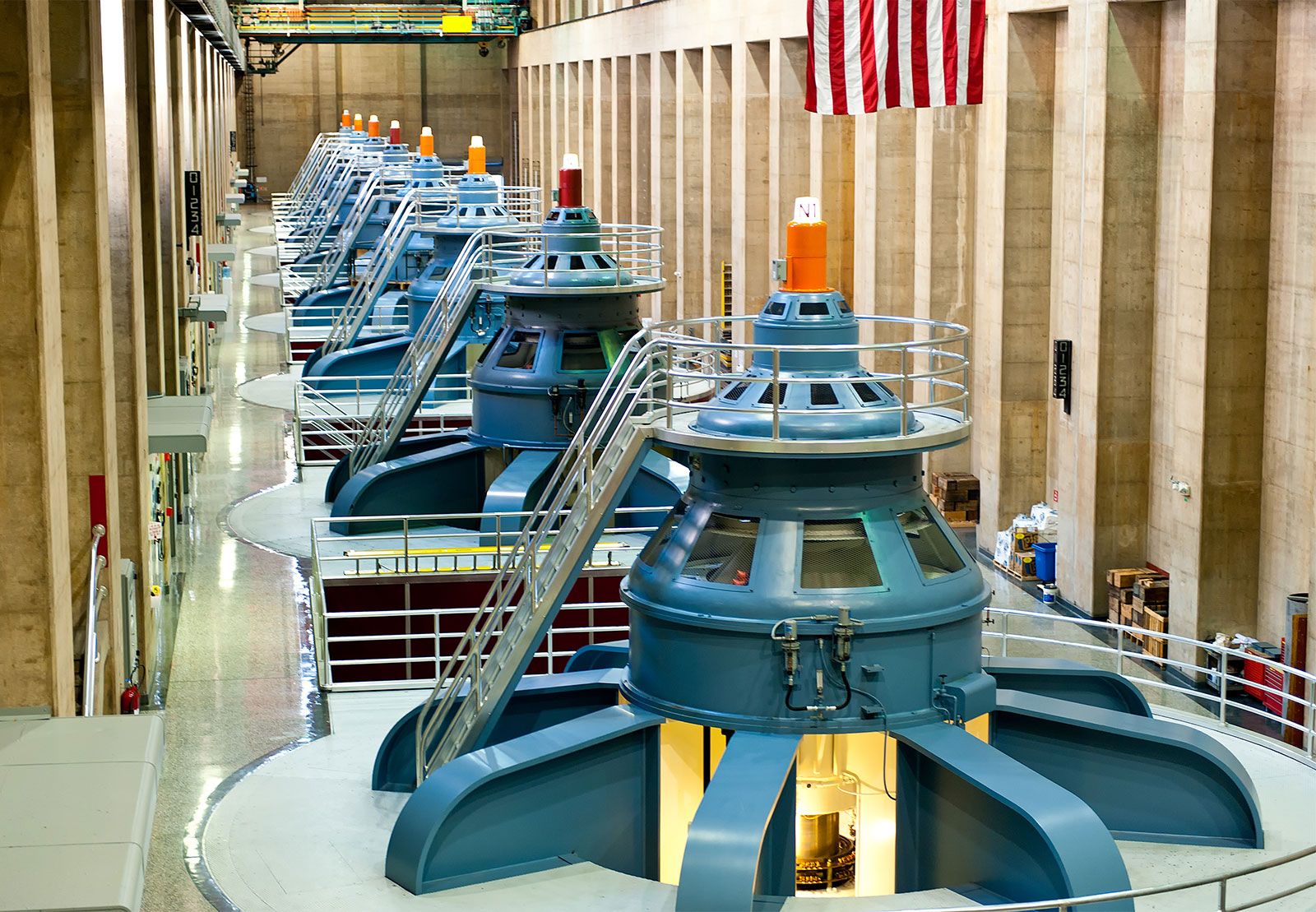
Key Highlights
- Rotor Design and Speed: Distributed pole generators use a cylindrical rotor ideal for high-speed applications, while salient pole generators are designed for low-speed operations with a protruding pole structure.
- Flux Distribution and Waveform Quality: Distributed pole machines exhibit a nearly sinusoidal flux distribution ensuring high-quality EMF waveforms, whereas salient pole machines often show non-uniform flux distribution, affecting performance.
- Damping and Operational Stability: The inclusion of amortisseur (damper) windings in salient pole generators greatly enhances stability by mitigating oscillations, which is crucial for applications like hydroelectric power generation.
Introduction
Synchronous generators are integral components of power generation systems, ensuring a steady frequency and voltage output necessary for grid operations. There are several configurations of these generators that cater to specific operational requirements and applications in power plants. This in-depth analysis focuses on three primary types: Distributed pole synchronous generators (also known as non-salient or cylindrical rotor machines), Salient pole synchronous generators without amortisseur windings, and Salient pole synchronous generators with amortisseur windings.
The primary differences among these generator types arise from their rotor design, speed capabilities, flux distribution characteristics, damping capabilities, and the corresponding applications they serve. Understanding these distinctions is essential for selecting the appropriate generator type in accordance with system requirements and mechanical constraints.
Distributed Pole Synchronous Generators
Construction and Design
Distributed pole synchronous generators, often referred to as cylindrical or non-salient pole generators, feature a smooth, cylindrical rotor. The rotor windings in these machines are uniformly distributed in slots along the periphery, contributing to a highly balanced structure. This uniform distribution leads to a nearly sinusoidal flux distribution, which is key to generating high-quality electromotive force (EMF) waveforms.
Operational Speed and Mechanical Characteristics
These generators are designed to operate at high speeds, typically between 1500 and 3000 revolutions per minute (RPM). The high-speed operation is a critical factor for applications in thermal, nuclear, and gas power plants, where prime mover speeds are relatively high. Moreover, the cylindrical rotor design is inherently robust and dynamically balanced, which better accommodates the mechanical stresses induced by high-RPM conditions.
Flux Distribution and EMF Quality
The uniformly distributed windings create an almost ideal sinusoidal flux distribution around the rotor. This results in an EMF waveform that is smooth and free from significant distortion, making these generators highly efficient in converting mechanical energy into electrical energy.
Applications
Due to their high-speed operation and efficient performance characteristics, distributed pole generators are predominantly used in steam and gas turbine power plants where the energy conversion process benefits from the machine’s stable and high-quality EMF production.
Salient Pole Synchronous Generators Without Amortisseur Windings
Construction and Unique Features
Salient pole synchronous generators without amortisseur windings feature a rotor design marked by projecting poles that extend outward from a cylindrical base. These poles, known as "salient" poles, are typically laminated to reduce eddy current losses and are mounted on a larger rotor diameter with a shorter axial length. This design accommodates multiple poles, sometimes ranging from 4 to as many as 60, which is particularly beneficial in low-speed applications.
Operational Speed and Applications
Designed primarily for low to medium speeds (generally between 100 and 375 RPM), these generators are well-suited for hydroelectric power plants. The reduced speed aligns with the natural operating speeds of water turbines, allowing for effective synchronization with the energy source.
Flux Distribution and Waveform Effects
The inherent nature of salient pole construction leads to a non-uniform or non-sinusoidal flux distribution. This non-ideal flux distribution results in a less perfect EMF waveform when compared with distributed pole machines. While the performance remains acceptable for many low-speed applications, the quality might be compromised in scenarios demanding precise voltage control and minimal harmonic distortion.
Mechanical Damping and Stability Issues
Without the inclusion of amortisseur windings, these generators do not benefit from the additional damping required to control rotor oscillations. As such, they are more susceptible to instability under transient conditions such as sudden load changes or variable speed operation. This drawback can lead to a phenomenon known as "hunting," where the rotor oscillates around synchronous speed, potentially affecting the generator's stability during operation.
Applications
Although suitable for low-speed operations, salient pole generators without damping mechanisms are typically employed in hydroelectric power plants where the operating environment is relatively stable and controlled, and the demand for high dynamic stability is less critical.
Salient Pole Synchronous Generators With Amortisseur Windings
Innovations in Rotor Design
Salient pole synchronous generators with amortisseur windings retain the same fundamental construction of projecting poles as their non-damped counterparts. However, they incorporate an additional feature: the amortisseur, or damper, windings. These windings are embedded into the pole faces and assembled in a squirrel-cage configuration, which is instrumental in improving the machine's operational dynamics.
Damping and Stabilization
The principal function of amortisseur windings is to provide mechanical damping, thus controlling rotor oscillations that can occur during transient conditions such as sudden load changes. The squirrel-cage structure of these windings acts similarly to damper windings in induction motors, effectively reducing the amplitude of oscillations. This stabilization is particularly crucial during the start-up phase, where induction-mode operation may be used before the machine synchronizes with the grid.
Enhanced Performance and Starting Capabilities
With the addition of damper windings, these generators exhibit improved starting characteristics. The ability to emulate induction motor behavior helps the generator to produce necessary starting torque without requiring separate auxiliary starting mechanisms. In addition, the damping provided by these windings significantly mitigates the tendency to “hunt” around the synchronous speed, thus maintaining steady operation even during load fluctuations.
Applications and Benefits
Salient pole generators equipped with amortisseur windings are predominantly employed in hydroelectric power plants where low-speed operation is the norm, and dynamic stability is paramount. The extra damping ensures a smooth transition from start-up to synchronized grid operation, enhancing the overall performance and reliability of the generator. The incorporation of these windings can be critically important in systems subject to variable loads or those experiencing frequent transients.
Comparative Analysis
Side-by-Side Comparison
To elucidate the differences between the three types of synchronous generators, consider the following detailed comparison table that highlights their primary characteristics:
| Feature | Distributed Pole (Non-Salient) | Salient Pole without Amortisseur | Salient Pole with Amortisseur |
|---|---|---|---|
| Rotor Design | Uniform, cylindrical rotor with distributed windings | Projecting, laminated poles on a large diameter rotor | Projecting poles with integrated squirrel-cage dampers |
| Operating Speed | High (1500-3000 RPM) | Low (100-375 RPM) | Low (100-375 RPM) |
| Flux Distribution | Nearly sinusoidal, resulting in high-quality EMF waveforms | Non-uniform, which can lead to waveform distortions | Non-uniform but stabilized by damping, reducing distortions during transients |
| Damping Capabilities | Inherent mechanical balance; damper windings not required | Lacks damping mechanism; prone to oscillations (hunting) | Enhanced damping through amortisseur windings for improved stability |
| Applications | Thermal, nuclear, and gas power plants requiring high-speed generators | Hydroelectric power plants with relatively stable load conditions | Hydroelectric installations where dynamic stability and start-up performance are critical |
Mechanisms Behind Amortisseur Windings
Functionality during Transient Conditions
The revolutionary contribution of amortisseur windings in salient pole generators cannot be overstated. These windings work by providing a path for induced currents that counteract oscillatory movements of the rotor (a phenomenon commonly referred to as "hunting"). During sudden load changes, the interaction of these currents with the magnetic field produces a counter-torque that effectively damps the rotor's oscillations.
Starting as an Induction Motor
One of the remarkable advantages of incorporating amortisseur windings is that the generator can initially function as an induction motor. This dual operation is invaluable during start-up by enabling the generator to gain the necessary rotor speed and torque before synchronizing with the power grid. Once synchronization is achieved, the generator transitions to its synchronous operation mode. This capability is especially useful in hydroelectric applications where the initial torque and variable loads can otherwise challenge the machine’s stability.
Enhancing Operational Robustness
In addition to improved starting capabilities, amortisseur windings contribute to overall system reliability. They help in mitigating issues like negative-sequence currents and associated heating, thereby prolonging the life of the generator by providing continuous damping during operation. This enhanced operational robustness is essential not only for maintaining a stable supply of power but also for protecting the mechanical and electrical integrity of the machine.
Comparative Summary of Key Elements
Rotors and Their Impact on Performance
The fundamental difference between distributed pole and salient pole generators lies in the rotor design:
- Feedback on Design: The circular, uniformly wound design of distributed pole generators ensures superb dynamic balance and high-speed fidelity. In contrast, the bulging, multi-pole design of salient pole generators introduces complexity in flux path and mechanical stability.
- Operational Speed Considerations: While distributed pole generators are tailored for high-speed operations necessary in thermal power plants, salient pole generators — with or without amortisseur windings — are optimized for lower speeds as seen in hydroelectric power stations.
- Damping and Stability: The absence of damper windings in traditional salient pole generators leaves them vulnerable to oscillations during transient events. The introduction of amortisseur windings substantially mitigates these issues, providing necessary damping and ensuring smoother transitions during dynamic load changes.
In practical terms, selecting the appropriate generator type depends largely on the operational speed and load stability requirements of the power system. High-speed applications benefit from the precision and sinusoidal output of distributed pole machines, whereas hydroelectric applications and other low-speed scenarios demand the added stability provided by salient pole generators with amortisseur windings.
Conclusion
In summary, the primary differences between the three synchronous generator types are dictated by their mechanical design and performance characteristics. Distributed pole synchronous generators, with their smooth cylindrical rotors and uniformly distributed windings, excel in high-speed applications due to their robust mechanical balance and high-quality EMF waveform output. On the other hand, salient pole generators, designed with projecting poles, are well-suited for low-speed operations such as those found in hydroelectric power plants. However, the inherent non-uniformity in flux distribution in salient pole machines can lead to issues with stability and performance under transient conditions.
The introduction of amortisseur windings in salient pole generators represents a significant advancement in addressing these challenges. By providing effective mechanical damping, these windings stabilize the generator during load fluctuations and during the transition from start-up to synchronous operation. This additional feature not only improves the overall efficiency and stability of the generator but also confers the capability to start as an induction motor, thereby broadening the practical applications of these machines.
Ultimately, the choice between these generator types is informed by the specific requirements of the application, including operational speed, load stability, and the quality of the generated electrical output. Understanding these differences is vital for engineers and power system designers in order to select the most appropriate synchronous generator for their projects.
References
- Synchronous Generator: Salient Pole vs Non-Salient Pole - Instrumentation Tools
- Synchronous Generator Comparison - Engineering Tutorial
- Salient Pole Rotor vs Non-Salient Pole - Electrical Easy
- Damper Winding - Wikipedia
Recommended
 static.weg.net
Last updated February 25, 2025