
Unveiling Latent Powers: Could Solomon, Satyananda, and Hermes Co-Author the Ultimate Guide to Extrasensory Abilities?
A conceptual synthesis exploring the combined esoteric wisdom for unlocking human potential.
Imagine a grimoire born from an unprecedented, albeit historically impossible, collaboration between three titans of mystical and spiritual thought: King Solomon, the wise ruler associated with ancient magic; Swami Satyananda Saraswati, the modern master of Yoga and Tantra; and Hermes Trismegistus, the legendary figure synonymous with Hermetic philosophy and alchemy. While these individuals existed in vastly different times and cultural contexts, preventing any literal co-authorship, the idea of synthesizing their profound knowledge into a guide for developing extrasensory abilities (ESA) is a captivating thought experiment. This exploration delves into how their distinct paths might converge to create a comprehensive framework for unlocking the hidden potential within the human mind and spirit.
Essential Insights
- The Power of Synthesis: Combining the ritualistic focus of Solomonic traditions, the disciplined mind-body practices of Yoga, and the universal principles of Hermeticism offers a potentially holistic approach to developing extrasensory perception.
- Mind, Energy, and Ritual: A theoretical framework integrating these traditions would likely emphasize mental discipline (Hermes), energy cultivation (Satyananda), and structured ritual (Solomon) as key pillars for awakening latent abilities.
- Ethical Foundation: True mastery, as suggested by all three traditions, requires profound ethical responsibility, humility, and a focus on spiritual evolution rather than mere power acquisition.
Foundations of the Synthesis: Merging Three Streams of Wisdom
Creating a unified path from such diverse sources requires identifying common ground and complementary principles. While Solomonic magic often focuses on ceremonial work and interaction with spirits, Satyananda's Yoga emphasizes inner purification and energy control, and Hermeticism provides a philosophical map of reality and the power of mind.
The Pillars of Practice
A grimoire conceptually synthesizing these legacies might establish its foundation on three core pillars:
The Hermetic Mindscape: Understanding Reality's Fabric
Drawing inspiration from Hermes Trismegistus, the initial focus would be on grasping the fundamental laws governing existence, particularly the Principle of Mentalism ("All is Mind") and Correspondence ("As Above, So Below"). This involves training the mind to understand its creative power and its connection to the cosmos. Practices would include deep meditation on these principles, visualization exercises to shape inner reality, and developing mental discipline to filter out mundane distractions and perceive subtle energies.
The Yogic Vessel: Purification and Energy Cultivation
Inspired by Swami Satyananda Saraswati, this pillar emphasizes preparing the physical and energetic body to safely handle heightened states of awareness. This involves:
- Shatkarmas: Yogic cleansing techniques to purify the body's internal pathways.
- Asanas: Physical postures to build stability, flexibility, and energetic flow.
- Pranayama: Breath control techniques to regulate life force (prana) and calm the nervous system.
- Chakra Awareness: Meditations to sensitize and balance the body's subtle energy centers, particularly Ajna Chakra (the third eye) associated with intuition and clairvoyance.
- Kundalini Practices: Gradual and systematic methods (like Kriya Yoga) to awaken the dormant spiritual energy, understood as the source of psychic powers (Siddhis).
The Solomonic Framework: Ritual, Intention, and Sacred Space
Drawing from the traditions attributed to King Solomon (like the "Key of Solomon"), this pillar provides structure, focus, and symbolic power. It involves:
- Purification Rituals: Ceremonial cleansing of self and space using elements (water, fire, air, earth) to establish sanctity.
- Sacred Geometry and Symbols: Utilizing sigils, talismans (like the Seal of Solomon), and protective circles to focus intent and interact with subtle realms.
- Invocation and Prayer: Structured methods for aligning with higher principles or intelligences, framing the work within a sacred context. (Note: Historical Solomonic texts often involve summoning entities, a practice requiring extreme caution and ethical consideration).
- Timing and Alignment: Performing practices in alignment with natural cycles (e.g., planetary hours, lunar phases) as suggested in some esoteric traditions.

A page from the Key of Solomon, illustrating the intricate symbols often found in Solomonic grimoires.
Visualizing the Integrated Path
To better understand how these distinct approaches might intertwine, consider the following conceptual mindmap. It illustrates the core components and potential connections within this synthesized framework for developing extrasensory abilities.
This mindmap shows how foundational principles lead to core practices drawn from each tradition, ultimately aiming at the development of specific abilities, all underpinned by ethical considerations.
A Comparative Look at the Traditions' Focus
While aiming for synthesis, it's useful to understand the primary emphasis each tradition might bring to this hypothetical collaboration. The following chart offers a conceptual comparison based on common interpretations of these paths, rating their relative focus on different aspects relevant to developing extrasensory abilities.
This chart highlights the potential strengths each tradition brings: Solomonic practices emphasize ritual and interaction with non-physical realms; Satyananda Yoga excels in physical and energetic preparation; Hermeticism provides the mental and philosophical framework. A true synthesis would aim to balance and integrate these diverse strengths.
Integrated Practices for Specific Abilities
How might these traditions combine in practice to cultivate specific extrasensory abilities? The following table outlines hypothetical integrated approaches:
| Extrasensory Ability | Integrated Approach (Conceptual Synthesis) | Core Elements |
|---|---|---|
| Clairvoyance (Clear Seeing) | Combines focused meditation on the Ajna Chakra (Satyananda), visualization techniques based on Hermetic principles of correspondence, and potentially using Solomonic sigils for clarity/vision during ritual focus. | Ajna Chakra Meditation, Visualization, Sigil Work (Optional/Adapted), Mental Stillness. |
| Telepathy (Mind-to-Mind Communication) | Integrates Yogic concentration (Dharana) and breath control (Pranayama) to quiet the mind, Hermetic understanding of the mental plane and vibration, perhaps using focused intent within a Solomonic-style consecrated space. | Concentration Practice, Pranayama, Understanding of Mental Plane, Focused Intent, Psychic Hygiene. |
| Psychometry (Reading Object Energy) | Uses Yogic sensitivity practices (like heightened awareness through meditation) combined with Hermetic principles of vibration and Correspondence, potentially using ritual hand-sensitizing techniques inspired by Solomonic preparation. | Heightened Sensory Awareness, Meditation on Objects, Understanding Vibration, Ritual Cleansing. |
| Astral Projection (Out-of-Body Experience) | Blends deep relaxation techniques like Yoga Nidra (Satyananda), Hermetic visualization of separating consciousness ("As Above, So Below" applied to body/spirit), within a ritually protected space (Solomonic influence) using specific intentions or invocations for safe travel. | Yoga Nidra, Visualization, Ritual Protection, Clear Intent, Energy Body Awareness (Subtle Body). |
| Precognition (Future Insight) | Cultivated through advanced meditation leading to intuitive states (Satyananda), understanding Hermetic principles of Cause & Effect and Rhythm, potentially enhanced by dream work or scrying methods found in some Solomonic-adjacent traditions. | Deep Meditation (Samadhi states), Intuition Development, Dream Journaling, Understanding Universal Laws. |
Note: This table presents hypothetical integrations for illustrative purposes. Actual practices require careful study, guidance, and ethical consideration.

Esoteric manuscripts often contain symbols and diagrams intended for meditation or ritual use.
Exploring Solomonic Magic Further
The Solomonic tradition, particularly the "Lesser Key of Solomon" or "Goetia," deals with the evocation and control of spirits. While distinct from the goals of Yoga or purely philosophical Hermeticism, understanding this aspect is crucial for a complete picture of the knowledge attributed to Solomon. This documentary provides historical context on Solomonic magic, highlighting its complex nature and influence within Western esotericism.
The Lesser Key of Solomon & Goetia - Documentary History of Solomonic Magic
This video delves into the historical associations of King Solomon with magic, particularly the systems outlined in grimoires like the Lemegeton (Lesser Key). It explores the context, contents, and enduring legacy of these texts, which detail hierarchies of spirits, seals for invocation, and methods for commanding them. Understanding this background helps differentiate the ceremonial magic aspects often linked to Solomon from the internal, self-development focus typical of Yoga or the mental/philosophical focus of Hermeticism, while acknowledging the shared pursuit of hidden knowledge and power within esoteric traditions.
Ethical Considerations: The Responsibility of Power
A core element likely shared across all three traditions, and essential in any synthesis, is the profound emphasis on ethics and responsibility. Developing extrasensory abilities is not merely about acquiring power but about spiritual evolution and service.
- Humility: Recognizing that abilities are gifts or results of discipline, not entitlements.
- Intention: Ensuring motivations are pure, aimed at growth and understanding, not manipulation or harm.
- Discernment: Learning to distinguish genuine insight from imagination or ego-driven desires.
- Balance: Integrating practices and abilities into a grounded, healthy life, avoiding obsession or detachment from reality.
- Service: Considering how awakened abilities might be used for the benefit of others or the greater good, aligning with principles like Karma Yoga (Satyananda) or divine wisdom (Solomon).
Any true "masterpiece" grimoire combining these paths would inevitably stress that power without wisdom and compassion is dangerous and ultimately self-defeating.
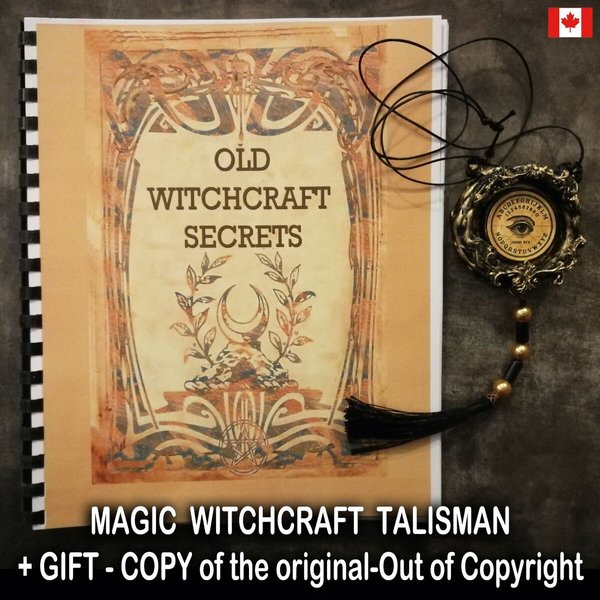
Ancient texts often blend practical instruction with philosophical and ethical guidance.
Frequently Asked Questions (FAQ)
Is there any historical evidence Solomon, Satyananda, and Hermes ever met or collaborated?
No, there is absolutely no historical evidence of collaboration. King Solomon is traditionally dated to the 10th century BCE. Hermes Trismegistus is a syncretic figure associated with Hellenistic Egypt (roughly 3rd century BCE to 3rd century CE). Swami Satyananda Saraswati lived in the 20th century CE (1923-2009). They are separated by vast stretches of time, geography, and cultural context. The idea of them collaborating is purely imaginative.
What are the main differences between their approaches to "powers"?
Solomonic Tradition (Grimoires): Often focuses on acquiring knowledge and power through the invocation and command of external spiritual entities (angels, demons) using specific rituals, seals, and words of power.
Satyananda Yoga/Tantra: Views powers (Siddhis) as natural byproducts of advanced spiritual practice, particularly the awakening of Kundalini and mastery over prana and mind. The focus is internal development and purification.
Hermeticism: Emphasizes understanding and applying universal laws (like Mentalism, Vibration). Powers arise from mental mastery, aligning the microcosm (self) with the macrocosm (universe), and potentially through practices like alchemy (spiritual transformation).
Can practicing these techniques be dangerous?
Yes, attempting advanced esoteric practices without proper preparation, guidance, and ethical grounding can be risky. Potential dangers include psychological imbalance, energetic disturbances, or negative spiritual encounters (especially relevant to some interpretations of Solomonic magic). Gradual progression, purification, grounding, and ideally guidance from qualified teachers within a specific tradition are highly recommended. Swami Satyananda's teachings, for example, strongly emphasize systematic preparation and safety in Kundalini practices.
What is a grimoire?
A grimoire is a textbook of magic, typically including instructions on how to create magical objects like talismans and amulets, how to perform magical spells, charms and divination, and how to summon or invoke supernatural entities such as angels, spirits, deities, and demons. Famous examples include the Key of Solomon and the Lesser Key of Solomon.
References
- Key of Solomon - Wikipedia
- Book of Angels Vol 12 Stolas - noflatfootfreaks (Mentions Lemegeton/Lesser Key)
- Teachings of Swami Satyananda Series - Bihar Yoga
- The Kybalion Unveiling The Seven Hermetic Principles - garrett-thierry.com
- Grimoires of a Biblical King - Ancient Origins
-
Prana Vidya (PDF referencing Swami Satyananda) - archive.org
- A Systematic Course in the Ancient Tantric Techniques of Yoga and Kriya - Amazon (Satyananda)
Recommended Investigations

 antaryamin.wordpress.com
 legacyofwisdom.blogspot.com
 noflatfootfreaks.wordpress.com
Last updated April 22, 2025