
Mastering the Art of Systematic and Thorough Housecleaning
Unlocking Efficiency and Achieving a Spotless Home with Expert Strategies
Achieving a truly clean and tidy home can seem like a daunting task, especially when life gets busy. However, by adopting a systematic and thorough approach, you can transform your cleaning routine from an overwhelming chore into a manageable and even satisfying process. The key lies in strategic planning, consistent effort, and utilizing effective techniques that professional cleaners employ. This comprehensive guide will walk you through the best practices for housecleaning, ensuring no nook or cranny is overlooked and your home truly sparkles.
Key Takeaways for Efficient Cleaning
- Plan and Prepare: Before you even pick up a broom, develop a clear cleaning schedule and gather all necessary supplies to avoid interruptions and maximize efficiency.
- Systematic Approach: Employ a "top-to-bottom, left-to-right" method within each room to ensure you don't miss any spots and prevent re-dirtying areas you've already cleaned.
- Consistency is Key: Incorporate daily, weekly, and monthly cleaning habits to maintain cleanliness, preventing large messes from accumulating and making deep cleaning less arduous.
The Foundation: Planning Your Cleaning Conquest
A systematic cleaning approach begins long before the actual scrubbing and dusting. Proper planning and preparation are crucial for efficiency and effectiveness. Without a clear strategy, you risk wasting time, missing areas, and feeling overwhelmed.
Creating a Tailored Cleaning Schedule
One of the most effective ways to manage housecleaning is by establishing a regular schedule. This helps break down the seemingly endless list of chores into manageable tasks, distributed across days, weeks, and months. A structured schedule prevents you from being caught off guard by accumulating messes and ensures that all areas of your home receive attention.
- Daily Tasks: These are quick chores that help maintain a baseline level of tidiness. Examples include making beds, wiping down kitchen counters, sanitizing high-touch surfaces, and sweeping floors. These small efforts prevent clutter and grime from building up.
- Weekly Tasks: Dedicate a few hours each week to more extensive cleaning. This might involve vacuuming and mopping all floors, cleaning bathrooms thoroughly (toilets, showers, sinks), and tidying up the kitchen more deeply, including appliance exteriors.
- Monthly Tasks: These are less frequent but important tasks that keep your home in top shape. Think about cleaning light fixtures, ceiling fans, wiping down cabinets, and a more thorough clean of overlooked areas.
- Seasonal/Deep Cleaning: Twice a year, typically in spring and fall, conduct a deep clean. This involves tackling areas often ignored during regular cleaning, such as washing windows, cleaning walls and baseboards, shampooing carpets, and cleaning inside appliances like ovens and refrigerators.
Martha Stewart's home cleaning schedule emphasizes the importance of daily, weekly, monthly, and seasonal cleaning to keep your home in tip-top shape without feeling overwhelmed.
Gathering Your Arsenal: Essential Cleaning Supplies
Having the right tools readily available is paramount for efficient cleaning. A well-stocked cleaning caddy means fewer trips to the supply closet and more uninterrupted cleaning time. Focus on quality, multi-purpose products to streamline your efforts.
- Microfiber Cloths: Praised by cleaning experts for streak-free results on various surfaces, from mirrors to dusty shelves. Have separate cloths for different tasks (e.g., wet cleaning, dry dusting).
- All-Purpose Cleaner: A good quality disinfectant cleaner is essential for sanitizing high-touch surfaces in kitchens and bathrooms.
- Glass Cleaner: For sparkling windows and mirrors without streaks.
- Floor Cleaners: Appropriate cleaners for your specific flooring types (hardwood, tile, carpet).
- Vacuum Cleaner: An adjustable vacuum with attachments is key for different surfaces and hard-to-reach areas, including upholstery and under furniture. Ensure the bag/compartment isn't full for optimal performance.
- Mop and Bucket: For hard floors, choose a system that works efficiently for you.
- Brushes and Sponges: Various sizes and types for scrubbing different surfaces, including a tapered scrub brush for corners.
- Protective Gear: Gloves to protect your hands from chemicals.
Professional cleaners often highlight the importance of investing in quality supplies and having a well-organized cleaning kit to make tasks easier and more efficient.
Implementing a Strategic Cleaning Flow
Once you have your plan and supplies in place, the next step is to adopt a systematic cleaning flow. This prevents cross-contamination, avoids re-dirtying areas, and ensures a comprehensive clean.
The "Top-to-Bottom, Left-to-Right" Principle
This is a foundational principle for efficient cleaning, endorsed by many professionals. It ensures that gravity works with you, not against you.
- Start from the Top: Begin by dusting ceiling fans, light fixtures, and high shelves. Dust naturally falls downwards, so cleaning from top to bottom means you only clean the floors once.
- Work Your Way Down: After high dusting, move to mid-level surfaces like countertops, tables, and furniture.
- Finish with Floors: Vacuuming and mopping should always be the last steps in a room, ensuring you collect all the dust and debris that has fallen.
Similarly, within each room, work from left to right (or in a circular motion) to avoid missing sections and ensure a thorough sweep. This systematic movement prevents you from going back and forth, saving valuable time and energy.
Declutter First, Clean Second
Before any serious cleaning begins, decluttering is a non-negotiable step. Trying to clean around piles of belongings is inefficient and yields subpar results. Take a few minutes to clear surfaces, put away misplaced items, and gather dirty laundry or dishes.
Consider the "put away, toss, or donate" rule for each item you pick up. This initial tidying phase makes dusting, wiping, and vacuuming much easier and more effective.
This radar chart visually compares the effectiveness of optimal cleaning habits against common challenges. It highlights how a systematic approach, efficiency in action, thoroughness, preparation and planning, consistency, and effective clutter management are crucial for achieving a clean and organized home. The "Optimal Cleaning Habits" dataset consistently scores high across all these dimensions, showcasing the holistic benefits of a well-structured cleaning regimen. Conversely, "Common Challenges" often fall short in these areas, illustrating typical pitfalls that lead to less effective cleaning outcomes. This chart underscores the importance of a balanced and comprehensive strategy for maintaining a spotless living space.
Room-by-Room Cleaning Strategies
While the general principles apply throughout the house, each room has unique cleaning requirements. Here's a breakdown of how to tackle them systematically:
Kitchen: The Heart of the Home
The kitchen is often the busiest and most used room, demanding frequent attention due to food preparation and spills. Start with dishes, then work your way from top to bottom.
Key Kitchen Cleaning Tasks:
- Clear and Sanitize Countertops: Remove all items, wipe down and disinfect surfaces.
- Clean Sink and Faucet: Scrub away grime and polish for shine.
- Wipe Down Appliances: Clean exteriors of refrigerator, oven, microwave, and dishwasher, addressing smudges and grease.
- Stovetop and Oven: Clean grates, burners, and wipe down the stovetop. For deep cleaning, use oven cleaner as directed.
- Wipe Cabinets: Clean spills and fingerprints from cabinet fronts. For deep cleaning, empty and wipe interiors.
- Sweep and Mop Floor: Finish by cleaning the floor, focusing on high-traffic areas and corners.
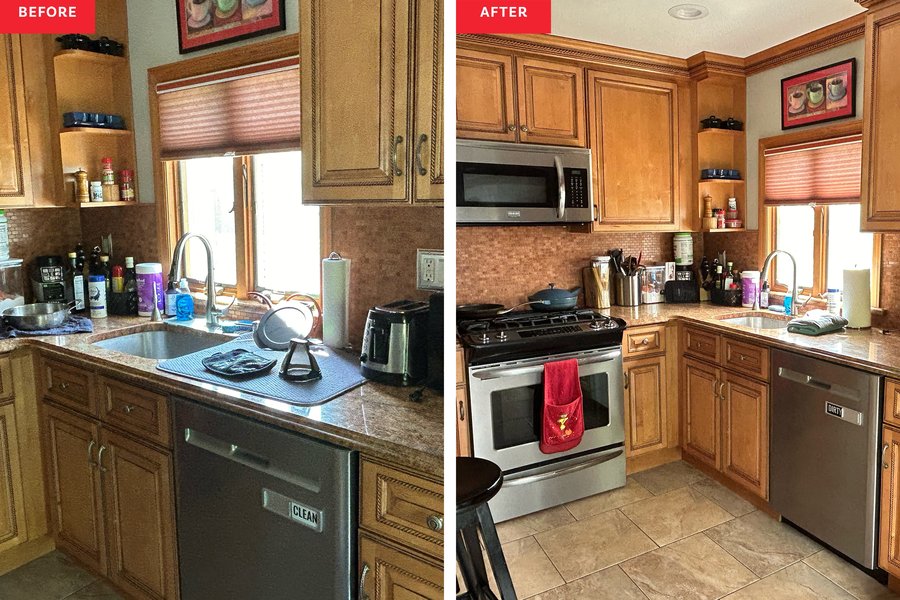
A visual demonstration of a kitchen before and after a thorough cleaning, highlighting the impact of a systematic approach.
Bathrooms: A Focus on Disinfection
Bathrooms require diligent disinfection due to high moisture and germ accumulation. A systematic approach ensures hygiene.
Key Bathroom Cleaning Tasks:
- Clear Clutter: Remove all items from counters and shower ledges.
- Apply Cleaner: Spray shower, tub, and toilet bowl with appropriate cleaners and let them sit while you clean other areas.
- Clean Mirror and Sink: Use glass cleaner for streak-free mirrors and scrub the sink and faucet.
- Wipe Down Countertops: Disinfect all surfaces.
- Scrub Toilet: Thoroughly clean the bowl, seat, exterior, and base where it meets the floor.
- Clean Shower/Tub: Scrub tiles, grout, and fixtures.
- Empty Trash: Replace liners.
- Sweep and Mop Floor: Pay extra attention to corners and around the toilet.
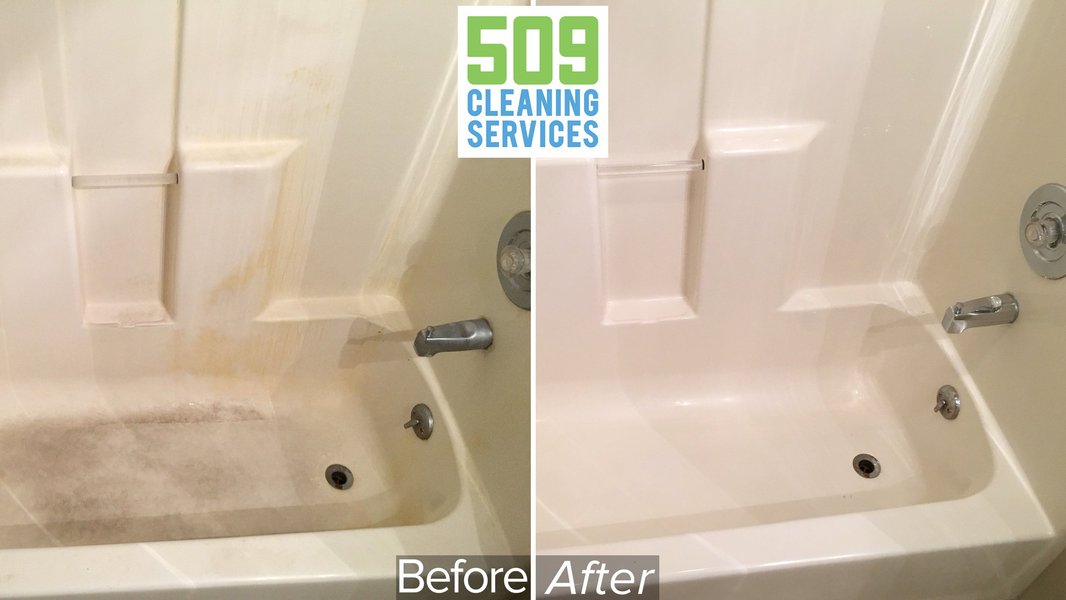
A before and after comparison of a bathtub, showcasing the transformative power of deep cleaning.
Living Areas and Bedrooms: Dusting and Organizing
These spaces often accumulate dust and clutter. Focus on removing dust and restoring order.
Key Living Area & Bedroom Cleaning Tasks:
- Declutter: Put away items, fold blankets, and organize pillows.
- Dust Surfaces: Start high (ceiling fans, light fixtures) and work your way down to shelves, picture frames, and furniture. Use a damp cloth for effective dust removal and to repel pet hair and dust on baseboards.
- Clean Windows and Mirrors: Wipe down with glass cleaner for a streak-free finish.
- Vacuum Upholstery: Use vacuum attachments to clean sofas, chairs, and under cushions.
- Vacuum/Mop Floors: Lift area rugs to clean underneath.
- Make Beds: Strip and remake beds weekly.
Advanced Techniques for Peak Efficiency
Beyond the basics, there are several advanced tips and tricks that can further enhance your cleaning efficiency and results, making the process faster and more effective.
The Power of Momentum: Batching Similar Tasks
Instead of cleaning one room at a time from start to finish, some experts suggest batching similar tasks across the entire house. For example, dust all surfaces in every room, then vacuum all floors, then clean all mirrors. This method can build momentum and reduce the time spent switching between different tools and cleaning modes.
The American Cleaning Institute notes that cleaning systematically instead of haphazardly saves time and uses fewer cleaning materials.
Tackling High-Touch Surfaces Regularly
In addition to visible dirt, focus on sanitizing high-touch surfaces daily or every other day to prevent the spread of germs. These include doorknobs, light switches, TV remotes, and appliance handles.
Utilizing Smart Cleaning Hacks
- Magic Erasers: Excellent for scuff marks on walls and dirt around doorknobs.
- Dryer Sheets for Baseboards: A dry dryer sheet can help repel dust and pet hair from baseboards for weeks.
- Squeegee for Windows: For streak-free windows, use a squeegee instead of paper towels.
- Damp Cloth on Mop for High Spots: Tie a damp cloth to a mop or broom handle to reach cobwebs and dust in high or hard-to-reach areas like ceiling corners and light fixtures.
The Importance of Maintenance and Consistency
The best way to keep a house clean is to clean it more often, even if it's just a quick tidy. Daily maintenance prevents small messes from turning into overwhelming projects. Regularity also reduces the need for frequent deep cleaning, making it a more manageable task when the time comes.
As the saying goes, "Clean as you go." Wiping down kitchen counters immediately after use, putting items away after you're done with them, and quickly tidying up before bed can make a significant difference in overall home cleanliness.
To further illustrate efficient cleaning techniques, here's a video from Clean My Space that shares expert tips on how to clean fast and effectively. Melissa Maker is known for her practical advice and systematic approach to cleaning, offering valuable insights that can be applied to any home.
This video from Clean My Space provides valuable professional cleaning tips, including a secret system to clean faster and more efficiently. It offers practical advice on setting up a cleaning routine and tackling tasks systematically, which aligns perfectly with the comprehensive strategies discussed here for achieving a spotless home.
Organizing Your Cleaning Tasks
To provide a clear overview of cleaning tasks and their recommended frequencies, the following table summarizes key areas and actions. This can serve as a quick reference for building your personalized cleaning checklist.
| Area/Task | Daily | Weekly | Monthly | Seasonally/Annually (Deep Clean) |
|---|---|---|---|---|
| Kitchen | Wipe counters, clean sink, do dishes, empty trash | Wipe appliance exteriors, clean stovetop, mop floor | Wipe cabinet fronts, clean microwave interior, sanitize trash can | Clean oven interior, defrost freezer, clean behind appliances, clean pantry/cabinets interior |
| Bathroom | Wipe counters, quick toilet wipe, tidy up | Clean toilet, shower/tub, sink, mirrors, mop floor | Clean shower curtains/liners, disinfect light switches/doorknobs | Scrub grout, clean light fixtures, wash bath mats, clean exhaust fan |
| Living Areas/Bedrooms | Make beds, tidy surfaces, put away clutter | Dust furniture/surfaces, vacuum/mop floors, empty small trash cans | Dust ceiling fans/light fixtures, vacuum upholstery, clean windows/mirrors | Wash curtains/blinds, shampoo carpets, clean walls/baseboards, clean inside windows (including sills/ledges) |
| General | Sanitize high-touch surfaces | Change bed linens | Dust blinds, wipe down doors/doorknobs, clean baseboards | Clean fireplaces, wash window screens, clean out gutters (exterior), power wash exterior surfaces |
This table offers a comprehensive overview of cleaning responsibilities, categorized by frequency and area. By integrating these tasks into a routine, you can ensure a consistently clean home without feeling overwhelmed by sporadic, large-scale cleaning efforts. This systematic approach, combining daily upkeep with deeper, less frequent tasks, forms the backbone of efficient home maintenance.
Frequently Asked Questions (FAQ)
How often should I deep clean my house?
What is the most efficient order to clean rooms in a house?
What are the essential cleaning supplies for a thorough clean?
How can I maintain a clean house with a busy schedule?
Conclusion
A systematic and thorough approach to housecleaning transforms a daunting task into a manageable and even satisfying routine. By planning your cleaning schedule, gathering the right tools, and applying logical strategies like the "top-to-bottom, left-to-right" method, you can achieve a consistently spotless home. Remember that consistency, even in small daily tasks, is key to preventing overwhelming messes and maintaining a healthy, comfortable living environment. Embrace these professional tips and tricks, and you'll find yourself cleaning smarter, not harder, leading to a home you can truly enjoy.
Recommended Further Reading
- How to create a personalized home cleaning schedule that fits your lifestyle.
- Discover the best eco-friendly cleaning products for a healthier and more sustainable home.
- Explore advanced deep cleaning hacks and common overlooked areas in your home.
- Learn effective tips for decluttering and organizing your home for lasting tidiness.
References
Last updated May 21, 2025