
Unraveling Taiwan's High-Tech Industrial Dynamics
An in-depth academic analysis of capital concentration, labor cycles, and innovative transformation
Key Insights
- Capital Allocation & Crowding-Out: Detailed examination of how resource concentration in high-tech sectors restricts funding for SMEs.
- Labor Market Dynamics: Analysis of cyclical fluctuations in labor supply and the emerging shortages in traditional industries.
- Innovative Transformation: Exploration of transformative strategies as solutions to overcome industry-specific bottlenecks during different phases of the business cycle.
Comprehensive Academic Analysis
Over several decades, Taiwan’s industrial policy has been predominantly geared towards the establishment and consolidation of high-technology sectors. The deliberate prioritization of technology-intensive industries has catalyzed Taiwan’s reputation as a global technology powerhouse. Nonetheless, this strategic focus has precipitated an inadvertent crowding-out phenomenon, whereby capital is disproportionately concentrated within rapidly expanding technology firms. This allocation dynamic tends to constrain the financial resources available to small and medium-sized enterprises (SMEs), which are critical for fostering broader economic development and diversification (Behr, Norden & Noth, 2013).
The resultant capital crowding-out effect extends its influence beyond financial constraints. It significantly impacts traditional or declining industries, where insufficient competitiveness renders these sectors particularly vulnerable to labor shortages. The ongoing reallocation of skilled labor toward high-growth segments has further exacerbated the human capital deficit within these less dynamic sectors. Importantly, this labor imbalance is not static; labor flows continue to be intimately linked with the prevailing business cycle. Fluctuations in economic activity, measured through indicators such as employment rates and wage adjustments, indicate that labor movement between sectors is sensitive to cyclical economic forces (Neffke et al., 2017). As such, variations in business conditions invariably impact the operational and strategic decisions of firms across the industrial spectrum.
In response to these structural challenges, the concept of innovative transformation has emerged as a promising avenue for firms to counteract industry-specific bottlenecks. Innovative transformation encapsulates a strategic shift whereby enterprises, particularly those constrained by capital and labor deficits, adopt transformative business models aimed at invigorating competitiveness and accessing new market opportunities. This academic analysis endeavors to examine the sustainable potential and temporal dimension of firm engagement in such transformation processes. The study’s primary objective is to assess the conditions under which innovative transformation is successful and to determine how the duration of this transformative engagement correlates with different phases of the business cycle.
The hypothesis underpinning this study posits that during periods of economic expansion, firms are more likely to secure the necessary resources—both capital and labor—to pursue innovative transformation effectively. Conversely, when the economy is in a downturn, reduced access to financial capital and diminished consumer demand may impede the extent and success of such transformations. Understanding these dynamics is crucial for policymakers and industry leaders as they endeavor to tailor industrial policy interventions that support a balanced distribution of resources and mitigate the adverse effects of market cyclicality.
Mechanisms of Capital Crowding-Out
The central premise underlying the capital crowding-out effect revolves around the preferential allocation of capital to sectors that promise higher returns on investment—in this case, the burgeoning high-technology firms. Empirical evidence suggests that this preferential flow of capital inherently deprives SMEs, notably those operating within traditional industries, of the necessary financial backing required for innovation and competitiveness. This reallocation of resources has been well-documented in contemporary economic literature and remains a significant concern in crafting inclusive industrial policy. The resultant capital constraints not only hinder the progress of SMEs but also limit the broader economic diversification that is essential for a resilient industrial ecosystem.
Labor Market Fluctuations and Business Cycles
Labor market dynamics represent a critical facet of Taiwan’s evolving industrial landscape. With traditional and declining sectors facing mounting challenges due to insufficient competitiveness, the adverse effects manifest in pronounced labor shortages. The migration of skilled workers towards high-paying, high-tech sectors further results in an uneven distribution of labor across industries. Studies indicate that these labor flows are highly contingent upon the cyclical rhythms of the economy, whereby economic booms facilitate the attraction of talent towards high-growth sectors, while recessions exacerbate divisions in labor supply. Consequently, these cyclical trends underscore the need for a more nuanced understanding of labor allocation strategies as firms navigate through periods of economic volatility.
Role of Innovative Transformation in Addressing Bottlenecks
In light of the identified capital and labor challenges, the transformation towards innovative business models emerges as a viable strategic remedy. The process of innovative transformation involves not only a reassessment of current operational frameworks but also a proactive adoption of new technologies, processes, and market strategies that can reinvigorate a firm’s competitive edge. For SMEs and those in declining industries, adopting such transformation strategies can provide a critical lifeline, enabling them to mitigate resource constraints and harness emerging market opportunities. This transformation is particularly salient when considered in the context of the business cycle, as firms’ ability to innovate is closely linked to the availability of capital and labor resources during different phases of the economic cycle.
In academic terms, the study proposes that the potential success of innovative transformation initiatives is a function of both the inherent characteristics of the firm and the macroeconomic conditions prevailing at the time of transformation. By rigorously analyzing the time duration and sustainability of these innovative shifts, this research seeks to contribute to a deeper understanding of how strategic adaptation can serve as a buffer against industry-specific bottlenecks. Ultimately, such insights could inform more nuanced policy frameworks aimed at bolstering SME competitiveness and ensuring a more balanced industrial growth trajectory in Taiwan.
Visual Data Representation
The radar chart below presents a synthesized visual analysis of the key components discussed in this study. The chart delineates the relative intensities of capital concentration, labor market adjustments, and the impact of innovative transformation when evaluated across varying phases of the business cycle. Although the datasets are derived from qualitative academic insights rather than empirical raw data, they nonetheless provide a conceptual framework for understanding the interplay of these factors.
Conceptual Framework Mindmap
To further elucidate the relationships among the components of Taiwan’s industrial policy, the following mindmap diagram provides a concise conceptual overview. This mindmap visually represents how high-technology emphasis, capital constraints, labor market dynamics, and innovative transformation interrelate within the context of business cycles.
Embedded Video Analysis
The embedded video below, titled "How Taiwan's Semiconductor Industry Won," provides valuable context into how Taiwan's high-technology focus has propelled its semiconductor sector to global prominence. This video offers insights into the policy decisions and industrial strategies that underpinned Taiwan's remarkable growth in these sectors. Watching it may help further illuminate the mechanisms discussed in this analysis.
Image Gallery: Industrial Dynamics in Focus
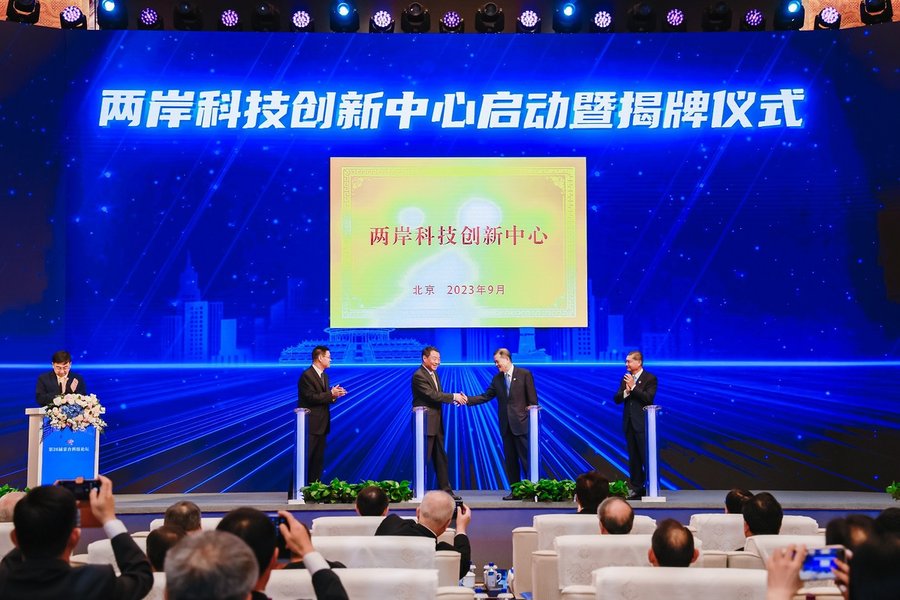
The images showcased below serve to complement the theoretical and data-driven aspects of our analysis. The first image highlights Taiwan’s vibrant semiconductor production lines, representing the focus on high-tech industrial prowess. The second image illustrates the human element—a visualization of labor shortages and the ongoing transition in traditional industries. Together, these images underscore the multifaceted challenges and opportunities inherent in Taiwan’s industrial policy.

Tabular Summary of Key Points
The following table provides a summary of the central themes discussed in this academic rewriting. It organizes the influence of high-technology emphasis, its resultant capital crowding-out effect, cyclical labor market dynamics, and the suggested pathways via innovative transformation.
| Theme | Description | Relevant Impact |
|---|---|---|
| High-Tech Priority | Directed policy focus on developing technology-intensive industries. | Global competitiveness and growth in capital-intensive sectors. |
| Crowding-Out Effect | Excess capital is absorbed by booming technology firms. | Financial constraints for SMEs and reduced investment in traditional industries. |
| Labor Market Dynamics | Fluctuations in labor allocation influenced by the business cycle. | Shortages in sectors that are less competitive and experiencing decline. |
| Innovative Transformation | Strategic shift where firms adopt new business models to reinvigorate competitiveness. | Potential mitigation of industry bottlenecks under favorable economic conditions. |
Frequently Asked Questions (FAQ)
References
- Globalization for Nation-Building - ResearchGate
- 2023 Investment Climate - U.S. Department of State
- Economic Development Case Study - Cambridge University Press
- Economic Ties Analysis - Atlantic Council
- Industrial Upgrading Comparative Study - SpringerLink
Recommended Additional Queries
Last updated April 4, 2025