
Funding Sources for Postdoctoral Positions in Taiwan
Exploring diverse opportunities for research funding in Taiwan
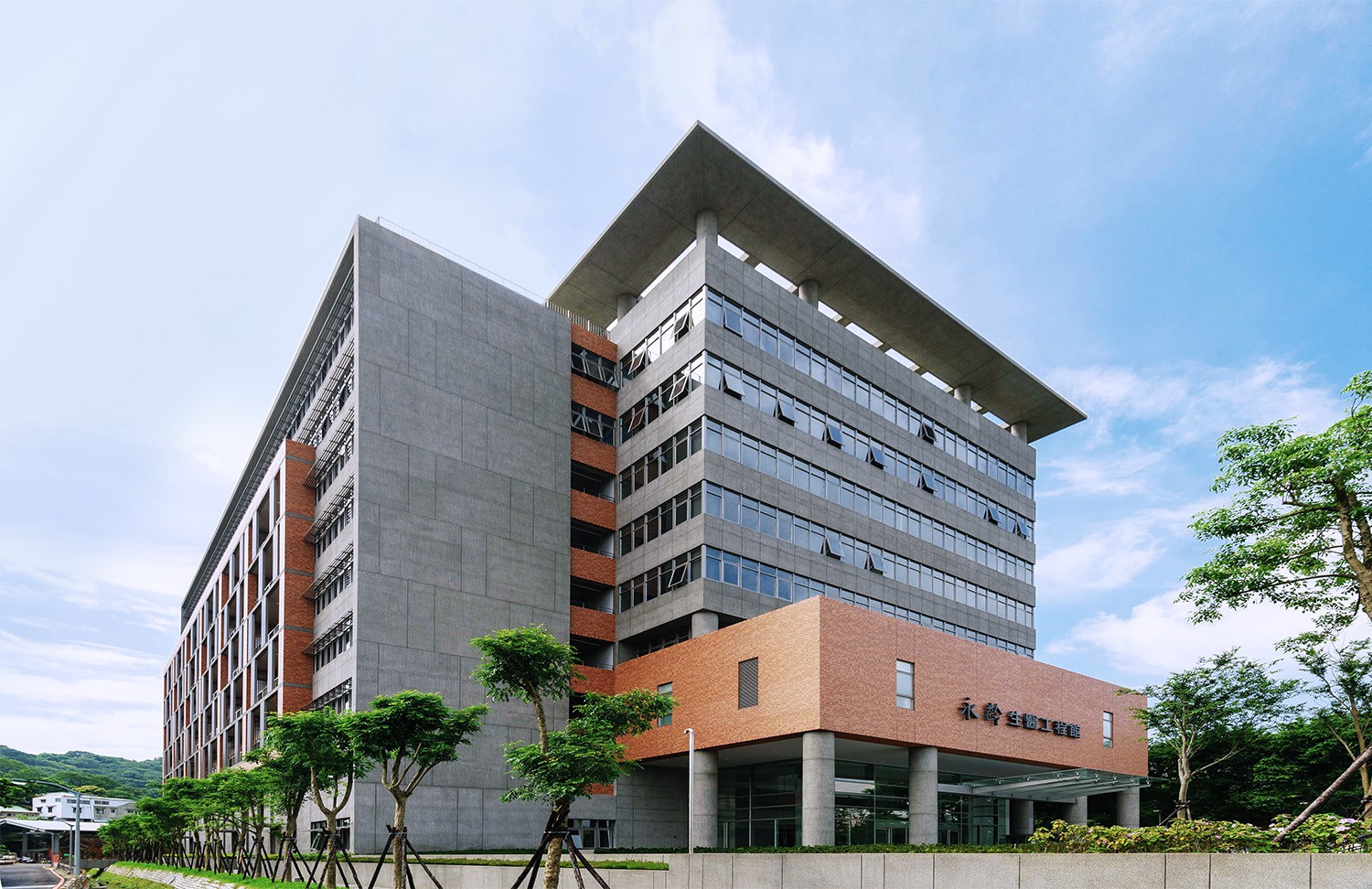
Highlights
- Government Support: Programs managed by the National Science and Technology Council (NSTC) and Ministry of Foreign Affairs (MOFA) offer competitive funding and additional benefits such as airfare subsidies and insurance.
- Academic Institutions: Prestigious institutions like Academia Sinica provide research grants to postdoctoral scholars, including additional support for recruiting researchers from abroad.
- Foundation Grants: Various foundations, including the Chiang Ching-kuo Foundation (CCKF) and Taiwan Foundation for Democracy (TFD), contribute by offering fellowships that cater to diverse research fields.
Overview of Funding Sources
Taiwan offers a robust environment for postdoctoral research, drawing from a range of funding sources provided by both government agencies and independent foundations. These opportunities are designed to attract talented researchers from around the world and foster scientific and academic excellence within the Taiwanese research ecosystem. The funding sources cater to various disciplines and offer financial support that typically includes research grants, monthly stipends, travel subsidies, and insurance benefits.
Government Agencies
Taiwan’s government agencies are at the forefront of supporting postdoctoral research. Two primary governmental players are the National Science and Technology Council (NSTC) and the Ministry of Foreign Affairs (MOFA):
National Science and Technology Council (NSTC)
The NSTC plays a pivotal role in the scientific and technological advancement of Taiwan. With its extensive funding programs, the NSTC provides opportunities for postdoctoral scholars involved in cutting-edge research projects. A notable example is the NSTC Postdoctoral Scholar program which has been known to offer competitive funding – approximately US$60,000 per year, including comprehensive tax considerations – for research projects typically lasting one to two years.
The NSTC funds projects across several scientific disciplines, often requiring applicants to have an already funded or well-structured research proposal. This requirement ensures that the selected projects meet stringent standards of innovation and intellectual merit.
Ministry of Foreign Affairs (MOFA) Taiwan Fellowship
The MOFA Taiwan Fellowship is primarily aimed at attracting international scholars who are interested in conducting research related to Taiwan. Besides offering a monthly stipend, the fellowship provides significant additional benefits such as:
- Round-trip economy-class airfare – to facilitate travel to and from Taiwan.
- Accident insurance coverage – typically with coverage amounts nearing NT$1 million.
- Medical insurance supplements, which offer extra financial protection for accidental injuries.
This funding stream is designed not only to enhance academic collaborations but also to promote research that aligns with Taiwan’s diplomatic and cultural initiatives. Scholars benefiting from this program contribute to the international visibility of Taiwanese research, simultaneously elevating Taiwan's academic and research collaborations globally.
Academic Institution-Based Funding
Several academic institutions play a crucial role in providing funding for postdoctoral researchers. Among these, Academia Sinica stands out as a major supporter:
Academia Sinica Postdoctoral Scholar Program
Academia Sinica is one of the premier research institutions in Taiwan, renowned for its cutting-edge research and influential academic networks. Its Postdoctoral Scholar Program is one of the primary funding channels for postdoctoral researchers. Key features of this program include:
- Research Grants: Postdoctoral scholars can access research grants that may reach up to NT$500,000 per year.
- Airfare Subsidies: For researchers recruited from international locations, Academia Sinica provides additional subsidies to cover the costs of travel to Taiwan.
Such programs are conceived to ensure that Taiwan remains at the forefront of research innovation by attracting and retaining top-notch scientific talent. By offering substantial financial support and facilitating global academic exchanges, Academia Sinica helps maintain Taiwan's competitive advantage in research.
Funding from Foundations and Other Organizations
In addition to the formalized government and academic institution funding schemes, independent foundations also contribute significantly to supporting postdoctoral research in Taiwan. These foundations often focus on specific research areas or themes, such as democracy, Chinese studies, or international scientific collaboration.
Chiang Ching-kuo Foundation (CCKF)
The Chiang Ching-kuo Foundation offers postdoctoral research fellowships with a strong emphasis on fields related to Chinese studies, including aspects relevant to Taiwan. Its fellowship programs can provide funding up to approximately EUR21,000 per year for a period of up to two years. This level of support is intended to bridge the gap between academic research and practical policy applications, and also boosts international academic collaborations.
Taiwan Foundation for Democracy (TFD)
The TFD offers fellowships and grants that are often targeted towards research in democracy, human rights, and public policy. These programs are especially relevant in the context of Taiwan’s vibrant democratic system. The TFD funding mechanisms enable researchers to focus on under-explored topics that strengthen democratic discourse and governance in and around Taiwan.
Other Academic and Research Programs
Beyond the primary players mentioned above, Taiwan hosts a variety of alternative funding avenues such as:
- The General Academic Research and Evaluation program within Academia Sinica, which supports emerging research projects.
- Programs supported by the Ministry of Science and Technology and the National Health Research Institutes that target specific fields of scientific inquiry.
- International postgraduate programs such as the Taiwan International Graduate Program (TIGP) that occasionally coordinate funding for postdoctoral research experiences.
These diverse channels encourage a multidisciplinary approach to research funding and ensure that Taiwan continues to lead in many global research arenas.
Comparative Details of Funding Programs
To further illustrate the funding landscape in Taiwan, the following table outlines a detailed comparison of the major funding sources available to postdoctoral researchers:
| Funding Source | Key Features | Funding Amount/Benefits | Beneficiary Focus |
|---|---|---|---|
| National Science and Technology Council (NSTC) | Competitive funding for research projects in science and technology; typically linked with ongoing funded research. | \$60,000/year (approx.) including tax benefits | Postdoctoral researchers in scientific & technological fields |
| MOFA Taiwan Fellowship | International scholars; includes travel, monthly stipends, and insurance coverage | Monthly stipend, round-trip economy ticket, accident & medical insurance | Foreign experts and researchers with topics related to Taiwan |
| Academia Sinica Postdoctoral Scholar Program | Research grants with additional benefits for international recruitment | Up to NT$500,000/year; airfare subsidies for international candidates | Scholars engaged in rigorous academic research |
| Chiang Ching-kuo Foundation (CCKF) | Fellowships for research related to Chinese studies and other interdisciplinary fields | Up to EUR21,000/year for two years | Postdoctoral researchers in fields overlapping with Chinese and regional studies |
| Taiwan Foundation for Democracy (TFD) | Focused on democratic research and human rights studies | Variable amounts depending on the fellowship category | Researchers investigating governance, democracy, and social sciences |
This table provides a side-by-side view of the different types of funding, highlighting how each program is tailored to meet both the financial and professional development needs of postdoctoral scholars.
Navigating and Applying for Funding
Successfully securing a postdoctoral position in Taiwan requires careful navigation of the application procedures and deadlines associated with each funding agency. While the criteria differ among organizations, the following general guidelines apply:
Understanding Application Requirements
Funding agencies generally require applicants to submit a detailed research plan, curriculum vitae, academic transcripts, and letters of recommendation. For government-supported programs like those offered by NSTC and MOFA, additional documents detailing the budget and project timelines may also be necessary. In contrast, academic institutions such as Academia Sinica may emphasize research proposals highlighting innovative methodologies and potential contributions to the relevant field.
Applicants should note the importance of aligning their project with the specific goals and thematic priorities of the funding source. For instance, a proposal submitted to the MOFA Taiwan Fellowship should reflect aspects that resonate with Taiwanese culture, policy, or international relations, while proposals for NSTC should clearly articulate the scientific or technological impacts of the research.
Key Tips for a Successful Application
When preparing your application, consider the following tips:
- Start early: Give yourself sufficient time to carefully prepare and tailor your proposal to the funding agency’s guidelines.
- Review past successful applications: Many funding agencies publish examples or guidelines that can offer insight into what they are looking for.
- Engage with potential mentors: Faculty or researchers with previous successful grants can provide invaluable advice.
- Highlight international collaboration: Especially for fellowships like the MOFA Taiwan Fellowship, demonstrating potential global impact strengthens your application.
Additional Opportunities and Perspectives
Apart from the primary funding sources, Taiwan’s broader research and academic environment continues to grow and evolve. Several interdisciplinary and collaborative projects receive backing from a variety of agencies, thus expanding the scope for postdoctoral scholars:
Interdisciplinary and Collaborative Programs
Increasingly, Taiwanese funding programs emphasize interdisciplinary studies that combine insights from science, technology, humanities, and social sciences. Such collaborative projects:
- Encourage innovative research approaches that address complex global challenges.
- Foster partnerships between Taiwanese institutions and international research bodies.
- Open avenues for joint projects where resources and expertise can be efficiently shared.
These characteristics make Taiwan an attractive destination for postdoctoral research on a global scale.
Long-Term Impact of Funding Initiatives
The financial support available to postdoctoral researchers in Taiwan not only fosters immediate academic achievement but also contributes to the long-term development of each scholar’s career. By providing a stable and well-supported platform for high-level research, these funding initiatives help build future leaders in academia, industry, and policy-making.
Researchers who benefit from these programs often go on to establish successful careers and lead innovations that further reinforce Taiwan's reputation as a vibrant center for research and scientific inquiry.
Additional Resources and Practical Information
For anyone interested in pursuing a postdoctoral position in Taiwan or seeking detailed information about how to apply for the various funding programs, numerous online resources are available. These resources include official websites of funding agencies, academic institutions, and international fellowship agencies that showcase detailed guidelines, timelines, and frequently asked questions.
Researchers are encouraged to regularly visit these sites and subscribe to any available newsletters or mailing lists to receive timely updates about application deadlines and new funding initiatives. By keeping well-informed, applicants can tailor their proposals and meet all requirements efficiently.
References and Further Reading
The following references provide direct access to detailed information on Taiwan’s funding sources for postdoctoral research:
- Academia Sinica Postdoctoral Scholar Program - Academia Sinica
- International Postdoctoral Fellowship Program - NTARL
- MOFA Taiwan Fellowship 2025 - Scholarship Roar
- CCKF Postdoctoral Research Fellowships - CCKF
- Taiwan Foundation for Democracy Grants - TFD
Recommended Related Queries
If you are curious about more aspects of postdoctoral research and funding opportunities in Taiwan, consider exploring the following queries:
Last updated March 18, 2025