
In-Depth Analysis of Takedown Styles in the UFC
Exploring Common Techniques and Strategic Patterns Among Top Takedown Artists
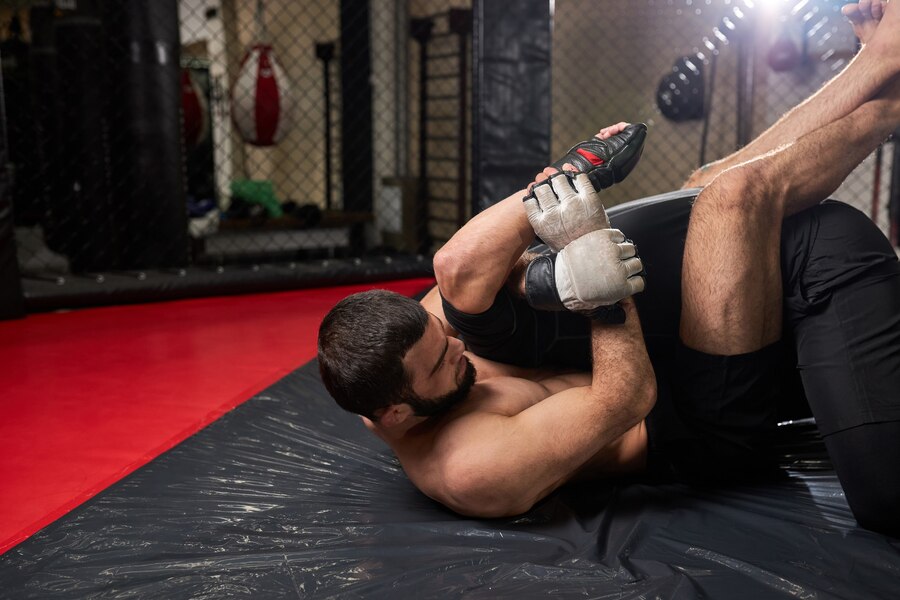
Key Highlights
- Integration of Striking and Grappling: Most fighters use striking combos to set up their takedowns.
- Preferred Techniques: Double-leg and single-leg takedowns are predominant across all athletes.
- Control and Transition: Effective transitions into dominant positions are crucial in securing takedown success.
Overview of Fighter Techniques and Styles
Introduction
In mixed martial arts, the effectiveness of a takedown often comes down to precision, timing, and the seamless integration of striking with grappling. Analyzing the styles of highly accurate takedown artists in the UFC, including Nordine Taleb, Taila Santos, Robbie Lawler, Georges St-Pierre, Bartosz Fabinski, Jonathan Goulet, Montel Jackson, and Diego Brandao, yields valuable insights. Despite differences in overall game plans and backgrounds, these fighters exhibit several common traits. They favor techniques that quickly transition from striking to grappling, most notably double-leg and single-leg takedowns, and they work to maintain control after securing the takedown.
Common Strategic Patterns
A consistent pattern among these athletes is their ability to integrate offensive striking with effective grappling. Their takedown strategies are built on a few core principles:
1. Timing and Level Changes
Timing is crucial. These fighters excel at altering their level during strikes, a maneuver that deceives opponents and creates openings for a quick takedown. Whether feinting a knockout blow or engaging in a striking exchange, these level changes are engineered to shift the balance, thus exposing the legs and compromising an opponent's defense.
2. Blending Strikes with Takedowns
A well-coordinated blend of striking and grappling is another staple in their approach. Fighters like Georges St-Pierre are known for initiating takedowns as a direct result of creating offensive openings with strikes. This combination puts opponents on the back foot, forcing them to defend against both standing and ground attacks.
3. Emphasis on Control Post-Takedown
Achieving a takedown is only part of the battle; maintaining control on the ground is equally important. Many of these fighters transition seamlessly into dominant positions once on the mat, setting up potential ground-and-pound or submission opportunities. Enhanced control is a product of both position awareness and grappling experience.
Detailed Analysis of Individual Fighters
Nordine Taleb (76.2% Accuracy)
Nordine Taleb is renowned for his explosive speed and precision in executing takedowns. With a record-setting takedown accuracy, Taleb’s style exemplifies the successful blend of striking and grappling. His approach typically involves closing the distance with a well-timed strike before transitioning into a double-leg takedown. The quick change in levels allows him to catch opponents off guard, and his footwork ensures that his takedowns are both timely and powerful. His combination of striking feints and grappling transitions makes him a formidable opponent, one who can control the pace of the fight effectively.
Taila Santos (75.0% Accuracy)
Taila Santos, with a background in Brazilian Jiu-Jitsu, capitalizes on her grappling proficiency to control fights. Although her takedown record is slightly lower than some of her counterparts, her style emphasizes body lock takedowns and trips. Taila often utilizes clinch situations to employ single-leg takedowns. Her familiarity with ground grappling allows her to quickly adapt and secure positions that optimize her control on the mat. This approach is particularly effective in maintaining dominance once the fight goes to the ground, as she is adept at transitioning into submission setups.
Robbie Lawler (73.9% Accuracy)
Known primarily for his striking prowess, Robbie Lawler integrates his wrestling background to create counter-takedown opportunities. His defensive takedowns are crafted to capitalize on moments when opponents are overly aggressive. Typically, Lawler employs both single-leg and double-leg takedowns, often setting these maneuvers up with powerful strikes. His ability to absorb and counter heavy striking makes his technique effective in creating openings, as he patiently waits for the right moment to execute his takedown while minimizing the risk of a counter.
Georges St-Pierre (73.8% Accuracy)
Georges St-Pierre, often regarded as one of the greatest mixed martial artists, displays an exceptional synthesis of wrestling and striking skills. His favored technique is the double-leg takedown, which he utilizes with precise timing. St-Pierre’s game plan involves using a series of strikes to disrupt his opponent’s balance and then leveraging that window to execute a swift double-leg takedown. His low center of gravity and impeccable balance allow him to control the opponent after the takedown, thereby securing advantageous positions that often lead to further offensive opportunities such as ground strikes or submissions.
Bartosz Fabinski (70.6% Accuracy)
Bartosz Fabinski epitomizes the strong grappling-centric approach commonly seen in the UFC. With a focus on wrestling-oriented techniques, Fabinski primarily employs double-leg takedowns to dominate his opponents. His emphasis on maintaining pressure and pursuing ground control ensures that once he executes his takedown, he remains in a position of strength. His style is less about flashy setups and more about systematically breaking down an opponent’s defense using a classic wrestling approach that prioritizes control and ground dominance.
Jonathan Goulet (70.0% Accuracy)
Jonathan Goulet brings a mix of striking versatility and solid grappling skills to the octagon. His approach to takedowns usually involves a combination of feints and aggressive striking to create an opening for both single-leg and double-leg takedowns. Goulet’s strategy is based on unpredictability; by mixing up his approach, he can often catch his opponents during transitions, leading to opportunities for effective takedowns. His style, while less reliant on wrestling pure form than some of his peers, still highlights the critical importance of timing and level changes during combat.
Montel Jackson (68.8% Accuracy)
Montel Jackson, a rising talent in the UFC, is known for his fast-paced and dynamic approach. Combining sharp striking with his explosive athleticism, he leans towards double-leg takedowns as well as occasional single-leg techniques. Jackson uses his speed to initiate takedowns in transition moments, often catching opponents unprepared. His approach is characterized by quick, decisive movements, which allow him to transition rapidly from stand-up exchanges into grappling scenarios. The effectiveness of his technique lies in his ability to disrupt the opponent's rhythm and capitalize on even the shortest lapses in defense.
Diego Brandao (68.0% Accuracy)
Diego Brandao’s style reflects the aggressive energy of many Brazilian fighters. With a deep background in Brazilian Jiu-Jitsu, Brandao frequently opts for single-leg takedowns which allow him to dictate the pace of the engagement. His approach is marked by quick setups, often integrating punches and overhand strikes that serve as distractions before lowering his level for the takedown. By using body lock techniques and controlled transitions, Brandao aims to keep his opponents off balance and compensate for his less expansive takedown options. Although his accuracy is slightly lower compared to others, his aggressive style and proactive takedown attempts demonstrate his commitment to grappling as an integral aspect of his overall strategy.
Comparative Analysis Table
Below is a summarized table that compares the preferred takedown techniques and key attributes of each fighter:
| Fighter | Primary Takedown Techniques | Key Strategic Aspect |
|---|---|---|
| Nordine Taleb | Double-leg takedowns, transitions from striking | Explosive speed and quick level changes |
| Taila Santos | Body lock takedowns, trips, single-leg setups | Brazilian Jiu-Jitsu control and clinch work |
| Robbie Lawler | Single-leg and double-leg takedowns | Countering aggressive strikes with defensive takedowns |
| Georges St-Pierre | Double-leg takedowns, transitions via striking openings | Precision in timing and unmatched balance |
| Bartosz Fabinski | Double-leg takedowns | Classic wrestling approach targeting ground control |
| Jonathan Goulet | Single-leg and double-leg takedowns | Mixed striking to set up unpredictable grappling transitions |
| Montel Jackson | Double-leg takedowns; occasional single-leg | Exploiting speed and athleticism in transitions |
| Diego Brandao | Single-leg takedowns, body lock techniques | Aggressive setups and integration of overhand strikes |
Lessons Learned from Their Takedown Styles
Evaluating these fighters’ techniques provides several key takeaways for both practitioners and enthusiasts of mixed martial arts.
Strategic Integration
One major insight is the importance of strategic integration. The elite fighters combine stand-up striking with grappling techniques to create opportunities that wouldn’t be available if they relied solely on one discipline. This integration requires cross-training in various martial arts, enhancing adaptability and unpredictability in the octagon. Whether it is through initiating movement with a punch or a feint, the ultimate goal is to destabilize the opponent and render them vulnerable to a takedown.
Technique Versatility
Versatility is another critical lesson. While techniques such as the double-leg and single-leg takedowns are prevalent, the ability to execute multiple variants well allows fighters to adapt mid-fight. When one method is anticipated or deflected by an opponent, having alternatives such as trips, body locks, or clinch takedowns ensures that the fighter maintains the initiative. This versatility is a product of rigorous practice and an understanding of varied body mechanics and fight scenarios.
Importance of Control
Securing the takedown is only half the battle; maintaining control once the opponent is on the ground is equally paramount. The fighters discussed emphasize controlling the opponent in the subsequent phase of the fight, ensuring that the takedown leads to further opportunities – be it ground and pound, strategic positioning, or submissions. This control is vital for scoring points in the eyes of judges and for mitigating risks of a counter-attack on the ground.
Adaptability in High-Stakes Situations
The constant evolution of fighting styles in the UFC mandates a degree of adaptability. These athletes continuously evolve their techniques, incorporating defensive counter-takedowns and innovative striking to enable wise transition into grappling. Adaptive strategies not only improve takedown efficiency but also help in countering opponents who may evolve their defenses. In essence, the ability to adapt in real time differentiates a great fighter from a merely competent one.
Conclusion
The examination of the takedown styles of Nordine Taleb, Taila Santos, Robbie Lawler, Georges St-Pierre, Bartosz Fabinski, Jonathan Goulet, Montel Jackson, and Diego Brandao reveals a fascinating commonality in their approach: the seamless integration of striking with grappling, with a predominant reliance on double-leg and single-leg takedowns. Whether through the explosive style of Taleb, the clinch-based control of Santos, or the precision timing of St-Pierre, these fighters demonstrate that successful takedowns are not just about brute force but about strategy, timing, and adaptability. They each display an acute sense of when to transition from a striking offense into a grappling situation, taking advantage of the opponent's momentary lapses in defense.
Importantly, their ability to control the position after the takedown is as critical as the execution of the takedown itself. This observation reinforces the view that in MMA, it is not merely the act of taking an opponent down, but how one establishes and maintains dominance on the ground that often determines the outcome of the bout. From these fighters, coaches and fighters alike can learn the importance of multidisciplinary training, the value of tactical adaptability, and the benefit of developing a well-rounded approach that blends the strengths of both striking and wrestling.
References
- Nordine Taleb | UFC - UFC
- Nordine Taleb on UFC Career - Vahva Fitness
- Georges St-Pierre | UFC - UFC
- Taila Santos at Sherdog - Sherdog
Recommended
Last updated February 26, 2025