
Unveiling the Invisible: Why Weren't Tardigrades Found in Moss Samples?
Exploring the challenges and implications of searching for microscopic water bears across different environments.
Knowledge cutoff: Thursday, 2025-04-24
Highlights
- Cryptobiosis is Key: The initial absence of active tardigrades upon collection is common, as they often enter a dormant 'tun' state (cryptobiosis) in dry conditions, requiring rehydration to become active.
- Soaking is Essential, But Not Guaranteed: While soaking moss samples (typically 24-48 hours) is crucial for reviving dormant tardigrades, their absence even after soaking suggests factors like low local population density, unsuitable microhabitats, or methodological limitations might be at play.
- Substrate Matters, But Context is Crucial: Literature suggests tardigrades often favor moss on trees and rocks over soil due to moisture retention, but local environmental conditions (moisture, pollution, specific moss type) heavily influence actual presence and abundance, potentially explaining absence across all tested substrates in this study.
Study Objectives and Initial Findings
This investigation aimed to achieve three primary objectives:
- Determine the presence or absence of Tardigrades (water bears) in moss samples collected from three distinct substrates: Soil, Rock, and Tree.
- Compare the effectiveness of a 24-hour versus a 72-hour soaking period in facilitating the observation of active tardigrades.
- Compare the relative abundance and/or presence rates of tardigrades across these different substrates.
Additionally, the study intended to assess the effectiveness of different microscopes used for detection.
Initial Observation Results
A key initial finding was recorded on the day of sample collection: Zero active tardigrades were observed in any of the moss samples examined directly from the Soil, Rock, or Tree substrates.
This initial result sets the stage for discussing the necessity of subsequent steps, particularly the rehydration protocols, and interpreting the overall findings regarding tardigrade presence and abundance in the sampled environments.
Detailed Results and Discussion
The Significance of the Initial Absence
The observation of no active tardigrades immediately after collecting the moss samples is a noteworthy, though not entirely unexpected, result. Tardigrades are renowned for their ability to survive harsh environmental conditions, particularly desiccation (drying out). Many terrestrial and freshwater species can enter a state of suspended animation called cryptobiosis, specifically anhydrobiosis when related to water loss.
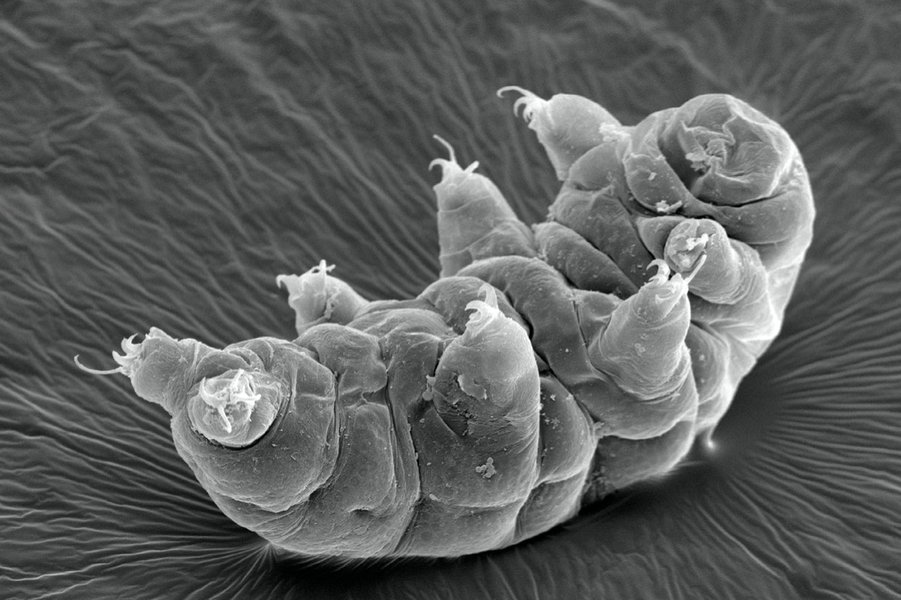
A tardigrade, or water bear, viewed under a microscope. Their ability to survive drying is linked to cryptobiosis.
Cryptobiosis: The Survival Strategy
In the anhydrobiotic state, tardigrades retract their legs, contract their bodies into a desiccated, barrel-shaped form known as a 'tun', and drastically reduce their metabolic activity – sometimes to less than 0.01% of the normal rate. This allows them to endure extreme dryness, temperatures, and radiation levels for extended periods. Therefore, the absence of *active* tardigrades upon collection likely indicates that any individuals present within the moss were in this dormant tun state due to the prevailing moisture conditions of the samples at that time. They require rehydration to resume metabolic activity and become observable as mobile organisms.
Evaluating Soaking Period Effectiveness (24h vs. 72h)
Given the cryptobiotic capabilities of tardigrades, soaking the moss samples in water is a standard and essential procedure to reanimate them from the tun state. This study aimed to compare a 24-hour soaking period with a longer 72-hour period.
Rationale and Expected Outcomes
A 24-hour soaking period is commonly recommended in guides and methodologies as sufficient time for many tardigrades to rehydrate and become active. Extending the soaking time to 72 hours might theoretically allow slower-reviving individuals or species more time to become active, potentially increasing detection rates.
However, the effectiveness of prolonged soaking can be debated. Some research suggests that tardigrade density or viability might decrease after 24-48 hours in storage or soaking, possibly due to factors like osmotic stress, oxygen depletion in the water, or increased microbial activity (bacteria, fungi, protozoa) competing with or harming the tardigrades.
Interpreting Absence After Soaking
If, as suggested by the structure of the initial query and some supporting answers, no tardigrades were observed *even after* both the 24-hour and 72-hour soaking periods, this prevents a direct comparison of the effectiveness of the two durations based on positive observations. The continued absence implies that either:
- Tardigrades were genuinely absent or present in extremely low densities in the collected samples, below the threshold of detection.
- The soaking conditions themselves were suboptimal for revival (e.g., water quality, temperature).
- The tardigrades present belonged to species requiring different conditions or longer times for revival than tested.
- Methodological factors during collection or handling impacted viability.
Therefore, while the soaking step was necessary, its inability to yield active tardigrades points towards other limiting factors beyond just the soaking duration itself.
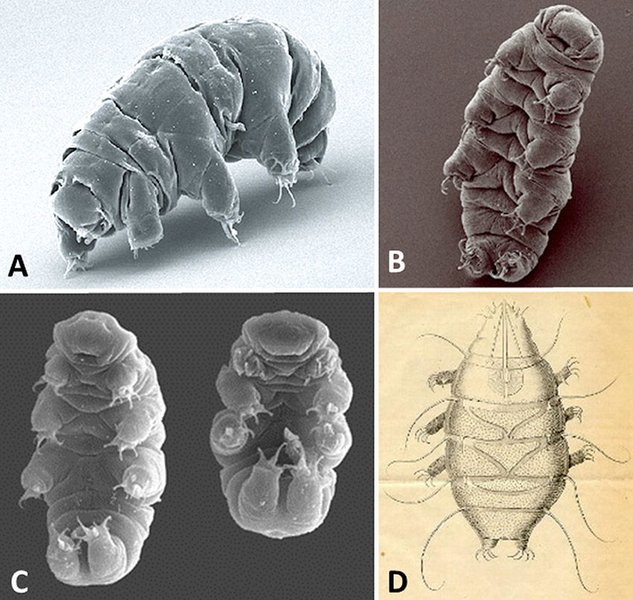
Close-up view of a tardigrade. Finding these resilient creatures often requires careful sample preparation.
Comparing Tardigrade Presence Across Substrates (Soil, Rock, Tree)
Tardigrades inhabit a wide range of environments globally, with mosses and lichens being particularly well-known habitats. They are commonly found in moss growing on soil, rocks, and tree bark. The study aimed to compare their relative abundance or presence rates across these three substrates.
Typical Distribution Patterns
Literature often suggests that tardigrade abundance and diversity can vary significantly depending on the substrate and its associated microclimate. Moss on trees and rocks, particularly in shaded or moist locations, may offer more stable hydration and protection compared to moss directly on soil, which might dry out faster or be subject to more physical disturbance or contamination. Studies have reported varying densities, sometimes reaching millions per square meter in favorable moss patches, while soil densities might be lower or more variable depending on soil type and organic content. Some research indicates higher tardigrade densities in moss associated with trees compared to rocks or soil in certain ecosystems.
Interpreting Absence Across All Substrates
The finding of no tardigrades across *all three* substrate types (Soil, Rock, Tree) in this specific study, both initially and potentially after soaking, deviates from the general expectation that at least some substrates would yield specimens. This suggests factors overriding typical substrate preferences might be at play in the sampled location:
- Environmental Conditions: The specific sampling site might experience conditions unfavorable to tardigrades, such as prolonged dryness, extreme temperatures, high levels of pollution (especially noted to impact urban tardigrade populations), or lack of suitable microhabitat complexity within the moss.
- Geographic Variation: Tardigrade distribution is not uniform; some regions or habitats naturally support lower populations.
- Sampling Strategy: Collecting samples from only a few points might miss localized patches where tardigrades are present. Wider, more intensive sampling is often recommended.
- Moss Species: Not all moss species are equally suitable habitats for tardigrades.
Microscope Effectiveness
Assessing the effectiveness of different microscopes was an objective, but the absence of tardigrades prevents a direct comparison based on successful detection. However, general principles apply.
General Requirements
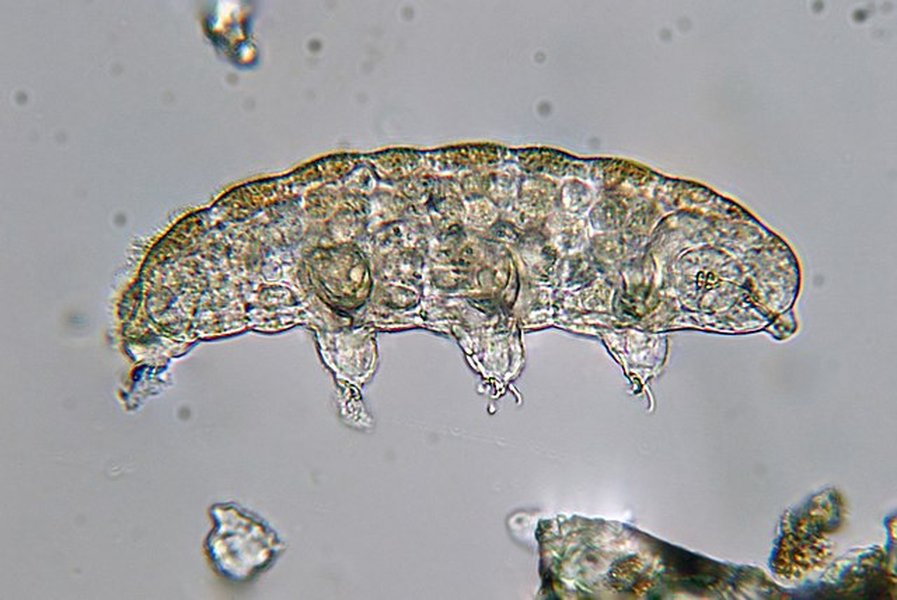
Tardigrades typically range from 0.1 to 1.5 mm in length, with most being under 0.5 mm. While visible at lower magnifications, clear observation usually requires a stereo (dissecting) microscope or a compound microscope. Magnifications starting around 40X are generally considered sufficient to spot active tardigrades in a water sample (e.g., from soaked moss). Higher magnifications (100X-400X) allow for more detailed observation of their features. The failure to detect tardigrades in this study, assuming appropriate microscopy techniques were used (e.g., examining water squeezed from moss, scanning Petri dishes systematically), likely reinforces the conclusion of their absence or extremely low density rather than indicating a fundamental limitation of standard microscopy equipment.
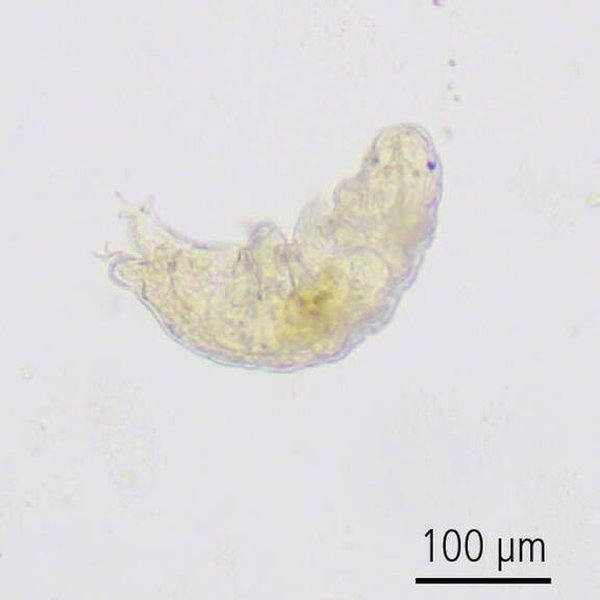
Tardigrade viewed using brightfield microscopy, a common technique for observation.
Factors Influencing Tardigrade Detection Success
The success of finding tardigrades depends on a combination of biological, environmental, and methodological factors. The radar chart below visualizes the potential relative importance of several key factors that could explain the difficulty or failure in detecting tardigrades in a given study, based on general knowledge.
This chart suggests that factors like the actual initial density of tardigrades, the suitability of the microhabitat (including pollution levels), and the effectiveness of the rehydration (soaking) process often have a very high impact on whether tardigrades are successfully observed. While microscope quality matters, even good equipment cannot find what isn't there or what hasn't been successfully revived.
Visualizing Tardigrade Study Challenges
Finding tardigrades involves overcoming several hurdles related to their biology, the environment, and the methods used. This mindmap outlines the key challenges encountered in studies like this one.
(Intensity, Location)"] id3b["Sample Handling & Storage"] id3c["Soaking Protocol
(Duration, Water Quality, Temp)"] id3d["Observation Technique
(Microscopy, Scanning)"] id4["Potential Outcomes & Interpretations"] id4a["Successful Detection"] id4b["Low Density Observed"] id4c["Absence Due to Environment"] id4d["Absence Due to Methods"] id4e["Genuine Absence"]
This map highlights that a negative result (no tardigrades found) can stem from multiple points in the process, from the inherent difficulty in spotting dormant, tiny creatures to unsuitable environmental conditions or limitations in the study's methodology.
Comparing Expected vs. Observed Tardigrade Presence
The table below contrasts general expectations based on scientific literature regarding tardigrade presence in different substrates with the observed findings of this specific study (where no tardigrades were detected).
| Substrate Type | Expected Presence/Abundance (General Literature) | Observed Presence (This Study - Post Soaking Implied) | Potential Reasons for Discrepancy |
|---|---|---|---|
| Soil Moss | Present, density variable (can be high, but sometimes lower than trees/rocks or harder to spot due to debris). | Absent | Low local density, unfavorable soil conditions (e.g., contamination, rapid drying), specific moss type unsuitable. |
| Rock Moss | Commonly present, often moderate to high abundance depending on moisture retention and aspect. | Absent | Low local density, harsh microclimate on rock surface (e.g., extreme sun exposure), specific moss type unsuitable. |
| Tree Moss | Often considered optimal habitat; frequently high abundance and diversity reported, especially on bark in moist, shaded areas. | Absent | Low local density, specific tree species unsuitable, high pollution levels affecting epiphytic moss, unfavorable aspect/height on tree. |
This comparison underscores that while general patterns exist, local factors can significantly alter tardigrade distribution, leading to results that may differ from broader expectations.
Video Guide: Finding Tardigrades
Understanding the practical steps involved in finding tardigrades is crucial. This video provides a helpful overview of methods for collecting moss and extracting these fascinating micro-animals for observation under a microscope. It demonstrates techniques similar to those potentially employed in this study, highlighting the process of soaking and searching.
Watching such guides can provide context on the typical procedures and potential pitfalls in the search for tardigrades, reinforcing the importance of careful technique alongside understanding their biology.
Frequently Asked Questions (FAQ)
▶ What is cryptobiosis and why is it important for finding tardigrades?
Cryptobiosis is a state of extreme inactivity that some organisms, like tardigrades, enter in response to adverse environmental conditions such as drying out (anhydrobiosis), freezing (cryobiosis), or lack of oxygen (anoxybiosis). In the anhydrobiotic 'tun' state, they lose most of their body water and suspend their metabolism. It's important because tardigrades in collected dry moss are likely in this dormant state and won't be visibly active. They need to be rehydrated (soaked) to revive them, making this step crucial for detection.
▶ Why soak moss samples, and is longer always better?
Moss samples are soaked primarily to rehydrate any dormant tardigrades (tuns) and stimulate them to become active and mobile, making them easier to find under a microscope. A period of 24-48 hours is often recommended. While longer soaking (e.g., 72 hours) might allow more time for revival, it's not always better. Prolonged soaking can potentially lead to problems like oxygen depletion in the water, decomposition of the moss, excessive growth of bacteria or fungi that can harm tardigrades, or osmotic stress. The optimal duration can vary.
▶ Where are the best places to look for tardigrades?
Tardigrades are widespread, but good places to look include damp environments like mosses (especially on trees, rocks, and walls), lichens, leaf litter, soil, and freshwater sediments. Mosses that experience cycles of wetting and drying are often productive habitats. Look for cushiony moss in shaded areas, or moss near dripping water sources. Avoid areas with heavy pollution.
Moss provides the moisture and shelter tardigrades often need.
▶ What kind of microscope and magnification do I need?
A stereo (dissecting) microscope is often easiest for initially scanning larger samples (like a Petri dish with water squeezed from moss) at lower magnifications (e.g., 20X-40X). Tardigrades can often be spotted moving at 40X. A compound microscope can provide higher magnifications (100X, 400X) needed for observing finer details once a tardigrade is located. Even basic student microscopes can be sufficient if the technique is correct.
▶ If I don't find tardigrades, does it mean they aren't there?
Not necessarily. Failure to find tardigrades can mean they are genuinely absent or present in very low numbers in the specific spot you sampled. However, it could also be due to methodology: perhaps the soaking wasn't long enough or conditions weren't right for revival, the observation technique missed them (they can be small and blend in), or the sample handling compromised them. Sampling multiple locations and refining techniques can increase the chances of detection.
References
- Tardigrade - Wikipedia
- Tardigrade | Description, Species, Habitat, & Facts - Britannica
- Terrestrial Tardigrade Habitats - SpringerLink
- Tardigrade abundance and diversity across four substrates in Monteverde, Costa Rica - USF Digital Commons
-
Soil Fauna Diversity and Distribution - ScienceDirect
-
Tardigrade communities in High Arctic soils - PubMed Central (PMC)
- How to Find a Tardigrade (Water Bear) + Free Printable Guide - Joyful Microbe
-
Effect of Sample Storage Duration on Tardigrade Density - ScienceDirect
- Abundance of tardigrades (water bears) in lichen, moss, and soil habitats - Journal of Urban Ecology (OUP)
- How to find Tardigrades? - YouTube
Recommended
Last updated April 24, 2025