
Comprehensive Guide to Tariff Codes for Leather Handbags
Understanding HS Codes for Accurate International Trade Classification
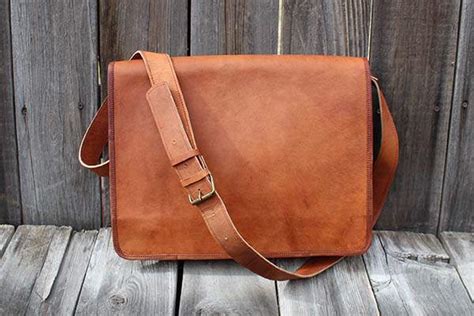
Key Takeaways
- HS Code 4202.21: The primary classification for leather handbags with specific subcategories based on material and value.
- Global Recognition: The Harmonized System is internationally standardized, ensuring consistent trade documentation and customs procedures.
- Importance of Accurate Classification: Correct tariff classification is crucial for determining applicable duties, taxes, and compliance with international trade regulations.
Introduction to the Harmonized System (HS) Code
The Harmonized System (HS) is an internationally standardized system of names and numbers used to classify traded products. Developed and maintained by the World Customs Organization (WCO), the HS Code facilitates international trade by ensuring that all trading partners use the same language when referring to products. The system is hierarchical, consisting of chapters, headings, and subheadings that provide detailed classifications for various goods.
Tariff Classification for Leather Handbags
Primary HS Code for Leather Handbags
Leather handbags are categorized under HS Code 4202.21. This code is specifically designated for handbags with an outer surface made of leather, composition leather, or patent leather, regardless of whether they have shoulder straps or handles. The classification ensures that all leather handbags are uniformly identified in international trade, facilitating smoother customs procedures and trade agreements.
Subcategories Based on Material and Value
Within the primary HS Code 4202.21, there are further subcategories that provide more precise classification based on specific materials used and the value of the handbags:
- 4202.21.0000: This subcategory applies to leather handbags where the outer surface is made of genuine leather or composition leather without any further distinctions.
- 4202.21.6000: Reserved for leather handbags valued at not over $20 each. This differentiation helps in applying value-specific duties and taxes.
- 4202.21.9000: Applicable to leather handbags valued over $20 each. Higher-value items may be subject to different tariff rates compared to lower-value counterparts.
Application in International Trade
Import and Export Declarations
When importing or exporting leather handbags, businesses must declare the correct HS Code to customs authorities. Accurate declaration under HS Code 4202.21 ensures that the appropriate tariffs, duties, and taxes are applied. Misclassification can lead to delays, fines, or additional inspections, which can disrupt the supply chain and incur unexpected costs.
Customs Duties and Taxes
The HS Code determines the tariff rates applicable to the product. For leather handbags under HS Code 4202.21, the duty rates can vary based on the specific subcategory and the country of import or export. It's essential to consult the Harmonized Tariff Schedule (HTS) of the destination country to understand the exact duties and taxes levied on the products.
Trade Documentation
Proper documentation is a critical component of international trade. The HS Code is a key element in documents such as commercial invoices, packing lists, and certificates of origin. Ensuring that the HS Code is correctly listed not only facilitates faster clearance through customs but also aids in maintaining compliance with international trade agreements and regulations.
Global Recognition and Standardization
International Standardization
The Harmonized System is used by over 200 countries and economies worldwide, making it the backbone of international trade classification. This standardization allows for a common understanding of product categories, reducing confusion and discrepancies in global trade transactions.
Customs and Trade Authorities
Most national customs authorities, including those in the United States (under the Harmonized Tariff Schedule or HTS), the European Union, China, and others, rely on the HS Code for classifying goods. This widespread acceptance ensures that leather handbags classified under HS Code 4202.21 are consistently identified and processed across different jurisdictions.
Importance of Accurate Tariff Classification
Compliance and Legal Implications
Accurate tariff classification is not merely a procedural requirement; it has significant legal and financial implications. Incorrect classification can result in non-compliance with trade regulations, leading to penalties, fines, and legal actions. Additionally, it can disrupt supply chains, cause delays in shipment, and damage business reputations.
Financial Impact
The tariff rate determined by the HS Code directly affects the landed cost of goods. For leather handbags, being correctly classified under HS Code 4202.21 ensures that businesses can accurately project costs, price their products competitively, and maintain appropriate profit margins. Misclassification, on the other hand, can lead to unexpected expenses and eroded profitability.
Customs Clearance Efficiency
Proper classification under the HS Code facilitates smoother and faster customs clearance. It minimizes the chances of shipments being held up at customs for reclassification or additional inspections, thereby enhancing supply chain efficiency and reliability.
Guidance on Determining the Correct HS Code
Detailed Product Analysis
To determine the correct HS Code for leather handbags, conduct a thorough analysis of the product's material composition, design features, and intended use. Key factors include the type of leather used (genuine, composition, patent), presence of shoulder straps or handles, and the handbag's value.
Consulting Official Resources
Various official resources can assist in identifying the correct HS Code. These include:
- World Customs Organization (WCO) - Overview of the Harmonized System
- United States International Trade Commission (USITC) - Harmonized Tariff Schedule
- Trade.gov - Harmonized System Codes
Seeking Expert Advice
If uncertainty persists, it is advisable to consult with customs brokers, trade compliance experts, or legal advisors specializing in international trade. Their expertise can help navigate the complexities of tariff classification and ensure compliance with all regulatory requirements.
Implications of Subcategory Selection
Impact on Duty Rates
Choosing the correct subcategory within HS Code 4202.21 can significantly influence the duty rates applied to leather handbags. For instance, handbags under subcategory 4202.21.6000 (valued not over $20) may incur lower tariffs compared to those under 4202.21.9000 (valued over $20). Understanding these distinctions is essential for accurate cost calculations and strategic pricing.
Eligibility for Trade Agreements
Some trade agreements and preferential tariff programs offer reduced or zero tariffs for specific HS Codes or subcategories. Correctly classifying leather handbags can enable businesses to take advantage of these programs, thereby reducing costs and enhancing competitiveness in international markets.
Customs Valuation
The subcategory selection also affects customs valuation, which is the basis for calculating duties and taxes. Detailed classifications ensure that the declared value aligns with customs regulations, preventing disputes and ensuring smooth transactions.
Practical Example: Classification in the United States
Harmonized Tariff Schedule (HTS) Code for the USA
In the United States, the Harmonized Tariff Schedule (HTS) is used for classifying goods. Leather handbags are classified under HTS Code 4202.21.0000, mirroring the global HS Code. This classification is used for import declarations, determining applicable duties, and ensuring compliance with U.S. trade regulations.
Subcategory Example: HTS 4202.21.6000 vs. HTS 4202.21.9000
For importing leather handbags into the U.S., understanding the subcategories is crucial:
-
HTS 4202.21.6000: Applies to handbags valued not over $20 each. Importers must ensure accurate valuation to benefit from lower duty rates.
-
HTS 4202.21.9000: Pertains to handbags valued over $20 each, attracting higher duties. Proper valuation must be declared to avoid misclassification.
Compliance with U.S. Customs and Border Protection (CBP)
The U.S. Customs and Border Protection (CBP) enforces the correct classification of goods. Importers should provide detailed product descriptions, accurate valuations, and supporting documentation to ensure compliance with HTS classifications. Failure to do so can result in penalties, freight delays, or seizure of goods.
Additional Considerations for Tariff Classification
Material Composition and Variations
The specific type of material used in leather handbags can influence tariff classification. Differences between genuine leather, composition leather, and patent leather should be noted, as each may have distinct classifications or subcategories within HS Code 4202.21.
Design Features and Functionality
Handbags with unique design elements, such as specialized compartments, attachment systems, or integrated electronics, may require separate classification considerations. While the primary HS Code remains 4202.21, additional details about these features may affect subcategory selection or duty rates.
Country-Specific Regulations
Different countries may have varying interpretations or additional regulations affecting tariff classification. It's essential to consult the specific tariff schedules and trade regulations of the target market to ensure accurate classification and compliance.
Consequences of Misclassification
Financial Penalties and Fines
Incorrect tariff classification can lead to significant financial penalties and fines imposed by customs authorities. This can negatively impact a business's financial health and operational efficiency.
Delays in Shipment and Supply Chain Disruptions
Misclassification may result in shipments being held at customs for reclassification or additional inspections. Such delays can disrupt supply chains, leading to missed deadlines, dissatisfied customers, and increased operational costs.
Legal Repercussions and Loss of Business Credibility
Persistent misclassification can trigger legal actions from customs authorities, damaging a company's reputation and credibility in the international market. Maintaining accurate classifications is vital for sustaining trust and long-term business relationships.
Best Practices for Ensuring Accurate Tariff Classification
Thorough Product Documentation
Maintain detailed records of product specifications, material compositions, and manufacturing processes. Comprehensive documentation supports accurate classification and provides evidence in case of queries or audits by customs authorities.
Regular Updates and Training
Tariff codes and trade regulations are subject to change. Regularly update your knowledge and ensure that your team is trained on the latest classifications and compliance requirements. This proactive approach helps in avoiding errors and staying compliant with evolving regulations.
Use of Classification Tools and Software
Leverage available classification tools, databases, and software solutions to assist in determining the correct HS Codes. These tools often provide up-to-date information and can simplify the classification process, reducing the likelihood of errors.
Consultation with Experts
Engage with customs brokers, trade consultants, or legal advisors who specialize in tariff classification. Their expertise can provide valuable insights and ensure that your classifications are accurate and compliant with international trade laws.
Tools and Resources for Tariff Classification
World Customs Organization (WCO) Official Publications
The WCO provides comprehensive resources and guidelines on the Harmonized System. Their publications offer detailed explanations of classification rules and procedures, aiding businesses in accurate tariff classification.
National Customs Websites
Most countries have dedicated customs websites that provide access to their specific tariff schedules and classification tools. These resources are invaluable for understanding local regulations and ensuring compliance with national trade laws.
Online Classification Databases
Numerous online databases offer searchable tools to determine HS Codes based on product descriptions. Websites such as TariffNumber.com and HS-Codes.com provide user-friendly interfaces for identifying the correct codes.
Trade Associations and Chambers of Commerce
Industry-specific trade associations and chambers of commerce often provide guidance and resources on tariff classification. Engaging with these organizations can offer additional support and up-to-date information on industry practices.
Conclusion
Understanding and accurately applying the correct tariff code for leather handbags is essential for seamless international trade. The Harmonized System Code 4202.21 serves as the primary classification, with specific subcategories addressing material composition and product value. Proper classification ensures compliance with customs regulations, accurate duty assessments, and efficient supply chain operations. Businesses engaged in importing or exporting leather handbags must prioritize accurate tariff classification by leveraging available resources, maintaining thorough documentation, and seeking expert guidance when necessary. By adhering to best practices, companies can enhance their global trade operations, minimize risks, and capitalize on international market opportunities effectively.
References
Last updated January 18, 2025