
TCA Results for Protein Characterisation in Ocimum
Exploring the Role of TCA in Extracting and Understanding Ocimum Proteins
Key Insights
- TCA Precipitation Technique: Essential for concentrating proteins and eliminating interfering substances from Ocimum extracts.
- Optimization for Enhanced Quality: Adjusting TCA concentration and accompanying solvents improves protein yield and electrophoresis resolution.
- Integration with Downstream Analyses: Utilizing TCA precipitation enables successful use of techniques like SDS-PAGE, enzymatic assays, and mass spectrometry.
Overview of TCA in Protein Characterisation
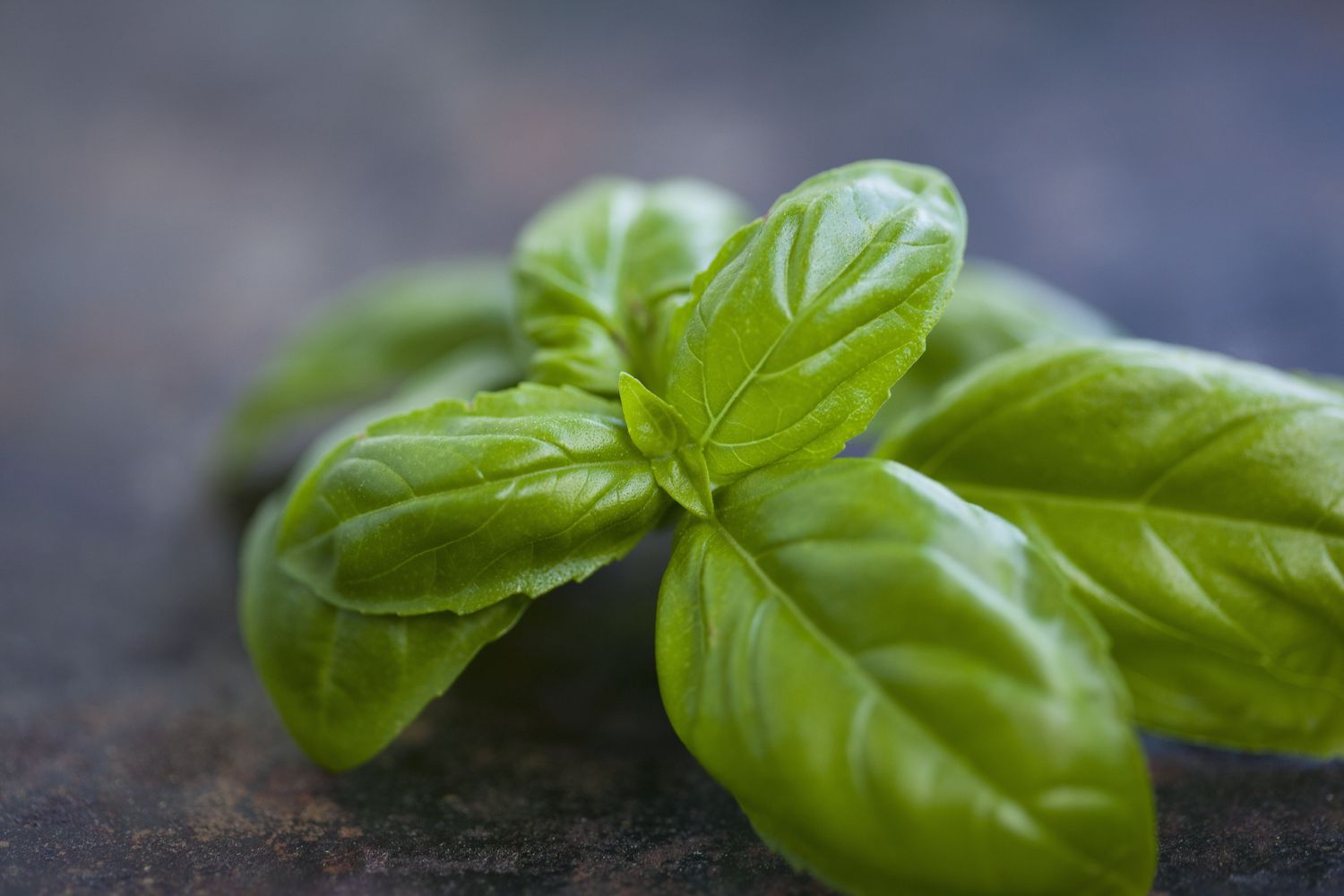
Trichloroacetic acid (TCA) is a potent acid widely employed in protein biochemistry for its effective protein precipitation abilities. In the study of Ocimum, especially species like Ocimum basilicum (commonly known as basil), TCA plays a pivotal role in preparing protein samples for further analytical methods. The precipitation process using TCA helps eliminate contaminants, concentrate proteins, and ensure that subsequent techniques such as SDS-PAGE, two-dimensional gel electrophoresis, and mass spectrometry yield cleaner and more detectable patterns.
The Role of TCA in Protein Extraction
TCA precipitation is a widely-adopted sample preparation method in proteomics and biochemical analysis. Its primary benefits include:
- Removal of Contaminants: Protein crude extracts typically contain salts, detergents, and other molecules that can interfere with the accuracy of protein analyses. TCA effectively aggregates proteins while precipitating out these unwanted constituents.
- Concentration of Proteins: Especially in low protein-content samples, precipitation using TCA is invaluable for ensuring that the proteins are concentrated enough to be detectable during subsequent assays.
- Denaturation for Enhanced Analysis: Although denaturation might appear as a drawback, in practice it is beneficial as it helps in standardizing samples. Techniques such as SDS-PAGE require proteins to be denatured, ensuring that separation is based solely on their molecular weights.
Mechanism and Protocol Variability
TCA precipitation works by lowering the pH of the protein solution and disrupting the solvation shell of proteins, which leads to aggregation. The effectiveness of TCA precipitation is highly sensitive to the concentration of TCA used, as well as the ratio of TCA to solvents like acetone. In several studies involving Ocimum extracts, an optimal concentration around 10% TCA has been identified when paired with different ratios of acetone, offering a balance that maximizes protein yield while preserving the resolution in downstream analyses.
Variations in TCA concentration ranging from 5% to 20% have been explored. Some studies have noted that even though lower concentrations might suffice for precipitation, a 10% solution is often optimal, particularly when operating in a standardised protocol which minimizes sample-to-sample variability.
Application in Ocimum Protein Characterisation
Ocimum species, notably known for their diverse medicinal properties and presence in traditional remedies, have been the focus of much proteomic research. TCA precipitation not only aids in isolating proteins from these plants but also facilitates the exploration of their bioactive proteins, some of which are directly involved in metabolic pathways such as the tricarboxylic acid (TCA) cycle. It is essential, however, not to confuse the trichloroacetic acid (TCA) precipitation method with the TCA cycle. In this context, TCA precipitation is used to prepare samples that may subsequently be analysed for metabolic enzymes, including those linked to cellular respiration.
Optimising Protein Extraction from Ocimum
The extraction of proteins from Ocimum tissue typically involves a few critical steps:
- Tissue Homogenisation: Fresh or lyophilised Ocimum tissues are first mechanically homogenised to break the cell walls and release intracellular components.
- Extraction Buffer Addition: A carefully formulated buffer containing protease inhibitors is added to prevent protein degradation during extraction.
- TCA/Acetone Precipitation: The addition of a TCA solution (frequently at a 10% concentration) precipitates proteins. When combined with acetone, the process is enhanced by providing an environment conducive to protein precipitation and removal of small molecules that interfere with analyses.
- Washing and Reconstitution: Once precipitated, the proteins are centrifuged, and the pellet is washed to remove any residual acid, salts, or solvents. This step is crucial to avoid interference with subsequent methods such as SDS-PAGE.
Downstream Analysis Post-Precipitation
Once proteins have been precipitated using TCA, they are subjected to multiple downstream applications:
- SDS-PAGE: Sodium dodecyl sulfate-polyacrylamide gel electrophoresis (SDS-PAGE) remains one of the most frequently used approaches to establish the molecular weight and purity of proteins.
- Enzymatic Assays: Specific enzymatic assays, often directed towards enzymes participating in the TCA cycle, are conducted to evaluate the functional aspects of the extracted proteins.
- Mass Spectrometry: For a more in-depth proteomic profile, mass spectrometry is utilised. This technique permits the identification, quantitation, and characterisation of various protein isoforms and post-translational modifications.
- Structural and Functional Characterisation: Advanced structural analysis methods, such as X-ray crystallography or NMR spectroscopy, can further provide insights into how the denatured proteins refold for functional studies.
Comparative Insights and Considerations
It is meaningful to compare TCA precipitation with alternative extraction methods. While other precipitation agents and methods exist, TCA maintains its popularity due to its efficiency and compatibility with a wide range of downstream analyses. Notable considerations include:
- Interference with Colorimetric Assays: TCA can sometimes interfere with assays, such as the Biuret method, if washing steps are insufficient. Therefore, complete removal of TCA post-precipitation is crucial.
- Handling of Denatured Proteins: The denaturing effect of TCA, while beneficial for certain types of analysis, might pose challenges if native protein conformation is required. In cases where enzyme activity is highly conformationally dependent, additional refolding steps may be necessary.
- Precipitation Efficiency: The efficiency is dependent on sample type and condition. For Ocimum, which could contain high levels of secondary metabolites and phenolic compounds, optimisation of the TCA precipitation protocol is critical.
Experimental Variables and Their Impact
When applying TCA precipitation to Ocimum extracts, researchers must systematically evaluate a range of experimental conditions to achieve optimal outcomes. Table 1 summarizes common experimental variables involved in TCA precipitation protocols for plant proteins:
| Parameter | Description | Considerations for Ocimum |
|---|---|---|
| TCA Concentration | Typically 5-20%; around 10% appears optimal for protein yield and purity | Adjust concentration based on tissue type and contaminant levels |
| Acetone Ratio | Often mixed with TCA to facilitate precipitation | Experiment with varying ratios to achieve a clear background in electrophoresis |
| Incubation Temperature | Precipitations are often carried out at low temperatures (e.g., -20°C) | Low temperature enhances precipitation and protein stability |
| Centrifugation Speed | High-speed centrifugation (e.g., 15,000 rpm) is used to pellet proteins | Optimise to effectively remove contaminating substances while ensuring protein recovery |
| Washing Steps | Multiple washes with cold acetone ensure complete removal of TCA and contaminants | Critical for preventing interference in downstream assays |
Contextualising TCA Use with Ocimum’s Proteomic Studies
Ocimum species are renowned for their diverse array of bioactive compounds, including essential oils, phenolic compounds, and proteins. Quantitative and qualitative analysis of these proteins, particularly those involved in metabolic pathways like the TCA cycle, provides deep insights into the plant’s cellular metabolism and potential health benefits. The rigorous removal of interfering substances through TCA precipitation ensures that protein profiles are accurately represented in downstream analytical methods.
TCA Precipitation and the TCA Cycle Proteins
Although the use of TCA as a precipitation agent is distinct from the tricarboxylic acid cycle, an interesting point of convergence is the subsequent study of enzymatic proteins that participate in the TCA cycle. Ocimum’s protein extracts—when purified by TCA—are sometimes analysed to measure the activity of enzymes such as citrate synthase, aconitase, and isocitrate dehydrogenase. These studies provide insights into the energy metabolism and potential stress responses in the plant. The clear separation of proteins in electrophoretic patterns after TCA precipitation directly correlates with improved detection and quantification of these metabolic enzymes.
Coupling TCA Precipitation with Functional Studies
After successful precipitation of proteins, researchers reconstitute the protein pellet in appropriate buffers to conduct:
- Enzyme Activity Assays: These assays measure specific catalytic reactions, providing quantitative data on the activity of metabolic enzymes.
- Structural Analyses: Techniques such as mass spectrometry and electrophoresis help in mapping the proteomic landscape of Ocimum, offering insights into post-translational modifications and protein-protein interactions.
- Comparative Studies: By comparing the protein profiles of treated versus untreated samples, it is possible to understand how environmental factors or developmental stages affect protein expression.
Practical Considerations and Optimisation Strategies
For optimal protein yield and clarity in analyses when working with Ocimum proteins, careful consideration must be given to:
- Sample Collection and Storage: Fresh samples yield better protein quality. If immediate processing is not possible, snap-freezing in liquid nitrogen can preserve the protein integrity.
- Buffer Composition: The selection of buffers that contain protease inhibitors and reducing agents can prevent protein degradation during extraction.
- Protocol Standardisation: Adopting a standardised protocol is essential, particularly when comparing results across different experiments. Variability in TCA concentration or acetone ratios can lead to inconsistent results.
- Validation and Replication: Multiple replicates and validation using alternative methods like western blotting ensure that the protein characterisation is both reliable and reproducible.
Case Studies and Literature Insights
Recent literature underscores the efficiency of TCA precipitation in isolating high-quality proteins from Ocimum extracts. By employing TCA precipitation, researchers have documented improved protein resolution on SDS-PAGE gels—a critical factor for subsequent proteomic characterisation. Furthermore, studies comparing varying TCA and acetone ratios have provided a roadmap for optimising protocols to achieve less background noise and clearer protein bands.
This strong evidence supports a consensus among researchers regarding the utility of TCA precipitation techniques in ensuring that proteins are in an ideal state for metabolic and structural analyses. Such studies also stress that while TCA precipitation is highly effective, each experimental setup may require specific tweaks to address the unique biochemical profile of Ocimum.
References
-
Simple TCA/Acetone Protein Extraction Protocol - Protocols.io
- TCA Precipitation Study - PubMed
-
Modified TCA/Acetone Precipitation - PMC
- Protein Precipitation Technical Guide - AxisPharm
- TCA Precipitation Protocol - QB3 Berkeley
Recommended Related Queries
Last updated March 15, 2025