

Essential Insights into the TCP 3-Way Handshake
- Purpose: The TCP 3-Way Handshake is the cornerstone of reliable communication over the internet, establishing a connection between a client and a server before any actual data is exchanged. It guarantees that both parties are ready and synchronized for data transfer.
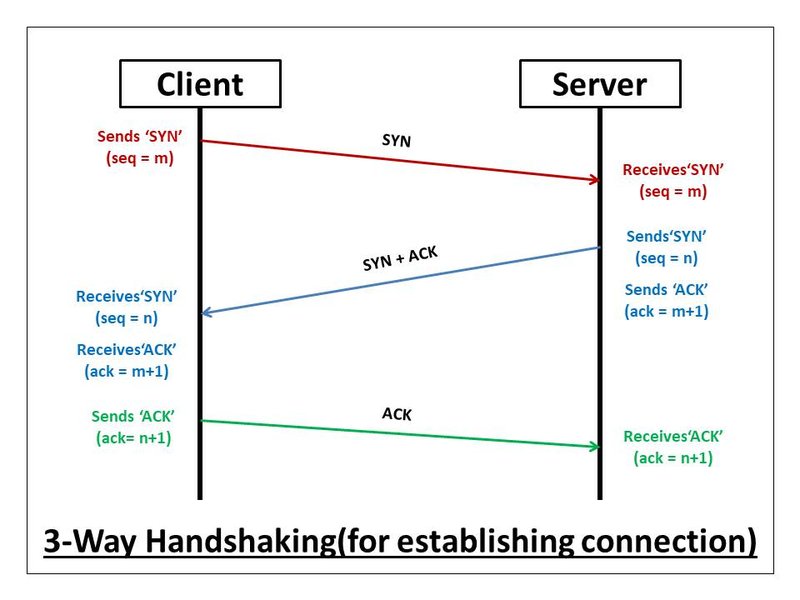
- Three-Step Process: This fundamental mechanism involves the exchange of three specific TCP segments: SYN (client to server), SYN-ACK (server to client), and ACK (client to server). Each step plays a vital role in setting up a full-duplex communication channel.
- Reliability and Synchronization: By exchanging Initial Sequence Numbers (ISNs) and acknowledgments, the handshake ensures that both the client and server agree on the starting points for data streams, preventing data loss, duplication, and ensuring ordered delivery.
The Transmission Control Protocol (TCP) is a foundational element of the internet, responsible for delivering data reliably and in order. At the heart of TCP's connection-oriented nature lies the TCP 3-Way Handshake, a meticulous three-step process that ensures a stable and synchronized communication channel is established between a client and a server before any application data begins to flow. This intricate dance of packets is essential for the internet's functionality, facilitating everything from web browsing to email exchanges.
The Core Mechanism: How the 3-Way Handshake Unfolds
The TCP 3-Way Handshake is a sequential exchange of control packets, each carrying specific flags and sequence numbers, designed to synchronize both ends of a communication link. This process guarantees that both the client and the server are ready to send and receive data, and that they agree on the initial parameters for communication.
Step 1: The Client Initiates with SYN (Synchronize)
The journey begins with the client sending a TCP segment to the server. This segment is characterized by the SYN (Synchronize) flag being set. The primary purpose of this initial packet is to signal the client's desire to establish a connection. Crucially, this SYN segment also carries a randomly generated Initial Sequence Number (ISN) from the client, let's call it ISN_C (e.g., 500). This ISN acts as the starting point for the client's data stream, ensuring that subsequent data packets can be ordered correctly. The client may also include other TCP options, such as its Maximum Segment Size (MSS) for negotiation.
The initial SYN request from client to server, marking the beginning of the handshake.
Step 2: The Server Responds with SYN-ACK (Synchronize-Acknowledge)
Upon receiving the client's SYN segment, the server processes the request. If the server is ready and able to accept the connection, it responds with its own TCP segment. This response is unique because it has two flags set: both the SYN flag and the ACK (Acknowledge) flag. The SYN flag in the server's response indicates its own desire to establish a connection with the client, and it includes its own randomly generated Initial Sequence Number (ISN_S), for instance, 200. The ACK flag serves to acknowledge the client's initial SYN; specifically, the Acknowledgment Number in this segment is set to ISN_C + 1 (e.g., 501), confirming that the server has successfully received the client's SYN and is now expecting the next byte in the sequence from the client. This step is critical for mutual synchronization.
Step 3: The Client Completes with ACK (Acknowledge)
Finally, the client receives the server's SYN-ACK segment. To finalize the connection establishment, the client sends a third TCP segment back to the server. This segment has only the ACK flag set. The Acknowledgment Number in this final packet is set to ISN_S + 1 (e.g., 201), confirming that the client has successfully received the server's SYN. With this third ACK, the connection transitions into the ESTABLISHED state, and both the client and server are now ready for bidirectional data transfer. This entire exchange typically occurs within milliseconds, depending on network latency.
A visual explanation of the TCP 3-Way Handshake, detailing each step of the connection establishment process.
This YouTube video, "TCP: Connection Establishment and the 3-way Handshake," offers a clear and concise explanation of the entire process. It visually demonstrates the exchange of SYN, SYN-ACK, and ACK packets, reinforcing the step-by-step breakdown. The video also touches upon the importance of sequence numbers and acknowledgments in ensuring reliable data transfer, which is a cornerstone of TCP's design. It's particularly useful for grasping the flow of information and the roles of client and server during this crucial initial phase of a TCP connection.
Why a Three-Way Handshake? The Rationale Behind the Design
The necessity of a three-way handshake, rather than a simpler two-way exchange, is fundamental to TCP's robust design. It addresses critical issues related to reliability, synchronization, and the prevention of old, duplicate connection requests.
Ensuring Bidirectional Readiness and Preventing Stale Connections
A two-way handshake (e.g., client sends SYN, server responds with SYN-ACK) would leave a crucial gap in confirmation. While the server would know the client wants to connect, and the client would know the server is ready, the server would not have a definitive confirmation that the client received its SYN-ACK. This lack of a third acknowledgment could lead to synchronization problems or, more significantly, the acceptance of "stale duplicates" – old connection requests from previous sessions that might reappear on the network. The third ACK from the client ensures that both parties have explicitly acknowledged the other's synchronization request, confirming mutual readiness for bidirectional communication.
The Role of Initial Sequence Numbers (ISNs)
The random generation of ISNs is a key security and reliability feature. It prevents attackers from easily predicting sequence numbers, which could be exploited for session hijacking. More importantly, it ensures that if an old, delayed SYN packet arrives at a server after a new connection has been established, the server can differentiate it from a legitimate new request due to the unexpected ISN, preventing confusion and maintaining data integrity. The synchronization of these ISNs is what allows TCP to guarantee ordered data delivery and reliable retransmissions.
Key TCP Header Fields in Action
The TCP 3-Way Handshake heavily relies on specific fields within the TCP header to facilitate the connection establishment. Understanding these fields is crucial to comprehending how the handshake functions.
| Field | Description and Role in Handshake |
|---|---|
| Sequence Number (32 bits) | Tracks the byte position of the first data byte in a segment. During the handshake, it carries the Initial Sequence Number (ISN) for synchronization. |
| Acknowledgment Number (32 bits) | Indicates the next expected sequence number from the sender. In the handshake, it's used to acknowledge receipt of the other party's SYN (ISN + 1). |
| SYN Flag | When set, signifies a request to synchronize sequence numbers and initiate a connection. Used in the first two steps. |
| ACK Flag | When set, indicates that the Acknowledgment Number field is valid. Used in the second and third steps. |
| Checksum | A value used for error detection. It verifies the integrity of the TCP segment during transmission, ensuring that corrupted packets are detected and discarded. |
| Window Size | (Optional but common) Indicates the amount of data the sender is willing to receive, helping with flow control. Can be negotiated during SYN/SYN-ACK. |
| Maximum Segment Size (MSS) | (Optional but common) Defines the largest segment of data that a TCP sender can transmit in a single segment. Negotiated during the SYN/SYN-ACK exchange. |
Broader Implications and Related Concepts
The TCP 3-Way Handshake is not an isolated process; it integrates into the larger framework of TCP communication and has implications for various networking functions.
Mindmap: Expanding on TCP Handshake Concepts
This mindmap visually expands on the core concepts and implications of the TCP 3-Way Handshake. It branches out from the central idea to detail its purpose, the step-by-step process, key elements involved, the rationale behind its three-step design, and its broader impact on network communication and higher-level protocols. Each node serves as a quick reference to essential aspects of this fundamental networking mechanism.
Connection Termination: The 4-Way Handshake
While establishing a connection uses a three-way handshake, terminating a TCP connection typically involves a four-way handshake. This separate process, using FIN (Finish) and ACK flags, allows both parties to independently signal their desire to close their respective send directions, ensuring an orderly shutdown of the full-duplex communication channel. The distinction highlights TCP's meticulous approach to managing the lifecycle of a connection from start to finish.
FAQ: Frequently Asked Questions About the TCP 3-Way Handshake
What is the primary goal of the TCP 3-Way Handshake?
What are the three packets involved in the handshake?
Why is it called "3-way" and not "2-way"?
What role do sequence numbers play?
What happens after the 3-Way Handshake is complete?
Conclusion: The Unseen Architect of Internet Reliability
The TCP 3-Way Handshake, though often operating silently in the background, is an indispensable component of modern internet communication. It is the sophisticated mechanism that allows countless applications and services to function reliably, ensuring that data packets arrive in the correct order, without loss or duplication, and that both communicating parties are synchronized and prepared for interaction. By meticulously establishing connection parameters and confirming mutual readiness through the SYN, SYN-ACK, and ACK exchange, this handshake underpins the very reliability and robustness of the Transmission Control Protocol, making it a cornerstone of our digital world.
Recommended Further Exploration
- How does TCP ensure reliable data transfer beyond the handshake?
- What is the difference between TCP and UDP protocols?
- Explore the TCP 4-Way Handshake for connection termination
- What are common TCP flags and their functions?