
Understanding Core Internet Protocols: TCP/IP, HTTP, and HTTPS
Delving into the foundational communication methods that power the web.
Key Insights
- TCP/IP is the fundamental suite of protocols that enables data transfer and communication across networks, including the internet. It works by breaking data into packets and ensuring their reliable delivery.
- HTTP (Hypertext Transfer Protocol) is the protocol used for transferring data over the World Wide Web, primarily for fetching web pages. However, it transmits data in plaintext, making it less secure for sensitive information.
- HTTPS (Hypertext Transfer Protocol Secure) is the secure version of HTTP. It encrypts the communication between a user's browser and a website using TLS/SSL certificates, protecting data from interception and tampering.
The Foundation of Internet Communication: TCP/IP
TCP/IP, which stands for Transmission Control Protocol/Internet Protocol, is the bedrock of the internet and most modern computer networks. It's not a single protocol but rather a suite of interconnected protocols that work together to define how data is packaged, addressed, transmitted, routed, and received. This standardized approach allows diverse devices and networks from different manufacturers to communicate seamlessly.
At its core, TCP/IP operates on the principle of breaking down data into smaller, manageable units called packets. This process is essential because sending large amounts of data as a single block would be inefficient and prone to errors. By dividing data into packets, the network can handle potential issues more effectively, as individual packets can be retransmitted if lost or corrupted without requiring the entire message to be resent.
The TCP/IP model is typically described in terms of layers, although the exact number and names of the layers can vary slightly depending on the model being referenced (often compared to the OSI model). A common representation includes four or five layers, each with specific responsibilities in the communication process.
How TCP/IP Works: A Layered Approach
The layered architecture of TCP/IP allows for a modular and flexible system. Each layer is responsible for specific tasks and interacts with the layers directly above and below it. This abstraction means that changes or developments in one layer generally do not require changes in other layers.
Application Layer
This is the top layer and interacts directly with user applications. Protocols at this layer provide services for specific applications. Examples include:
- HTTP/HTTPS: Used for web browsing.
- FTP (File Transfer Protocol): For transferring files between computers.
- SMTP (Simple Mail Transfer Protocol): For sending emails.
- DNS (Domain Name System): Translates human-readable domain names into IP addresses.
Transport Layer
The transport layer is responsible for end-to-end communication and ensuring reliable data transfer between applications running on source and destination hosts. The two main protocols at this layer are TCP and UDP.
- TCP (Transmission Control Protocol): A connection-oriented protocol that provides reliable, ordered, and error-checked delivery of data. It establishes a connection before data transmission and ensures that all packets arrive at the destination and are reassembled correctly. TCP also manages flow control to prevent network congestion.
- UDP (User Datagram Protocol): A connectionless protocol that prioritizes speed over reliability. It does not establish a connection before sending data and does not guarantee delivery or order. UDP is suitable for applications where some data loss is acceptable, such as streaming media or online gaming.
Internet Layer (or Network Layer)
This layer is responsible for addressing and routing data packets across different networks. The primary protocol at this layer is the Internet Protocol (IP).
-
IP (Internet Protocol): Assigns unique IP addresses to devices on a network and determines the best path for data packets to travel from the source to the destination. IP is responsible for the logical addressing and routing of packets across interconnected networks (an "internet").
-
ARP (Address Resolution Protocol): Used to map IP addresses to physical MAC addresses within a local network.
-
ICMP (Internet Control Message Protocol): Used for sending error messages and operational information about the network.
Network Interface Layer (or Data Link/Physical Layer)
This is the lowest layer and is responsible for the physical transmission of data bits over the network medium (e.g., Ethernet cable, Wi-Fi). It handles the details of how data is sent and received on a specific network technology.
The power of TCP/IP lies in the collaboration of these layers. Data moves down the layers on the sending device, with each layer adding its own header information to the packet. At the receiving device, the data moves up the layers, with each layer processing and removing the corresponding header information until the original data is delivered to the application.

A visual representation of the TCP/IP protocol suite layers.
TCP/IP's design emphasizes reliability and resilience. It is designed to recover automatically from network failures and can adapt to changing network conditions, ensuring that data reaches its intended destination even if some network paths are disrupted.
Web Communication Protocols: HTTP and HTTPS
While TCP/IP provides the fundamental framework for communication across networks, protocols at the application layer build upon this foundation to enable specific types of communication. HTTP and HTTPS are prime examples, specifically designed for transferring information on the World Wide Web.
HTTP: The Standard for Web Data Transfer
HTTP (Hypertext Transfer Protocol) is the protocol used by web browsers to request web pages and other resources from web servers and for servers to respond to those requests. It operates at the application layer of the TCP/IP model and typically uses TCP as its underlying transport protocol (on port 80).
When you type a URL into your web browser, your browser sends an HTTP request to the web server hosting that website. The server then processes the request and sends back an HTTP response, which includes the requested web page content (HTML, images, etc.).
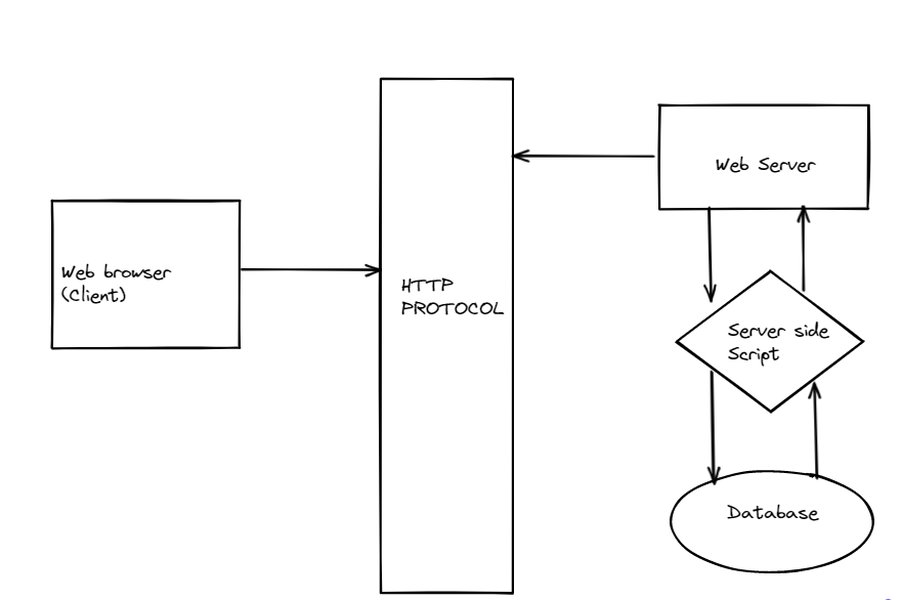
HTTP facilitates communication between a web browser (client) and a web server.
While HTTP is effective for transferring web content, its major limitation is that it transmits data in plaintext. This means that any information exchanged between the browser and the server, such as usernames, passwords, or credit card details, can be intercepted and read by anyone with access to the network traffic. This lack of security makes HTTP unsuitable for websites that handle sensitive information.
HTTPS: Securing Web Communications
HTTPS (Hypertext Transfer Protocol Secure) is essentially HTTP with an added layer of security provided by TLS (Transport Layer Security) or its predecessor, SSL (Secure Sockets Layer). HTTPS encrypts the communication channel between the user's browser and the website server, ensuring that data transmitted between them is protected from eavesdropping and tampering. HTTPS typically uses TCP on port 443.
When you visit a website using HTTPS, your browser and the web server perform a "handshake" process to establish a secure, encrypted connection. This involves the server presenting a digital certificate (an SSL/TLS certificate) to the browser, which the browser verifies to ensure the website's authenticity. Once the certificate is validated, a secure tunnel is created, and all subsequent data exchange is encrypted.
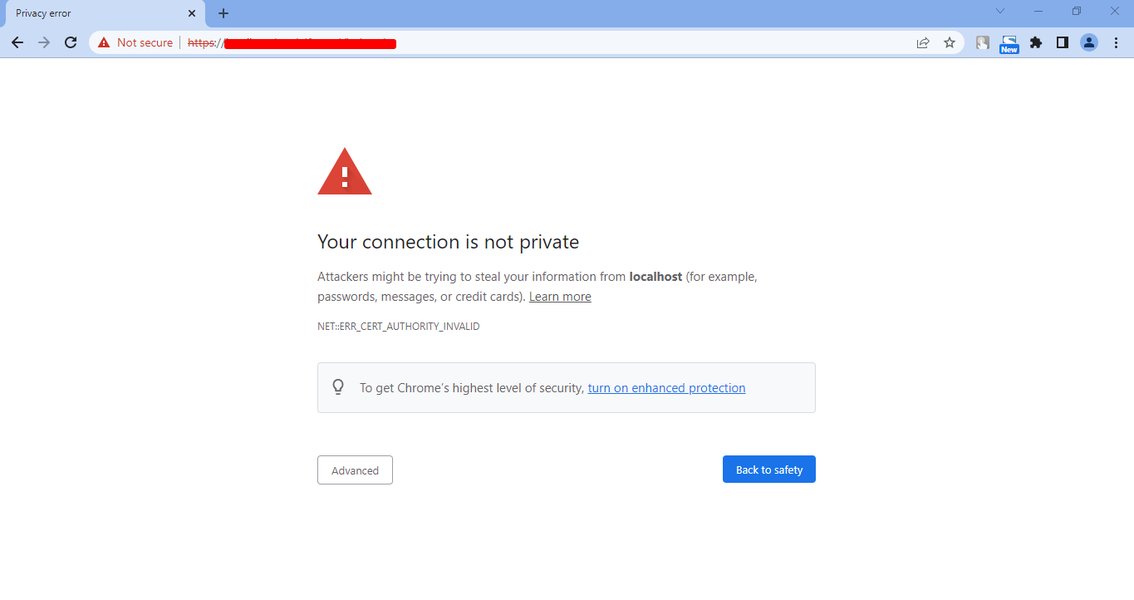
An indicator often displayed in browsers for insecure HTTP connections.
The encryption provided by HTTPS is crucial for protecting sensitive data such as login credentials, personal information, and financial details during online transactions. It ensures that even if network traffic is intercepted, the data will appear as scrambled, unreadable text to unauthorized parties.
Key Differences Between HTTP and HTTPS
The primary difference between HTTP and HTTPS lies in the security layer added by SSL/TLS in HTTPS. Here's a summary of the key distinctions:
| Feature | HTTP | HTTPS |
|---|---|---|
| Security | Unsecured (data transmitted in plaintext) | Secured (data encrypted using SSL/TLS) |
| URL Prefix | http:// |
https:// |
| Default Port | 80 | 443 |
| SSL/TLS Certificate | Not required | Required |
| Data Integrity | Data can be easily modified in transit | Data integrity is ensured through encryption and digital signatures |
| Authentication | No authentication of the website | Website is authenticated through the SSL/TLS certificate |
Search engines like Google also favor HTTPS websites and may give them a slight ranking boost, encouraging website owners to adopt the more secure protocol. For any website that collects user data or handles sensitive information, using HTTPS is essential for protecting user privacy and building trust.
Understanding the Relationship Between TCP/IP and HTTP/HTTPS
It's important to understand that HTTP and HTTPS operate at a higher level within the network stack than TCP/IP. TCP/IP provides the fundamental transport and routing mechanisms for data packets across the internet. HTTP and HTTPS then utilize these mechanisms to send and receive web-specific data.
Think of TCP/IP as the postal service that delivers packages (data packets) from one location (IP address) to another. HTTP and HTTPS are like the specific instructions or contents within those packages – they define the format and purpose of the data being sent for web communication. HTTP and HTTPS rely on TCP to establish a reliable connection and ensure that the web data is delivered correctly and in the proper order.
An animated explanation of the TCP/IP model and its layers, providing a visual understanding of how these protocols function.
In essence, TCP/IP provides the infrastructure for data transfer, while HTTP and HTTPS provide the rules and format for transferring web content securely over that infrastructure. They are complementary protocols, each playing a vital role in enabling the functionality of the internet as we know it.
Frequently Asked Questions
What are the main functions of TCP and IP?
TCP (Transmission Control Protocol) is responsible for ensuring reliable, ordered, and error-checked delivery of data between applications. It breaks data into packets, manages their transmission, and reassembles them at the destination. IP (Internet Protocol) is responsible for addressing and routing these packets across different networks, ensuring they find the correct path to their destination based on IP addresses.
Why is HTTPS more secure than HTTP?
HTTPS adds a layer of encryption using SSL/TLS certificates. This encrypts the data exchanged between the browser and the server, making it unreadable to unauthorized parties who might intercept the network traffic. HTTP transmits data in plaintext, which is vulnerable to eavesdropping and tampering.
Do I need to understand TCP/IP to use the internet?
No, TCP/IP works largely in the background and is automated within your devices and the network infrastructure. However, understanding the basics can be helpful for troubleshooting network issues or for anyone involved in network administration or web development.
What are some other common application layer protocols?
Besides HTTP and HTTPS, other common application layer protocols include FTP (File Transfer Protocol) for file transfers, SMTP (Simple Mail Transfer Protocol) for email, DNS (Domain Name System) for translating domain names to IP addresses, and Telnet/SSH for remote access.
References
 aws.amazon.com
Last updated May 7, 2025