
Unlocking Literacy: Your Age-by-Age Guide to Teaching Children to Read
Navigate the journey from babbling beginnings to fluent reading with proven strategies tailored for each developmental stage.
Key Highlights for Reading Success
- Start Early, Build Gradually: Reading readiness begins in infancy with exposure to language and books, progressing through distinct stages that build upon foundational skills like phonemic awareness and phonics.
- Phonics is Foundational: Systematically teaching the relationship between letters and sounds (phonics) is crucial for enabling children to decode words independently, especially during the preschool and early school years.
- Make it Engaging and Meaningful: Beyond decoding, focus on comprehension ("making meaning") from the start, using interactive methods, diverse texts, and fostering a love for reading through enjoyable, pressure-free experiences.
The Journey Begins: Understanding Reading Development
Teaching a child to read is one of the most rewarding experiences for a parent or caregiver. It's a journey that unfolds gradually, with skills building upon one another. While every child develops at their own pace, understanding the typical stages and employing age-appropriate strategies can create a supportive and effective learning environment. This guide breaks down the process step-by-step, aligning teaching methods with developmental milestones from infancy through early school age.
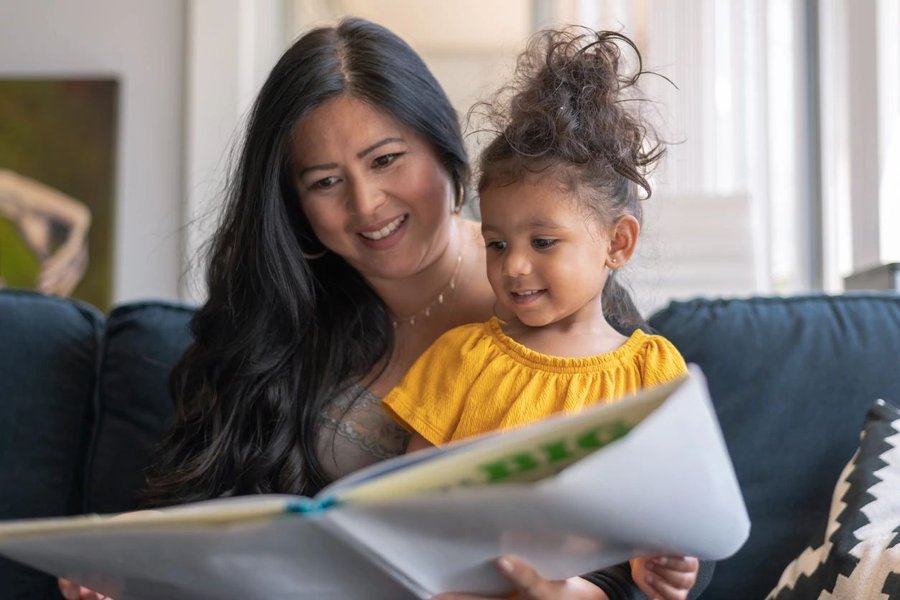
Reading together fosters bonding and builds foundational literacy skills from an early age.
Stage 1: Laying the Foundation (Birth to 2 Years)
Building Pre-Literacy Skills
Long before a child decodes their first word, crucial groundwork is laid. This stage focuses on immersing the child in language and print, fostering positive associations with books.
Milestones to Observe:
- Responding to sounds and rhythms in language.
- Beginning to reach for and handle soft-covered or board books.
- Showing interest in pictures.
- Understanding that gestures and sounds convey meaning.
Teaching Steps & Activities:
- Read Daily: Choose sturdy board books with large, high-contrast pictures and simple, rhythmic text. Make reading a warm, interactive experience.
- Talk and Sing Frequently: Narrate your day, sing nursery rhymes, and engage your baby in "conversations." Strong oral language skills are the bedrock of reading.
- Introduce Print Awareness: Point out letters and words on signs, packaging, and in books, even if they don't understand yet. This builds the concept that print carries meaning.
- Tactile Exploration: Allow babies to safely handle books, turning pages (with help) and exploring textures.
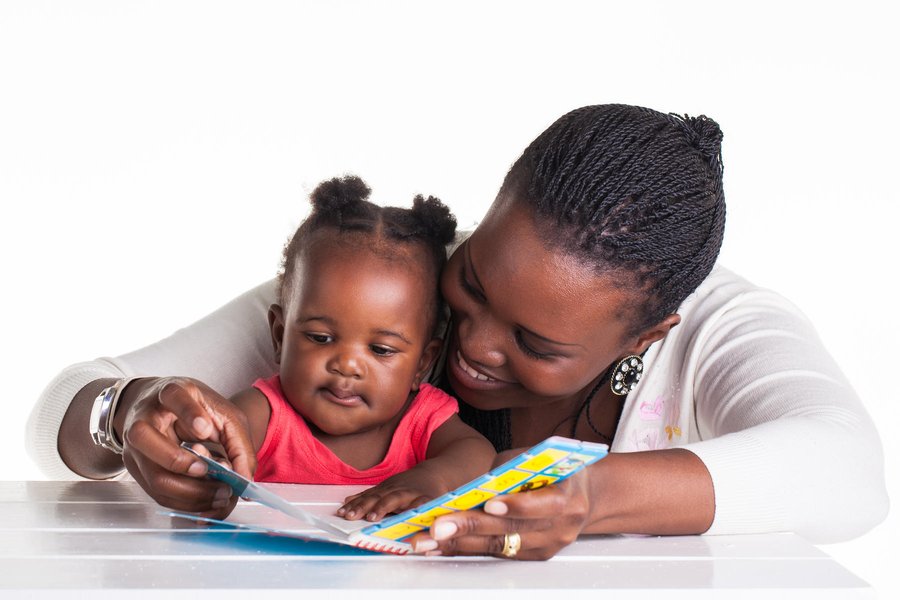
Even infants benefit from hearing stories and seeing pictures in books.
Stage 2: Preparing to Read (Ages 2-4 Years)
Developing Phonemic Awareness and Early Letter Recognition
Toddlers and preschoolers are rapidly developing language and cognitive abilities. This stage focuses on listening skills, recognizing sounds within words (phonemic awareness), and beginning to identify letters.
Milestones to Expect:
- Enjoying listening to stories and retelling simple parts.
- Recognizing logos and signs.
- Reciting the alphabet song (may not yet know individual letters).
- Beginning to recognize some letters, especially those in their name.
- Understanding rhyming and identifying beginning sounds in words.
Teaching Steps & Activities:
- Shared Reading: Continue daily reading. Choose books with repetition, rhyme, and predictable patterns. Ask questions about the pictures and story ("What do you see?").
- Play Sound Games: Engage in activities that highlight sounds in words: clap syllables ("ba-by"), identify words that rhyme ("cat," "hat"), or listen for the first sound in a word ("/b/ is for ball").
- Introduce Letters and Sounds Gradually: Focus on recognizing letter shapes (start with uppercase) and associating them with their primary sounds. Use alphabet puzzles, songs, flashcards, or magnetic letters.
- Boost Vocabulary and Storytelling: Encourage your child to tell their own stories or describe pictures. Introduce new words naturally through conversation and reading.
- Foster Book Love: Provide easy access to a variety of age-appropriate books. Visit the library regularly and let your child choose books that interest them.

Shared reading during preschool years builds vocabulary and comprehension.
Stage 3: Starting to Decode (Ages 4-6 Years)
Emerging Readers and the Power of Phonics
This is often when formal reading instruction begins (preschool/kindergarten). The focus shifts to systematically teaching phonics – the relationship between letters and sounds – enabling children to start sounding out (decoding) words.
Milestones to Expect:
- Knowing most letter names and their corresponding sounds.
- Beginning to blend sounds together to read simple CVC (consonant-vowel-consonant) words (e.g., "c-a-t" -> "cat").
- Recognizing some common sight words instantly (e.g., "the," "is," "a").
- Attempting to write letters and simple words.
- Understanding that stories have a beginning, middle, and end.
Teaching Steps & Activities:
- Systematic Phonics Instruction: Teach letter sounds explicitly and systematically. Focus on blending these sounds to read words. There are 44 sounds (phonemes) made by the 26 letters. Start with simple CVC words.
- Introduce Sight Words: Teach high-frequency words that may not follow regular phonetic rules (e.g., "was," "you"). Use flashcards and games for practice.
- Practice Blending: Guide your child in sounding out letters individually and then blending them smoothly together (e.g., "/s/.../a/.../t/" becomes "sat").
- Use Decodable Books: Provide books containing primarily words that use the phonics patterns and sight words the child has learned. This builds confidence.
- Connect Reading and Writing: Encourage drawing and writing activities. Have them practice writing letters, their name, and simple words they are learning to read.
- Interactive Reading: Continue reading aloud, but also have your child try reading simple sentences or pages to you. Ask questions to check understanding.
Stage 4: Building Fluency and Comprehension (Ages 6-7 Years)
Developing Smoother Reading and Deeper Understanding
As children master basic decoding, the focus shifts towards reading more smoothly (fluency) and understanding the meaning of the text (comprehension).
Milestones to Expect:
- Reading simple books more independently and fluently.
- Using context clues and picture clues to help figure out unfamiliar words.
- Decoding longer words with common patterns (e.g., blends, digraphs, silent 'e').
- Retelling stories, including main events and characters.
- Answering questions about what they've read.
- Reading aloud with more accuracy and expression.
Teaching Steps & Activities:
- Practice Fluency: Encourage rereading familiar books or passages aloud. This helps improve reading speed, accuracy, and expression. Model fluent reading yourself.
- Expand Phonics Knowledge: Introduce more complex phonics patterns (e.g., vowel teams like 'ea' 'ai', consonant blends like 'str' 'bl').
- Develop Comprehension Skills: Ask open-ended questions before, during, and after reading: "What do you think will happen next?" "Why did the character do that?" "What was the main idea?".
- Build Vocabulary: Discuss the meaning of new words encountered during reading or conversation.
- Introduce Diverse Texts: Offer a variety of reading materials, including fiction stories, informational texts, poems, and magazines, to broaden their exposure and interests.
- Encourage Independent Reading: Foster a habit of reading for pleasure by allowing choice and providing dedicated time for quiet reading.

Supporting early readers involves practicing fluency and discussing the story's meaning.
Stage 5: Proficient Reading and Beyond (Ages 7/8+ Years)
Reading to Learn and Think Critically
At this stage, children typically transition from "learning to read" to "reading to learn." They tackle more complex texts, develop higher-level comprehension skills, and read for both information and enjoyment.
Milestones to Expect:
- Reading longer chapter books independently.
- Using various strategies to figure out unfamiliar words and meanings.
- Understanding different genres and text structures (e.g., narrative, expository).
- Making inferences, summarizing information, and identifying themes.
- Reading fluently with appropriate expression and pacing.
- Developing personal reading preferences.
Teaching Steps & Activities:
- Focus on Higher-Level Comprehension: Teach strategies like summarizing, predicting, questioning, clarifying, and visualizing. Discuss character motivations, plot complexities, and author's purpose.
- Expand Vocabulary and Background Knowledge: Encourage reading across diverse topics and genres. Discuss complex vocabulary and how background knowledge helps understand new texts.
- Encourage Critical Thinking: Ask questions that require analysis and evaluation: "Do you agree with the author?" "How does this compare to another book?"
- Support Reading Across Subjects: Help children apply reading skills to understand texts in science, social studies, and other areas.
- Maintain Motivation: Continue to make reading enjoyable. Discuss books, visit libraries and bookstores, and allow choice in reading materials. Be aware that interest in reading for fun can sometimes dip around age 9; keep offering engaging options.
- Use Reading Guides: For challenging texts, simple reading guides can help focus attention on key points and structure.
Visualizing Reading Skill Development
Learning to read involves mastering several interconnected skills. The relative importance of these skills shifts as a child progresses through the developmental stages. This chart illustrates how the focus might evolve from foundational auditory skills towards fluency and complex comprehension.
As shown, early years emphasize phonemic awareness and vocabulary. Phonics instruction peaks around ages 4-6. Later stages see increasing importance placed on fluency and comprehension, which become the primary goals for proficient readers.
Mapping the Reading Journey
The path to reading proficiency involves several interconnected components. This mindmap provides a visual overview of the key stages and skills involved, from foundational pre-reading abilities to advanced comprehension.
This map highlights how foundational skills like phonemic awareness lead into decoding through phonics, which then supports the development of fluency and, ultimately, deep comprehension. General strategies underpin success across all stages.
Essential Steps Overview: A Video Guide
For a dynamic overview of key strategies involved in teaching reading, this video provides valuable insights. It covers essential steps like developing phonological awareness (the ability to hear sounds in words), mastering phonics, building vocabulary, improving fluency, and enhancing comprehension – components crucial throughout the reading journey outlined in this guide.
Watching experts explain these concepts can reinforce the methods discussed and offer practical demonstrations of techniques like blending sounds or asking comprehension questions.
Age-Based Focus Areas at a Glance
This table summarizes the primary focus areas and corresponding activities for each age range, providing a quick reference for tailoring your approach.
| Age Range | Primary Focus Area | Key Skills & Activities |
|---|---|---|
| Birth - 2 Years | Pre-Literacy Foundation | Oral language development (talking, singing), daily read-alouds (board books), print awareness, book handling. |
| 2 - 4 Years | Phonemic Awareness & Early Literacy | Rhyming games, identifying sounds, syllable clapping, letter recognition (starting with name), vocabulary building, shared reading, storytelling. |
| 4 - 6 Years | Decoding & Word Recognition | Systematic phonics instruction, blending sounds (CVC words), learning sight words, using decodable readers, basic writing practice. |
| 6 - 7 Years | Fluency & Basic Comprehension | Reading aloud with increasing speed and accuracy, rereading familiar texts, expanding phonics knowledge, retelling stories, answering 'wh-' questions (who, what, where, when, why). |
| 7+ Years | Proficient Reading & Advanced Comprehension | Reading chapter books, using context clues, inferencing, summarizing, critical thinking about texts, reading for information across subjects, independent reading for pleasure. |
Universal Strategies for Nurturing a Reader
Regardless of age, certain strategies consistently support reading development:
Create a Positive Reading Environment
- Read Aloud Daily: This is arguably the single most important activity. It builds vocabulary, comprehension, and a love for stories.
- Model Reading Behavior: Let your child see you reading for pleasure and information (books, magazines, websites). Show them reading is a valuable and enjoyable activity.
- Create a Print-Rich Home: Have plenty of books accessible. Label items around the house. Display alphabet charts or children's artwork with writing.
- Make it Fun: Use games, songs, and interactive activities. Keep sessions short and engaging, especially for younger children. Avoid pressure.
- Be Patient and Encouraging: Celebrate effort and progress, no matter how small. Every child learns at their own pace.
- Talk, Talk, Talk: Engage in rich conversations throughout the day. Strong language skills support reading development.
- Know When to Seek Help: If your child consistently struggles with reading milestones despite support, consult their teacher, a reading specialist, or an educational psychologist. Early intervention is key.

Creating a comfortable space and time for independent reading encourages a lifelong habit.
Frequently Asked Questions (FAQ)
+ When do children typically learn to read?
+ How important is phonics?
+ What are sight words, and why are they important?
+ What if my child is struggling or seems uninterested?
+ How long should reading practice sessions be?
References
- Reading Milestones By Age - Reading Eggs
- Reading skills: What to expect at different ages - Understood.org
- Typical Reading Development - Reading Rockets
- How to Teach Kids to Read: 8 Easy Tips for Parents [2024] - SplashLearn
- How to Teach a Child to Read (Step by Step) - wikiHow
- What’s the Best Way to Teach Kids to Read? - Child Mind Institute
- Teaching Children to Read: A Guide for Parents - MECK Pre-K
Recommended Reading
Last updated April 22, 2025