
Unlocking Peak Performance: How to Forge Critical Thinkers in Frontend Development
Cultivating the analytical mindset essential for crafting exceptional user experiences and robust web solutions.
Teaching critical thinking to frontend developers is paramount for building teams that not only write code but also solve complex problems, innovate, and contribute meaningfully to project success. It transforms developers from mere instruction-followers into proactive problem-solvers and architects of user-centric digital experiences. This involves a multi-faceted approach that integrates theoretical understanding with practical application, fostering an environment where analytical skills, creativity, and evaluative judgment thrive.
Key Insights: Elevating Frontend Expertise
- Beyond Code: Critical thinking empowers frontend developers to analyze requirements deeply, anticipate challenges, and design solutions that are not only functional but also efficient, accessible, and maintainable.
- Problem-Solving Prowess: Cultivating this skill involves engaging developers in real-world scenarios, debugging exercises, and performance optimization tasks that demand analytical rigor and creative solutions.
- Collaborative Growth: Techniques like focused code reviews, pair programming, and open discussions about trade-offs nurture critical thinking by exposing developers to diverse perspectives and compelling them to articulate their reasoning.
Defining Critical Thinking in the Frontend Realm
What Does It Mean to "Think Critically" as a Frontend Developer?
For a frontend developer, critical thinking is the ability to analyze information objectively, evaluate evidence, and make reasoned decisions throughout the development lifecycle. It's about moving beyond the surface-level execution of tasks to deeply understand the 'why' behind every choice. This encompasses several key facets:
- Understanding User Needs: Critically analyzing user stories, personas, and feedback to ensure the frontend solution genuinely addresses user requirements and pain points.
- Evaluating Technical Choices: Assessing the suitability of different frameworks, libraries, and coding patterns based on project constraints, performance goals, scalability, and maintainability.
- Problem Decomposition: Breaking down complex UI/UX challenges or bugs into smaller, manageable components to identify root causes and devise effective solutions.
- Considering Trade-offs: Recognizing and weighing the pros and cons of various approaches, such as the balance between cutting-edge features and browser compatibility, or development speed versus long-term code quality.
- Anticipating Issues: Proactively identifying potential problems related to performance, accessibility, responsiveness, or cross-browser compatibility before they escalate.
- Questioning Assumptions: Not taking requirements or existing solutions at face value, but instead, questioning their validity and exploring alternative, potentially better, approaches.
Essentially, it's the intellectual discipline to not just build what is asked, but to build what is right, robust, and refined for the end-user and the project's long-term health.
Core Strategies for Cultivating Critical Thinking
Developing critical thinking in frontend developers requires a deliberate and integrated approach. The following strategies provide a framework for fostering this essential skill.
1. Foundational Understanding & Contextualization
Laying the Groundwork
Begin by clearly defining critical thinking within the specific context of frontend development. Explain its importance in tasks like debugging, optimizing performance, designing user interfaces, and ensuring accessibility. When developers understand *why* this skill is crucial for their daily work and career growth, they are more motivated to cultivate it.
2. Problem-Centric Learning Approaches
From Theory to Tangible Challenges
Shift the focus from rote memorization of syntax to active problem-solving. This involves:
- Real-World Projects & Case Studies: Assign projects that mirror real-world complexity, often with ambiguous requirements, forcing developers to analyze, research, and make informed decisions. Case studies of successful (and unsuccessful) projects can highlight critical decision points.
- Debugging Exercises: Present developers with broken or inefficient code. Task them with systematically identifying the root cause and implementing a robust fix. This hones analytical skills and attention to detail.
- Performance Optimization Challenges: Challenge developers to improve the loading speed, rendering performance, or resource utilization of a webpage or application. This requires them to analyze various factors (e.g., image compression, script execution, CSS rendering) and apply critical thinking to pinpoint and resolve bottlenecks.
- Accessibility Audits & Implementation: Task developers with making a website or component compliant with WCAG (Web Content Accessibility Guidelines). This forces critical thought about diverse user needs and the technical implementation of inclusive design.

Hands-on projects in a supportive learning environment are crucial for developing practical critical thinking skills.
3. Fostering a Culture of Inquiry and Exploration
Encouraging Questions and Diverse Solutions
- Encourage Questioning: Create a safe environment where developers feel comfortable asking "why?" – why a particular technology is chosen, why a design decision is made, or why a certain process is in place. Polite pushback and suggestions for improvement should be welcomed.
- Explore Multiple Solutions: For any given problem or feature, encourage developers to brainstorm and propose multiple implementation strategies. Then, facilitate a discussion about the pros, cons, trade-offs (e.g., performance, scalability, development time, maintainability) of each option.
- Scenario-Based Learning: Present hypothetical but realistic frontend challenges (e.g., "How would you handle a sudden surge in API errors impacting the UI?"). This allows for practicing decision-making without real-world consequences.
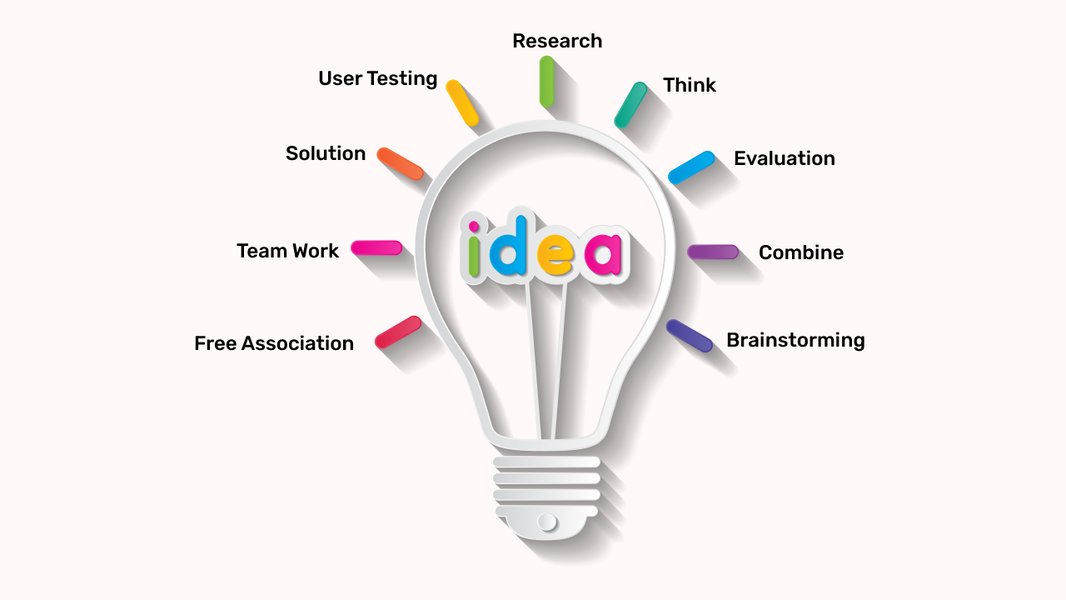
Brainstorming encourages the exploration of multiple solutions, a key aspect of critical thinking.
4. Collaborative Learning and Constructive Feedback
Learning Through Interaction
- Critical Code Reviews: Implement code review processes that go beyond syntax checks. Encourage reviewers to question design choices, logic, efficiency, and potential edge cases. The author of the code should be prepared to defend their decisions and be open to constructive criticism.
- Pair Programming: Working in pairs allows developers to observe different thought processes, articulate their own reasoning, and collaboratively solve problems, leading to a richer learning experience.
- Group Problem-Solving Sessions: Regularly hold sessions where teams tackle a complex problem together, fostering shared understanding and exposing individuals to diverse analytical approaches.

Collaborative environments, like those fostered by well-structured teams, are ideal for sharpening critical thinking through peer interaction and code reviews.
5. Promoting Reflective Practice and Continuous Growth
Learning from Experience
- Reflective Journals or Post-Mortems: Encourage developers to reflect on their problem-solving processes, decisions made, and outcomes. What worked well? What could have been done differently? This internalizes lessons learned.
- Continuous Learning: Emphasize the importance of staying updated with new technologies, design patterns, and industry best practices. Teach them how to critically evaluate new tools and techniques rather than blindly adopting trends.
- Understanding Logical Fallacies: Introduce basic concepts of logical fallacies to help developers identify flawed reasoning in their own thinking and in discussions.
Visualizing Critical Thinking Development
The radar chart below offers an opinionated visualization of how different facets of critical thinking might develop in frontend developers as they progress in their careers. The scores (on a scale of 1 to 9, where 1 is novice and 9 is expert) represent hypothetical proficiency levels in key areas. This is not based on empirical data but serves as an illustrative model of growth.
This chart illustrates that as developers gain experience, their abilities in decomposing complex problems, evaluating solutions with an understanding of trade-offs, debugging systematically, empathizing with user experience, foreseeing long-term implications, and clearly articulating their design choices are expected to grow significantly.
Mapping the Landscape of Critical Thinking
The mindmap below outlines the interconnected components that constitute critical thinking for a frontend developer. It highlights how various analytical and evaluative skills come together to form a comprehensive critical mindset, essential for navigating the complexities of modern web development.
Frontend Developers"] id1["Understanding the 'Why'"] id1_1["User Needs & Goals"] id1_2["Business Requirements"] id1_3["Project Constraints & Scope"] id2["Analyzing Problems Systematically"] id2_1["Decomposition into Smaller Parts"] id2_2["Root Cause Analysis (vs. Symptoms)"] id2_3["Effective Debugging Strategies"] id2_4["Information Gathering & Research"] id3["Evaluating Solutions & Alternatives"] id3_1["Pros & Cons Analysis (Trade-offs)"] id3_2["Performance Implications (Speed, Resources)"] id3_3["Accessibility Standards (WCAG Compliance)"] id3_4["Maintainability & Scalability"] id3_5["Security Vulnerabilities Assessment"] id3_6["Tool & Framework Selection Justification"] id4["Developing & Implementing Solutions"] id4_1["Logical Reasoning in Code Structure"] id4_2["Creative Problem Solving"] id4_3["Iterative Development & Testing"] id4_4["Attention to Detail & Edge Cases"] id5["Fostering Continuous Improvement"] id5_1["Constructive Code Reviews (Giving & Receiving)"] id5_2["Reflective Practice & Self-Correction"] id5_3["Staying Updated with Evolving Tech & Trends"] id5_4["Challenging Assumptions & Seeking Feedback"] id5_5["Clear Communication of Technical Decisions"]
This mindmap illustrates that critical thinking in frontend development is not a single skill but a constellation of abilities, from understanding the core purpose of a feature to continuously refining one's approach based on evidence and feedback.
A Closer Look at Teaching Techniques
Different teaching techniques can be employed to target various aspects of critical thinking. The table below outlines some effective methods, their primary focus, the key skills they help develop, and an example activity for frontend developers.
| Teaching Technique | Focus Area | Key Skill Developed | Example Activity for Frontend Developers |
|---|---|---|---|
| Problem-Based Learning (PBL) | Real-world scenarios, complex issues, incomplete information | Analytical Reasoning, Research Skills | "Design and implement a feature to improve user engagement on an e-commerce product page, given vague initial requirements and a tight deadline." |
| Socratic Questioning | Deepening understanding, challenging assumptions, justifying choices | Probing & Justification, Logical Consistency | During a code review: "Why did you choose this state management approach over others? What are the potential drawbacks? How does it scale?" |
| Focused Code Reviews | Logic, efficiency, maintainability, readability, security | Evaluative Judgment, Constructive Feedback | Review a pull request specifically for adherence to accessibility best practices or for potential performance bottlenecks. |
| Debugging Challenges | Systematic problem-solving, fault isolation | Root Cause Analysis, Methodical Investigation | "Identify and fix a subtle memory leak in a single-page application that only manifests after prolonged use." |
| Performance Optimization Tasks | Identifying bottlenecks, efficient coding, resource management | Trade-off Analysis, Data Interpretation (profilers) | "Improve the Core Web Vitals scores (LCP, FID, CLS) for a given webpage by 20% without sacrificing essential functionality." |
| Accessibility Audits & Remediation | Inclusive design, user empathy, standards compliance | Perspective Taking, Attention to Detail | "Audit an existing web component for WCAG 2.1 AA compliance and implement necessary changes using ARIA attributes and semantic HTML." |
| Comparative Analysis of Tools/Frameworks | Evaluating options based on criteria, making informed decisions | Informed Decision-Making, Critical Evaluation | "Research and present a recommendation for choosing between three different charting libraries for a data visualization project, considering features, performance, and ease of integration." |
| Reflective Practice (e.g., Journals) | Self-assessment, learning from experience, identifying patterns | Metacognition, Continuous Improvement Mindset | "After completing a complex feature, document the challenges faced, the solutions attempted (successful and unsuccessful), and key takeaways for future projects." |
Thinking Like a Developer: Essential Mindset Shifts
Understanding the developer mindset is crucial for fostering critical thinking. The following video offers insights into how developers approach problems, which can be instrumental in shaping effective teaching strategies. It emphasizes the importance of breaking down problems, persistence, and a systematic approach to finding solutions – all hallmarks of critical thought.
This video, "How To Think Like A Developer - Fix This Or Keep Struggling…", highlights that becoming an effective developer involves a shift in how one approaches challenges. Key takeaways relevant to teaching critical thinking include the emphasis on problem decomposition (breaking big problems into smaller, manageable pieces), the iterative nature of problem-solving (trying, failing, learning, and trying again), and the importance of understanding the underlying principles rather than just memorizing syntax. These are core components that critical thinking exercises should aim to develop in frontend developers.
Frequently Asked Questions (FAQ)
What is critical thinking in the context of frontend development?
In frontend development, critical thinking is the ability to analyze problems (like UI bugs or performance issues), evaluate different technical solutions (e.g., choosing a library, structuring CSS), question assumptions about user needs or technical constraints, and make informed decisions that lead to robust, user-friendly, and maintainable web applications. It involves considering factors like user experience, accessibility, performance, and code quality.
Why is critical thinking particularly important for frontend developers?
Frontend development is at the intersection of design, user experience, and technology. Critical thinking is vital because developers must translate often complex or ambiguous requirements into tangible, interactive experiences. They face constant choices regarding technology stacks, architectural patterns, and UI/UX trade-offs. Strong critical thinking leads to better problem-solving, innovation, improved code quality, enhanced performance, better accessibility, and ultimately, more successful digital products.
Can critical thinking be effectively taught, or is it an innate skill?
While some individuals may have a natural inclination towards analytical thought, critical thinking is largely a learned skill that can be developed and honed through practice and targeted education. By employing specific teaching strategies, providing relevant exercises, and fostering an environment that encourages inquiry and reflection, frontend developers can significantly improve their critical thinking capabilities.
How can one assess critical thinking skills in frontend developer candidates during hiring?
Assessment can involve problem-solving tasks that require more than just coding (e.g., debugging a complex issue, designing a component with specific constraints). Ask candidates to explain their thought process, justify their choices, and discuss potential trade-offs. Scenario-based questions ("How would you approach improving the performance of this slow-loading page?") can reveal their analytical and problem-solving abilities. Look for signs of analyzing decisions, suggesting enhancements, and considering alternatives rather than just providing a single "correct" answer.
What are common pitfalls to avoid when teaching critical thinking to developers?
Common pitfalls include:
- Focusing too much on theory without practical application.
- Providing overly prescriptive exercises that don't allow for independent thought or exploration of multiple solutions.
- Not creating a psychologically safe environment where developers feel comfortable questioning or making mistakes.
- Failing to provide constructive, specific feedback on their thought processes.
- Overlooking the importance of reflection and self-assessment in the learning process.
Recommended Next Steps for Deeper Insights
- Explore advanced debugging techniques for frontend applications to sharpen analytical skills.
- Understand the role of UX principles in critical frontend decision-making processes.
- Discover strategies for effectively communicating technical trade-offs to non-technical stakeholders.
- Learn about common logical fallacies to avoid during problem-solving in software development.
References
Last updated May 6, 2025