
The Significance of Studying Teachers and Students in Technology Integration
Exploring transformative roles and emerging educational landscapes
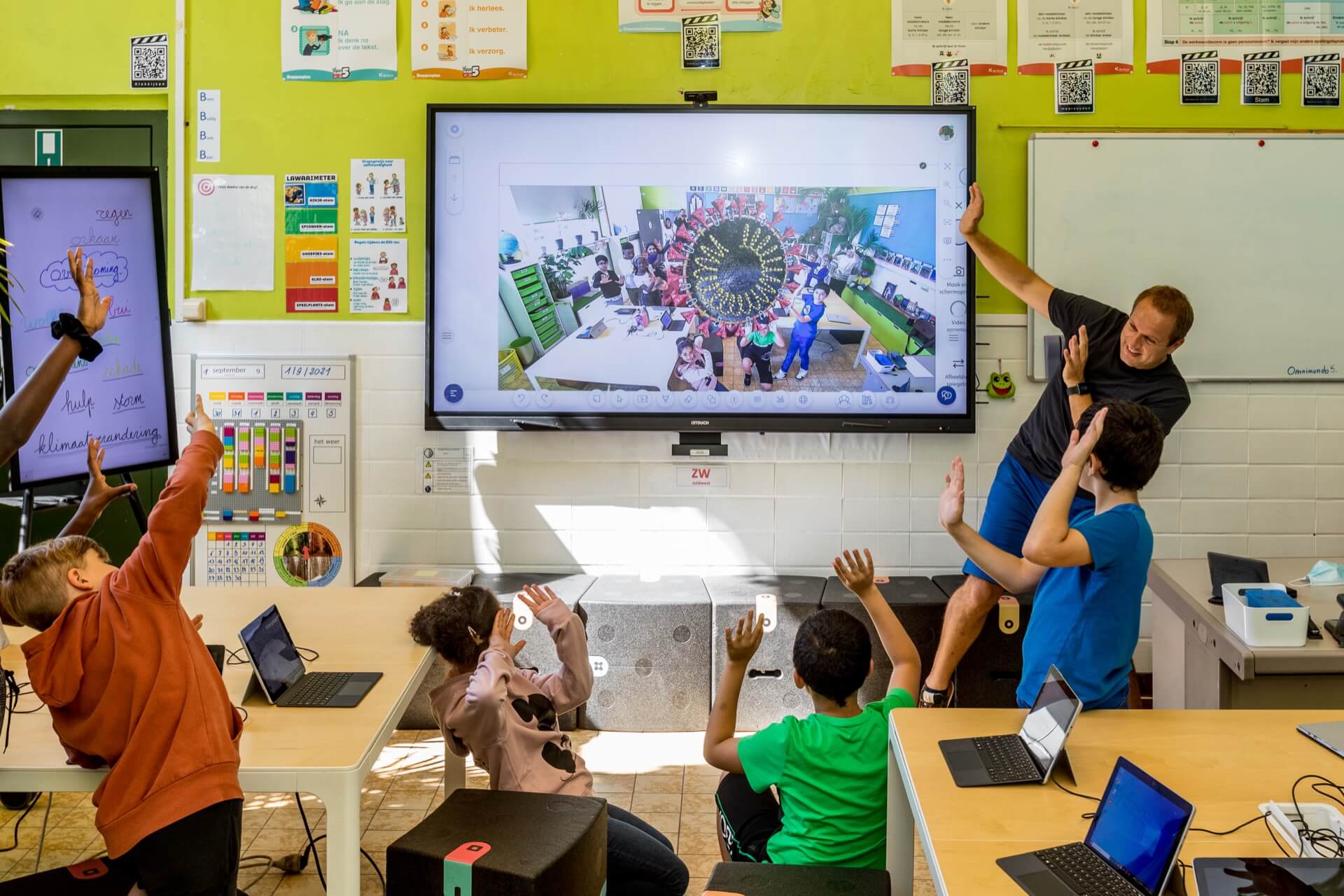
Key Takeaways
- Enhanced Learning Experiences: Technology fosters personalized and interactive learning, transforming traditional education.
- Evolving Educational Roles: Teacher and student roles are adapting, with educators becoming facilitators and learners becoming active participants.
- Future-Ready Skills: Integration of technology equips both parties with digital literacy and 21st-century skills critical for modern fields.
Introduction to Technology in Education
The rapid evolution of digital technologies has dramatically reshaped educational landscapes across the globe. Within this dynamic shift, it has become imperative to study the roles of teachers and students as they navigate technology-rich learning environments. This exploration is not solely about the adoption of digital tools but also about understanding how these tools transform pedagogical methods, learner engagement, instructional dynamics, and ultimately, educational outcomes. The study of teacher and student interaction with technology in education holds significant relevance in enhancing the overall learning experience, promoting equity, and preparing all stakeholders for the digital future.
Transforming Classroom Dynamics
From Traditional to Interactive Settings
In traditional classroom settings, the teacher typically assumed the role of the primary knowledge provider, with students passively receiving information. However, the integration of technology has catalyzed a paradigm shift. The educational landscape now embraces interactive learning models that emphasize collaborative, student-centered experiences. This transformation allows students to take on more active roles in the learning process, leveraging digital tools to explore topics deeply, collaborate with peers, and solve problems in a more engaged manner.
Interactive Technologies and Their Impact
Technologies such as interactive whiteboards, learning management systems, and virtual reality create immersive environments where learning is tailored to individual needs. These tools enable educators to craft lessons that are not only more engaging but also adaptable to various learning styles. The use of simulation software, multimedia presentations, and online collaborative platforms stresses participation, discussion, and hands-on experimentation. This environment significantly enhances student motivation as learning becomes more exploratory and less dictated solely by textbook content.
The Evolving Roles of Teachers and Students
Teacher Empowerment and Student Autonomy
With the infusion of technology into classrooms, the roles of both teachers and students are concurrently evolving. Teachers are required to move beyond their traditional role as sole disseminators of information and adopt more dynamic and flexible positions. They now function as facilitators, guides, motivators, and collaborators, orchestrating the learning process. Their responsibilities extend to designing lessons that incorporate digital tools, managing technology-centric classrooms, and providing personalized support to ensure that every student benefits from the digital content.
Teachers as Facilitators and Mentors
Modern educators are not just content experts but also adept technology users who can integrate various digital tools into their pedagogy. This integration involves curating digital resources, monitoring student progress through data analytics, and tailoring instructions to meet diverse learning needs. Professional development programs focused on digital literacy are essential for preparing teachers to maximize technology’s potential. Consequently, teachers are evolving into roles that include being instructional designers, tech mentors, and even collaborators with students in the learning process. Their expanded role directly correlates with improved outcomes in student engagement and academic performance.
Students as Active Participants
Simultaneously, students are transitioning into active participants in their educational journey. They interact with technology to explore subjects beyond the conventional lectures. Empowered with digital tools, students can embark on self-directed projects, participate in online discussions, and collaborate with threads that span global boundaries. This shift from passive learning to engagement in problem-solving, research, and creative expression contributes to an enhanced understanding of subject matter and fosters critical thinking.
Enhanced Learning Experiences Through Technology
Personalization and Adaptive Learning
One of the standout features of technology integration is personalized learning. Adaptive learning technologies utilize data to provide tailored educational content that aligns with individual learning speeds and preferences. This degree of personalization means that students can access material in ways that best suit their learning styles, making education more effective and engaging.
Enhancement Through Data-Driven Insights
Technology empowers educators by allowing for real-time feedback and data-driven instructional adjustments. Detailed analytics on student performance help identify strengths and weaknesses, enabling teachers to provide targeted interventions for those who need extra support. This approach further refines teaching methods and enhances overall educational outcomes.
Collaborative Learning Environments
Digital technologies also foster collaboration among students, creating a cohesive and interactive learning environment. Online platforms and social media integrated with academic instruction work together to promote teamwork, discussion, and peer-to-peer learning. The ability to collaborate across different locations and cultural boundaries not only enriches the educational experience but also broadens the perspectives of the students involved.
Table 1 below illustrates several key technologies used in modern classrooms along with their primary features and educational benefits.
| Technology | Features | Educational Benefits |
|---|---|---|
| Interactive Whiteboards | Multi-touch interfaces, multimedia integration | Enhanced visual learning and real-time interaction |
| Learning Management Systems (LMS) | Course organization, tracking, and forums | Centralized resource management and improved communication |
| Virtual Reality (VR) | Immersive simulations, 360-degree learning experiences | Real-world context understanding and engagement |
| Digital Libraries | Extensive online resources, searchable databases | Increased access to academic materials and research content |
Developing 21st-Century Skills
Embracing Digital Literacy and Critical Thinking
As classrooms evolve with technology, the requisite skills for learners are also changing. One of the major focuses is on digital literacy—an area that encompasses the ability to effectively use digital tools, understand online platforms, and critically navigate the vast ocean of information available on the internet.
Digital Literacy for a Modern Workforce
Exposure to technology in education provides students with crucial skills such as problem-solving, communication, and creativity. These competencies are highly valued in modern workplaces, where technology-driven environments require teams to collaborate on ever-evolving digital projects. Furthermore, developing such skills early on ensures that students are better prepared to tackle challenges in higher education and the professional world.
Innovative Pedagogical Methods
With technology at the center of learning, innovative teaching methods—such as flipped classrooms and blended learning—are gaining traction. These approaches encourage students to engage with content prior to classroom discussions, ensuring that classroom time is used for deeper exploration and application of knowledge rather than simple dissemination of facts. The active engagement in learning fosters critical thinking and allows for a more holistic educational experience.
Challenges and Considerations in Technology Integration
Equitable Access and Teacher Training
Despite the clear benefits of technology in education, several challenges must be addressed to maximize its potential. A significant consideration is the equitable distribution of technological resources. In many parts of the world, disparities in access create a digital divide that can impede the learning progress of underprivileged students.
Addressing the Digital Divide
The digital divide is a critical issue that educational institutions must tackle by ensuring all students, irrespective of socioeconomic status or geographical location, have access to the necessary digital tools and reliable internet connectivity. Effective policies and investment in infrastructure are essential to bridge these gaps, ensuring a level playing field in educational opportunities.
Teacher Training and Professional Development
Another challenge is the preparedness of teachers to integrate technology into their classrooms. Continuous professional development and targeted training programs are vital to help educators stay current with emerging technologies and pedagogical strategies. When teachers are proficient with digital tools, they can more effectively manage classrooms and tailor their instruction to meet diverse student needs. This investment in teacher training not only benefits students but also contributes to the overall improvement of educational systems.
Balancing Traditional and Digital Learning
While technology offers many advantages, it is equally important to balance its use with traditional teaching methodologies to avoid over-reliance on devices. Maintaining a balance between screen time and face-to-face interactions is necessary to support the holistic development of students. Integrative approaches that combine digital resources with traditional classroom interactions often yield the best educational outcomes.
Broader Impacts on Educational Policy and Practice
Informed Decision-Making for Educational Leaders
The empirical study of technology in education provides valuable insights that influence educational policies and practices at multiple levels. The feedback and data gathered from classrooms help administrators and policymakers make informed decisions on investments in technological infrastructure, curriculum modifications, and professional development initiatives. Evidence-based policy-making ensures that the integration of technology is strategically aligned with the overall educational mission, benefiting both teachers and students.
Shaping Future Educational Policies
Studies focusing on the intersection of technology with education have demonstrated that informed policies can result in more robust and inclusive educational frameworks. By understanding the dynamic roles of teachers and students within a digital context, policymakers can design initiatives that support ongoing innovation and provide equitable educational opportunities. This includes crafting incentives for schools to incorporate emerging technologies and creating support networks that facilitate continuous learning among educators.
Global Connectivity and Collaborative Opportunities
The digital transformation in education extends beyond local classrooms, offering global connectivity that fosters international collaboration, cultural exchange, and richer learning experiences. Students and teachers can now engage in cross-cultural projects, virtual exchange programs, and global discussions, broadening their horizons and preparing them for increasingly interconnected professional environments. This global perspective enhances critical thinking and prepares learners to navigate a world that is pressured by rapid technological advancements.
Case Studies and Practical Examples
Illustrative Examples of Technology Integration
Many educational institutions around the world have successfully integrated technology into their teaching and learning processes. For instance, several schools have adopted blended learning models, where traditional instruction is augmented with online components. This approach has proven particularly effective in large classes, allowing a more personalized learning experience through adaptive platforms that monitor student progress.
Example: Flipped Classroom Model
In a flipped classroom model, students engage in initial learning through online lectures and digital content at home, and classroom time is dedicated to interactive problem-solving sessions, in-depth discussions, and collaborative projects. This model has led to improved academic performance, increased student accountability in learning, and has enabled teachers to use classroom time more efficiently for clarifying complex topics.
Example: Integrated Learning Platforms
Integrated learning platforms such as modern LMS solutions have revolutionized how educators monitor and assess student performance. These platforms offer tools such as real-time quizzes, discussion boards, and data analytics dashboards that track student engagement. By effectively utilizing these systems, teachers can quickly identify students who require additional support and adjust lesson plans dynamically. Furthermore, such platforms foster a collaborative environment where students can share insights and work together on projects, ultimately enhancing the overall learning experience.
Future Trends and Implications for Education
Emerging Technologies and Their Educational Promise
Looking ahead, the impact of technology on education is expected to grow even further. Emerging technologies like artificial intelligence (AI), blockchain for educational certifications, and augmented reality (AR) are poised to bring about additional layers of complexity and opportunity in teaching and learning.
The Role of Artificial Intelligence
AI has the potential to transform personalized learning even more by offering sophisticated tools that predict student needs, customize learning plans, and even grade assessments with high accuracy. Teachers can use AI-driven insights to better understand classroom dynamics, whereas students benefit from an environment that continuously adapts to their learning pace and style. As AI becomes more integral to educational tools, educators and policymakers must focus on ethical considerations and the equitable distribution of these technologies.
Augmented and Virtual Reality in Education
AR and VR technologies are further broadening the horizons of education. They offer immersive experiences that allow students to virtually visit historical sites, perform experiments in simulated laboratories, and explore interactive simulations of complex scientific concepts. This enhances both conceptual understanding and retention while making abstract or challenging subjects more tangible and engaging.
In summary, the study of the roles of teachers and students in a technology-rich educational environment is crucial for catalyzing innovative practices, improving teaching outcomes, and preparing all stakeholders for future demands. With a focus on enhancing learning experiences, developing essential life skills, and addressing challenges such as equitable access and teacher training, the integration of technology stands out as a key driver in modern education.
Conclusion and Final Thoughts
The comprehensive examination of teacher and student interactions with technology has underscored its transformative power within modern education. Technology has reshaped classroom dynamics, leading to enhanced engagement, innovative pedagogical practices, and the development of indispensable 21st-century skills. By preparing educators through targeted training and ensuring that every student has access to digital resources, educational systems can harness these advancements to achieve improved learning outcomes and foster a more connected and equitable educational landscape.
Embracing technology in education not only transforms teaching and learning but also serves as a bridge toward a future where students are empowered to take charge of their education. This progress is made possible by the evolving roles of teachers—transitioning into facilitators and mentors—and by students who become active participants in a dynamic digital ecosystem. The continued study and strategic application of technology promises an enriched educational experience that is both adaptive and forward-thinking.
References
- Discovering the Importance of Technology in Education - UoPeople
- What is the Importance of Technology in Education? - Cambridge International School Guwahati
- Why is Technology Important in Teaching and Learning? - eSchool News
- How Important Is Technology in Education? - American University
- 15 Important Roles Of Technology In Education - Human Capital Hub
More Related Queries
Last updated February 19, 2025