
Discovering the Microscopic Marvels of Loricifera
Unlocking the Secrets of These Tiny Marine Creatures for Classroom Engagement
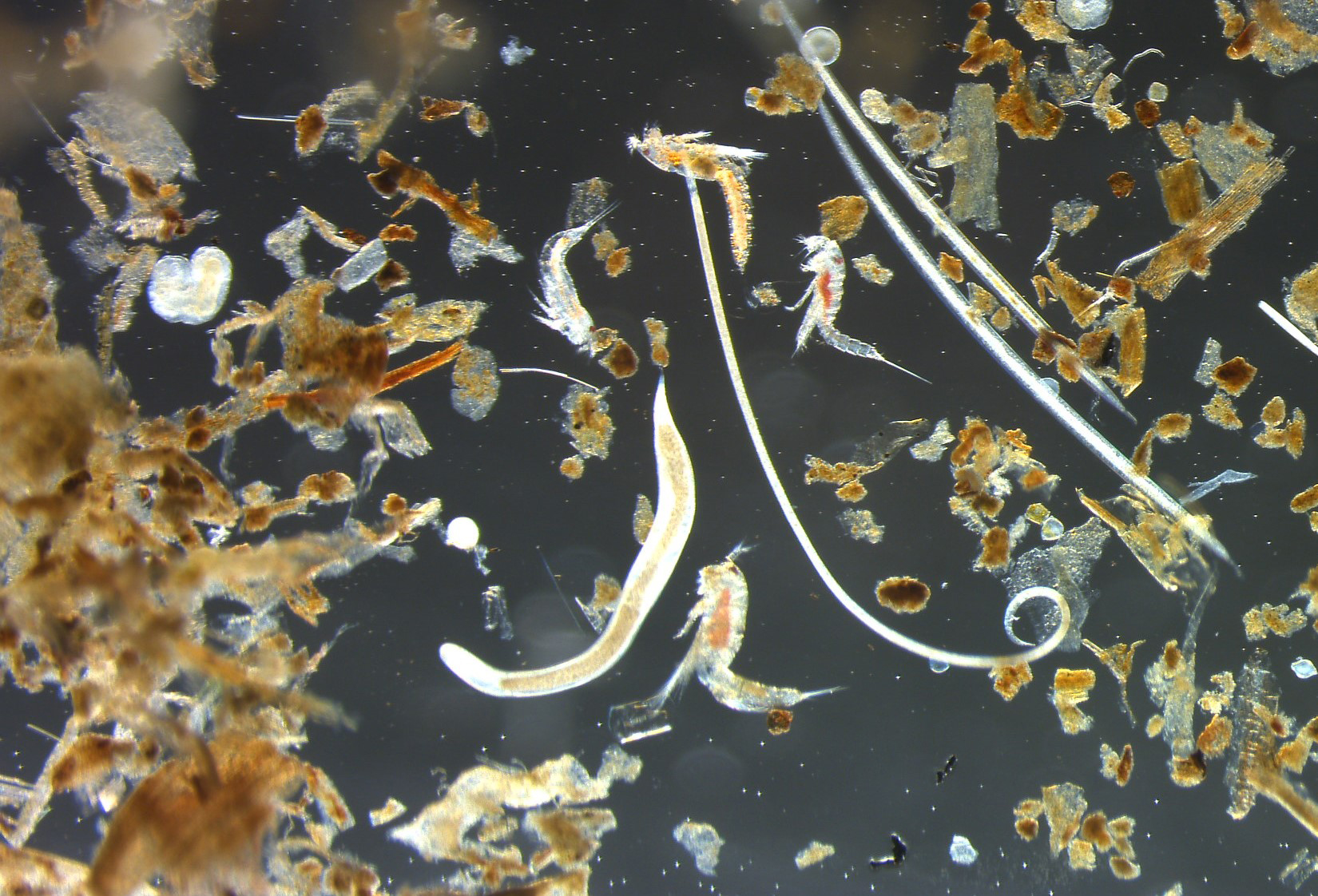
Key Educational Highlights
- Comprehensive Definitions and Descriptions: Clearly define Loricifera and provide detailed descriptions of their morphology, including the protective lorica and retractable body.
- Ecological Relevance and Habitat Exploration: Examine the unique marine habitats, distribution patterns, and adaptive features that allow these organisms to thrive in environments including anoxic conditions.
- Interactive and Comparative Learning: Develop teaching strategies that combine visual aids, practical projects, and comparative analyses with similar phyla to promote critical thinking and active engagement.
Teaching Objectives for Phylum Loricifera
Objective Overview
In order to provide a robust understanding and facilitate engaging classroom activities, the teaching objectives for the Phylum Loricifera are segmented into specific, measurable, attainable, relevant, and time-bound (SMART) goals. These objectives are designed to guide educators in exploring topics ranging from the discovery and classification of these microscopic marine animals to their evolutionary significance and ecological roles in marine environments.
Cognitive Understanding
Defining Loricifera and Recognizing its Characteristics
Students will be introduced to Loricifera as a phylum of microscopic marine animals characterized by a distinctive protective outer cell structure known as the lorica. Key attributes include:
- Morphological Features: Detailed descriptions of their minute size (typically between 100 micrometers and 1 millimeter), the configuration of the lorica, and specialized structures such as the head with scalids.
- Structural Adaptations: Emphasis on how the lorica functions as both a protective barrier and as an adaptation for survival in challenging marine environments.
- Discovery History: Students will learn that Loricifera was first discovered in 1983 by Reinhardt Kristensen near Roscoff, France. This historical context will enrich their understanding of the field of marine biology.
By mastering these points, students will be able to accurately define and describe Loricifera and articulate the significance of their morphological features.
Application and Analysis
Habitat, Distribution, and Ecological Role
Further objectives require students to analyze and explore the environment in which Loricifera are found. Under this category, teaching goals will focus on:
- Habitat Exploration: Students will describe the unique marine environments that these creatures inhabit, including interstitial spaces between gravel and sediments. Special emphasis will be placed on understanding how some Loricifera species adapt to anoxic conditions, such as those found in the Mediterranean Sea.
- Distribution Analysis: Discussion will cover how Loricifera are not only confined to shallow coastal waters but are also present in deep-sea environments, illustrating the widespread distribution of the phylum.
- Ecological Importance: Students will evaluate the role of Loricifera in marine ecosystems. This includes their potential function in the microbial food chain as bacterivores, as well as their value as indicators of environmental change.
By the end of this module, students should be capable of explaining where Loricifera live, how they contribute to ecosystem dynamics, and why studying their habitat is crucial for understanding marine biodiversity.
Critical Thinking and Comparative Analysis
Comparative Studies with Related Phyla
To deepen understanding, objectives include tasks that require comparing Loricifera with other similar phyla such as Kinorhyncha, Priapulida, and even more distantly related groups like Annelida and Mollusca. The goals here involve:
- Comparative Analysis: Students will prepare comparative studies that highlight both similarities and differences in anatomical structures, life cycles, and ecological roles.
- Evolutionary Insights: This analysis aims to foster discussion on evolutionary implications, such as how the unique adaptations of Loricifera have allowed them to survive in specific marine conditions over time.
- Interactive Projects: Incorporating hands-on projects like model building or diagram-based presentations will enable students to visually and practically compare these organisms with other marine invertebrates.
These critical thinking exercises are designed to cultivate analytical skills and encourage a deeper consideration of evolutionary biology.
Practical Applications and Hands-On Learning
Research Projects and Classroom Activities
Empowering students through practical experiences forms a core part of the teaching objectives. The aims in this segment involve:
- Microscopy and Observation: Students will engage in digital microscopy sessions where they can observe actual specimens or high-quality images of Loricifera. Emphasis will be on identifying the protective lorica, specialized head structures, and other distinct morphological features.
- Visualization and Modeling: Through the creation of visual posters, infographics, or 3D models, students will synthesize their knowledge and illustrate the life cycle, feeding habits, and structural organization of Loricifera.
- Field Research and Data Collection: Projects may include researching the geographical distribution and different ecological niches where various Loricifera species have been documented, encouraging students to collect, analyze, and present data.
These hands-on activities not only reinforce theoretical concepts but also encourage active participation and deeper engagement with marine biology.
Detailed Breakdown of Objectives
Summary of Educational Goals
The following table summarizes the specific objectives outlined for teaching about the Phylum Loricifera. This structured summary is designed to provide educators with a clear roadmap for developing lesson plans and assessments.
| Objective Category | Specific Goals | Teaching Strategies |
|---|---|---|
| Cognitive Understanding |
|
|
| Application and Analysis |
|
|
| Critical Thinking |
|
|
| Practical Application |
|
|
Additional Content and Depth for Classroom Integration
Examining Life Cycles and Reproduction
A crucial aspect of understanding Loricifera lies in their life cycles and reproductive strategies. Although much of the detailed study of their life cycle is still emerging, educators can outline several key points:
- Life Cycle Stages: Students will learn about the different developmental stages of Loricifera, including various larval forms that precede maturity. This includes the description of distinct post-larval adaptations that contribute to their survival.
- Sexual Dimorphism: The examination of differences in male and female structures, particularly in the number and configuration of scalids, provides insights into evolutionary biology and reproductive strategies.
- Research Discussion: Scholarly research articles and fossil records, including studies on Cambrian fossils such as Eolorica deadwoodensis, can be integrated to emphasize their evolutionary background and the impact of environmental conditions over time.
These discussions not only foster a deeper understanding of the biological lifecycle inherent to Loricifera but also set the stage for research-oriented projects where students may hypothesize and model the evolutionary adaptations of these organisms.
Leveraging Visual Aids and Interactive Learning Tools
Visual Demonstrations and Interactive Approaches
Incorporating visual aids is essential for teaching a topic as abstract as microscopic marine life. Recommended strategies include:
- Microscopic Imagery: Use high-resolution microscopic images or video clips that illustrate the unique structure of a Loricifera's lorica and internal anatomy.
- Diagrams and Models: Teachers can provide detailed diagrams showing the three-dimensional myoanatomy of these creatures. Creating physical or digital models reinforces the students' understanding of their complex structure.
- Interactive Infographics: Develop interactive digital infographics that allow students to explore key features such as the feeding habits, habitat integration, and adaptive features that enable survival in anoxic conditions.
- Comparative Visuals: Include side-by-side comparisons of Loricifera with similar microscopic marine organisms. This visual aid underpins the critical thinking objectives by highlighting subtle differences and similarities.
These visual and interactive tools can significantly enhance comprehension and retention, making the abstract concepts more tangible for students.
Integration of Assessments and Reflective Practices
Assessment Methods and Reflective Activities
Diverse assessment methods reinforce learning objectives and help measure student understanding. Educators can incorporate:
- Quizzes and Tests: Short quizzes testing definitions, habitat details, and morphological features help confirm that students have grasped the basic concepts.
- Project-Based Learning: Assign group projects where students design infographics or 3D models, and then present their interpretations of the life cycle or ecological impact of Loricifera.
- Field Research Reports: Encourage students to conduct and document research on how environmental variables influence the distribution of Loricifera, particularly in anoxic marine zones.
- Peer Reviews and Discussions: Facilitate structured group discussions where students compare their findings and provide feedback based on critical analysis of current research.
Reflective activities such as journaling after each lesson can also encourage students to record their learning journey, elaborate on new knowledge, and articulate challenging concepts in their own words.
References
- Loricifera - Simple English Wikipedia
- Phylum: Loricifera - Taxonomy Australia
- Loricifera - Wikipedia
- Scientific Research on Loricifera - Oxford Academic
- Loricifera: An Overview - BioCylopedia
Recommended Further Exploration
Last updated March 23, 2025