
Unveiling the Wonders of Loricifera!
Explore Goals and Objectives for Teaching About Phylum Loricifera to Elementary Students
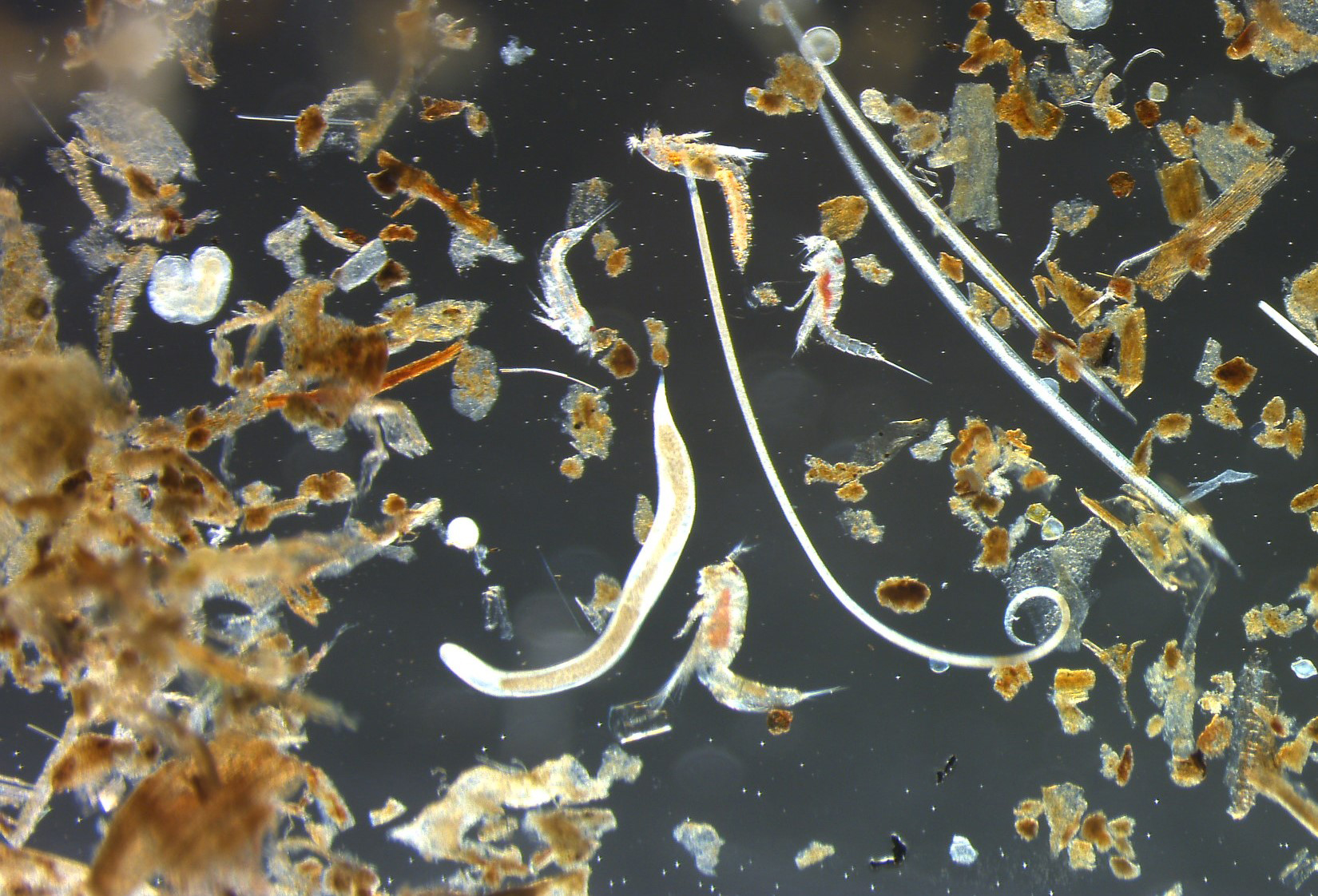
Key Highlights for Understanding Loricifera
- Explore Unique Features: Identify the distinctive traits like their microscopic size and protective lorica.
- Understand Habitat: Recognize where these tiny creatures live and the special conditions they endure.
- Discover Life Cycles: Learn about their growth and feeding habits to appreciate biodiversity in marine ecosystems.
Introduction to Loricifera
Phylum Loricifera consists of tiny, marine animals that reside in the sediments found at the bottom of oceans. Often only seen under the microscope, these creatures grant us a window into a fascinating hidden world. Their unique existence, even in extreme environments such as oxygen-free zones, makes them an ideal subject of learning for curious young minds.
Who are Loricifera?
Loricifera are minute invertebrates that have distinct characteristics setting them apart from other marine creatures. Their name is derived from the Latin words for “armor” (lorica) and “to bear” (ferre), which highlights their most notable feature: the protective outer shell that functions like a suit of armor. This armor-like casing not only offers protection but also aids in maintaining their structure in environments that can be quite harsh.
What Makes Them Special?
Despite being among the smallest of marine animals—with sizes ranging roughly from 100 micrometers to just over 1 millimeter—Loricifera have several fascinating traits:
- They thrive in environments that may seem inhospitable, such as deep-sea sediments, even under anoxic conditions.
- Their lorica is a built-in protective shield, which can be compared to a knight’s armor.
- Their body structure, including features like spiny heads, sparks curiosity and wonder.
Learning Objectives for Teaching Loricifera to Elementary Students
When planning to educate elementary students about Loricifera, it is essential to set clear and achievable objectives. The teaching plan should build from basic terminology to a more in-depth understanding of ecosystem roles, all while ensuring engagement through hands-on activities and creative projects.
Specific Learning Objectives
1. Define and Identify Loricifera
Students should start by understanding the term "Phylum Loricifera." They will:
- Learn Key Vocabulary: Introduce terms like phylum, invertebrate, microscopic, and lorica.
- Visual Identification: Use diagrams and pictures to identify the unique features of Loricifera such as their small size and armored appearance.
- Relate to Other Animals: Compare Loricifera with more familiar animals, highlighting differences and similarities in their physical attributes.
2. Describe the Habitat and Environment
A profound understanding of where Loricifera reside enables students to grasp broader ecological concepts:
- Location Familiarity: Explain that Loricifera can be found in marine sediments, typically in the spaces between grains of sand or mud at the ocean’s bottom.
- Extreme Conditions: Discuss how some species live in extreme, low-oxygen environments, bringing forth ideas about adaptation and survival.
- Environmental Impact: Engage students in topics like biodiversity and ecosystem dynamics by exploring how these organisms contribute to a balanced marine environment.
3. Understand the Life Cycle and Feeding Patterns
To generate a comprehensive understanding, students should explore the life cycle and dietary habits of Loricifera:
- Growth Stages: Introduce their life cycle stages—from larval forms to mature adults—in a manner that is accessible and memorable.
- Feeding Habits: Explain that Loricifera often feed on bacteria and possibly unicellular algae, linking this to the concept of food chains in marine ecosystems.
- Scientific Inquiry: Encourage questions about how their diet contributes to their survival, and how scientists study these tiny creatures under microscopes.
4. Discover the Unique Adaptations
One of the most exciting parts of learning about Loricifera is their ability to live in challenging environments:
- Survival Mechanisms: Investigate how the protective lorica acts as a defense mechanism against predators and harsh environmental conditions.
- Adaptation to Anoxia: Talk about how certain species can thrive in habitats devoid of oxygen, opening a discussion on how life adapts to various conditions.
- Evolutionary Perspective: Introduce basic evolutionary concepts to show how and why such adaptations may have evolved over time.
5. Encourage Hands-on Learning and Creativity
Integrating interactive experiences will help solidify these concepts:
- Art Projects: Have students create a model or drawing of a Loricifera, using clay, paper, or digital tools. This reinforces their learning by bringing an abstract concept to life.
- Classroom Discussions: Organize group discussions and Q&A sessions where children share what they find most intriguing about these tiny creatures.
- Interactive Demonstrations: Use microscopic slides or interactive presentations to show real images of Loricifera, making the subject more tangible.
Comprehensive Table of Teaching Objectives and Activities
| Learning Objective | Description | Suggested Activity |
|---|---|---|
| Introduce Key Vocabulary | Define terms: phylum, invertebrate, microscopic, lorica. | Interactive word matching game using flashcards. |
| Identify Loricifera | Recognize physical features through images and diagrams. | Create a collage of pictures and drawings of Loricifera. |
| Habitat Exploration | Understand the marine environments they inhabit. | Simulated sand or sediment trays to mimic ocean floors. |
| Life Cycle and Feeding | Describe life cycle stages and dietary habits. | Illustrate a simple life cycle diagram with labels. |
| Adaptation Mechanisms | Explain the protective lorica and survival in low-oxygen areas. | Use role-play or storytelling to describe survival strategies. |
| Creative Expression | Engage with hands-on art projects or models. | Modeling clay project to create a 3D representation of a Loricifera. |
Further Details on Teaching Techniques and Engaging Activities
Visual Aids and Interactive Approaches
Visual aids such as detailed diagrams, photographs, or even short educational videos can significantly enhance the learning experience. For instance, showing high-quality images of Loricifera under a microscope not only captures the children's attention but also provides a real-world connection to the textual material. Visual comparisons, like showing how the protective lorica resembles a tiny suit of armor, help bridge knowledge gaps and make abstract scientific concepts more concrete.
Incorporating Storytelling in Science
Storytelling is an effective method to spark imagination and curiosity. Invite students to imagine being tiny ocean explorers discovering mysterious creatures hiding between sand grains. Through narrative, educators can explain how Loricifera evolved these unique characteristics, making learning lively and memorable. Children easily associate emotions with storytelling, deepening their understanding and retention of scientific information.
Hands-On Experimental Learning
Setting up interactive experiments allows elementary students to explore the subject matter actively. One effective strategy is to simulate a marine sediment environment in the classroom by using colored sand or small pebbles in clear containers. This visual and tactile interaction helps students grasp concepts like habitat and spatial distribution. Additionally, experiments such as role-playing the life cycle of Loricifera foster both scientific inquiry and creative engagement.
Assessment Through Creative Projects
Assessing understanding can be seamlessly integrated through creative projects. Rather than traditional tests, educators can incorporate art, presentations, or interactive poster projects where students illustrate the key traits and life processes of Loricifera. This method not only tests comprehension but also encourages exploration and discussion among peers, making the learning environment collaborative and fun.
References
- Loricifera - Wikipedia
- Loricifera Facts for Kids - Kiddle Encyclopedia
- Loricifera - Taxonomy Australia
- Loricifera - Simple English Wikipedia
- Marine Science on Loricifera - Frontiers in Marine Science
Recommended Queries for Deepening Understanding
 media.eol.org
Last updated March 23, 2025