
The Role of Modern Technology in Revitalizing Classical Literature
Exploring how digital innovations reshape our engagement with timeless texts
Key Highlights
- Digital Accessibility: Advances in digitization and online platforms have democratized access to classical works.
- Immersive and Interactive Experiences: Virtual reality, AI customization, and interactive learning tools offer engaging ways to experience literature.
- Educational and Cultural Impact: Modern methods enhance literary analysis, educational engagement, and contextual understanding.
Introduction: Embracing the Digital Renaissance of Classics
Modern technology is redefining the way classical literature is accessed, interpreted, and enjoyed. Classical works, once confined to physical archives and dated pedagogical approaches, now find new life through a combination of digital digitization, innovative immersive experiences, and advanced analytical tools. The integration of technologies such as artificial intelligence, virtual reality, and interactive digital platforms has opened vast opportunities for both scholars and casual readers to engage with timeless texts in ways that were previously unimaginable. This transformation not only preserves the rich heritage of classical literature but also introduces it to a vibrant, tech-savvy generation.
Digitization and Enhanced Accessibility
Bridging the Past and the Present
One of the most profound impacts of modern technology on classical literature lies in its role in digitization. Projects like Project Gutenberg have led the charge by converting centuries-old texts into digital formats, ensuring that libraries of classic works are available at the click of a mouse. This massive digitization project, coupled with the ubiquity of smartphones, tablets, and e-readers, means that classical literature is no longer confined to dusty shelves; it now exists in a format that is easily accessible across the globe.
The benefits of this digital transition are multi-fold. First, the digitization process protects original manuscripts and fragile texts by reducing the need for physical handling. Second, it democratizes access, allowing people from diverse backgrounds and remote locations to explore the wealth of historical narratives. As the digital libraries continue to grow, classical literature is being rediscovered by a broader audience, leading to renewed interest and appreciation.
Key Features of Digitization
- Global Access: Readers worldwide can access historical literature without geographical restrictions.
- Preservation: Through digital archiving, delicate texts are preserved for future generations.
- Searchable Content: Advanced search functionalities allow readers to quickly locate themes, characters, and passages.
Immersive and Interactive Literary Experiences
Transforming Reading into Exploration
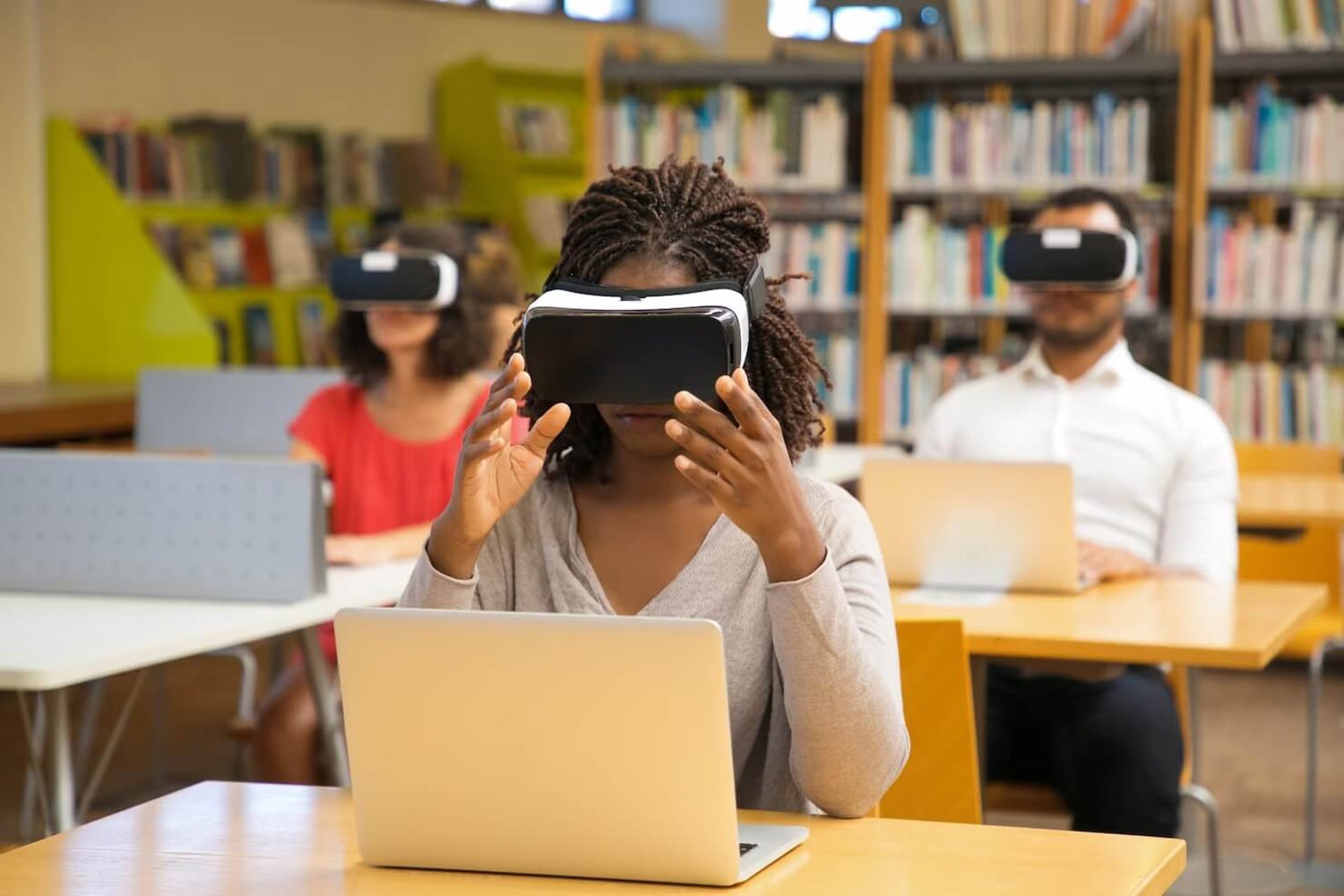
Beyond simple digitization, modern technology introduces readers to immersive experiences that enrich the traditional reading process. Virtual reality (VR) is at the forefront of this transformation, enabling users to step into historical worlds and experience the settings and characters as if they were living within them. This immersive technology transforms static text into dynamic experiences, making readers a part of the narrative.
Interactive elements such as AI-generated imagery, digital narrations, and gamified storytelling further serve to attract a new generation of readers. AI technologies, capable of dynamically adapting the complexity of texts according to a reader's preference, bolster comprehension while maintaining the integrity of the original works. These immersive strategies are particularly effective in educational settings, where engaging visual aids and interactive storylines aid in demystifying complex themes of classical literature.
Technological Tools Enhancing Engagement
- Virtual Reality: Enables immersive tours through historical settings recreated in digital environments.
- Augmented Reality: Overlays digital content onto the physical world, enhancing texts with visual insights.
- Interactive Apps: Engaging tools that include quizzes, multimedia annotations, and discussion forums.
- AI-Powered Customization: Tailors the reading experience to individual preferences by adjusting language complexity or offering thematic insights.
| Aspect | Technological Innovation | Impact on Classical Literature |
|---|---|---|
| Accessibility | Digital Libraries & e-Readers | Global access, preservation, and immediate searchability |
| Engagement | Virtual Reality & Interactive Apps | Creates immersive experiences and deeper reader involvement |
| Analysis | AI & NLP Tools | Facilitates deeper exploration of themes and stylistic patterns |
| Learning | Multimedia & Gamified Storytelling | Enhances educational methodologies through interactive learning experiences |
Educational Applications and Analytical Innovations
Learning Through Technology
The interplay between modern technology and classical literature is particularly evident in educational environments. Digital tools are revolutionizing how classical texts are taught, making learning more interactive and engaging. By leveraging these tools, educators can transform difficult texts into accessible sources of information by providing contextual background, annotations, and interactive commentaries.
One of the primary educational applications involves enhancing literary analysis. AI and Natural Language Processing (NLP) are now capable of examining vast literary corpora to uncover themes, stylistic nuances, and historical patterns that might otherwise remain hidden. These insights add layers of meaning to classical literature, offering students nuanced interpretations that link the past with present-day contexts.
Modern Classroom Innovations
- Digital Annotation Tools: Allow students to collaborate and share insights directly on digital texts.
- Interactive Learning Platforms: Online forums and apps enable live discussion and debate around classic works.
- Critical Analysis Software: Tools that simulate literary analysis, mapping out themes and narrative structures with AI assistance.
- Virtual Field Trips: Immersive virtual reality experiences that bring historical settings and contexts vividly to life.
Cultural Relevance and Community Engagement
Revitalizing Appreciation Through Modern Platforms
The revival of classical literature in the modern era is not solely academic; it is equally cultural. New forms of digital storytelling are reshaping how communities connect with classical narratives. Social media platforms create virtual communities where readers, enthusiasts, and academics can share their interpretations and analyses. This collective engagement fosters a renewed cultural relevance of classical texts, positioning them as living documents that continue to influence and inspire societal values and artistic expressions.
Additionally, modern technology supports adaptations and reinterpretations of classical literature in various multimedia formats. Films, audiobooks, graphic novels, and interactive digital stories allow these works to be experienced in multifaceted ways. By adapting classical literature into new formats, these technologies not only preserve the original texts but also open doors to innovative reinterpretations that resonate with contemporary audiences.
Community and Cultural Initiatives
- Social Media Groups: Dedicated communities discussing interpretations, themes, and the relevance of classical works in today’s society.
- Digital Storytelling Platforms: Websites and applications that offer modern adaptations and interactive retellings of classics.
- Cultural Contextualization Tools: Digital interfaces providing background information to help modern readers connect with historical contexts.
- Online Book Clubs: Platforms fostering conversations and debates about classic literature, thereby renewing interest.
Innovative Technologies in Focus
Technological Breakthroughs Enhancing Literary Experiences
A variety of innovations are driving the transformation of classical literature into a vibrant, accessible, and personalized experience:
Artificial Intelligence and Machine Learning
AI plays a crucial role in enhancing the reading experience by adapting texts based on individual reader preferences. Whether it is by simplifying archaic language or uncovering hidden literary patterns through extensive data analysis, AI has become an indispensable tool. Its ability to offer personalized recommendations leads readers to discover related works they might otherwise overlook, ensuring that the classical canon continues to evolve and maintain cultural significance.
Additionally, AI-enabled translations and contextual adjustments allow non-native speakers to access literature that once required specialized linguistic knowledge. This makes classical literature more inclusive and globally appealing.
Virtual and Augmented Reality
Another groundbreaking innovation is the integration of virtual and augmented reality into literary experiences. By creating 3D reconstructions of historical settings or digitally reimagined scenes from literary works, these technologies offer an immersive exploration of narratives. This not only aids in visualizing the context in which the literature was created but also reinvigorates its appeal among younger, tech-oriented audiences.
Interactive Multimedia and Digital Storytelling
Multimedia tools have allowed literary works to be presented in a more dynamic and engaging format. From interactive e-books to multimedia exhibits, these tools combine visual arts, audio, and textual analysis, helping to illuminate the depth of classical literature. Digital storytelling transforms reading into an interactive journey where users can explore various aspects of the narrative through embedded links, digital annotations, and integrated media.
Challenges and Future Outlook
Navigating Obstacles in a Digital Era
While the impact of technology on revitalizing classical literature is largely positive, several challenges remain. The potential for technological distractions and the sophistication required to navigate digital tools can occasionally detract from deep, focused engagement with texts. It is vital that educators, technologists, and literary scholars continue to work in unison to balance entertainment with critical reading practices.
Moreover, ensuring equitable access to these digital assets remains a challenge in under-resourced regions. As we move forward, the integration of technologies must address these limitations and work to bridge the digital divide, ensuring that the enriching world of classical literature is accessible to all.
The future of classical literature in the digital age lies in continuous innovation. With ongoing developments in machine learning, immersive experiences, and digital collaboration, there is immense potential to deepen the engagement, understanding, and global reach of literary classics. Diverse initiatives—including collaborative projects between cultural institutions and tech innovators—will further cement the relevance of classical literature in modern society.
References
- Project Gutenberg and Digital Classics - Fotros Journal
- Modern Tech Reinventing Classics - Swlynch
- AI Enhanced Storytelling - Cybernative
- Digital Age Transformation - Cassiemobi
- Modern Technology and Classical Literature - TeachThought
Recommended Related Queries
Last updated March 10, 2025