
Technology Solutions for Climate Change Mitigation
Innovative Strategies Driving a Sustainable Future
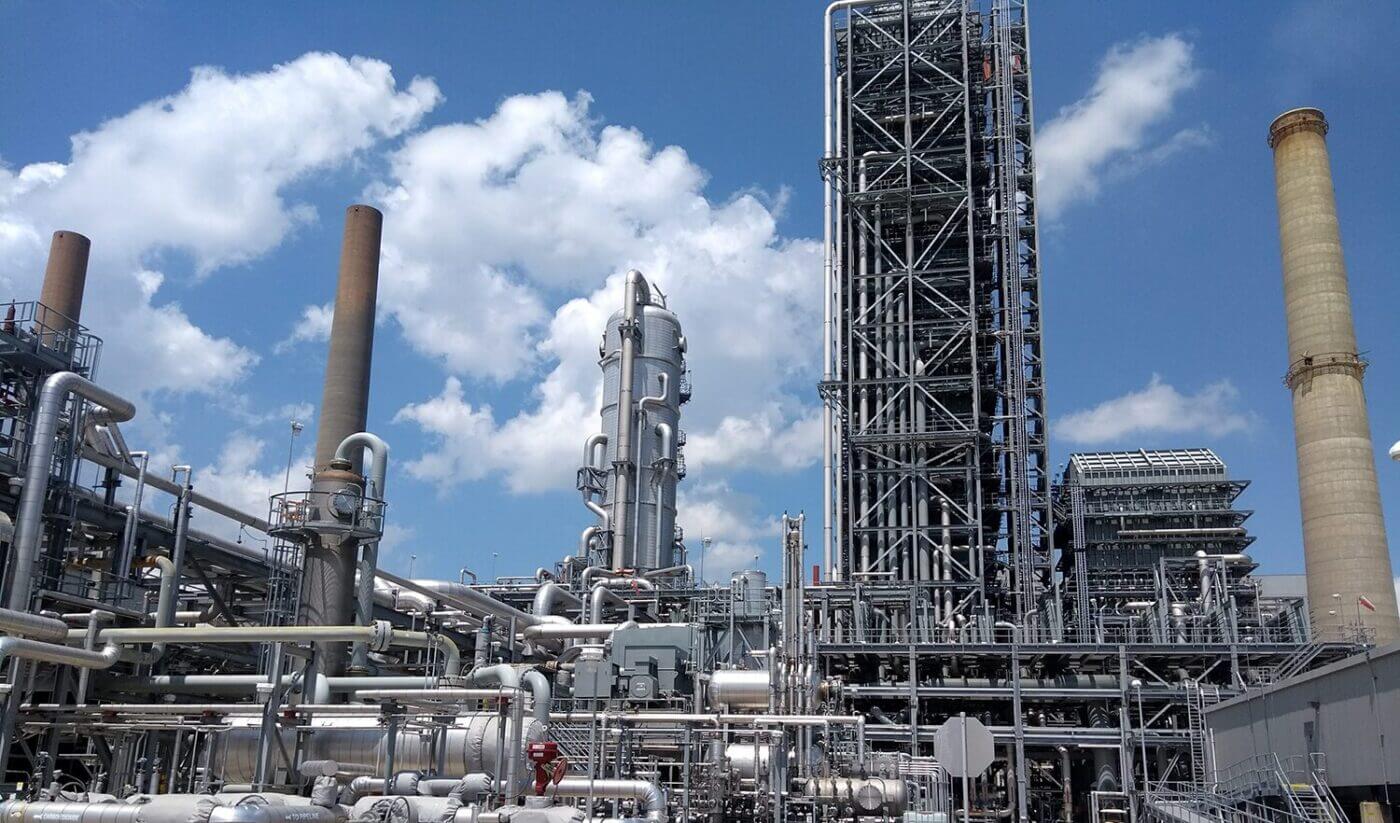
Highlights
- Renewable Energy Advancements: Harnessing solar, wind, and hydropower to replace fossil fuels.
- Carbon Capture and Storage (CCS): Innovative methods to trap and store CO₂ from industrial sources.
- Digital and AI-Driven Technologies: Utilization of AI, IoT, and data analytics for energy efficiency and early warning systems.
Introduction
The climate crisis is one of the most pressing challenges of our time, and technological innovation stands at the forefront of efforts to mitigate climate change. From renewable energy to advanced data analytics, numerous innovative solutions are being employed worldwide to reduce greenhouse gas emissions, improve energy efficiency, and enhance climate resilience. By integrating sustainable practices across various sectors, technology plays a pivotal role in transforming energy production, consumption, and overall environmental stewardship.
Renewable Energy Technologies
Clean Energy Alternatives
Renewable energy technologies are central to decarbonizing the global energy grid. By harnessing natural resources that are inexhaustible, such as sunlight, wind, and water, renewables offer a clean and sustainable alternative to fossil fuels. This transformation in energy production is critical for reducing greenhouse gas emissions and mitigating climate change.
Solar Power
Solar photovoltaic (PV) technology converts sunlight directly into electricity using semiconductor materials. Recent advancements in solar technology have significantly increased efficiency rates, decreased production costs, and improved energy storage capabilities. Innovations in solar cells, including bifacial panels and perovskite materials, promise further efficiency gains.
Wind Energy
Wind turbines, both onshore and offshore, are a vital part of the renewable energy landscape. As wind technologies evolve, turbines are becoming larger, more efficient, and capable of generating power even at lower wind speeds. Offshore wind farms, in particular, benefit from consistent and strong wind conditions, allowing them to produce electricity at scale.
Hydropower and Other Renewables
Hydropower, which harnesses the energy of flowing water, remains one of the most established forms of renewable energy. Additionally, newer solutions like geothermal energy and biomass are also contributing to a diversified energy portfolio. The integration of distributed energy resources (DERs) such as small-scale solar installations and wind turbines in communities further supports decentralized and resilient energy systems.
Carbon Capture and Storage (CCS)
Trapping Industrial Emissions
Carbon Capture and Storage (CCS) is a transformative technology designed to capture carbon dioxide emissions from large point sources like power plants and industrial facilities. This method involves capturing CO₂, transporting it to storage sites, and injecting it into underground geological formations to prevent its release into the atmosphere.
The Process of CCS
The CCS process comprises three main steps:
- Capture: Involves isolating CO₂ from other gases produced during industrial processes.
- Transport: The captured carbon dioxide is then compressed and transported, typically via pipelines, to a designated site.
- Storage: It is injected into subterranean rock layers for long-term storage, ensuring it does not re-enter the atmosphere.
Although currently associated with high costs and technological complexities, CCS is an invaluable tool when paired with efforts to decarbonize the most challenging sectors of the economy.
Digital and Data-Driven Technologies
Harnessing Information for Climate Action
In the digital age, advanced computing and data analytics are revolutionizing how we understand, monitor, and mitigate climate change. These technologies enhance the efficiency of renewable energy systems, enable predictive modeling of weather patterns, and optimize resource distribution, all essential for a resilient climate strategy.
Artificial Intelligence (AI)
AI is a powerful tool in the fight against climate change. It supports a range of applications from optimizing industrial processes to managing energy grids. AI algorithms can analyze vast datasets from satellite imagery, sensors, and other digital sources to derive insights on emission patterns, assess the effectiveness of renewable solutions, and even predict extreme weather events. For instance, forecasting systems that integrate AI and meteorological data can provide early warnings, potentially saving lives and reducing property damage.
Internet of Things (IoT)
The Internet of Things (IoT) connects everyday devices to monitor energy consumption, detect inefficiencies, and optimize usage. Smart homes and buildings equipped with IoT sensors can dynamically adjust heating, cooling, and lighting systems, significantly reducing energy waste. In agriculture, IoT applications help efficiently manage water usage and fertilizer application, contributing to more sustainable practices.
Data Analytics and Digital Tools
Robust data analytics platforms process real-time data to provide actionable insights for emission management. Digital tools are crucial for environmental monitoring, enabling governments and organizations to track climate parameters, assess environmental risks, and plan mitigation strategies with higher precision.
Energy Efficiency Solutions
Optimizing Resource Use
Beyond generating clean energy, improving energy efficiency is critical to mitigating climate change. Innovations in smart technology are redefining how energy is utilized in buildings, transportation, and industrial processes.
Smart Buildings
Modern buildings utilize smart technologies such as IoT, advanced sensors, and automation systems to monitor and control energy consumption. These systems enable real-time adjustments, improve insulation efficiency, and integrate renewable energy sources like rooftop solar panels. Smart energy management systems reduce wastage and maintenance costs, ultimately lowering carbon emissions.
Efficient Transportation
Transportation is one of the largest sources of greenhouse gas emissions. The rise of electric vehicles (EVs), along with innovations in battery technology, promises a significant reduction in fossil fuel dependence. Additionally, technologies such as dynamic road pricing and smart traffic management systems leverage data to optimize traffic flow, thereby reducing idling times and emissions.
Industrial Energy Management
In industrial settings, energy management systems are crucial for reducing overall consumption. Advanced metering infrastructure (AMI) and AI-driven diagnostic tools are being implemented to detect inefficiencies, schedule maintenance, and optimize production processes. These efforts ensure that energy is used judiciously and that industries adhere to stringent environmental standards.
Adaptation and Monitoring Technologies
Increasing Climate Resilience
In addition to efforts to reduce emissions, technology plays a fundamental role in adapting to the inevitable impacts of climate change. Adaptation technologies are designed to enhance resilience against climate-induced hazards and to manage the risks associated with extreme weather events.
Drones and Satellite Imaging
Drones and satellite imagery provide unparalleled capabilities for environmental monitoring. They are used to track deforestation, monitor ice melt in polar regions, and assess the impacts of extreme weather events such as floods and wildfires. With high-resolution images and real-time data feeds, emergency responders and policymakers can make informed decisions rapidly.
Early Warning Systems
Technological early warning systems are essential for disaster preparedness. By incorporating data from multiple sources, including weather stations, IoT sensors, and AI analytics, these systems can predict natural disasters such as hurricanes, floods, and heatwaves. This information is then disseminated to at-risk communities, allowing for timely evacuations and other preventive measures.
Climate Risk Analytics
Advanced analytics platforms process environmental data to assess climate risks on local, national, and global scales. Such tools are crucial for planning infrastructure projects and ensuring that communities are more resilient to the impacts of climate change.
Emerging and Niche Technologies
Pioneering Future Approaches
As the climate change challenge intensifies, innovative researchers and companies are exploring niche technologies that could revolutionize mitigation efforts. Many of these emerging technologies, while in earlier stages of development, offer promising new pathways towards a decarbonized future.
Ocean Carbon Sequestration
A novel approach under investigation is ocean carbon sequestration, which involves leveraging natural ocean processes to trap carbon dioxide. Such methods include enhancing phytoplankton growth through nutrient management or using engineered techniques to increase the carbon absorption capacity of seawater. While these concepts are still experimental, they hold potential for future large-scale implementation.
Space-Based Solar Power
Another cutting-edge concept is space-based solar power, where solar panels in orbit collect solar energy and beam it back to Earth via microwaves. This technology could provide a continuous, reliable source of renewable energy, independent of traditional terrestrial limitations. Although considerable technical and logistical challenges exist, research continues into making this concept viable.
Agricultural Innovations
The agricultural sector is also witnessing a surge in technological advancements aimed at both mitigation and adaptation. Precision agriculture uses data analytics, drones, and sensor networks to optimize resource use, reduce water consumption, and minimize the use of chemical fertilizers. Such technologies not only lower emissions associated with traditional farming methods but also boost crop yields and improve food security.
Comparative Analysis of Technology Solutions
Overview of Key Approaches
To provide a clear perspective of the various technology solutions in play, the following table summarizes the key methods, their functions, and the sectors they impact.
| Technology | Main Focus | Sectors Affected |
|---|---|---|
| Renewable Energy (Solar, Wind, Hydropower) | Clean energy generation | Energy, Infrastructure, Transportation |
| Carbon Capture and Storage (CCS) | Trapping and storing CO₂ emissions | Industrial, Power Generation |
| Digital Technologies (AI, IoT, Data Analytics) | Optimizing energy use, climate monitoring | Urban Management, Agriculture, Disaster Prevention |
| Energy Efficiency Solutions | Reducing energy consumption | Buildings, Transportation, Industrial Processes |
| Adaptation Technologies (Drones, Early Warning Systems) | Enhancing climate resilience | Emergency Management, Environmental Monitoring |
| Emerging Technologies | Innovative future methods | Agriculture, Renewable Installations, Space Applications |
The table encapsulates the multifaceted approach technology offers for climate solutions, encompassing both mitigation and adaptation.
Case Studies and Global Impacts
Real-World Applications
Various countries and companies are implementing these technologies to save energy, reduce emissions, and promote sustainability. For example, many urban areas are adopting smart city initiatives where sensors and real-time data help manage traffic and energy usage more efficiently. Cities that have adopted these technologies report measurable decreases in energy consumption and an overall improvement in urban air quality.
Large-scale renewable projects featuring vast solar farms and offshore wind installations have also proven effective in lowering national greenhouse gas outputs. Policymakers are increasingly focused on integrating these advanced systems into national energy strategies, reflecting a global commitment to sustainable practices.
Challenges and Future Outlook
Barriers to Adoption
While the technological solutions available offer immense potential, several challenges hinder their full adoption. Initial costs, regulatory barriers, infrastructure requirements, and public acceptance are among the top concerns. Overcoming these hurdles often necessitates collaboration between governments, private sectors, and communities.
Research and development, along with targeted public policies, remain critical. As technology continues to advance, there is optimism that these barriers will diminish. Future trends indicate an exponential increase in the efficiency of renewable energy systems and further integration of digital technologies, which will likely accelerate the transition to a climate-resilient future.
Investments and Policy Interventions
Large-scale investments, both public and private, are essential for supporting these transformative technologies. Government incentives, research funding, and international collaborations continue to drive innovation forward. Many countries have developed comprehensive national strategies that combine technological investment with regulatory reforms to create an enabling environment for sustainable development.
Conclusion
In summary, technology is playing a critical role in climate change mitigation by offering a diverse array of solutions—from renewable energy systems and carbon capture techniques to smart building management and digital monitoring tools. The widespread deployment of these technologies is essential not only for reducing greenhouse gas emissions but also for enhancing global resilience in the face of a changing climate.
As our world transitions to sustainable practices, investments in research, enhanced public policy frameworks, and global collaborations remain vital. By continually improving renewable technologies, optimizing energy use, and developing novel adaptation methods, humanity can build a more resilient and sustainable future.
The road ahead requires coordinated efforts across every sector, and embracing advanced technology solutions offers the best chance available to mitigate a looming climate crisis. The integration of these innovations can transform the way industries, cities, and communities interact with the environment, ensuring that sustainable practices become the foundation for a resilient global economy.
References
- Climate Change: Seven Technology Solutions That Could Help Solve Crisis - Sky News
- AI in Climate Adaptation Technologies - World Economic Forum
- Emerging Technologies to Tackle Climate Change - SAP
- Climate Breakthrough Technologies - Technology Review
- Climate Technology Solving Environmental Challenges - Perch Energy
Recommended Searches
Last updated February 27, 2025