
Statement of the Problem: Technology Integration in Criminology Education
Exploring how digital tools reshape learning outcomes, practical skills, and academic performance
Key Takeaways
- Enhanced Learning Outcomes: The integration of technology aims to improve understanding and retention of criminology theories and case studies.
- Development of Practical Skills: Digital tools and simulations provide criminology students with enriched opportunities to hone practical skills such as forensic analysis, crime scene investigation, and cybersecurity awareness.
- Impact on Academic Performance: The shift from traditional pedagogical methods to technology-enhanced instruction bears potential effects on academic metrics like grades, retention rates, and critical problem-solving capabilities.
Introduction
The rapid evolution of technology in education has dramatically altered the landscape of learning environments across various disciplines, including criminology. This research addresses a significant yet underexplored issue: assessing the relationship between technology integration and the learning outcomes, practical skills, and academic performance of criminology students. As educators continually adapt pedagogical strategies to incorporate various digital tools and platforms, it becomes essential to critically examine the effects of these changes. The emerging emphasis on technology in criminology education brings forward numerous layers of inquiry, not only pertaining to the acquisition of theoretical knowledge but also the implementation of hands-on, real-world skills necessary for the professional realm.
Background
Technology has permeated every facet of modern education. In traditional criminology curricula, education largely revolves around classroom lectures, textbooks, and occasional fieldwork. However, the digital transformation in academic institutions has introduced new methodologies such as simulations, digital forensic tools, online learning platforms, and interactive case studies. These tools offer a transformative approach to learning that could bridge theoretical knowledge with practical application, thereby preparing students more effectively for careers in crime analysis, law enforcement, and forensic investigation.
Despite these potential benefits, the integration of technology presents challenges. There exists a gap in empirical research and data-driven analyses specifically examining the impact of digital tools in the criminology domain. In many cases, educators and curriculum designers are left without clear insights into whether these technological interventions enhance or impede learning outcomes. More importantly, while general education studies have highlighted improvements in academic performance through technology, there is limited focused research into how these findings translate into the specific context of criminology education.
Problem Statement
The central problem that this research intends to address is:
"How does the integration of technology in criminology education influence students' learning outcomes, the development of practical skills, and overall academic performance?"
This broad question is further dissected into several specific research questions:
Research Questions
1. Learning Outcomes
To what extent does technology facilitate a deeper understanding, better retention, and improved application of criminology theory in academic environments? This research seeks to explore whether students who engage with interactive digital resources, online seminars, and simulation-based scenarios show superior comprehension and learning outcomes compared to those receiving traditional instruction.
2. Practical Skills Development
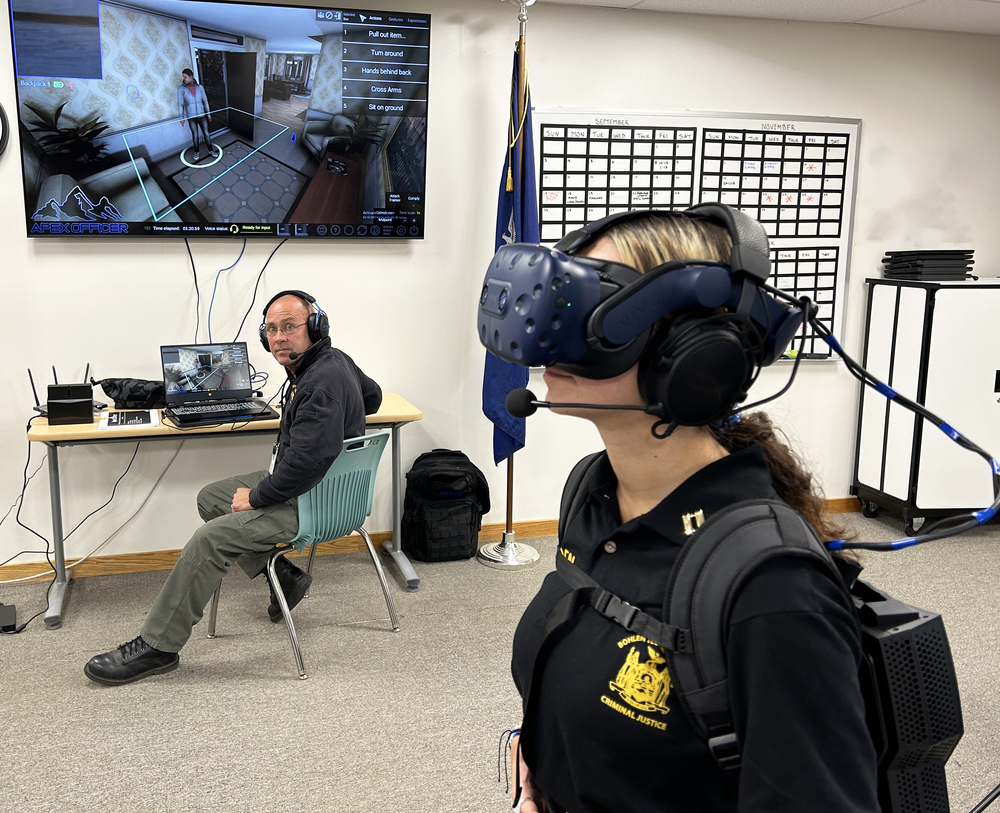
Criminology requires the mastery of practical skills that are foundational in fieldwork, such as crime scene analysis, forensic techniques, digital evidence collection, and cybersecurity practices. This study will assess whether technological tools, including virtual simulations and digital forensic labs, provide an effective environment for students to develop these practical skills, and if such environments translate into real-world competencies.
3. Academic Performance
Academic performance is traditionally measured through grades, completion rates, and other performance indicators. This research examines how technology integration influences these metrics among criminology students. Does the use of technology-enhanced learning platforms, interactive modules, and online assessments correlate with improved academic success? Furthermore, the study will investigate potential differences between technology-driven curricula and conventional classroom-based approaches.
4. Effective Methods of Technology Integration
Beyond simply determining the impact, the research aims to identify which specific methods and types of technology integration yield the best results in criminology education. Categories such as simulation software, online case studies, digital forensic tools, and blended learning environments will be evaluated to determine their effectiveness.
5. Barriers to Effective Integration
The study will also address the barriers that may hinder the successful integration of technology in criminology education. These may include factors such as limited resources, inadequate training of instructors, resistance to change among traditional academic staff, or even potential issues related to the digital divide among students. Analyzing these challenges is crucial in determining how to optimize the use of technology in academic settings.
Importance of the Study
Exploring the integration of technology within criminology education holds significant implications, not only for academic institutions but also for the broader field of criminal justice. By understanding the multifaceted impact of digital tools, educators can design more efficient curricula that gear students towards successfully navigating the complexities of modern criminological practice. Improved learning outcomes and practical skill development are essential for preparing a workforce capable of handling real-world challenges in law enforcement and forensic science.
From a policy-making standpoint, the findings of this study could influence decisions regarding resource allocation in educational institutions, help in crafting professional development programs for educators, and even inform updates in accreditation standards for criminology programs. Furthermore, this research could serve as a blueprint for similar studies in other disciplines where technology integration is rapidly evolving.
Methodological Considerations
To effectively evaluate the effects of technology integration, a mixed-methods research design may be employed. Both quantitative and qualitative data are essential for a comprehensive analysis:
Quantitative Approaches
A range of quantitative methods, including surveys, standardized tests, and academic performance indices, will be used to measure the impact of technology on learning outcomes. These tools can help establish correlation and causation between digital engagement and performance indicators. Statistical analysis, including regression models and hypothesis testing, will be essential in validating the significance of the relationships observed.
Qualitative Approaches
Qualitative data will be drawn from interviews, focus group discussions, and classroom observations. These methods are crucial for understanding the subtler impacts of technology integration—such as changes in student engagement, teacher-student interactions, and shifts in pedagogical strategies. In-depth qualitative analysis provides insights into the experiences and perceptions of both students and educators regarding the use of digital tools in criminology.
Integrative Analysis
The use of a mixed-methods approach integrates quantitative and qualitative data to offer a multidimensional view of technology integration's impact. The results from diverse data sources will be triangulated to arrive at conclusions that are both statistically sound and contextually rich.
Expected Outcomes and Hypotheses
Based on preliminary observations and current literature, several hypotheses and expected outcomes emerge from the integration of technology in criminology education:
Enhanced Learning Outcomes
It is anticipated that technology integration will lead to more engaging and interactive learning experiences. This should result in improved comprehension of complex criminological theories and the ability to apply academic concepts in practical scenarios. The use of digital tools can provide immediate feedback, foster collaborative learning environments, and allow for adaptive learning techniques that cater to individual student needs.
Improved Practical Skills
The hands-on, simulation-based experiences afforded by technology are expected to translate into better practical skills. For example, interactive digital simulations of crime scenes, the use of digital forensic software, and virtual fieldwork experiences can significantly enhance a student's ability to perform in real-world situations. These practical skills are not just theoretical but directly applicable in professional settings, thus bridging the gap between academia and fieldwork.
Positive Impact on Academic Performance
The hypothesis suggests that students who interact with technology-enhanced learning environments will show improved academic performance. This is measured through increased grades, enhanced retention of information, and better overall critical problem-solving abilities. Furthermore, differences in performance metrics between technology-driven methods and traditional approaches may provide valuable insights into the design of future curricula.
Identification of Best Practices
By pinpointing which specific tools and methods yield the best results, educators can formulate best practices for technology integration. These best practices would ideally serve as guidelines for both current and future criminology programs, ensuring that technological interventions are not only innovative but also pedagogically sound and effectively aligned with curriculum objectives.
Understanding Barriers
Equally important is the identification and understanding of the challenges that hinder effective technology integration. Potential barriers may include technical limitations, insufficient training among educators, and institutional resistance to change. Insights into these challenges will help institutions design mitigation strategies that ensure smoother integration of technology in the academic setting.
Comparative Analysis Table
The table below provides a comparative overview of traditional criminology education versus technology-integrated approaches, highlighting key differences across various dimensions.
| Dimension | Traditional Approach | Technology-Integrated Approach |
|---|---|---|
| Learning Environment | Primarily classroom lectures with textbooks and occasional guest lectures. | Interactive digital platforms, online modules, and simulation-based learning environments. |
| Practical Skill Development | Limited hands-on training, dependent on physical labs and fieldwork. | Virtual simulations, interactive forensic tools, and digital case studies enhance hands-on practice. |
| Student Engagement | Traditional, with less interactivity and fewer adaptive learning opportunities. | High level of interactivity, immediate feedback, and collaborative online projects. |
| Performance Metrics | Assessment through standard examinations and paper-based assignments. | Data-driven insights with digital assessments, adaptive testing, and real-time analytics. |
| Resource Accessibility | Limited to physical libraries and on-campus resources. | Access to vast online resources, virtual libraries, and global databases. |
Discussion
The integration of technology in criminology education is not merely an additive process but rather a transformative shift in pedagogy. The digital shift catalyzes a rethinking of traditional educational paradigms. While traditional classroom methods emphasize rote learning and limited interaction with real-world scenarios, technology-mediated instruction provides avenues where theory meets practice in a dynamic and interactive setting.
In exploring the different dimensions of technology integration, it becomes evident that digital tools offer multifaceted benefits. First, through enhanced learning environments, students are not only passive recipients of knowledge but become active participants in their educational journey. Virtual simulations and online discussions make abstract theories more tangible. This interactivity fosters an environment where students can critically engage with material, pose questions in real-time, and apply theoretical frameworks to simulated practical scenarios.
Second, the capacity for digital platforms to facilitate personalized learning experiences marks a significant advantage over traditional methods. Adaptive learning systems leverage real-time data analytics to tailor content to individual learning styles and pace. This ensures that students who might struggle with conventional lecture formats receive targeted support, thereby culminating in more uniform academic outcomes across diverse student cohorts.
Third, the development of practical skills is a cornerstone of criminology education. The modern criminal justice landscape demands professionals who can seamlessly transition from academic theory to real-world application. Technology-based simulations replicate crime scenes or forensic laboratories, equipping students with hands-on experience that would be impractical or unsafe in traditional environments. This practical training through immersive environments has the dual benefit of reinforcing theoretical knowledge while also providing experiential learning that better prepares students for professional challenges.
Further, effective technology integration facilitates improved collaboration among students and between students and educators. Digital platforms often incorporate features such as discussion boards, virtual group projects, and real-time feedback systems. These tools not only enhance academic performance but also encourage the development of soft skills such as team collaboration, problem-solving, and adaptive learning. Such competencies are invaluable in the field of criminology, where multidisciplinary collaboration is frequently required in investigative and analytical processes.
Another critical area is identifying the potential impediments to technology integration. Institutional issues such as budget constraints, a lack of technical support, and resistance to pedagogical change can limit the effectiveness of digital strategies. This research will endeavor to delineate these challenges and propose workable solutions for overcoming them, thus ensuring that technology does not become a barrier to learning but rather an enabler of excellence in criminology education.
Implications for Future Research & Practice
This study is positioned as a pivotal step toward bridging the critical gap in understanding the relationship between technology integration and learning outcomes in criminology education. Its findings are expected to resonate well beyond individual classrooms. Should technology integration prove beneficial in enhancing learning outcomes, practical skills, and academic performance, then academic institutions may reconsider the allocation of resources to prioritize digital transformation. Additionally, faculty development programs may increasingly incorporate training on the use of advanced technological tools, ensuring that educators are well-equipped to leverage these resources effectively.
On a broader scale, the implications of this research extend to policy formulation. Policymakers and educational administrators could utilize the data to set new standards for curriculum design, further integrating technology across various disciplines within criminal justice. This in turn may catalyze similar studies in other specialized fields, thereby expanding the dialogue on digital education and its positive impacts across a wide spectrum of academic and professional environments.
Conclusion
The integration of technology into criminology education represents a paradigm shift with the potential to redefine how learning outcomes, practical skills, and academic performance are achieved. This research question is not merely about measuring numerical improvements in grades, but about understanding the transformative impact that digital tools have on the holistic educational experience of criminology students. It assesses whether technology can render theoretical knowledge more actionable, develop essential practical skills through simulation and interactive learning, and ultimately contribute to producing professionals who are better equipped for the challenges of modern criminal justice.
By delving deep into the interplay between technology integration and educational outcomes, this study not only aims to identify the best practices for curriculum development but also to expose the barriers that might dampen the effective use of digital tools. The insights from this research could pave the way for innovative educational strategies that improve student engagement, enhance practical experience, and result in more robust academic performance. As technology continues to evolve, its potential to transform criminology education grows, thereby necessitating rigorous research and thoughtful implementation.
References
- TECHNOLOGY INTEGRATION KNOWLEDGE ASSESSMENT AMONG CRIMINAL JUSTICE EDUCATORS - Academia.edu
- The Impact of Technology Integration on Student Learning Outcomes - ResearchGate
- Assessing the effectiveness of blended learning for BS Criminology in Occidental Mindoro State College - Consortia Academia
- The Effects of Technology-Integrated Curriculum on Student Engagement and Outcomes - ResearchGate
- Assessing Computer Technology in the Criminal Justice Classroom: A Case Study - ResearchGate
-
Evaluating the Impact of Smart Technology on Academic Eagerness - PMC
- The Impact of Flexible Learning Experiences of Criminology Students at Manuel V. Gallego Foundation Colleges, Inc. - Cosmos Journals
More
Last updated February 19, 2025