
Navigating Technology and Component Shortages for EU EPC Manufacturers
Strategies for Resilience and Competitiveness in the European EPC Sector
The European Engineering, Procurement, and Construction (EPC) sector faces significant challenges due to shortages in technology and component supplies. These shortages impact project timelines, increase costs, and threaten the overall competitiveness of European firms. To navigate these challenges, EPC manufacturers need to adopt strategic approaches that enhance supply chain resilience, foster innovation, and leverage collaborative partnerships.
Key Highlights for EU EPC Manufacturers
- Diversify Supply Chains: Reduce reliance on single suppliers or regions to mitigate the impact of disruptions.
- Invest in Digital Technologies: Enhance supply chain visibility and improve forecasting accuracy.
- Strengthen Collaboration: Foster stronger relationships with suppliers and stakeholders to ensure smoother operations and quicker response times.
Understanding the Supply Shortage Landscape
The shortage of technologies and components affecting EU EPC manufacturers is a multifaceted issue stemming from various factors. Understanding these factors is crucial for developing effective mitigation strategies.
The Roots of the Shortage
Several converging factors have contributed to the current supply shortages:
- COVID-19 Pandemic: The pandemic disrupted global supply chains, leading to factory closures, reduced production capacity, and logistical bottlenecks.
- Increased Demand: A surge in demand for electronic devices and components, driven by remote work, digital transformation, and the growth of IoT, has strained supply chains.
- Geopolitical Tensions: Events such as the war in Ukraine and trade disputes have created additional uncertainties and disruptions in the supply of critical components.
- Specific Component Issues: Particular shortages in semiconductors have been especially impactful, affecting a wide range of industries.
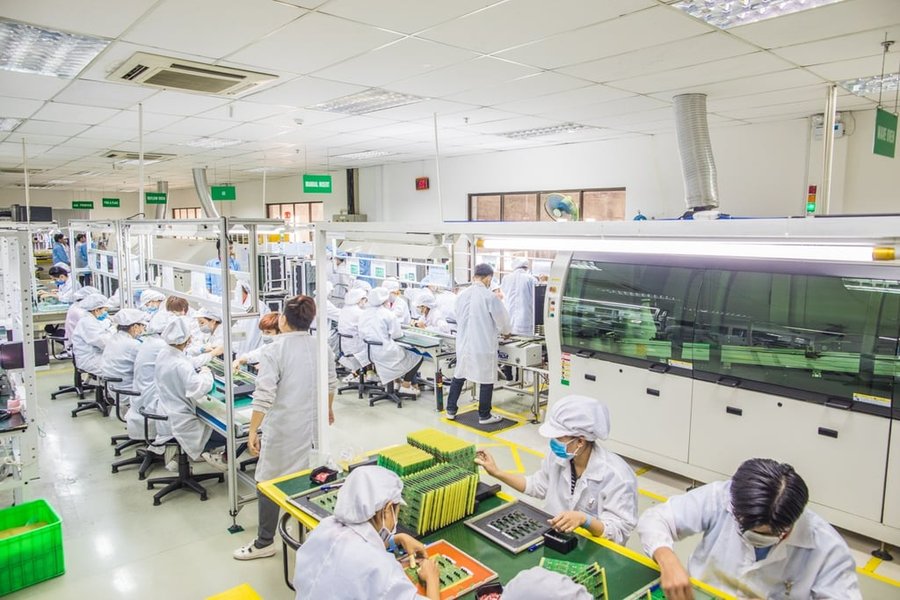 Electronics Component Shortage - What You Need to Know
Impact on the EPC Sector
The technology and component shortages have had a pronounced impact on EU EPC manufacturers, leading to:
-
Project Delays: Shortages of critical components can delay project completion, leading to financial penalties and reputational damage.
-
Increased Costs: Scarcity drives up prices, increasing project costs and reducing profit margins.
-
Reduced Competitiveness: Inability to secure necessary components can put EU EPC firms at a disadvantage compared to competitors in other regions.
Strategic Approaches to Mitigate Supply Shortages
To overcome these challenges, EU EPC manufacturers must adopt proactive and strategic approaches focused on enhancing supply chain resilience and adaptability.
Diversifying the Supply Chain
Reducing Dependence on Single Sources
One of the most effective strategies is to diversify the supply chain, reducing reliance on single suppliers or geographical regions. This involves identifying alternative suppliers and establishing relationships with multiple vendors to ensure a more stable supply of critical components. By expanding the supplier base, EPC manufacturers can minimize the impact of disruptions affecting any single source.
Building Regional Supply Networks
Creating regional supply networks can also enhance resilience. This involves sourcing components from suppliers within Europe or neighboring regions, reducing the risks associated with long-distance supply chains and geopolitical instability. Regionalization can lead to shorter lead times, lower transportation costs, and greater responsiveness to changing market conditions.
Investing in Digital Technologies
Enhancing Supply Chain Visibility
Digital technologies play a crucial role in improving supply chain visibility and forecasting accuracy. Implementing advanced planning and scheduling (APS) systems, IoT devices, and data analytics tools can provide real-time insights into inventory levels, lead times, and potential disruptions. This enhanced visibility enables EPC manufacturers to anticipate and respond to shortages more effectively.
Leveraging Data Analytics
Data analytics can be used to identify patterns and trends in supply chain data, helping EPC manufacturers to predict future shortages and optimize inventory management. By analyzing historical data, market trends, and supplier performance, companies can make informed decisions about procurement and inventory levels. Predictive analytics can also help in identifying potential risks and developing contingency plans.
Strengthening Collaboration and Partnerships
Building Stronger Supplier Relationships
Establishing strong, collaborative relationships with suppliers is essential for managing supply chain risks. This involves open communication, information sharing, and joint problem-solving. By working closely with suppliers, EPC manufacturers can gain better visibility into their operations, negotiate favorable terms, and ensure priority access to critical components.
Collaborating with Industry Stakeholders
Collaboration with other industry stakeholders, such as research institutions, technology providers, and government agencies, can also help to address supply chain challenges. Sharing best practices, developing common standards, and pooling resources can lead to more innovative and effective solutions. Industry-wide initiatives can also help to address systemic issues affecting the supply of critical components.
Adopting Advanced Procurement Strategies
Implementing Strategic Sourcing
Strategic sourcing involves a systematic approach to procurement that focuses on identifying and selecting suppliers who can provide the best value in terms of quality, cost, and reliability. This includes conducting thorough supplier evaluations, negotiating contracts that align with project requirements, and monitoring supplier performance. Strategic sourcing can help EPC manufacturers to reduce costs, improve quality, and mitigate supply chain risks.
Using Long-Term Agreements
Establishing long-term agreements with key suppliers can provide greater certainty and stability in the supply of critical components. These agreements can include fixed pricing, guaranteed supply volumes, and priority access to resources. Long-term agreements can also foster stronger relationships between EPC manufacturers and suppliers, leading to greater collaboration and innovation.
The Role of Government and Industry Initiatives
Government and industry initiatives play a crucial role in supporting the EU EPC sector and addressing technology and component shortages.
The EU Chips Act
The EU Chips Act is a comprehensive strategy aimed at increasing the EU's share of global semiconductor production capacity from below 10% to 20% by 2030. This initiative includes measures to support research and development, attract investment in semiconductor manufacturing, and strengthen the EU's supply chain resilience. The EU Chips Act recognizes the strategic importance of semiconductors and aims to reduce the EU's dependence on foreign suppliers.
 Global Semiconductor Shortage Solutions
Industry Collaborations
Industry collaborations, such as joint research projects, technology consortia, and industry associations, can also help to address supply chain challenges. These collaborations can facilitate the sharing of knowledge, best practices, and resources, leading to more innovative and effective solutions. Industry-wide initiatives can also help to advocate for policies that support the EU EPC sector and promote supply chain resilience.
Financial Support and Incentives
Government financial support and incentives, such as grants, tax breaks, and subsidies, can help to encourage investment in new technologies and manufacturing capacity. These incentives can also help to attract foreign investment and support the growth of the EU EPC sector. Financial support can also be targeted at specific areas, such as semiconductor manufacturing, AI, and quantum computing, to address critical technology gaps.
Supply Chain Challenges in EPC Projects
Managing supply chains in EPC projects presents several unique challenges. These challenges can impact project timelines, costs, and overall success.
Complexity and Uncertainty
EPC projects often involve complex supply chains with multiple suppliers, subcontractors, and stakeholders. The complexity and uncertainty associated with these supply chains can make it difficult to manage risks and ensure timely delivery of materials and equipment. Effective supply chain management requires careful planning, coordination, and communication.
Delays in Delivery
Delays in the delivery of materials and equipment are a common challenge in EPC projects. These delays can be caused by a variety of factors, including supply shortages, logistical bottlenecks, and supplier performance issues. Delays can have a cascading effect on project timelines and costs, making it essential to implement proactive measures to mitigate these risks.
Material Management
Effective material management is crucial for the success of EPC projects. This involves tracking inventory levels, managing storage and handling, and ensuring that materials are available when and where they are needed. Poor material management can lead to delays, cost overruns, and quality issues.
Strategies for Enhancing Supply Chain Reliability in EPC Projects
To address the supply chain challenges in EPC projects, companies must implement strategies that enhance reliability and resilience.
Identifying Long Lead Time Items
Identifying items with long lead times is a critical first step in enhancing supply chain reliability. This involves analyzing project requirements, identifying critical components, and assessing lead times for each item. By identifying long lead time items early in the project, EPC manufacturers can take proactive measures to mitigate potential delays.
Mapping Supply Chains
Mapping the supply chains of critical items can provide valuable insights into potential risks and vulnerabilities. This involves identifying all suppliers, subcontractors, and stakeholders involved in the supply chain and assessing their capabilities and performance. Supply chain mapping can help EPC manufacturers to identify potential bottlenecks and develop contingency plans.
Conducting SWOT Analysis
Performing a SWOT (Strengths, Weaknesses, Opportunities, Threats) analysis of the supply chain can help to identify areas for improvement. This involves assessing the strengths and weaknesses of the supply chain, identifying opportunities to enhance performance, and recognizing potential threats. SWOT analysis can provide a comprehensive understanding of the supply chain and guide the development of targeted improvement strategies.
Tools and Technologies for Effective Supply Chain Management
Several tools and technologies can help EPC manufacturers to improve supply chain management and mitigate the impact of technology and component shortages.
Advanced Planning and Scheduling (APS) Systems
APS systems use advanced algorithms and data analytics to optimize production planning, inventory management, and supply chain scheduling. These systems can help EPC manufacturers to improve forecasting accuracy, reduce lead times, and optimize resource allocation. APS systems can also provide real-time visibility into inventory levels and supply chain performance.
Enterprise Resource Planning (ERP) Systems
ERP systems integrate all aspects of the business, including finance, manufacturing, supply chain, and customer relationship management. These systems can help EPC manufacturers to streamline processes, improve data accuracy, and enhance collaboration across the organization. ERP systems can also provide valuable insights into supply chain performance and help to identify areas for improvement.
Supply Chain Management (SCM) Software
SCM software provides a range of tools and capabilities for managing the supply chain, including supplier relationship management, inventory management, and transportation management. These systems can help EPC manufacturers to improve communication with suppliers, optimize inventory levels, and reduce transportation costs. SCM software can also provide real-time visibility into supply chain performance and help to identify potential disruptions.
Warehouse Shelving
Effective warehouse management and organization are crucial for efficient supply chain operations. Proper shelving and racking systems ensure that materials and components are easily accessible, well-organized, and protected from damage. Optimizing warehouse space and layout improves inventory control, reduces retrieval times, and enhances overall supply chain efficiency.
| Shelving Type | Description | Benefits |
|---|---|---|
| Selective Pallet Racking | Offers direct access to each pallet, ideal for diverse inventory. | High accessibility, easy inventory management. |
| Drive-In Racking | High-density storage, best for large quantities of similar items. | Maximizes space utilization, reduces aisle space. |
| Cantilever Racking | Designed for storing long, bulky items like pipes and lumber. | Provides easy access, prevents damage to long items. |
| Mezzanine Systems | Adds an extra level of storage space within the warehouse. | Increases storage capacity without expanding the building footprint. |
| Multi-Tier Shelving | Offers multiple levels of shelving within a single structure, maximizing vertical space. | Optimizes vertical space, ideal for high-volume, small-item storage. |
Navigating Regulatory and Compliance Challenges
EPC manufacturers must also navigate various regulatory and compliance challenges related to supply chain management. These challenges can include environmental regulations, trade restrictions, and data privacy requirements.
GDPR Compliance
The General Data Protection Regulation (GDPR) sets strict requirements for the collection, storage, and processing of personal data. EPC manufacturers must ensure that their supply chain management practices comply with GDPR requirements, particularly when dealing with suppliers and customers in Europe. Compliance with GDPR requires implementing appropriate data protection measures, obtaining consent for data processing, and providing transparency about data practices.
EU Regulatory Restrictions
The EU imposes various regulatory restrictions on certain technologies and components, particularly those related to security, safety, and environmental protection. EPC manufacturers must ensure that their supply chain practices comply with these restrictions, which may require obtaining licenses, certifications, or permits. Compliance with EU regulatory restrictions is essential for avoiding penalties and ensuring market access.
FAQ
What is the EU Chips Act, and how does it aim to address semiconductor shortages?
The EU Chips Act is a comprehensive strategy designed to increase the EU's global semiconductor production capacity to 20% by 2030. It includes measures to support R&D, attract investment in manufacturing, and strengthen supply chain resilience.
How can EPC manufacturers diversify their supply chains to mitigate shortages?
EPC manufacturers can diversify by identifying alternative suppliers, building regional supply networks, and reducing reliance on single sources. This approach minimizes the impact of disruptions affecting any single supplier or region.
What role do digital technologies play in managing supply chain disruptions?
Digital technologies enhance supply chain visibility, improve forecasting accuracy, and enable real-time insights into inventory levels and lead times. Implementing APS systems, IoT devices, and data analytics tools can help anticipate and respond to shortages more effectively.
How can EPC manufacturers strengthen relationships with suppliers?
Establishing strong, collaborative relationships involves open communication, information sharing, and joint problem-solving. Working closely with suppliers can lead to better visibility into their operations and priority access to critical components.
What are some key challenges in managing supply chains in EPC projects?
Key challenges include complexity, uncertainty, delays in delivery, and effective material management. Addressing these challenges requires careful planning, coordination, and proactive risk mitigation strategies.
References
 static.trinasolar.com
 cdn.digitaleurope.org
Last updated April 17, 2025