
Using Technology in Teaching World War II
Innovative approaches to engage students in historical exploration
Key Highlights
- Virtual Field Trips and Immersive Experiences: Leverage digital tours and simulations to bring historical sites and events to life.
- Interactive Lessons and Multimedia Resources: Utilize primary sources, timelines, maps, videos, and infographics to deepen understanding.
- Collaborative and Experiential Learning: Engage students with group projects, online forums, and simulation games for critical thinking.
Integrating Technology into the Curriculum
Incorporating technology into the teaching of World War II can transform a conventional history lesson into an interactive, immersive, and engaging experience. With digital tools readily available, educators have the opportunity to recreate historical events, offer a wealth of primary sources, and create simulations that allow students to analyze the complex geopolitical, social, and military dynamics of the era.
Virtual Field Trips and Immersive Learning Experiences
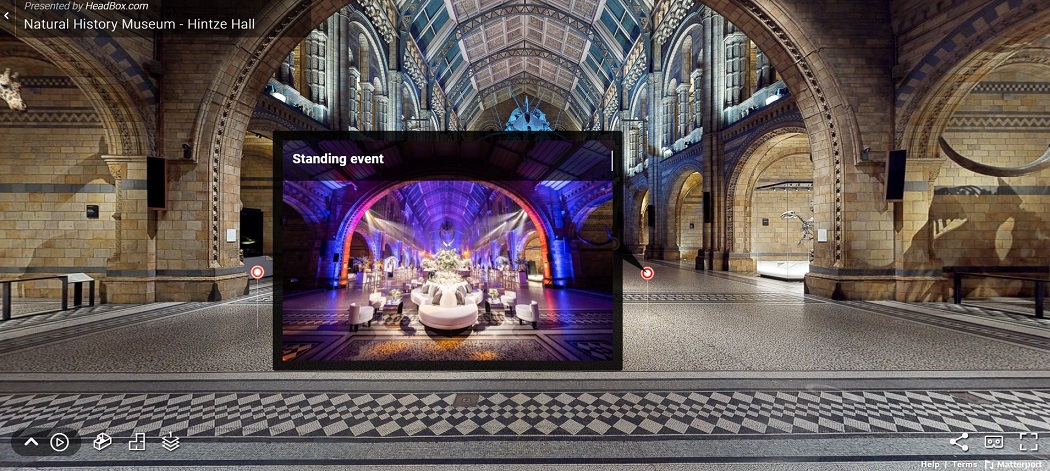
One of the most captivating ways to introduce students to the historical context of World War II is through virtual field trips. This educational technology not only simulates real world visits to museums and historical sites, but also enables students to experience significant locations of the conflict without leaving the classroom.
Museum Tours
Institutions such as The National WWII Museum and the Imperial War Museum have digital resources that allow educators to conduct virtual tours. These online platforms provide students the ability to "walk" the museum halls, view artifacts, and listen to recorded narratives that detail the events of the war. In doing so, learners gain a sense of authenticity, developing emotional and intellectual connections with historical events.
Real-Time Simulations
Beyond museum tours, there are online platforms designed to simulate battlefield conditions, strategic decision-making scenarios, and even wartime communications. For example, interactive maps and simulations can depict key battles, troop movements, or decision nodes during critical moments like the D-Day invasion. These simulations prompt students to evaluate historical decisions and explore the "what if" scenarios, thereby enhancing their critical thinking skills.
Interactive Lessons and Multimedia Resources
Integrating multimedia components into lesson plans can significantly enhance the educational experience when teaching about World War II. This section explores various techniques and technological tools that can increase historical comprehension.
Digital Archives and Primary Sources
Primary sources offer first-hand accounts of historical events, which are invaluable in understanding the breadth and depth of World War II. Teacher-curated digital archives contain photographs, letters, official documents, and eyewitness accounts that support a diverse range of learning styles. Tools like DocsTeach and the online archives provided by institutions such as the US Holocaust Memorial Museum offer extensive collections that can be integrated into lesson plans.
Accessing Digital Collections
With just a few clicks, students can access high-resolution images of artifacts, read scanned documents, or listen to recorded speeches. The integration of these sources into classroom discussions fosters an analytical approach to history by encouraging students to evaluate the reliability of sources and understand the context in which they were produced.
Interactive Maps and Timelines
Visual tools such as interactive maps and chronological timelines provide clarity on the progression and impact of World War II. By visualizing the spread of conflict, correlating events, and identifying key battles, students can better grasp the geographic and temporal dimensions of the war.
Interactive Maps
Digital mapping tools like Google Maps and Mapbox can be used to display the movement of troops, territories, and the changing frontlines throughout the war. This can be particularly useful when demonstrating the strategies of both Axis and Allied powers. Educators can overlay data sets that include battle sites, invasion routes, and significant military engagements.
Chronological Timelines
Tools such as Timeline JS allow students to create interactive timelines that trace the major events of the war. These timelines can include multimedia elements—such as photos, videos, and firsthand accounts—making them an effective learning aid for visual learners and enhancing overall narrative comprehension.
Collaborative and Experiential Learning Strategies
Beyond individual digital exploration, collaborative tools offer students the opportunity to engage in group projects and shared research. This approach not only fosters communication skills but also encourages a deeper level of analysis and interpretation. Here are several strategies educators can deploy:
Project-Based Learning
Project-based learning activities enable students to work on multimedia presentations, create documentaries, or develop digital museums that encapsulate their research on World War II topics. This method promotes extensive research and critical analysis as students gather data from multiple sources, curate primary documents, and produce engaging presentations.
Digital Presentations and Portfolios
Tools such as Google Slides, Prezi, or digital portfolio platforms allow students to compile and present their work in a dynamic format. These presentations can blend text, images, audio recordings, and video clips, providing a comprehensive overview of various historical perspectives. Such assignments not only build technical skills but also improve students' ability to synthesize complex historical narratives.
Online Collaboration Tools
Platforms like Google Classroom, Padlet, and Trello support group discussions and project management in an online setting. These tools facilitate the sharing of resources, discussion of historical interpretations, and collective problem-solving regarding wartime strategies or political decisions.
Virtual Group Discussions
Engaging students in online discussions through video conferencing tools such as Zoom or Skype can simulate real-time debates on historical events. Virtual guest speakers, including historians and veterans, can also be invited to provide firsthand accounts or scholarly insights. This enriches the learning experience by linking personal narratives with recorded historical data.
Digital Tools and Resources for Teaching World War II
Technology affords a vast array of tools designed to make learning about World War II more accessible and compelling. The table below summarizes a range of resources that educators can easily integrate into their lesson plans to foster multiple forms of learning.
| Resource Type | Description | Examples/Tools |
|---|---|---|
| Virtual Field Trips | Online tours and immersive experiences of museums and historic sites. | The National WWII Museum Virtual Tour, Google Expeditions, Imperial War Museum online tours |
| Interactive Maps & Timelines | Digital maps and timelines illustrating key events, locations, and movements. | Google Maps, Mapbox, Timeline JS, Sutori |
| Primary Sources & Digital Archives | Collections of documents, photographs, and firsthand accounts from the era. | DocsTeach, US Holocaust Memorial Museum Archives, National Archives |
| Multimedia Resources | Videos, podcasts, and infographics that convey historical narratives. | YouTube, Crash Course, Vimeo, Hardcore History podcasts |
| Simulation Games & Activities | Interactive games and simulations that let students experience history through role-play. | Hearts of Iron IV, online simulation scenarios, virtual escape rooms |
| Online Collaboration Tools | Platforms that allow for group work, shared projects, and virtual discussions. | Google Classroom, Padlet, Trello, Discord |
Assessment and Feedback: Using Digital Tools to Measure Understanding
Assessing student progress is as integral to teaching as the lessons themselves. Digital assessment tools offer real-time feedback and formative assessments that gauge student comprehension of World War II history.
Interactive Quizzes and Games
Platforms like Kahoot and Quizlet enable educators to develop interactive quizzes that challenge students to retain key dates, figures, and events. Gamified tools make the learning process fun and competitive, which can lead to increased engagement and retention of historical facts.
Digital Evaluations and Peer Reviews
Incorporating digital portfolios and peer review systems challenges students to not only assess their own work but also engage with the historical interpretations of their peers. By providing feedback through online systems, students enhance their understanding and develop critical thinking and evaluation skills.
Integrating External Expert Perspectives
Bringing external voices into the classroom, such as veteran testimonies, historian lectures, or pre-recorded documentaries, provides students with diverse and multifaceted perspectives on World War II. These external resources are crucial for developing a well-rounded understanding of the historical context.
Virtual Guest Lectures and Expert Panels
Through video conferencing tools like Zoom or Skype, educators can invite historians, veterans, or subject matter experts to share their insights directly with students. Such interactions enable students to ask questions and engage in meaningful discussions, thereby bridging the gap between historical study and personal experience.
Pre-Recorded Content
In cases where live sessions may not be feasible, a wealth of pre-recorded lectures and documentary segments are available through platforms like YouTube and Vimeo. These resources help contextualize complex topics ranging from the political climates of the war to the technological innovations that defined the era.
Further Digital Integration and Teacher Collaboration
Educators can further enhance historical teaching methods by collaborating online to share lesson plans, digital archives, and best practices. Online educator communities and resource-sharing platforms provide curated examples of technology integration in the classroom.
Professional Development and Resource Sharing
Websites such as TeacherTube and platforms like Edmodo offer forums where educators exchange ideas and technological strategies, particularly for teaching complex historical events like World War II. This type of collaboration not only expands educators’ digital toolkits but also reinforces the pedagogical effectiveness of technology-driven lesson plans.
Teacher-Curated Lesson Plans
Many educators have successfully integrated digital tools into their curricula by developing teacher-curated lesson plans that integrate interactive timelines, virtual museums, and simulation games. These lesson plans offer a step-by-step approach to implementing technology in the classroom and support educators through detailed instructions and ready-to-use digital assets.
References
- The National WWII Museum - Educator Resources - National WWII Museum
- Classroom Resources - National WWII Museum - National WWII Museum
- 70 Lesson Plans About WWII - Free Tech For Teachers
- OER Commons - WWII Lesson Plan Resources
- WWII Curriculum Guide - WWII Classroom
Recommended Related Queries

Last updated March 22, 2025